
Crossbite: diagnosis and correction
A misalignment of the teeth, where the lower and upper teeth intersect like scissors, is called a crossbite. Treatment is not only a matter of aesthetics but also of dental quality: a malocclusion wears away enamel and damages joints.

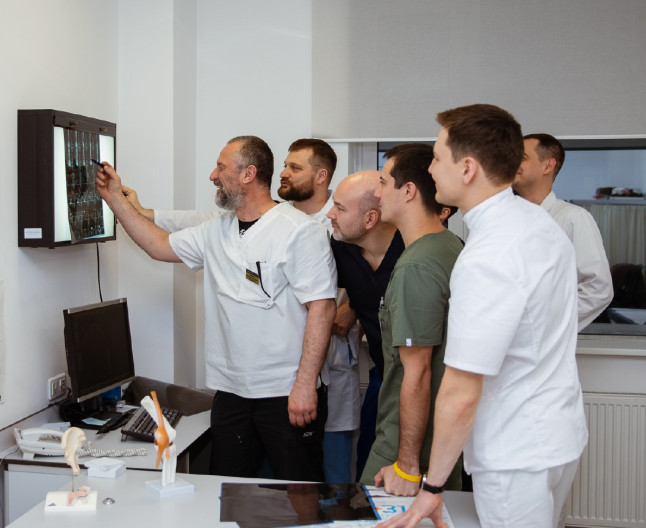
specialists

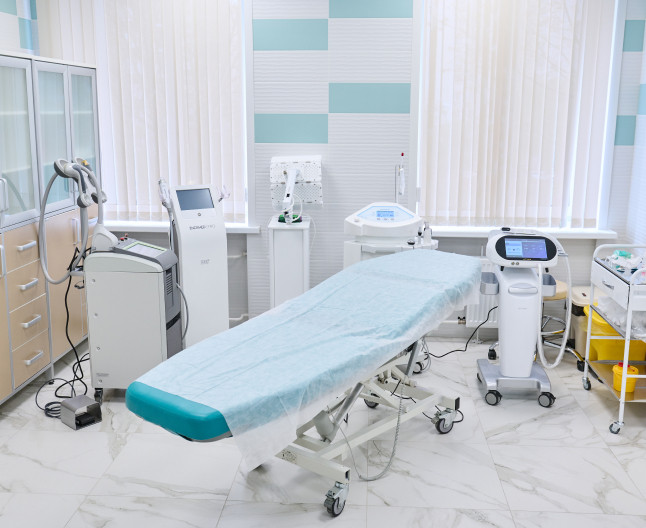
equipment

treatment




Types of crossbite
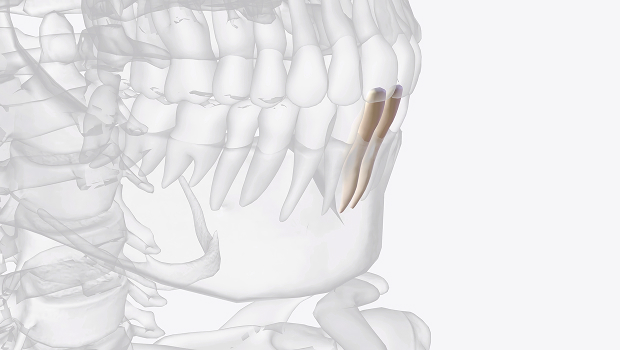
To correct the problem, a doctor needs to make an accurate diagnosis. There are several types of crossbite.
Anterior crossbite
Several upper front teeth are positioned behind each other. The reason is simple: there isn't enough space in the dental arch.
Lateral crossbite
The defect is localized in the area of the premolars and molars. This type of bite impairs chewing function and leads to overload of individual teeth.

Unilateral and bilateral crossbite
Unilateral: The discrepancy between the dental arches is observed only on the right or left side. Over time, this problem disrupts facial symmetry.
Bilateral: The upper jaw is narrowed on both sides relative to the lower jaw.
Dentoalveolar and skeletal form
The dentoalveolar form is associated solely with the incorrect positioning of the teeth or the shape of the alveolar process.
The skeletal form is a difference in the size of the jaws (most often underdevelopment of the upper jaw or overgrowth of the lower jaw).
Causes of crossbite
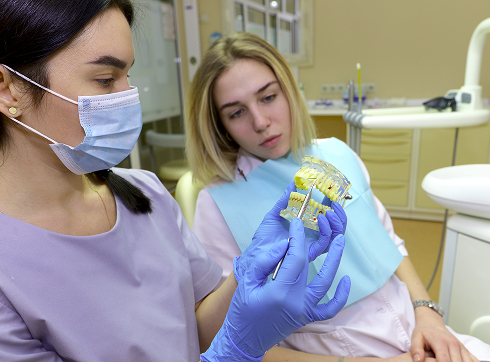
The development of the anomaly can begin in early childhood or be genetically determined.
Hereditary and congenital factors
Jaw size is often inherited. If the parents had a crossbite, there's a good chance the child will develop it too. Congenital developmental abnormalities, such as cleft lip or palate, also play a role.
Jaw growth disorders
Delayed growth of the upper jaw or excessive activity of the lower jaw growth plates leads to a discrepancy in their sizes. This often occurs due to past illnesses or metabolic disorders.
Bad Habits and functional disorders
Constant mouth breathing (due to adenoids), thumb sucking, or lip biting alter the muscle pressure on the jaw. As a result, the upper jaw narrows, forming a crossbite.
Early tooth loss and dental misalignment
If a baby or permanent tooth is removed prematurely, adjacent teeth begin to tilt. This disrupts the occlusion of the teeth and provokes the development of secondary deformities.
Signs and symptoms
Symptoms of crossbite manifest both visually and functionally.
External signs
The main sign is facial asymmetry. The chin may be displaced to the side, and the lips appear asymmetrical. When smiling, it is noticeable that the centers of the upper and lower teeth do not align.
Complaints when chewing and speaking
People with this condition often bite their cheeks while eating. The chewing force is distributed unevenly, resulting in poorly ground food. Slurred diction may also be observed.
How to recognize the problem in a child
Parents should pay attention to how the child closes their jaws at rest. If your lower jaw tilts to the side when you close your mouth, this is a clear reason to visit an experienced orthodontist.
Symptoms in adults
Visual defects are accompanied by increased tooth wear on one side and periodic ear pain related to the joint.
Why is crossbite dangerous?
Failure to treat crossbite leads to systemic deterioration of oral health.
Uneven load on teeth
The teeth cannot effectively distribute the pressure during chewing. As a result, some teeth barely participate in the process, while others are subjected to wear and tear.
Enamel wear and overload of individual teeth
Due to improper contact, enamel wears down to the dentin. This results in increased sensitivity and the development of grooves on the teeth.
Facial asymmetry
The constant forced position of the lower jaw leads to changes in muscle tone. Over time, facial asymmetry becomes permanent and difficult to correct even after teeth are straightened.
Temporomandibular joint disorders
The temporomandibular joint (TMJ) suffers due to abnormal jaw movement. Clicking, crunching, and pain occur when opening the mouth.
Signs that require consultation:
- Teeth are misaligned
- Noticeable asymmetry in the smile or face
- The child chews predominantly on one side
- Clicking or discomfort in the jaw joint
- Individual teeth are wearing down faster than others
When is crossbite correction required?
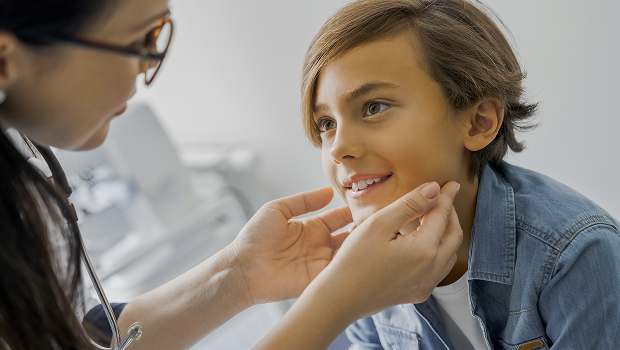
The need for intervention is determined individually after analyzing the images.
Indications for correction in children
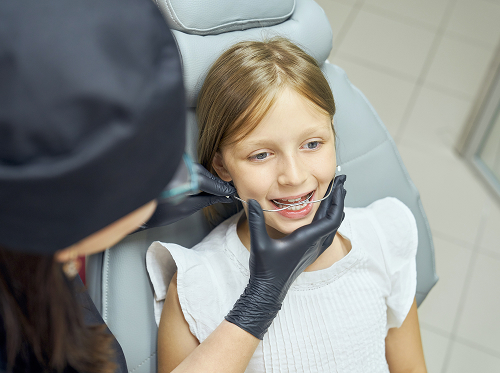
It's best to begin treating crossbite between 6 and 9 years of age. At this age, the problem can still be resolved without braces.
Indications for correction in adults
For adults, bite correction is necessary in preparation for prosthetics, in the presence of joint pain, or in cases of severe aesthetic dissatisfaction.
General information
Crossbite diagnosis
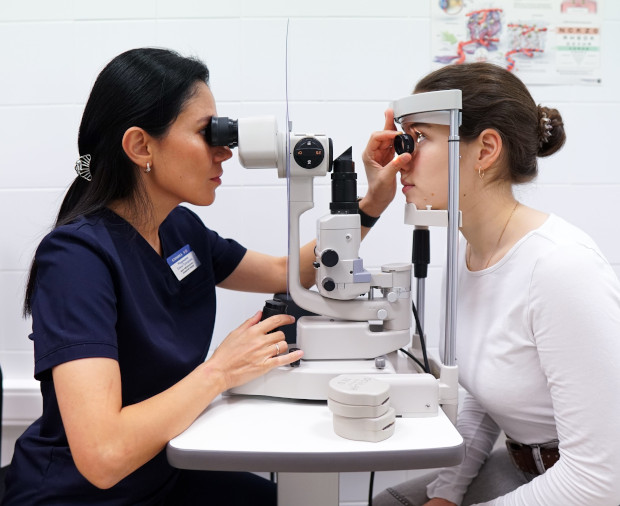
Accurate bite diagnosis is the key to a successful outcome. It is impossible to independently determine the type of pathology.
- Examination and analysis of dental occlusion. The doctor evaluates tooth contacts and jaw movement.
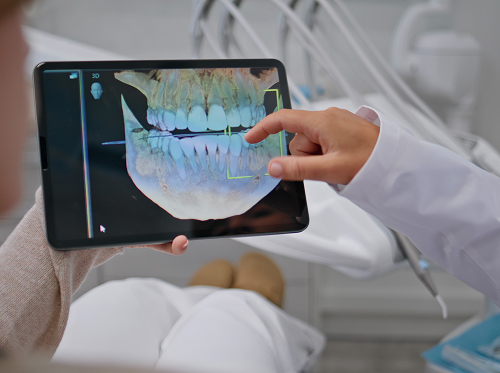
- Photographs, impressions, or 3D scanning are used. A digital model of the jaws is created. Modern dental scanning allows for the visualization of defects in three dimensions.
- X-ray diagnostics. An OPG or TRG is performed in lateral and frontal projections to assess skeletal parameters.
- Assessment of the condition of the teeth, jaws, and joints. A comprehensive approach rules out hidden pathologies.
- Ensure that your child does not suck their fingers or chew pencils.
- Providing timely treatment for ENT conditions to restore nasal breathing.
- Regular dental checkups from the moment the first teeth appear.
Frequently asked questions
Is it possible to correct crossbite in adults?
What are the dangers of leaving a crossbite untreated?
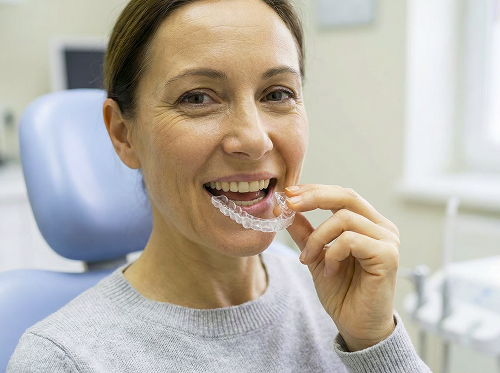
Is it possible to avoid braces?
This material has been reviewed by practicing orthodontists. This article is for informational purposes only. A consultation with a specialist is required for diagnosis and treatment selection.
Our doctors














































This award is given to clinics with the highest ratings according to user ratings, a large number of requests from this site, and in the absence of critical violations.

This award is given to clinics with the highest ratings according to user ratings. It means that the place is known, loved, and definitely worth visiting.

The ProDoctors portal collected 500 thousand reviews, compiled a rating of doctors based on them and awarded the best. We are proud that our doctors are among those awarded.
Make an appointment at a convenient time on the nearest date
Price

Appointment to the doctor
Reviews
Our clinics

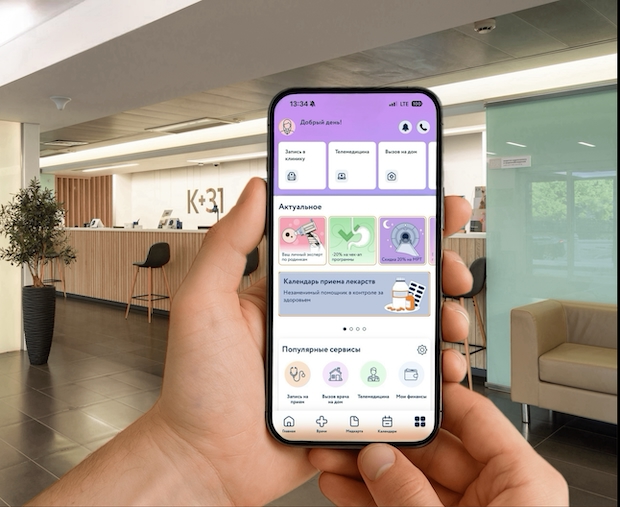
Application “Personal Account K+31”









What is a crossbite?
A crossbite is an occlusion anomaly. Normally, the upper jaw is slightly wider than the lower jaw, and its teeth overlap the lower jaw from the outside. In this condition, the opposite is true: the lower jaw is positioned above.
This type of malocclusion is often accompanied by a lateral displacement of the lower jaw.