
Hematoma in the mouth
A hematoma in the mouth is a mechanical injury to blood vessels, leading to a localized accumulation of blood under the thin epithelium. Treatment of a hematoma in the mouth always begins with an accurate determination of the cause of the injury.

specialists

equipment

treatment






Causes of hematoma in the mouth
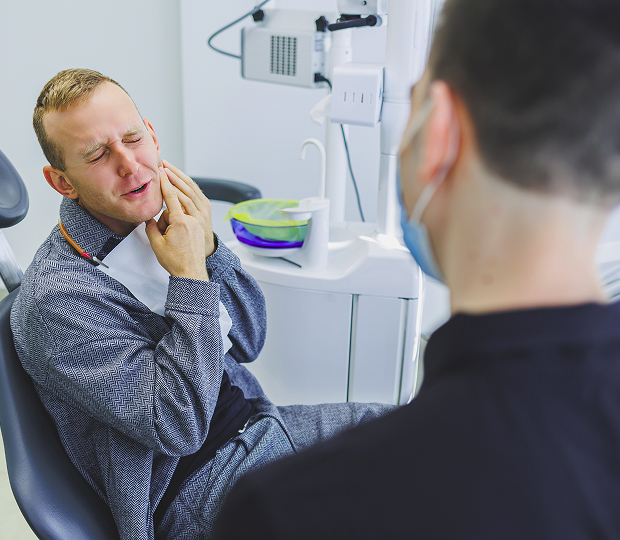
A thorough medical history helps determine the exact cause of a hematoma in the mouth. Doctors identify several key triggers that can damage capillaries.
Mucosa trauma: biting, hard food, burns
Mechanical trauma to the oral mucosa is the main cause of hemorrhage. A person chews food hastily. The teeth accidentally catch soft tissue. Small capillaries are immediately ruptured. If a patient bites their cheek, a hematoma can inflate within minutes.
After dental procedures and local anesthesia
Any medical procedure temporarily disrupts tissue integrity. Administering local anesthesia sometimes punctures the vascular wall with the needle, causing a hematoma to develop after the anesthesia. Complex surgical root extraction is also traumatic. A hematoma that occurs after a tooth extraction is considered a predictable reaction to surgery.

Taking medications that affect blood clotting
Heart medications alter blood viscosity. Regular use of anticoagulants inhibits platelet function. Small wounds remain open longer than usual. Even slight pressure can trigger severe bleeding into the mucous membrane.
Concomitant diseases and increased vascular fragility
Endocrine disorders and vitamin deficiencies make capillary walls incredibly fragile. Chronic clotting disorders and diabetes can trigger spontaneous bleeding. Recurring hematomas may occur, signaling internal systemic problems.
Where a hematoma can appear in the mouth
The location of the injury depends on the anatomical features of the jaw and the direction of the blow. Doctors record bruises in any area of the oral cavity.
Hematoma on the inside of the cheek
The chewing units are in very close contact with soft tissue. It is the inside of the cheek that is most often injured during hasty eating. A large hematoma on the cheek in the mouth constantly interferes with jaw closure, risking repeated pressure.
Hematoma on the gum
Hard toothbrushes, slipping toothpicks, and rough food scratch the tissues around the teeth. A dense hematoma on the gum often forms near the neck of the incisor or in the area of the interdental papilla. The painful gum becomes red and slightly swollen.
Hematoma on the palatum
Consuming scalding drinks and dry, hard foods scratches the upper fornix. A hematoma on the palate causes severe discomfort with each swallow. The hard palate has a rigid structure, so blisters here usually grow small.
Hematoma on the tongue
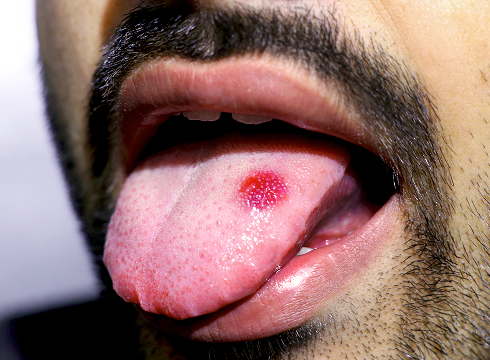
This muscular organ is richly supplied with blood vessels. Any accidental biting immediately causes a dark nodule to form. A large hematoma on the tongue causes severe pain, interferes with clear pronunciation, and is sensitive to salty or sour foods.
What does a hematoma look like and what are the possible symptoms?
The clinical picture depends entirely on the size of the hemorrhage. A small bruise in the mouth may go unnoticed for a long time.
Typical signs
A classic blood blister in the mouth has clear borders, a rounded shape, and a rich burgundy, purple, or almost black color. The surface of the lesion is smooth and shiny. When lightly pressed, the soft ball springs slightly.
Pain, swelling, discomfort when eating and talking
A fresh wound begins to throb sharply. Blood vessels become engorged with fluid. Localized swelling of the mucous membrane occurs. The damaged tissue rapidly expands in size. The person experiences severe discomfort. A simple attempt to chew food provokes a sharp reaction. Sharp pain occurs during conversation.
When symptoms may indicate a complication
The onset of a bacterial infection dramatically changes the course of the disease. Purulent inflammation begins, the pulsation intensifies, and the body temperature rises. Such a deterioration in health is urgent.

General information
When to see a doctor urgently
Most minor hemorrhages resolve without a trace. It's important to know the signs that indicate when urgent medical attention is absolutely necessary:
- The lesion is rapidly growing in size
- Unbearable pain has developed, interfering with sleep
- Massive swelling has developed, extending to the face
- Difficulty breathing, swallowing, or opening the jaw has become difficult
- The hematoma appeared spontaneously without trauma
- Similar episodes recur regularly
- There is bleeding that doesn't stop
Determining which doctor to see is quite simple. An examination is performed by an oral surgeon or a specialized therapist at the nearest clinic.
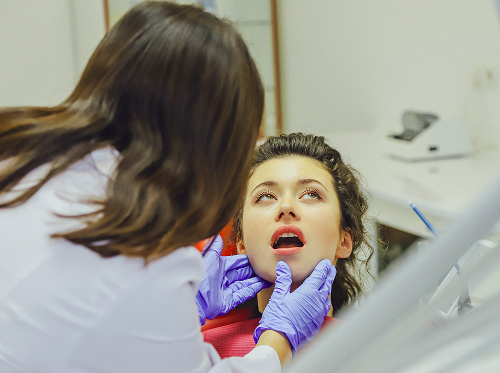
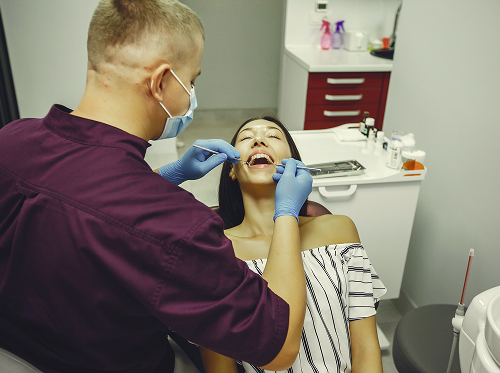
Preventing injuries is much easier than correcting the consequences. Proper injury prevention maintains absolute oral health.
FAQ
Why do hematomas appear in the mouth?
Can a hematoma in the mouth resolve on its own?
What should you do if a blood blister appears in your mouth?
When is a hematoma in the mouth dangerous?
Microtrauma of the oral cavity requires a watchful waiting approach. The patient uses gentle antiseptic rinses. The mucous membrane gradually recovers. Sometimes the clinical picture changes dramatically. Pain begins to increase. Pus appears within the lesion. Spontaneous relapses occur. The patient should immediately consult a doctor.
Note: The information in this article is for informational purposes only. For examination, diagnosis, and treatment, please consult a doctor at a clinic.
Our doctors


















































This award is given to clinics with the highest ratings according to user ratings, a large number of requests from this site, and in the absence of critical violations.

This award is given to clinics with the highest ratings according to user ratings. It means that the place is known, loved, and definitely worth visiting.

The ProDoctors portal collected 500 thousand reviews, compiled a rating of doctors based on them and awarded the best. We are proud that our doctors are among those awarded.
Make an appointment at a convenient time on the nearest date
Price

Appointment to the doctor
Reviews






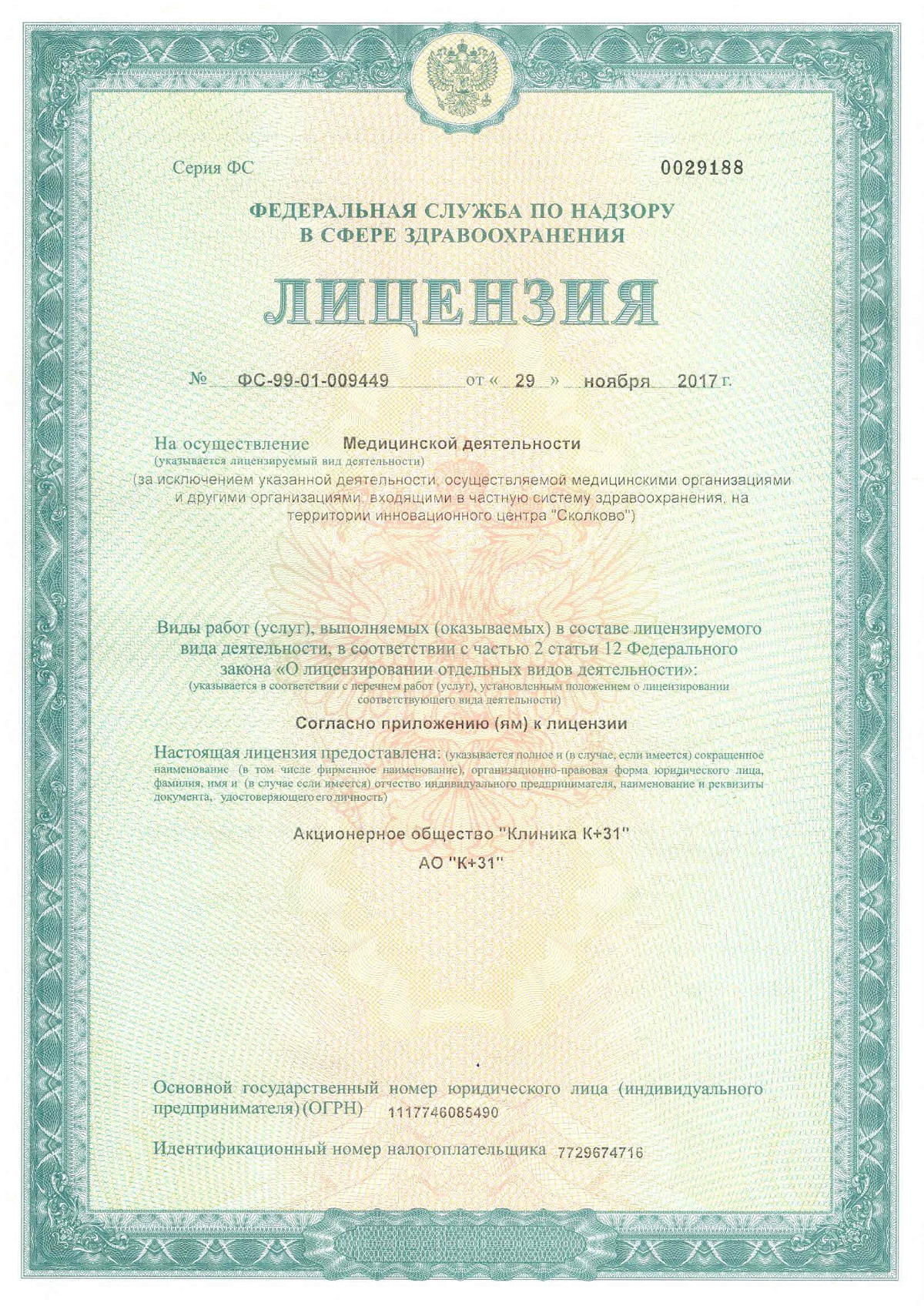
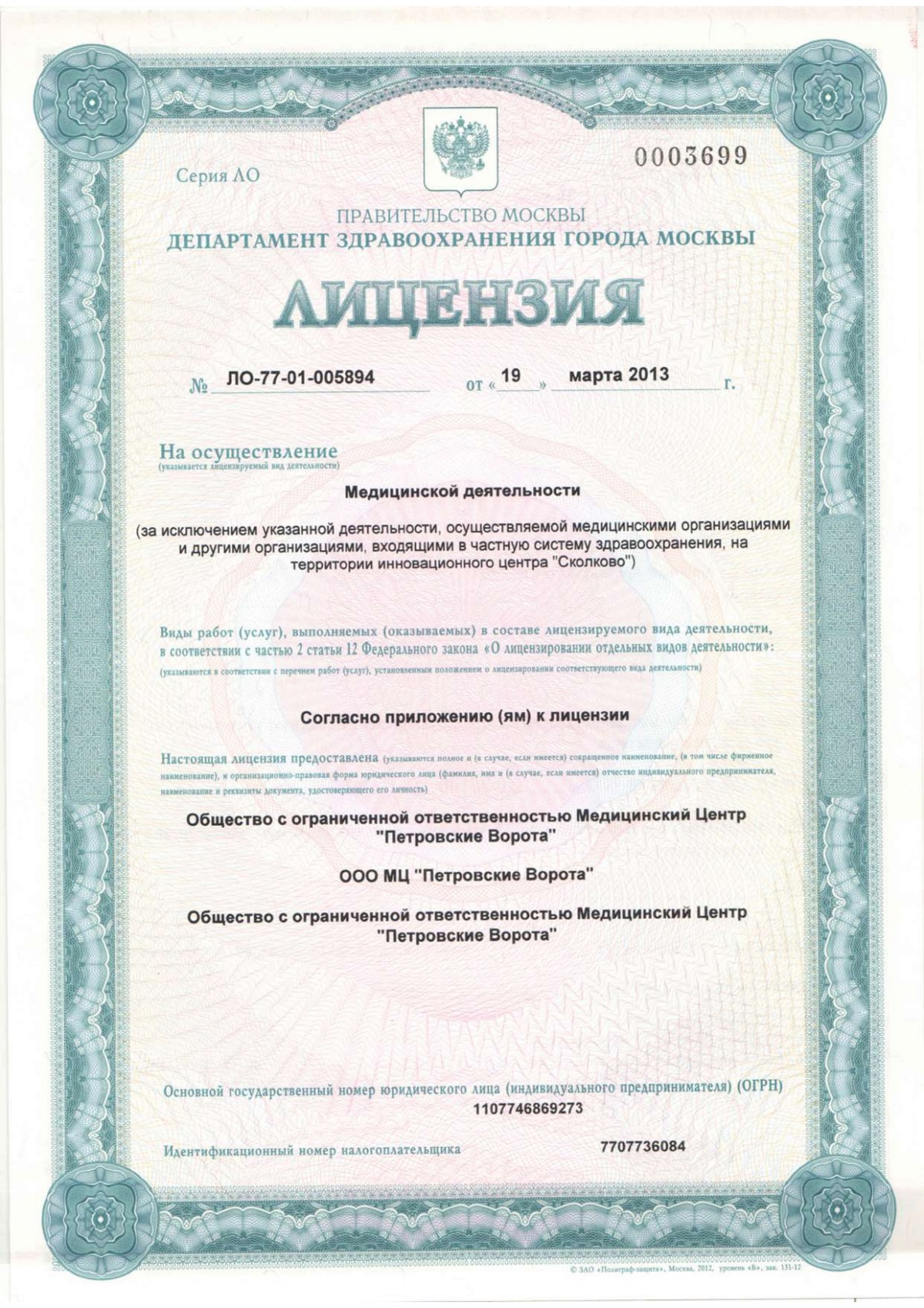
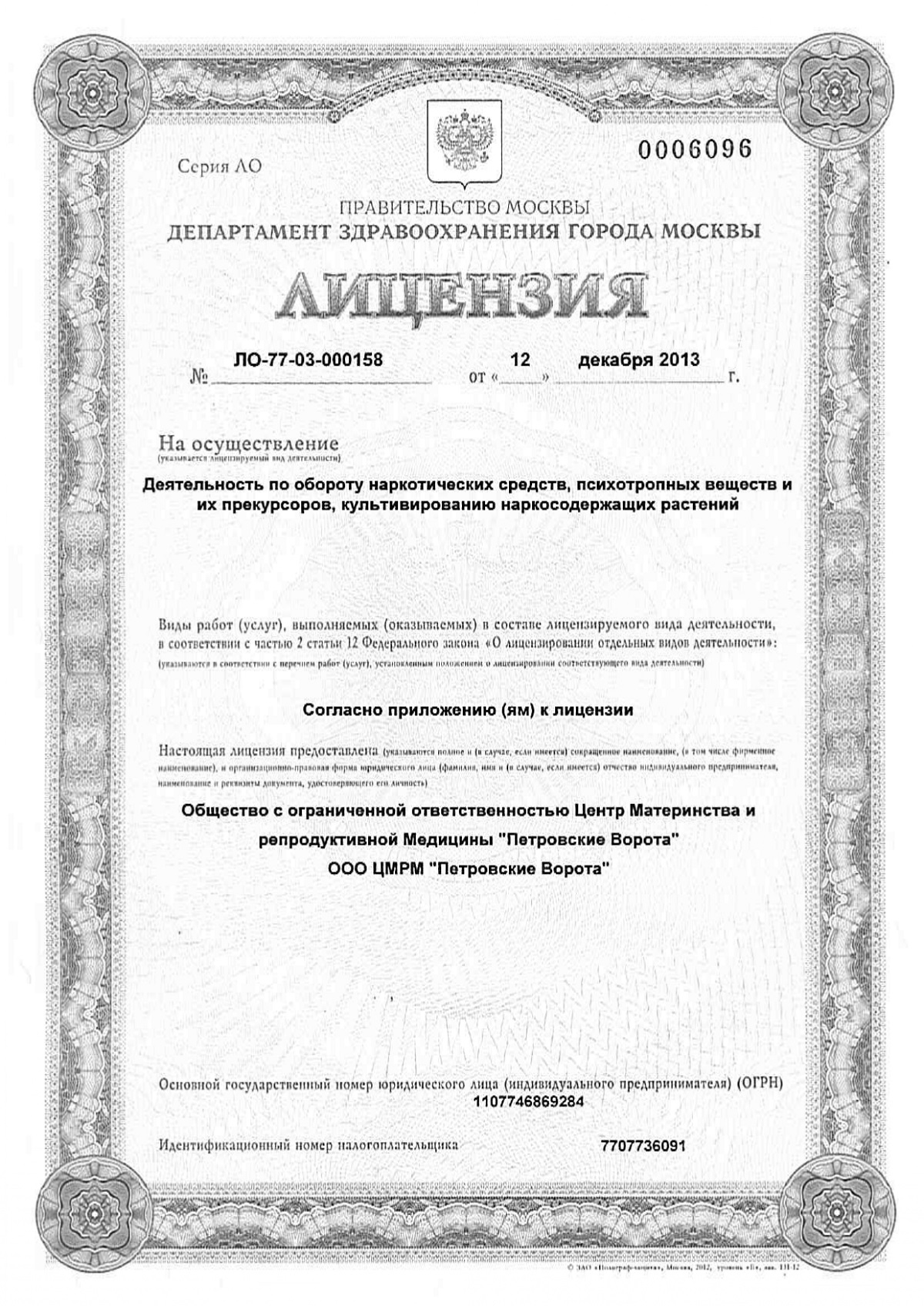
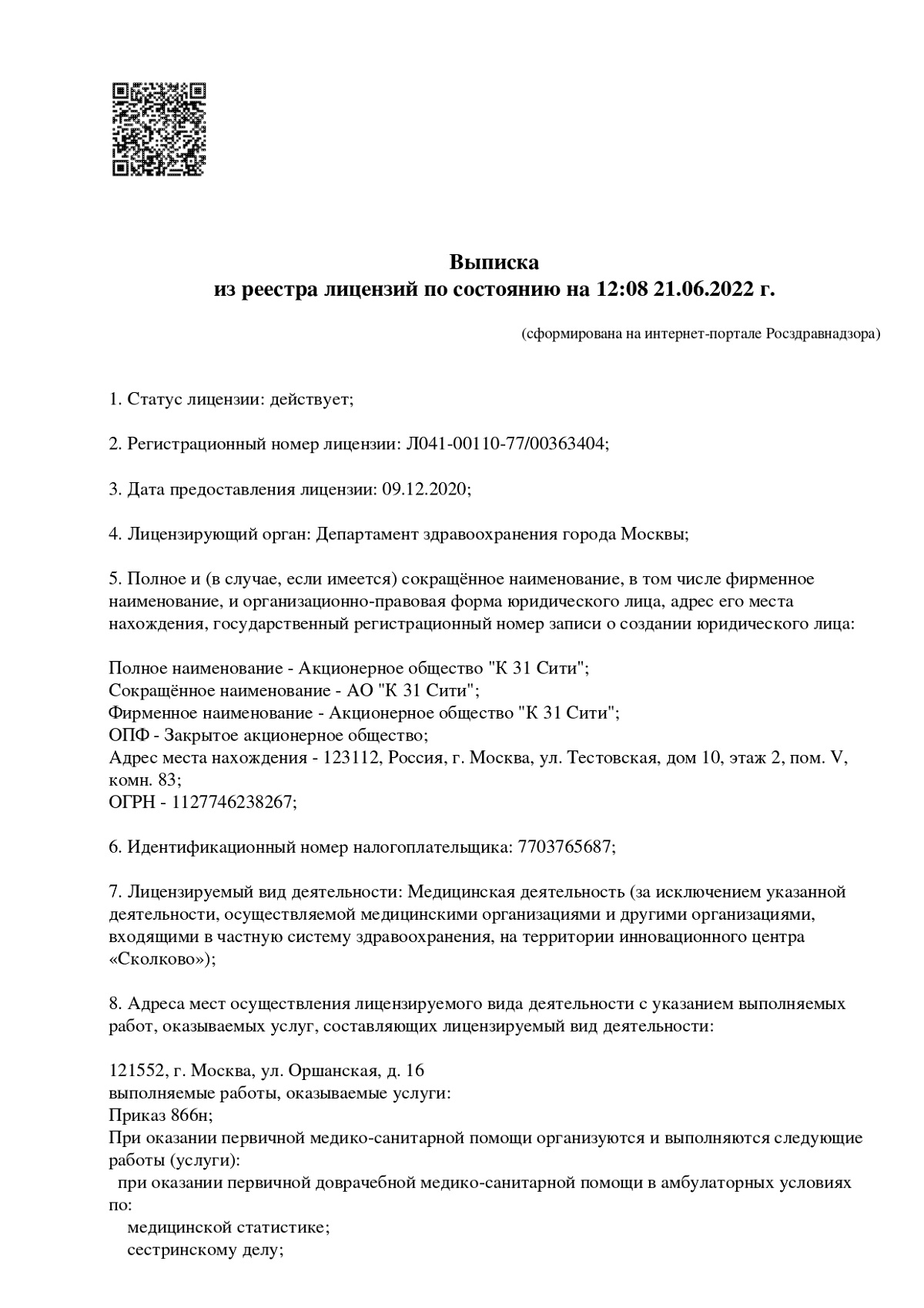
Our clinics


Application “Personal Account K+31”












What is a hematoma in the mouth?
This pathology is characterized by a submucosal hemorrhage, in which blood accumulates within the soft tissue. The mucosa begins to bulge, forming a dark-burgundy or bluish sac. A dense blood blister develops in the mouth.
The formation is visually distinguished from an ulcer or abscess by the complete absence of a light coating. The clotted blood is clearly visible through the thin membrane.