
Catarrhal stomatitis: symptoms, causes and treatment
Catarrhal stomatitis is an inflammation of the oral cavity, accompanied by the formation of deep ulcers or aphthae. It is most often the body's response to poor hygiene or local irritants.
Timely treatment of catarrhal stomatitis can quickly relieve pain.

specialists

equipment

treatment






Causes and risk factors

To effectively combat the condition, it's important to understand the underlying causes of catarrhal stomatitis. Doctors typically divide these into local causes, related directly to the oral health, and general causes, dependent on the overall health of the body.
Local causes: plaque, caries, mucosal trauma, dentures, braces
The most common cause of stomatitis is plaque and tartar, under which germs and bacteria accumulate.
The disease can also be caused by:
- Advanced caries and periodontitis
- Trauma to the mucous membrane from tooth edges or sharp fillings
- Poorly fitted removable dentures
- Braces, which make brushing difficult
Common factors: infections, decreased immune defense, deficiency states
Sometimes catarrhal stomatitis is only a symptom of another condition. It can be triggered by gastrointestinal diseases (gastritis, duodenitis), endocrine disorders, or helminthic infestations. Reduced immune defense after acute respiratory viral infections, as well as a deficiency of vitamins B, C, and iron, also make the mucous membrane vulnerable. In such cases, local treatment will only provide a temporary effect until the underlying problem is addressed.

Symptoms of catarrhal stomatitis
The clinical picture usually develops quickly. It is important to notice changes promptly so that antiseptic care can be started early.
Early signs
The first thing a person feels is mild discomfort, dryness, and a burning sensation in the mouth. The mucous membrane becomes sensitive to hot, sour, or salty foods. An unpleasant metallic taste appears. At this stage, ulcers are not yet visible.
What does catarrhal stomatitis look like?
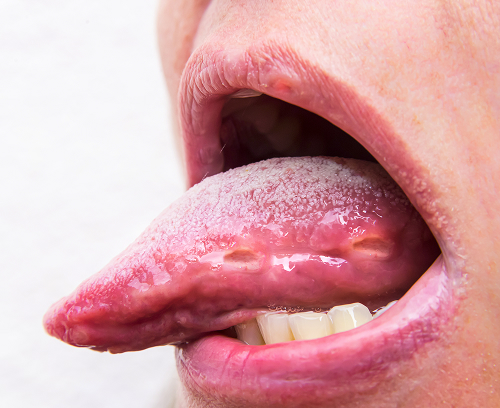
If you examine the oral cavity, you can see the characteristic redness of the mucous membrane. The tissues appear bright pink or red and shiny. Significant swelling of the mucous membrane is noticeable: teeth marks often remain on the inner cheeks and along the edges of the tongue. A yellow coating also appears on the tongue, and the gums begin to bleed.
Characteristics in adults and children
Catarrhal stomatitis in adults is often associated with bad habits (smoking, alcohol consumption) or occupational hazards. In this group of patients, the disease often becomes chronic with periodic exacerbations.
Catarrhal stomatitis in children is more acute. The child becomes cranky and refuses to eat, as severe pain occurs when eating. Excessive salivation and a fever occur.
How catarrhal stomatitis differs from other forms
To prescribe treatment, a doctor must make an accurate diagnosis. It is important not to confuse catarrhal inflammation with deeper lesions. The table below lists the main distinguishing features.
Catarrhal, aphthous, and ulcerative stomatitis: key differences
| Form | Main symptoms | Are there ulcers/aphthae? | Pain | Urgent examination |
|---|---|---|---|---|
| Catarrhal | Swelling, redness, plaque | None | Moderate | If there is no effect after 3 days |
| Aphthous | Rounded erosions with a white center | Yes (aphthae) | Severe | Required when the first aphtha appears |
| Ulcerative | Deep lesion, gray coating | Yes (ulcers) | Sharp | Immediately |
Differences from aphthous stomatitis
With the aphthous form, distinct, painful ulcers (aphthae) with a red border appear on the mucous membrane. With the catarrhal form, there are no such pinpoint lesions—the inflammation spreads to the gums, cheeks, and tongue.
Differences from ulcerative stomatitis
The ulcerative form is a severe condition, often an advanced stage of the catarrhal process. It is accompanied by necrosis of areas of the mucous membrane, high fever, and enlarged lymph nodes. The catarrhal form is much milder and does not cause tissue destruction.
When to see a doctor
Self-medication can be dangerous. There are certain markers that indicate that home rinses are not enough.
Symptoms that require a dental examination
A dental examination is necessary if:
- Pain interferes with eating and drinking
- Severe swelling develops, preventing you from speaking
- Gums begin bleeding
- Bad breath develops
- Symptoms persist for more than 4-5 days
For children, consult a doctor if the child refuses liquids and food.
General information
Diagnosis
First, the doctor conducts an examination and collects complaints. Diagnosing stomatitis is usually straightforward for an experienced doctor, as the clinical picture is quite specific.
Oral examination and collection of complaints
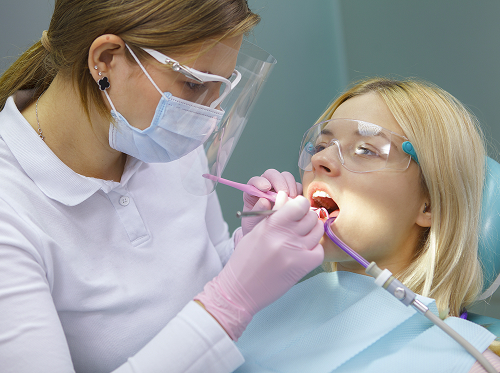
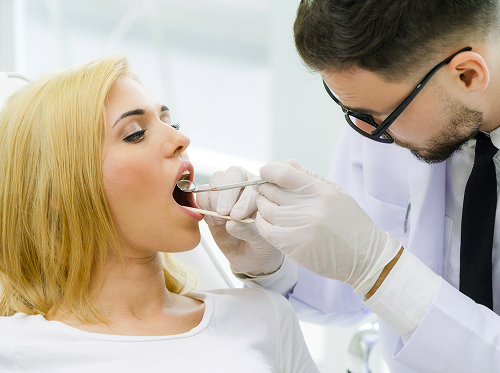
The dentist assesses the condition of the teeth, the presence of tartar, cavities, and old dentures. It is important to establish a connection between the onset of the disease and possible triggers (e.g., a change in toothpaste, medication, or injury).
When additional tests may be needed
If the inflammation recurs frequently (relapses), additional tests may be required: a complete blood count, a blood sugar test, and a mucosal swab to identify the causative agent. In some cases, the patient is referred to a gastroenterologist or endocrinologist.
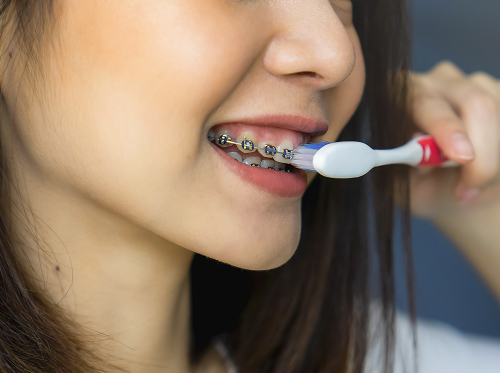
To prevent the mucosal inflammation from returning, it's important to follow basic rules. Stomatitis prevention primarily involves good oral hygiene.
FAQ
Is catarrhal stomatitis contagious?
Will regular baking soda help with treatment?
Can you smoke if you have stomatitis?
Catarrhal stomatitis is a signal that the oral cavity or the entire body needs help. If treatment is started promptly, the illness resolves within a few days.
Our doctors


















































This award is given to clinics with the highest ratings according to user ratings, a large number of requests from this site, and in the absence of critical violations.

This award is given to clinics with the highest ratings according to user ratings. It means that the place is known, loved, and definitely worth visiting.

The ProDoctors portal collected 500 thousand reviews, compiled a rating of doctors based on them and awarded the best. We are proud that our doctors are among those awarded.
Make an appointment at a convenient time on the nearest date
Price

Appointment to the doctor
Reviews





















Our clinics


Application “Personal Account K+31”












What is catarrhal stomatitis?
This condition is a superficial inflammation of the oral mucosa. Unlike aphthous or ulcerative stomatitis, the integrity of the epithelium is usually preserved in the catarrhal form. The upper layers of the mucosa are primarily affected, becoming extremely sensitive to any external stimuli: eating, brushing teeth, or even simply talking.
If stomatitis is not treated promptly, a secondary infection may develop, which cannot be cured without antibiotics.