Adentia: Partial and Complete

Missing teeth are a problem that reduces self-esteem and quality of life. They can cause stomach problems, impaired speech, and facial contour changes.

In dentistry, this condition is called adentia. Timely restoration of the dentition prevents tissue atrophy and preserves the health of adjacent teeth.

Best specialists
Best
specialists
Expert equipment
Expert
equipment
Advanced diagnostic treatment
Advanced diagnostic
treatment
Sign up
Fill out the entry form on the page and we will call you back
Sign up Позвонить
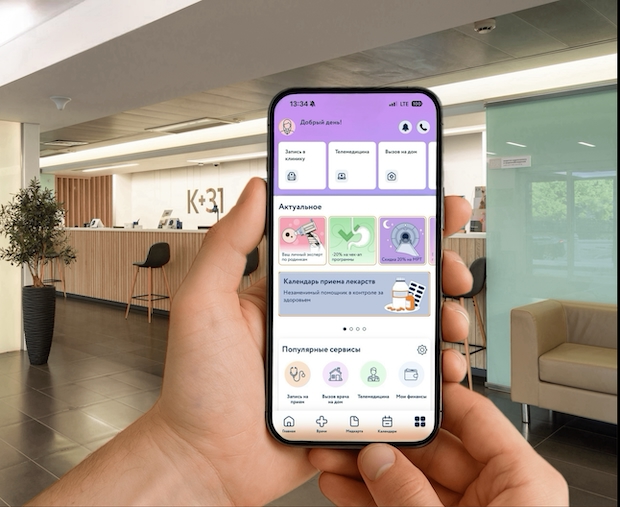
Download the application “Personal Account K+31”
Everything about your health in one click!
Subscribe to social networks K+31
To keep up to date with current offers and receive useful advice about your health.
What is adentia?

What is adentia?

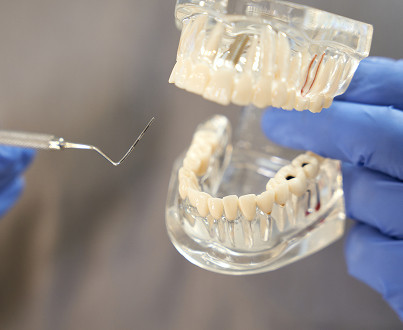
Adentia is the complete or partial absence of dental elements. It can be congenital (the teeth have not yet formed) or acquired—due to trauma, caries, or periodontal disease.

The main problem with this condition is that even the loss of one tooth causes the chewing force to be distributed unevenly, triggering bone loss.

Types of edentia

The classification of the disease is based on the number of missing teeth and the time of onset of the pathology.

Partial edentia

Partial edentia is the absence of one or more teeth in a row. The natural supporting teeth remain on the jaw. This condition often leads to malocclusion, as adjacent teeth begin to lean toward the defect.

Complete edentia

Complete edentia is the complete absence of teeth on one or both jaws. This condition significantly reduces quality of life: a person cannot properly chew hard food, articulation is impaired, and facial features undergo changes due to recession of the lips and cheeks.

Primary and secondary edentia

Primary (congenital) edentia is the absence of tooth rudiments. It's rare and most often caused by a genetic disorder or intrauterine developmental issues.

Secondary (acquired) adentia is the loss of teeth that have already erupted. It's most often associated with trauma and untimely treatment of dental caries or periodontal disease.

Types of edentia

Symptoms and consequences of missing teeth
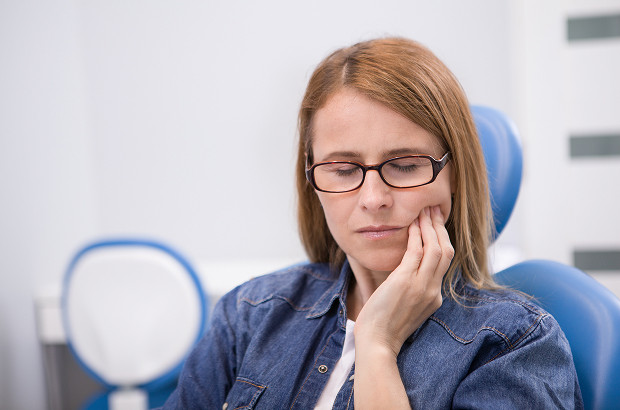
Adentia manifests itself not only as a visual gap in a smile. It is a complex degradation of the dental system.

Mastication and diction impairment

Missing teeth makes it impossible to properly grind food, which leads to gastrointestinal diseases. Furthermore, teeth are involved in the formation of sounds. Their loss leads to a lisp and slurred speech.

Teeth displacement and bite changes

When a vacant space appears in a row, adjacent teeth lose their support and begin to shift, trying to fill the void. This causes malocclusion, the development of interdental spaces (tremas), and increased wear on the remaining teeth.
Bone Atrophy and Aesthetic Changes

The jawbone relies on chewing. As soon as the load is removed, bone atrophy begins. The alveolar ridge shrinks, leading to an "aged" facial appearance: the corners of the mouth droop, the chin protrudes, and deep wrinkles appear.

Signs that indicate you should see a dentist:

  • One or more teeth are missing
  • Difficulty chewing food
  • Pronunciation of certain sounds has changed
  • Neighboring teeth have begun to shift
  • Facial shape or bite has changed
  • Prosthesis is no longer fitting properly
Causes of Adentia

Causes of Adentia

There are many causes of the disease. A dentist makes a diagnosis, and only they can determine the cause of tooth loss.

Congenital Causes

Congenital tooth loss is almost 100% due to heredity, endocrine, and viral diseases of the mother during pregnancy.

Acquired Causes

The main cause of secondary tooth loss is advanced dental caries and its complications (pulpitis, periodontitis). Gum disease, periodontitis, which destroys the ligaments that hold the tooth in its socket, is the second most common cause. Mechanical jaw injuries and unsuccessful surgical interventions also lead to tooth loss.

Risk Factors

  • Diabetes, osteoporosis
  • Incorrect or infrequent brushing of teeth
  • Smoking (impairs blood supply to the gums)
  • Age and poor nutrition
  • Visiting the dentist less than twice a year
General information

Diagnosing Adentia

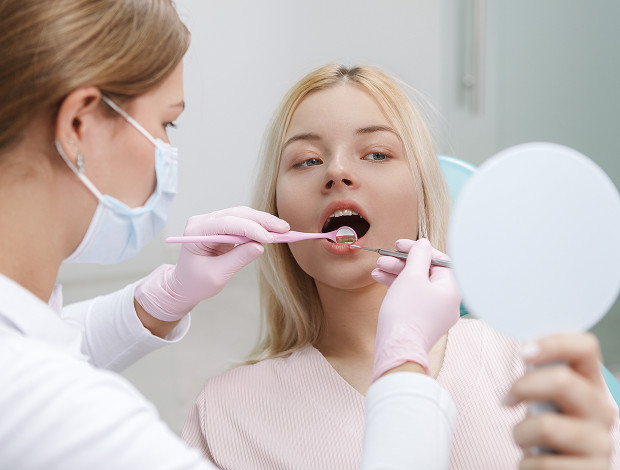
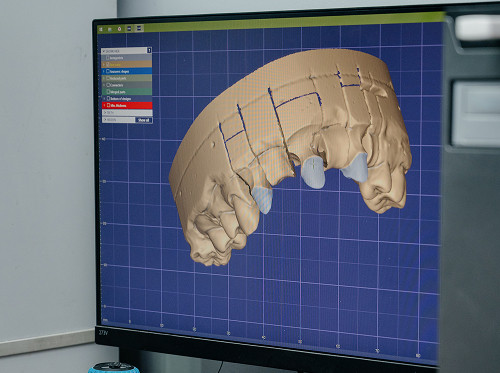
Before starting treatment for adentia, a comprehensive examination is performed.

Examination and Medical History

The dentist assesses the number of remaining teeth, the condition of the mucous membrane, and the overall level of hygiene. The causes of tooth loss and the presence of systemic diseases are determined.

X-rays and CT scans

Computer tomography (CT) is used to assess the condition of the jaw. It allows for the detection of hidden inflammatory processes, the position of the roots, and, most importantly, bone density and volume.

Assessment of the bite, gum condition, and bone volume

The specialist analyzes how the jaws close and whether there is enough space for the placement of a prosthesis or implant. In some cases, bone grafting may be necessary.
Diagnosing Adentia

Treatment of Partial Adentia

With at least a few strong teeth remaining, restoration options expand.

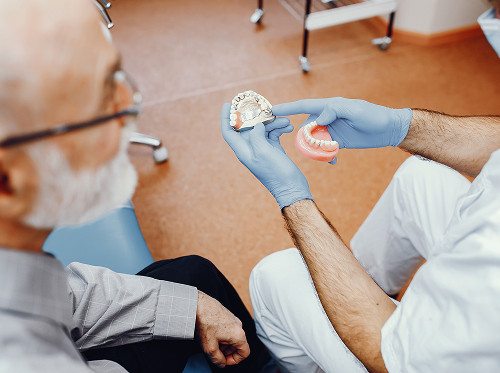
Removable Dentures

These include clasp dentures or acrylic butterfly dentures. They are supported by the gums and adjacent teeth using clasps. This is a budget-friendly option, but it does not stop bone loss.

Fixed Dentures

Typically, a bridge is installed in such cases. This is a structure that is attached to adjacent healthy teeth. To use them as support, the dentist must grind them down. This option works well if one or two consecutive teeth are missing.

Implantation

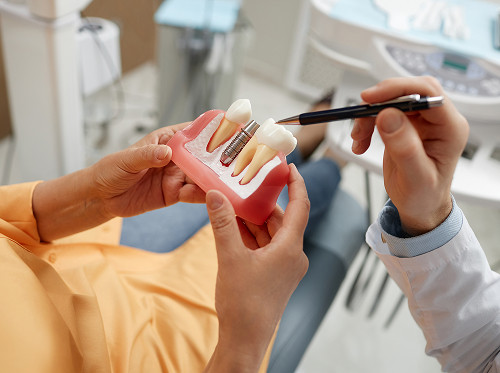
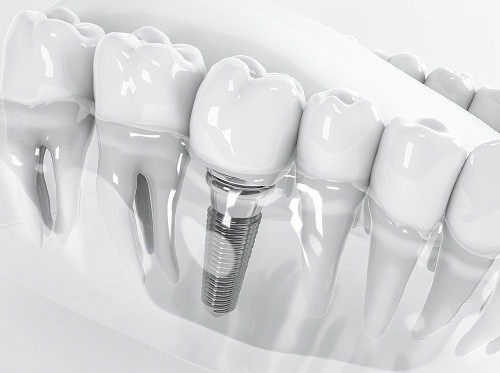
Implantation is considered the "gold standard" for edentulous patients. A titanium root is implanted into the bone, completely replacing the natural tooth. This way, you can keep the adjacent teeth healthy and reduce the load on the bone.

Treatment of Partial Adentia

Treatment of Complete Edentulism

When there are no teeth at all, the task becomes more complicated, but modern dentistry offers several solutions.

Complete Removable Dentures

Traditional "dentures." They are held in place by suction. This is the most economical option, but many complain of poor retention and pain during the initial stages of wear.

Implant-Supported Removable Dentures

Two to four implants are implanted into the jaw, onto which the denture snaps. It is held in place by special clasps and does not fall out while eating or talking. You can remove it yourself for cleaning, and the rest of the time it will remain securely fixed in your mouth.

Fixed Restoration of a Full Denture

The All-on-4 or All-on-6 methods allow you to restore an entire row of teeth using 4 or 6 implants. A fixed bridge is installed on them. This is as close as possible to the feeling of your own teeth.

Comparison of restoration methods for edentulous patients

Method For which type of edentulous patient is it suitable? Advantages Limitations Adaptation features
Removable structures Partial and complete edentulous patients Low cost, quick manufacturing, minimal contraindications Do not stop bone atrophy, may rub gums, require gel fixation Long-lasting (up to 1.5–2 months), Temporary speech impairment is possible.
Fixed prosthetics Partial edentia High aesthetics, reliable fixation, adaptation within a few days. Neighboring abutment teeth must be ground down for crowns. Fast (3–7 days), discomfort disappears almost immediately.
Implantation Partial and complete edentia Completely stops bone atrophy, does not affect adjacent teeth, lifelong service life. Surgical contraindications, high cost, bone volume requirements. Individually determined (from a couple of days to a week), after healing. Feels like your own teeth
Removable denture Completely edentulous Reliable fixation compared to a removable denture, more affordable than a full fixed bridge Requires surgical placement of 2-4 implants Moderate (2-3 weeks), significantly easier than with conventional removable dentures
Treatment of Complete Edentulism

Treatment Stages

Dental restoration is a sequential process. Here are its stages:

  1. Oral preparation. Professional cleaning, treatment of decay and gum disease in remaining teeth, removal of non-viable roots.
  2. Surgical and orthopedic stage. Placement of implants or taking impressions for the fabrication of dentures. In the case of implants, a period of osseointegration (healing) may be required.
  3. Adaptation and follow-up examinations. The doctor adjusts the structure to prevent rubbing and ensure a proper bite.
Treatment Stages

Indications and Contraindications for Dental Restoration

The primary indication is partial or complete tooth loss leading to functional impairment. Contraindications include decompensated diabetes mellitus, bleeding disorders, acute cancer, and acute mental disorders. In each case, the dental surgeon and orthodontist assess the risks individually.
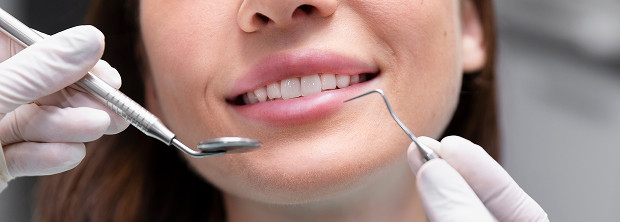
Post-Treatment Care and Adaptation

Any orthopedic device requires care. Removable dentures need to be rinsed, and implants should be cleaned as thoroughly as your own teeth, using an irrigator. Adaptation to the denture can take anywhere from a few days to months.
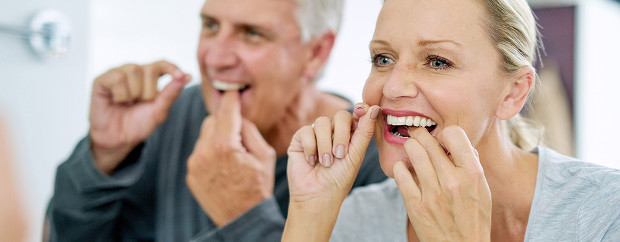
Preventing Edentulism

Preventing dental defects is easier than treating them. Visit your dentist every six months, treat cavities promptly, and floss after meals. Even if you lose just one tooth, dental prosthetics should be performed as soon as possible to prevent bone loss.

Frequently Asked Questions

This material was prepared with the assistance of specialized specialists: a dental surgeon, an orthopedist, and an implantologist. This text is for informational purposes only and does not constitute direct medical advice. A doctor's consultation is required.

Can implants be placed if teeth have been missing for a long time?

Yes, but if teeth have been missing for a long time, bone grafting may be necessary.

Which is better: a removable denture or implants for edentulous patients?

Implants are better, but they are an expensive procedure. Therefore, the choice should be based on the indications and budget.

Are bridges harmful?

They are effective, but they require grinding down healthy teeth to support them, which is their main drawback.

Our doctors
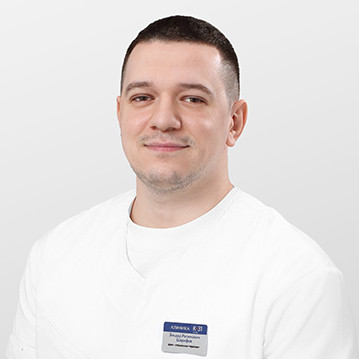
Shcherbakova Valentina Frantsevna
Experience 31 year
Make an appointment
Shcherbakova
Valentina Frantsevna
Head of the Department of Dentistry, dentist
Cherkasov Alexei Andreevich
Experience 19 years
Make an appointment
Cherkasov
Alexei Andreevich
Dentist-surgeon, implantologist, therapist
Bogdashin Sergey Vladislavovich
Experience 26 years
Make an appointment
Bogdashin
Sergey Vladislavovich
Orthopedic dentist
Artyomov Yanislav Alexandrovich
Experience 13 years
Make an appointment
Artyomov
Yanislav Alexandrovich
Dentist therapist
Ivashkevich Sergei Georgievich
Experience 31 year
Make an appointment
Ivashkevich
Sergei Georgievich
Dentist-surgeon, implantologist
Podshekoldina Elena Nikolaevna
Experience 17 years
Make an appointment
Podshekoldina
Elena Nikolaevna
Dentist Therapist
Matevosyan David Aramovich
Experience 12 years
Make an appointment
Matevosyan
David Aramovich
Dentist orthopedist
Samartseva Natalya Victorovna
Experience 20 years
Make an appointment
Samartseva
Natalya Victorovna
Dentist-surgeon, implantologist, therapist
Eloev Arthur Tamerlanovich
Experience 14 years
Make an appointment
Eloev
Arthur Tamerlanovich
Dentist surgeon
Vataev Vladislav Olegovych
Experience 17 years
Make an appointment
Vataev
Vladislav Olegovych
Dentist orthopedist
Pivovarova Natalya Sergeevna
Experience 7 years
Make an appointment
Pivovarova
Natalya Sergeevna
Dentist, hygienist
Bagaev Omar Makhachevich
Experience 20 years
Make an appointment
Bagaev
Omar Makhachevich
Dentist-therapist, pediatric
Zakharyan Georgy Karenovich
Experience 17 years
Make an appointment
Zakharyan
Georgy Karenovich
Dentist-surgeon
Kuznetsova Larisa Nikolaevna
Experience 29 years
Make an appointment
Kuznetsova
Larisa Nikolaevna
Hygienist
Sukhareva Darima Tsyrenovna
Experience 11 years
Make an appointment
Sukhareva
Darima Tsyrenovna
Dentist therapist
Grigoryeva Regina Bogdanovna
Experience 24 years
Make an appointment
Grigoryeva
Regina Bogdanovna
Dentist-therapist, endodontist
Melkumyan Ivan Mikhailovich
Experience 6 years
Make an appointment
Melkumyan
Ivan Mikhailovich
Dentist-surgeon
Golubev Vitaly Viktorovich
Experience 24 years
Make an appointment
Golubev
Vitaly Viktorovich
Dentist-orthodontist
Pavliy Yulia Vitalievna
Experience 15 years
Make an appointment
Pavliy
Yulia Vitalievna
Dentist-therapist
Najaryan Liana Artyomovna
Experience 6 years
Make an appointment
Najaryan
Liana Artyomovna
Dentist-surgeon, implantologist
Sharifov Eldar Rasimovich
Experience 7 years
Make an appointment
Sharifov
Eldar Rasimovich
Dentist-therapist
Sanikidze Nino Nugzarovna
Experience 14 years
Make an appointment
Sanikidze
Nino Nugzarovna
Dentist Orthodontist
Ibragimova Olesya Kayinbekovna
Experience 18 years
Make an appointment
Ibragimova
Olesya Kayinbekovna
Dentist-therapist, microscopist
Sahakyan Arpine Argishtovna
Experience 9 years
Make an appointment
Sahakyan
Arpine Argishtovna
Dentist, pediatric dentist
Geraskina Inna Igorevna
Experience 11 years
Make an appointment
Geraskina
Inna Igorevna
Orthodontist
Nikolaeva Irina Yuryevna
Experience 31 year
Make an appointment
Nikolaeva
Irina Yuryevna
Dentist surgeon, periodontist
Avdeeva (Sokolova) Anastasia Eduardovna
Experience 12 years
Make an appointment
Avdeeva (Sokolova)
Anastasia Eduardovna
Dentist, pediatric
Shapran Sergey Olegovich
Experience 10 years
Make an appointment
Shapran
Sergey Olegovich
Dentist-surgeon
Lebedeva Natalia Mikhailovna
Experience 6 years
Make an appointment
Lebedeva
Natalia Mikhailovna
Orthodontist
Ozerova Elena Valerievna
Experience 24 years
Make an appointment
Ozerova
Elena Valerievna
Dentist
Lebedeva
Taisia Mikhailovna
Dentist-therapist, pediatric dentist
Gulyutkin Alexander Mikhailovich
Experience 6 years
Make an appointment
Gulyutkin
Alexander Mikhailovich
Dentist-therapist
Mitroshenkov Pavel Nikolaevich
Experience 41 year
Make an appointment
Mitroshenkov
Pavel Nikolaevich
Maxillofacial surgeon
Dergunova Anna Olegovna
Experience 11 years
Make an appointment
Dergunova
Anna Olegovna
Dentist-therapist
Pavlovskaya Evgeniya Olegovna
Experience 13 years
Make an appointment
Pavlovskaya
Evgeniya Olegovna
Dentist-orthopedist, dentist-therapist
Khachatryan Ripsime Grigorievna
Experience 8 years
Make an appointment
Khachatryan
Ripsime Grigorievna
Dentist-therapist
Zakharova Ksenia Sergeevna
Experience 8 years
Make an appointment
Zakharova
Ksenia Sergeevna
Dental surgeon, periodontist
Zhigulina Yulia Olegovna
Experience 10 years
Make an appointment
Zhigulina
Yulia Olegovna
Dentist
Aylarova Zarina Vladimirovna
Experience 11 years
Make an appointment
Aylarova
Zarina Vladimirovna
Dentist-therapist
Marchenko Ekaterina Andreevna
Experience 4 years
Make an appointment
Marchenko
Ekaterina Andreevna
Dental assistant
Dyachkova Inna Vladimirovna
Experience 9 years
Make an appointment
Dyachkova
Inna Vladimirovna
Orthodontist
All specialists
2GIS Award
2GIS Award

This award is given to clinics with the highest ratings according to user ratings, a large number of requests from this site, and in the absence of critical violations.

«Good place» according to Yandex

This award is given to clinics with the highest ratings according to user ratings. It means that the place is known, loved, and definitely worth visiting.

Our doctors are laureates of the ProDoctors Award

The ProDoctors portal collected 500 thousand reviews, compiled a rating of doctors based on them and awarded the best. We are proud that our doctors are among those awarded.
Make an appointment at a convenient time on the nearest date

Price

Reception
Price
Primary appointment with a dentist-therapist
from 5 800 ₽
Repeated appointment with a dentist-therapist
from 4 950 ₽

Appointment to the doctor

Fill out the form, our managers will contact you within 15 minutes

Reviews

Thank you Natalia for your attention and care. If you go to the dentist, then only to her.
16.04.2026
Georgiy Y.
My favorite dentist. The treatment is at the highest level.
13.04.2026
Viktoriya F.
A very nice, neat and attentive doctor.Jewelry work.It was completely painless, fast and as comfortable as possible at the reception.Thanks to Artur Tamerlanovich!
05.04.2026
Yuliya P.
An excellent specialist, very sensitive and attentive. He's doing a great job.
03.04.2026
Gleb V.
An attentive and careful doctor.
01.04.2026
Darya G.
Very attentive, professional. He does it well.
01.04.2026
Yuliya I.
Everything is perfect! I've already recommended the doctor to several of my friends! I will definitely come again!
31.03.2026
Anastasiya B.
I would like to express my gratitude to Ivan Mikhailovich for the operations and bandages performed, as well as to the assistants Natalia, Nadezhda, Victoria. Thank you for your support, professionalism and kindness!
29.03.2026
Darya T.
Yanislav Alexandrovich, I would like to thank you very much for the proven procedure! You are the best doctor! Thank you very much!The best recommendations for all patients!
29.03.2026
Tatyana A.
Thanks to Alexander Mikhailovich and assistant Anna for the work done! There was a hygienic tooth cleaning. The procedure was performed efficiently, cleanly and painlessly!
28.03.2026
Nargiza I.
Почему К+31?
К + 31 — full-cycle multidisciplinary medical centers, including the possibility of providing medical services of European quality level.
К + 31 — are leading doctors and diagnostics using high-tech equipment from world manufacturers (Karl Storz, Olympus, Siemens, Toshiba, Bausch&Lomb, Technolas, Zeiss, Topcon).
К + 31 — is ethical. The staff of K+31 clinics maintain open relationships with patients and partners. An individual approach to each patient is the basis of our service standards.
К + 31 — is modernity. On call 24/7: call center operators will answer your questions at any time and book you an appointment with doctors. Contact us by phone, through the feedback form on the website and Max.
Our clinics

Address K+31 on Lobachevskogo

st. Lobachevskogo, 42/4

Contacts

+7 499 999-31-31

Opening hours
Mon-Fri: 08:00 – 21:00
Weekend: 09:00 – 19:00

How to get there

  • Метро: Проспект Вернадского (1)(11)
  • Автомобиль: Двигаясь по ул. Лобачевского, проезжаем первый шлагбаум (пост охраны ГКБ № 31), поворачиваем направо у второго шлагбаума (пост охраны К+31)

Address K+31 Petrovskie Vorota
1st Kolobovsky pereulok, 4

Contacts

+7 499 999-31-31

Opening hours

Mon-Fri: 08:00 – 21:00
Sat-Sun: 09:00 – 19:00

How to get there

  • Метро: Цветной Бульвар (9), Трубная (10)
  • Автомобиль: По Петровскому бульвару, поворот на ул. Петровка, затем на 1-й Колобовский пер. Муниципальная парковка.

Address K+31 West

Orshanskaya, 16/2; Ak. Pavlova, 22

Contacts

+7 499 999-31-31

Opening hours

Mon-Fri: 08:00 – 21:00
Sat-Sun: 09:00 – 18:00

How to get there

  • Метро: Молодежная (3)
  • Автомобиль: Двигаясь по улице Оршанская, поворачиваем к шлагбауму с постом охраны К+31.
Петровские ворота
Didn't find the service you were looking for?

Экстренная помощь