
Dental Fluorosis Treatment
The aesthetics of a smile largely depend on the condition of tooth enamel. However, sometimes specific stains appear on teeth that do not respond to regular cleaning and are not considered caries. One of the most common non-carious enamel lesions is dental fluorosis. This condition requires a professional approach, as correction methods depend on the depth of the lesion and the type of disease. In this article, we will discuss how fluorosis is treated, why it occurs, and which modern techniques can restore teeth to a natural appearance.

specialists

equipment

treatment






When is fluorosis treatment required?
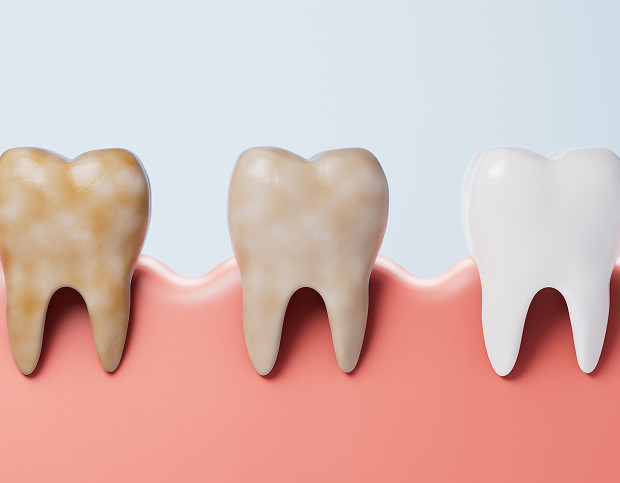
Treating fluorosis is necessary not only for aesthetic reasons, but also because the tooth can simply decay. Since dental fluorosis compromises the density of the enamel, affected areas become more vulnerable to mechanical damage and aggressive bacterial attack.
Main Symptoms
Signs of the disease usually appear immediately after the eruption of permanent teeth (less commonly, in baby teeth). The main symptoms of fluorosis include:
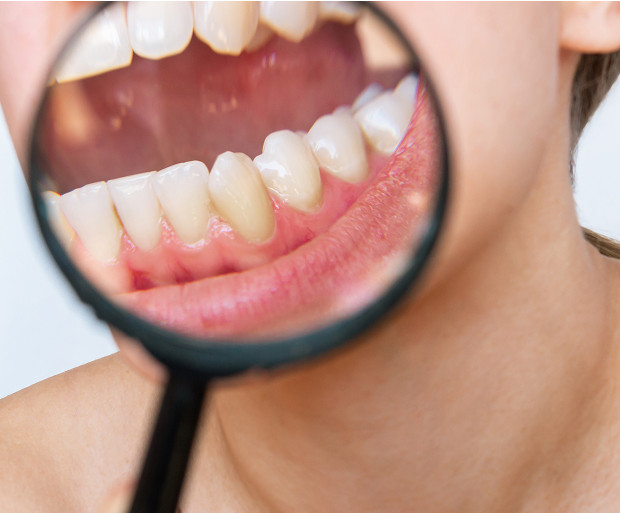
- The appearance of symmetrical white spots or stripes (streaks) on the enamel
- Tooth discoloration to yellow or dark brown
- Loss of enamel shine, acquiring a matte, "chalky" tint
- Increased abrasion of hard tissues
- The appearance of pits (erosions) or chips on the tooth surface
Forms and Degrees of Fluorosis
Dentists distinguish several forms of the disease, which directly influence treatment decisions:
- Striped. White streaks appear that can only be seen during a routine examination. This is the mildest form.
- Mottled. White spots appear on the teeth that can be noticed independently.
- Chalky-speckled. The enamel becomes matte, and clearly defined pigmented spots (from yellow to dark brown) appear.
- Erosive. Deep defects—erosions—form against a background of pigmentation, and rapid tissue wear occurs.
- Destructive. The most severe form, in which tooth tissue is destroyed, which can lead to crown fracture.
Diagnosing Fluorosis
Before treating dental fluorosis, the dentist must conduct a diagnosis to rule out other problems and diseases.
Examination and assessment of enamel condition
First, the dentist examines the teeth. They assess the symmetry of the lesion: fluorosis is characterized by simultaneous damage to the teeth on both the right and left sides.
How does fluorosis differ from caries and enamel hypoplasia?
- Caries. Typically localized in fissures or cervical areas, caries spots are often solitary and asymmetrical.
- Hypoplasia. This is also a congenital defect, but the spots are usually larger, smoother, and develop during fetal development or in the first months of life.
- Fluorosis. Affects several teeth at once; the spots are multiple and spread across the entire surface of the crown.
Consult a specialist if:
- White or pigmented spots appear on your teeth.
- Enamel appears matte or uneven.
- Grooves, roughness, or chips are visible.
- Discoloration of the front teeth.
- Stains do not disappear after professional cleaning.
Treatment methods for dental fluorosis
Remineralizing Therapy
This method is effective for mild forms of tooth decay (striated and spotted). The procedure aims to saturate the enamel with minerals—calcium, phosphorus, and magnesium. Enamel remineralization strengthens the tooth structure and makes stains less noticeable by restoring the tissue's optical density.
Enamel Microabrasion and Infiltration
Enamel microabrasion is a polishing procedure. The dentist removes the pigmented layer and coats the tooth with protective compounds. This method only works on shallow stains.
If this method fails, infiltration is performed—a special solution is injected into the pores of the tooth.
Whitening as indicated
Professional whitening can only be prescribed in the absence of erosion and destructive changes. Whitening can even out the tone of teeth. However, the procedure must be performed by a doctor: failure to follow the instructions can increase tooth sensitivity.
Artistic restoration, veneers, crowns
For severe defects, conservative treatments won't help. The doctor will offer the following treatment options: composite restoration, veneers, and crowns.
Comparison of Fluorosis Treatment Methods
| Method | When used | What it provides | Limitations |
|---|---|---|---|
| Remineralization | For initial enamel changes | Strengthening enamel, reducing the severity of stains | The effect is limited for deep defects |
| Microabrasion | For superficial stains | Smoothing the outer layer of enamel | Not suitable for all patients |
| Whitening | As indicated after diagnosis | Brightening the overall tone of teeth | May not solve the problem in cases of severe fluorosis |
| Restoration | For noticeable aesthetic defects | Concealing stains and restoring shape | Requires precise selection of the method |
| Veneers/crowns | For severe lesions | High aesthetic results | A more invasive approach |

There is no single treatment plan, as fluorosis manifests differently in adults and children.
Initial Consultation and Treatment Plan
The doctor collects a medical history: determines the patient's place of birth and residence, and the quality of the water they drink. After the examination, a plan is developed, which may include preparation (professional hygiene) and subsequent stages of correction.
What determines the choice of method?
- Depth of the lesion (superficial stains or deep erosions)
- Location (anterior or molars)
- Patient age
- General condition of the enamel and the presence of concomitant caries
General information
Treatment of Fluorosis in Children
Fluorosis in children requires special attention, as dental tissue is not yet fully mineralized. The primary goal of a pediatric dentist is to preserve teeth until their natural replacement or until the permanent dentition is fully formed.
Characteristics of a Gentle Approach
In childhood, priority is given to non-invasive methods. Deep fluoridation (if there are no contraindications) or calcium supplementation are used. Serious aesthetic restoration of teeth is usually postponed until adolescence, when root formation is complete.



Frequently Asked Questions
This article is for informational purposes only. All decisions are made by a dentist after an examination.
Can fluorosis be treated at home?
Does fluorosis affect your overall health?
Are veneers always necessary for fluorosis?
Our doctors


















































This award is given to clinics with the highest ratings according to user ratings, a large number of requests from this site, and in the absence of critical violations.

This award is given to clinics with the highest ratings according to user ratings. It means that the place is known, loved, and definitely worth visiting.

The ProDoctors portal collected 500 thousand reviews, compiled a rating of doctors based on them and awarded the best. We are proud that our doctors are among those awarded.
Make an appointment at a convenient time on the nearest date
Price

Appointment to the doctor
Reviews





















Our clinics


Application “Personal Account K+31”












Causes of fluorosis development
The main cause of the disease is excessive fluoride in water (more than 1.5 mg/L). If a child constantly drinks such water until age 6-8, the risk of damaging permanent teeth becomes very high.
Excess Fluoride During Enamel Formation
Fluorosis develops exclusively during the maturation of tooth buds. Once teeth have erupted, high fluoride intake can no longer harm them. However, the resulting enamel defects remain for life and, in most cases, require treatment.
Risk Factors in Children and Adults