
Dental trauma
Dental injuries can be superficial or deep. One blow may only cause pain when biting, while another can damage the root, pulp, and socket tissue. Even a mild dental injury can lead to long-term complications.

specialists

equipment

treatment



Main symptoms of injury
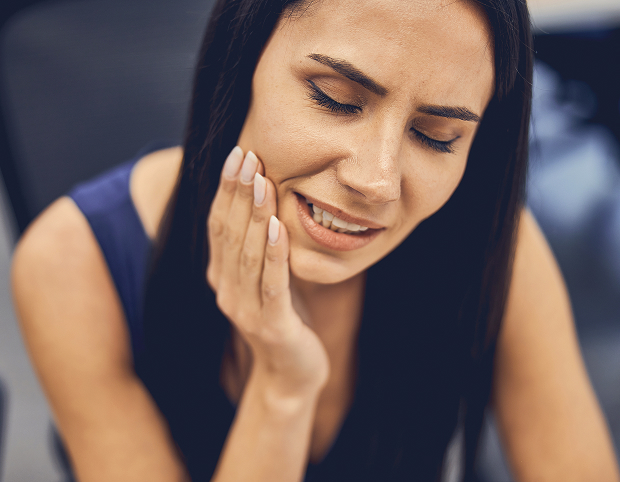
Complaints depend primarily on the area of the injury and the force of the impact. This condition must be assessed comprehensively, even if the molar crown appears intact.
Pain, sensitivity, and discomfort when biting
Pain when biting is an early sign of injury. This condition occurs with bruising, subluxation, cracks, and even hidden fractures. The pain intensifies with chewing and can even occur with accidental contact with the crown. Sometimes the pain is accompanied by a feeling of pressure, and a reaction to cold may also occur.
Tooth mobility and change in position
Displacement, the sensation of an "overgrown" tooth, changes in bite, and tooth mobility after an impact require immediate examination.
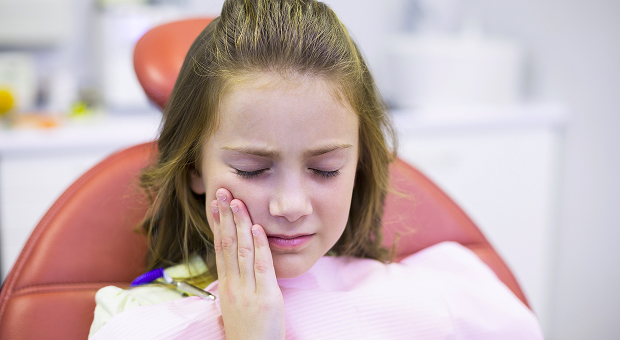
Bleeding, swelling, and damage to the gums and soft tissues
Bleeding gums, a sore on the lip, swelling of the mucous membrane, and tenderness are common. Dirt particles and enamel fragments sometimes remain in the wound.
Darkening of the tooth after an impact
Darkening of the crown after an impact may indicate problems with the pulp and blood supply. The pain may have subsided by then.

First aid for injuries
First aid for a tooth injury is needed immediately after the impact. The main goal is to prevent further damage and get to a dentist quickly.
What to do immediately after a blow
Follow these tips:
- Stop putting pressure on the injured side
- Gently rinse your mouth with clean water
- Apply a cold compress externally for 10-15 minutes
- Avoid touching the molar with your fingers or loosening it
- Save the chipped fragment, if present
- Seek medical attention within a few hours
What to do if a tooth is chipped or cracked
If a tooth is chipped, avoid chewing on the injured side. It's best to keep the fragment moist and show it to a doctor.
What to do if a tooth is displaced or knocked out
The query "What to do if a tooth is knocked out" is related to the most urgent cases. A complete dislocation is essentially a knocked-out tooth. The tooth is handled only by the crown; the root is not touched, rubbed, or overdried. Until the doctor sees it, it is kept in milk, saline, or an adult's own saliva.
What you should not do before seeing a doctor
Don'ts:
- Attempt to reposition a displaced molar yourself
- Warm your cheek or rinse your mouth with hot water
- Use alcohol, hydrogen peroxide, or harsh solutions
- Actively test mobility with your hands
- Wait a few days until the pain subsides
When to seek urgent help
With certain signs, time is of the essence. An early examination increases the chance of saving the tooth.
Severe pain, bleeding, mobility
Severe pain, ongoing bleeding, noticeable mobility, and the inability to close the jaw properly are reasons to see a doctor immediately.
Suspected root fracture or complete dislocation
Root fractures and complete dislocations are difficult to confirm without an X-ray. You can't wait until a convenient day.
Trauma in a child
Trauma to a baby tooth is dangerous because it can affect the permanent tooth bud. An examination is necessary even for a small external defect.
General information
How is diagnosis performed?
A complete clinical picture can be assessed after an examination, imaging, and monitoring of the patient's condition over time. A seemingly innocuous injury may conceal a serious defect.
Examination, assessment of tissue mobility and condition
The assessment takes into account the position of the molar, the depth of the defect, and the condition of the gums. The presence of a wound, the reaction to percussion, and changes in bite are also assessed.
Radiological diagnostics
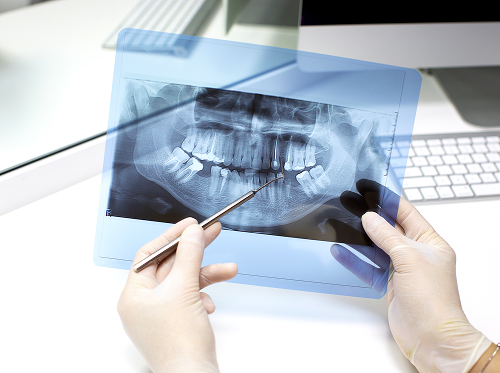
An X-ray can help detect a root fracture in trauma. The examination also reveals displacement and helps assess the condition of the bone and socket. In some cases, CBCT is prescribed.
Pulp assessment and over-the-counter monitoring
Sensitivity does not change immediately after an injury. The condition of the pulp, as well as the color of the crown, must be re-evaluated.

The risk can't be completely eliminated, but it can be reduced. Prevention is especially important for children and people involved in contact sports.
Protective mouthguards for sports
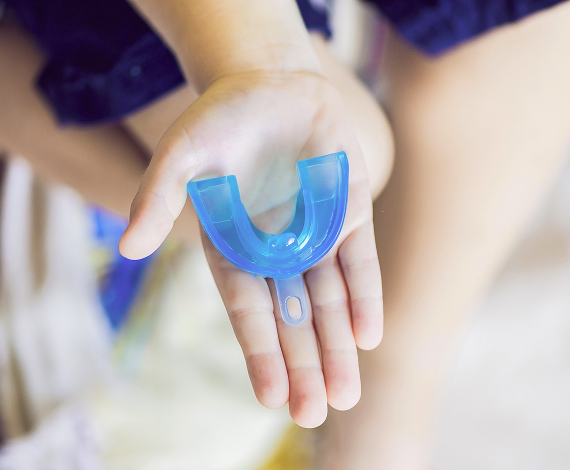
Custom mouthguards reduce the risk of severe damage to the front incisors. This measure is especially useful for martial arts, hockey, and cycling.
Caution at home and while walking
Slippery floors, scooters without protection, active games, and the habit of chewing on hard objects often lead to injury.
Checking tooth health after an injury
Even if complaints disappear, the doctor may schedule a follow-up examination. This makes it easier to detect late changes early.
FAQ
What should you do if a tooth is completely knocked out?
Is it possible to save a tooth after an injury?
Why did my tooth darken after an impact?
Is an X-ray necessary after an impact?
| Type of injury | Main signs | What to do immediately | Urgency | Possible complications |
|---|---|---|---|---|
| Bruise | Pain when biting, sensitivity | Cold, rest, no weight-bearing | In the next few hours or day | Darkening, pulp necrosis |
| Dislocation | Displacement, mobility, change in position | Cold, do not touch Incisor/molar | Urgent | Damage to the neurovascular bundle |
| Complete dislocation | Tooth missing from socket | Keep in a moist environment | Urgent | Loss of incisor, infection |
| Chip or fracture of crown | Marginal defect, pain, sharp fragment | Save the fragment, do not chew | Coming soon | Pulpitis, periodontitis |
| Root fracture | Pain, displacement, discoloration | Cold, rest, urgent Examination | Urgent | Pulp death, removal |
Prompt assistance is the best chance for survival. If there is a blow, displacement, bleeding, or pain, you should immediately consult a doctor for an examination, x-rays, and a qualified diagnosis. Only this approach offers a chance for survival after a possible injury.
The information in this article is for reference only. It does not replace an in-person examination by a doctor, nor does it replace diagnosis or treatment. If you experience injury, pain, mobility, swelling, bleeding, or crown discoloration, consult a dentist immediately, as the final decision on treatment strategy rests with your dentist.
Our doctors


















































This award is given to clinics with the highest ratings according to user ratings, a large number of requests from this site, and in the absence of critical violations.

This award is given to clinics with the highest ratings according to user ratings. It means that the place is known, loved, and definitely worth visiting.

The ProDoctors portal collected 500 thousand reviews, compiled a rating of doctors based on them and awarded the best. We are proud that our doctors are among those awarded.
Make an appointment at a convenient time on the nearest date
Price

Appointment to the doctor
Reviews



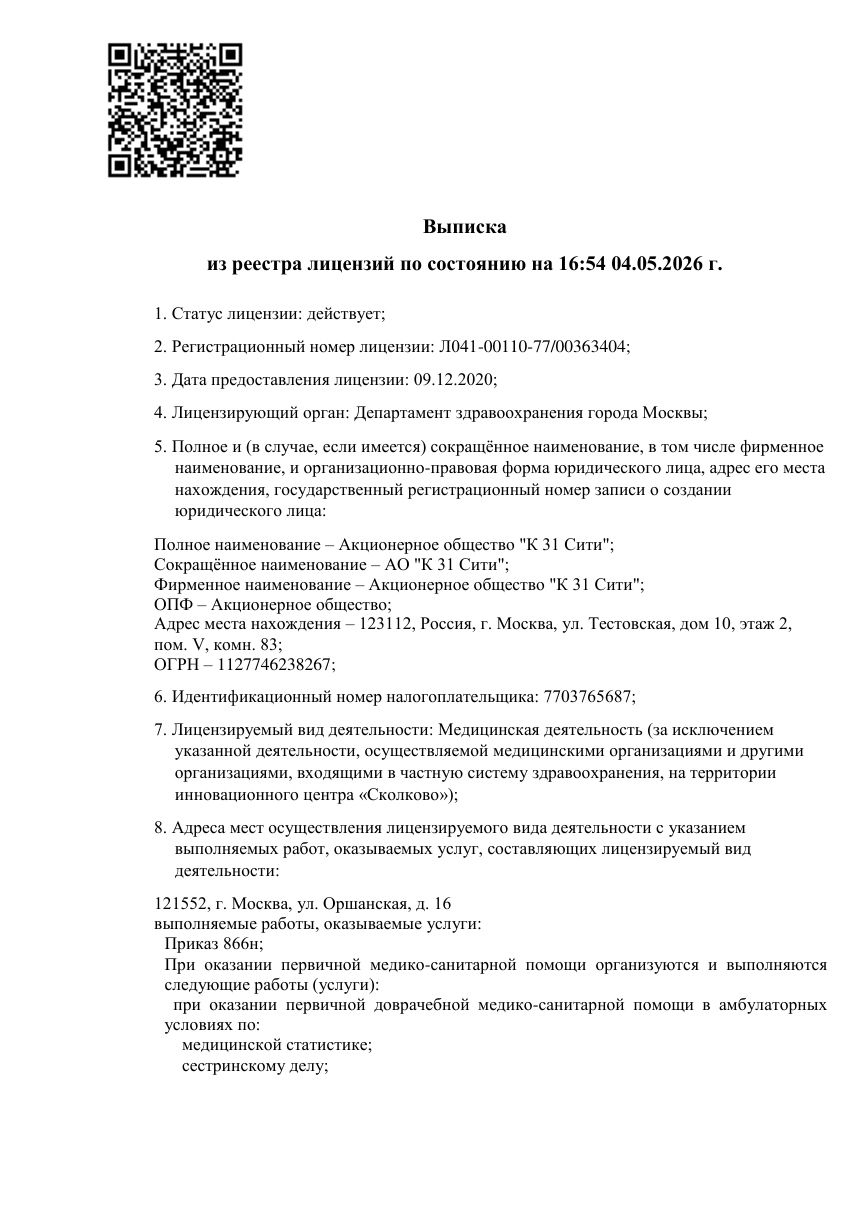
Our clinics


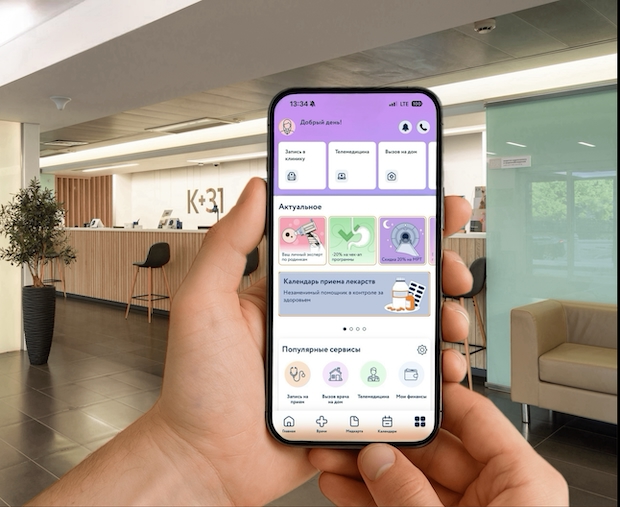
Application “Personal Account K+31”











What constitutes dental trauma?
This includes damage to the crown, root, ligaments, and soft tissues. The external appearance is not always similar, but the doctor's approach varies.
Contusion
A contusion is a condition following a blow. There is no obvious displacement. This condition causes pain when biting, a reaction to cold, and sometimes slight swelling of the gums. Pulp damage also occurs, but this condition is not always visible in the first few hours.
Dislocation: incomplete, complete, impacted
Tooth dislocation can be incomplete, complete, or impacted. With subluxation, there is often tooth mobility. A separate type is impacted dislocation: the crown appears shortened.
Chip, crack, crown and root fracture
Tooth chips, enamel cracks, crown fractures, and tooth fractures differ in the depth of the defect. A root fracture isn't always visible from the outside and is often confirmed only by an X-ray.