
Endovenous laser coagulation of veins (EVLC)
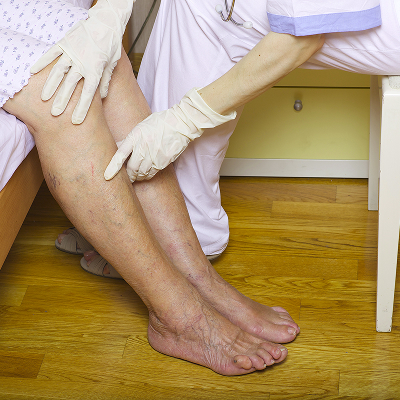
Endovenous laser coagulation is a laser treatment for varicose veins. It requires no incisions. The doctor inserts a thin fiber optic cable into the affected vein and applies heat from the inside, causing the walls to collapse and the vessel to close. After this, the vessel simply stops working. The varicose veins are cut off from the bloodstream, and the load is transferred to healthy veins, where blood continues to circulate.
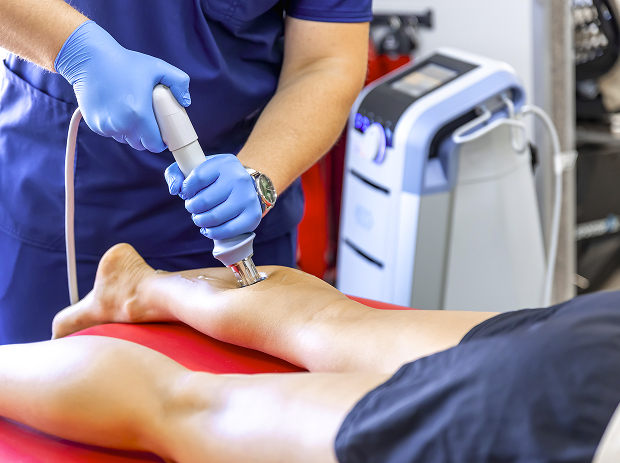
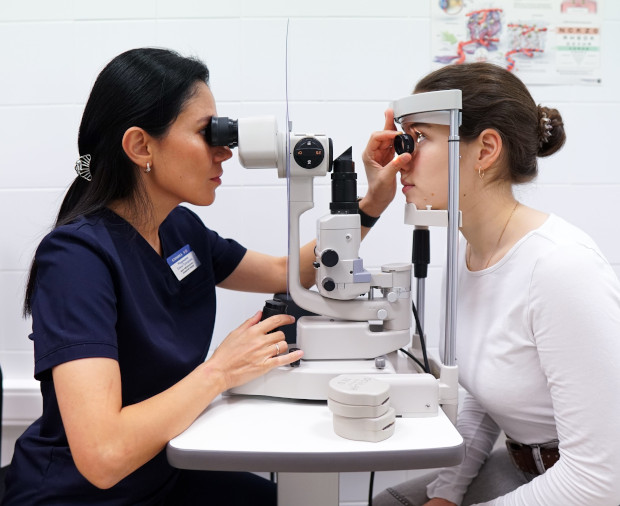
EVLC is performed under ultrasound guidance, allowing the doctor to see the vein's course and the location of its tributaries, allowing for precise treatment. Essentially, it's a minimally invasive "incision-free surgery": a puncture replaces an incision, local anesthesia replaces general anesthesia, and recovery is usually faster than after traditional surgery.

specialists

equipment

treatment



Contraindications to EVLT
Despite the minimally invasive nature of the procedure, EVLT is not indicated for everyone. Some restrictions are temporary: correction of the underlying condition is required, after which the treatment is reconsidered. Other contraindications are associated with a high risk of thrombotic complications or the inability to maintain compression and sufficient physical activity after the procedure.
General contraindications
General contraindications include conditions that increase the risk of complications or interfere with the safe performance of the laser procedure.
- Acute infections and high fever
- Severe bleeding disorders without correction
- Decompensation of chronic diseases (at the doctor's discretion)
- Acute thrombosis and severe thromboembolic suspicion
- Pregnancy (individual approach, often treatment is postponed)
After eliminating the temporary factor, the doctor re-evaluates the patient and decides whether laser therapy can be performed at this time.
Local contraindications
Local contraindications are related to the condition of the limb itself and the venous system, as well as the skin in the access area.
- Severe skin inflammation, dermatitis, or infection at the puncture site
- Inability to wear compression stockings (due to objective reasons)
- Extremely tortuous vein course, preventing the passage of a fiberoptic cable
- Excessively small or excessively large vein diameter (assessed by ultrasound)
- Significant anatomical features where another treatment method is safer
If laser abliteration is not the best option, the phlebologist will offer an alternative: a combined plan, a different technology, or a step-by-step treatment.
How is the EVLT procedure performed?
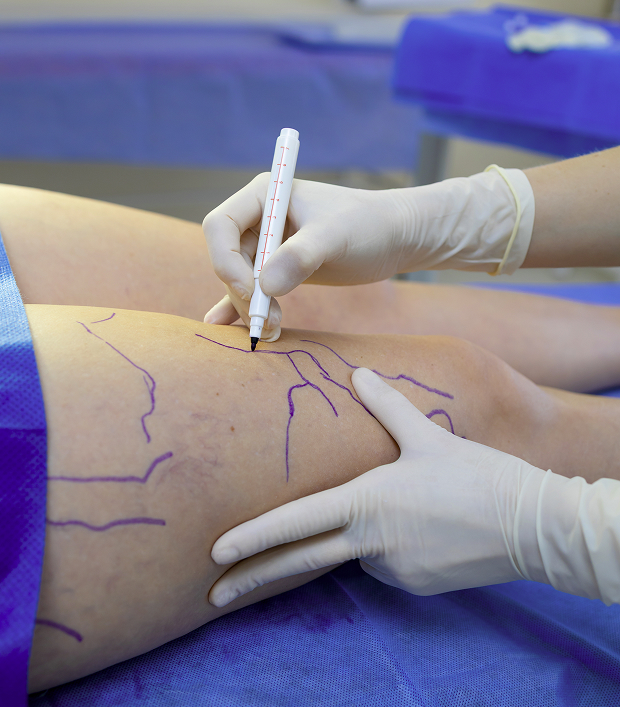
EVLK is typically performed on an outpatient basis. The patient comes to the clinic, undergoes a control ultrasound, and then undergoes the procedure and early mobilization. The procedure is relatively short and is performed under local anesthesia, so recovery begins immediately after the procedure.
Procedure Stages
The procedure is performed according to a standard protocol with consistent monitoring of each stage. This organization of the procedure reduces the likelihood of technical errors and ensures reproducible results. For the physician, precision of access and correct obliteration are essential. For the patient, something else is more important: a clear logic of actions and a predetermined sequence of actions.
- Consultation and ultrasound mapping of veins before the procedure
- Local anesthesia and vein puncture
- Laser fiber placement along the desired segment
- Coagulation (obliteration) of the trunk according to the protocol
- Ultrasound follow-up immediately after completion
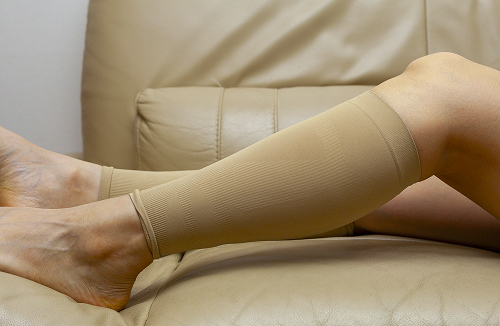
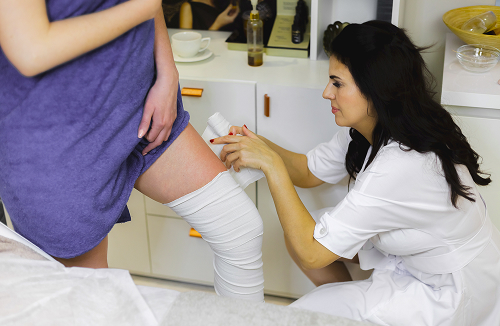
- Compression and recommendations, then walking
After these steps, the doctor explains the regimen for the coming days to ensure that the varicose vein treatment is not only completed but also properly maintained. Typically, they discuss how much walking to do on the day of the procedure, how long to wear compression stockings, and when to return for a follow-up appointment. These recommendations directly impact the final result and help reduce the risk of discomfort in the first few days.
Execution technique
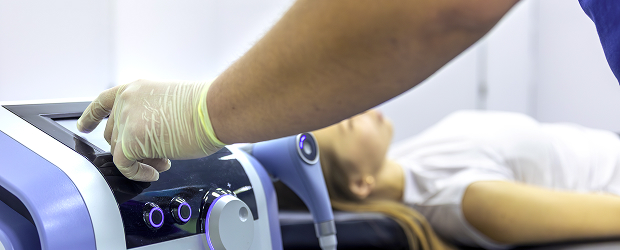
Technically, a laser fiber is passed inside the vein under ultrasound guidance, and the thermal energy "seals" the vessel from the inside. Tumescent anesthesia is administered to protect the tissue: it reduces pain, dissipates heat, and helps the vein "close" more effectively. Using ultrasound, the doctor can see the target area and monitor the quality of the vein closure.
General information
Preparing for the procedure
Preparing for EVLT is usually simpler than for a major surgery, but it impacts comfort and safety. During a consultation with a phlebologist, the patient's complaints, medications, and risk factors for thrombosis will be clarified, and a vein ultrasound will be performed to confirm the indications. Before the procedure, the patient may be prescribed standard tests and an ECG; the extent of these depends on the patient's age and comorbidities.
Important: do not stop taking medications on your own; the doctor will adjust the regimen.
- Inform about any medications you are taking, including anticoagulants and hormonal agents.
- Select compression stockings in advance (the correct size and class).
- On the day of the procedure, wear comfortable clothing and shoes.
- Plan for leisurely walking and avoiding heavy lifting afterward.
- If necessary, have the prescribed tests done and bring the results.
After preparation, the patient understands the plan: how the EVLT will be performed, how long the procedure will last, and when to return for a follow-up appointment.

Why is it better to have laser varicose vein removal at the K+31 clinic?
When visiting our clinic, patients receive consultations, diagnostics, and monitoring before and after the procedure. We offer convenient scheduling online or by phone, the number of which can be found on our website. Patients can also call their attending physician for a comprehensive consultation postoperatively. Our multidisciplinary clinic allows for a range of additional examinations, such as an electrocardiogram or other laboratory tests. This simplifies preparation for surgery and saves you time.
Prices for laser treatment of varicose veins in Moscow
The price of EVLK in Moscow depends on the scope of the procedure: which venous trunk is being excluded, whether tributary treatment is required, how many follow-up visits are included, and what examinations are required before the procedure. The clinic's price list usually lists the cost in rubles, and the final price is determined after an ultrasound and consultation, when the doctor understands the anatomy of the veins and selects the treatment method. To confirm the current price and availability, it's convenient to schedule an appointment through the website or by phone – this way, you'll receive immediate information about the service and preparation.
FAQ
How effective is EVLT?
How long does the procedure take?
Do I need to stay in the hospital?
When can I see results?
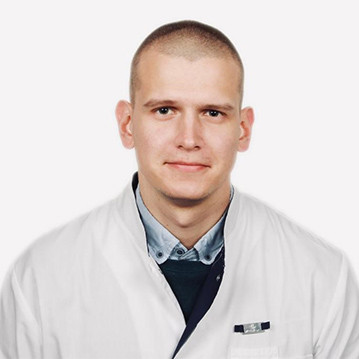
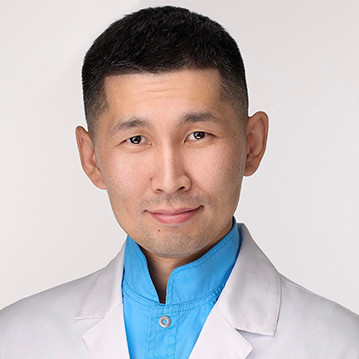
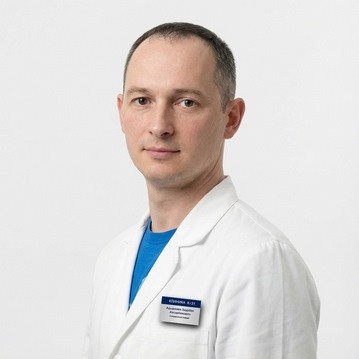
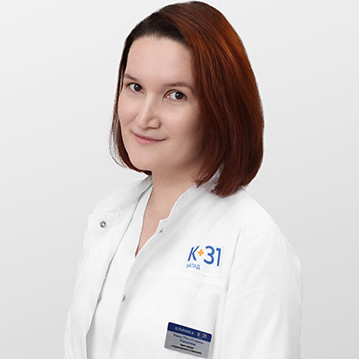
Our doctors

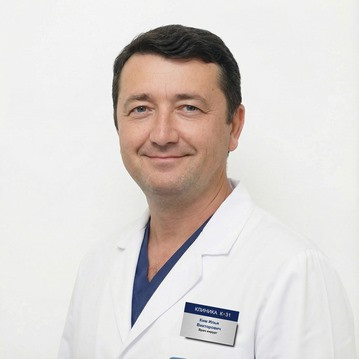

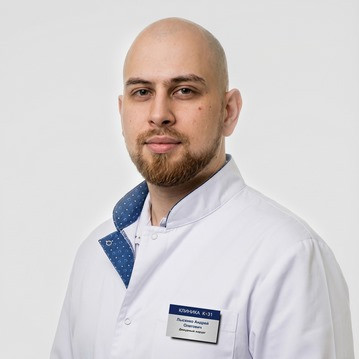
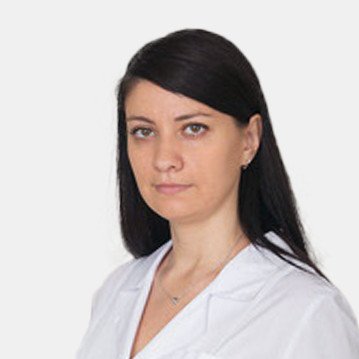
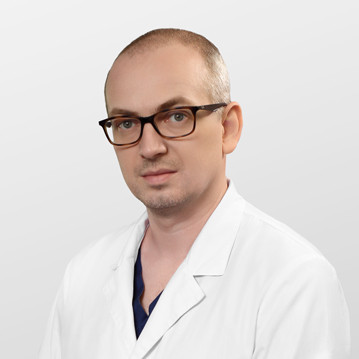
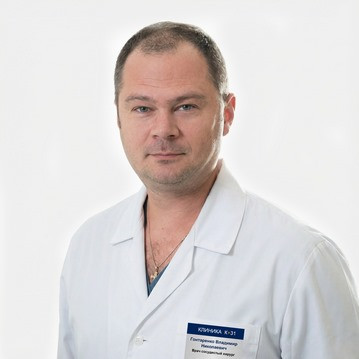

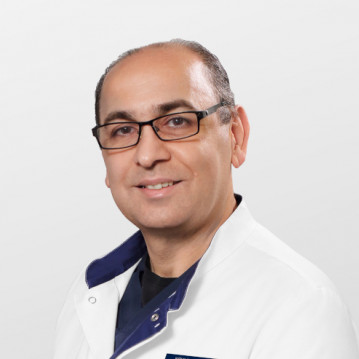
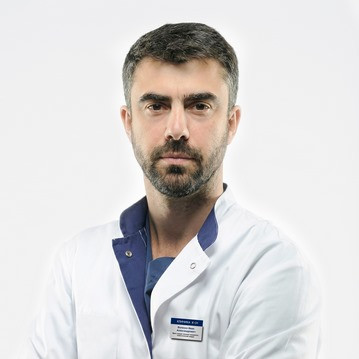
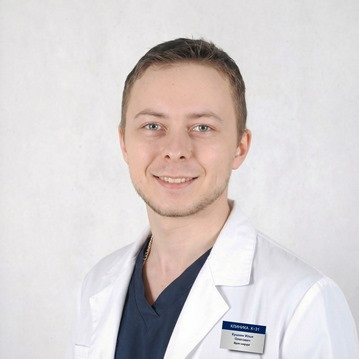

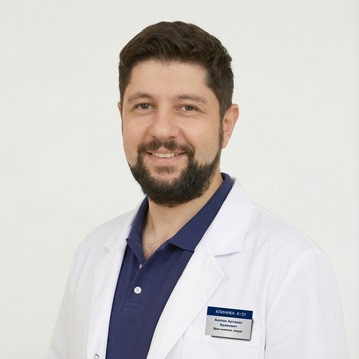
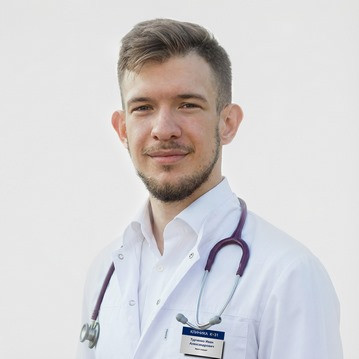


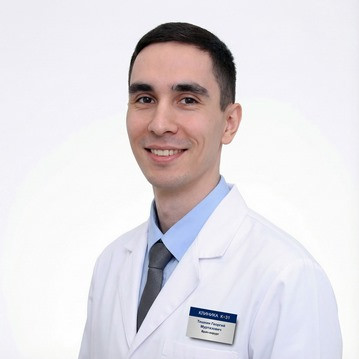
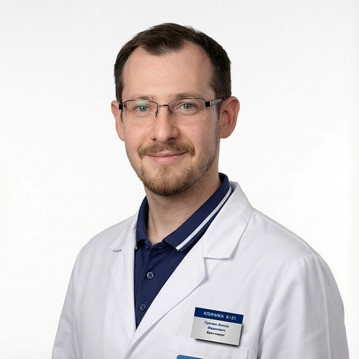

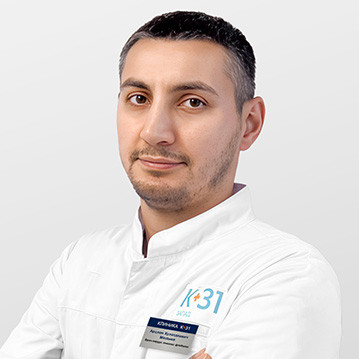
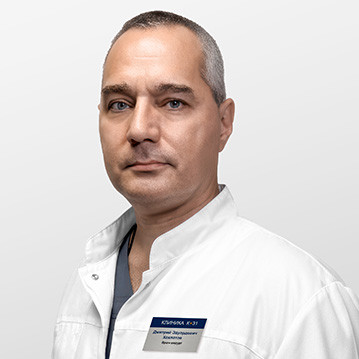
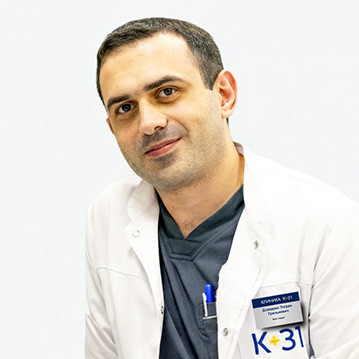

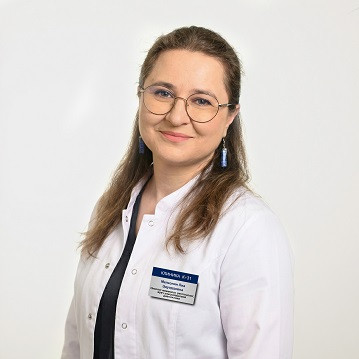
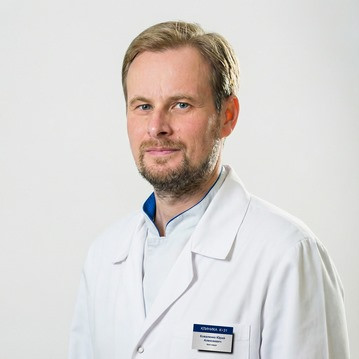
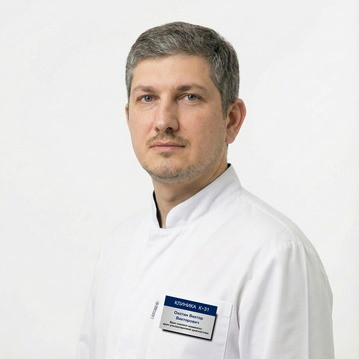
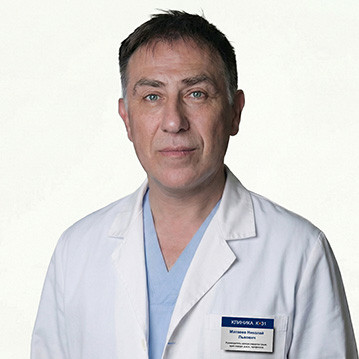
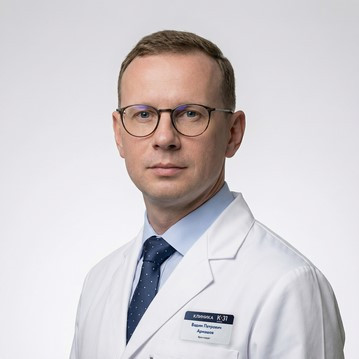

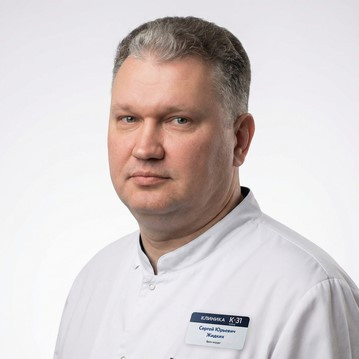

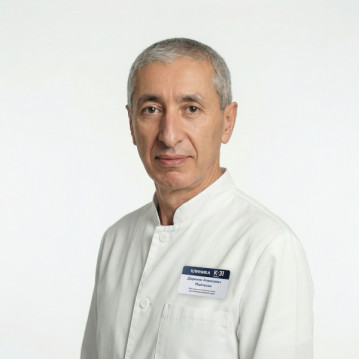
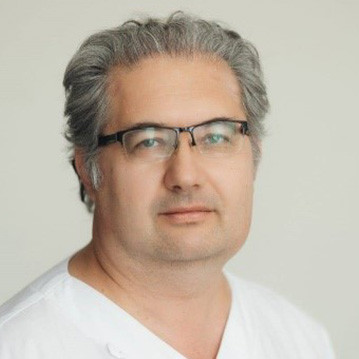



This award is given to clinics with the highest ratings according to user ratings, a large number of requests from this site, and in the absence of critical violations.

This award is given to clinics with the highest ratings according to user ratings. It means that the place is known, loved, and definitely worth visiting.

The ProDoctors portal collected 500 thousand reviews, compiled a rating of doctors based on them and awarded the best. We are proud that our doctors are among those awarded.
Make an appointment at a convenient time on the nearest date
Price
Other services

Appointment to the doctor
Reviews
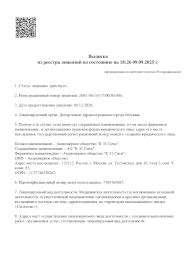
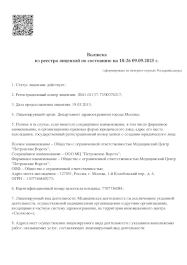
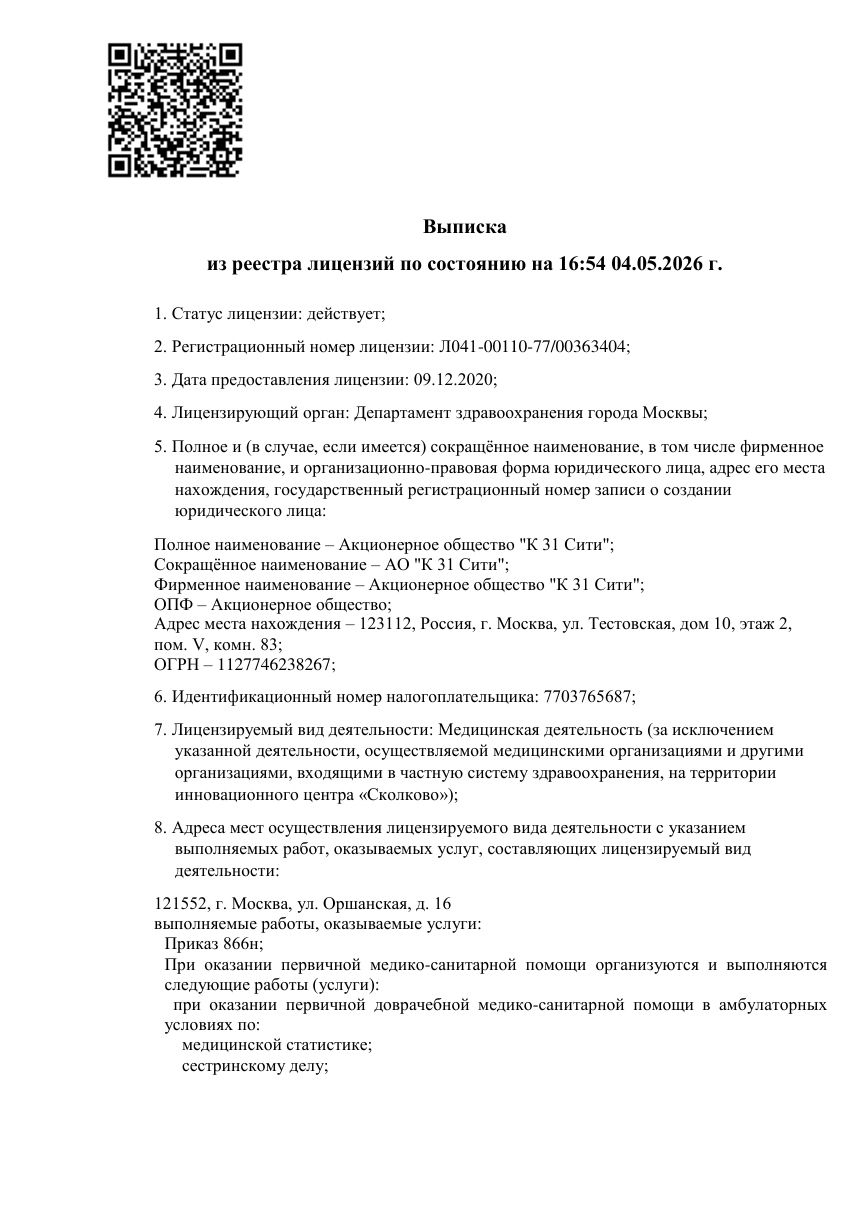
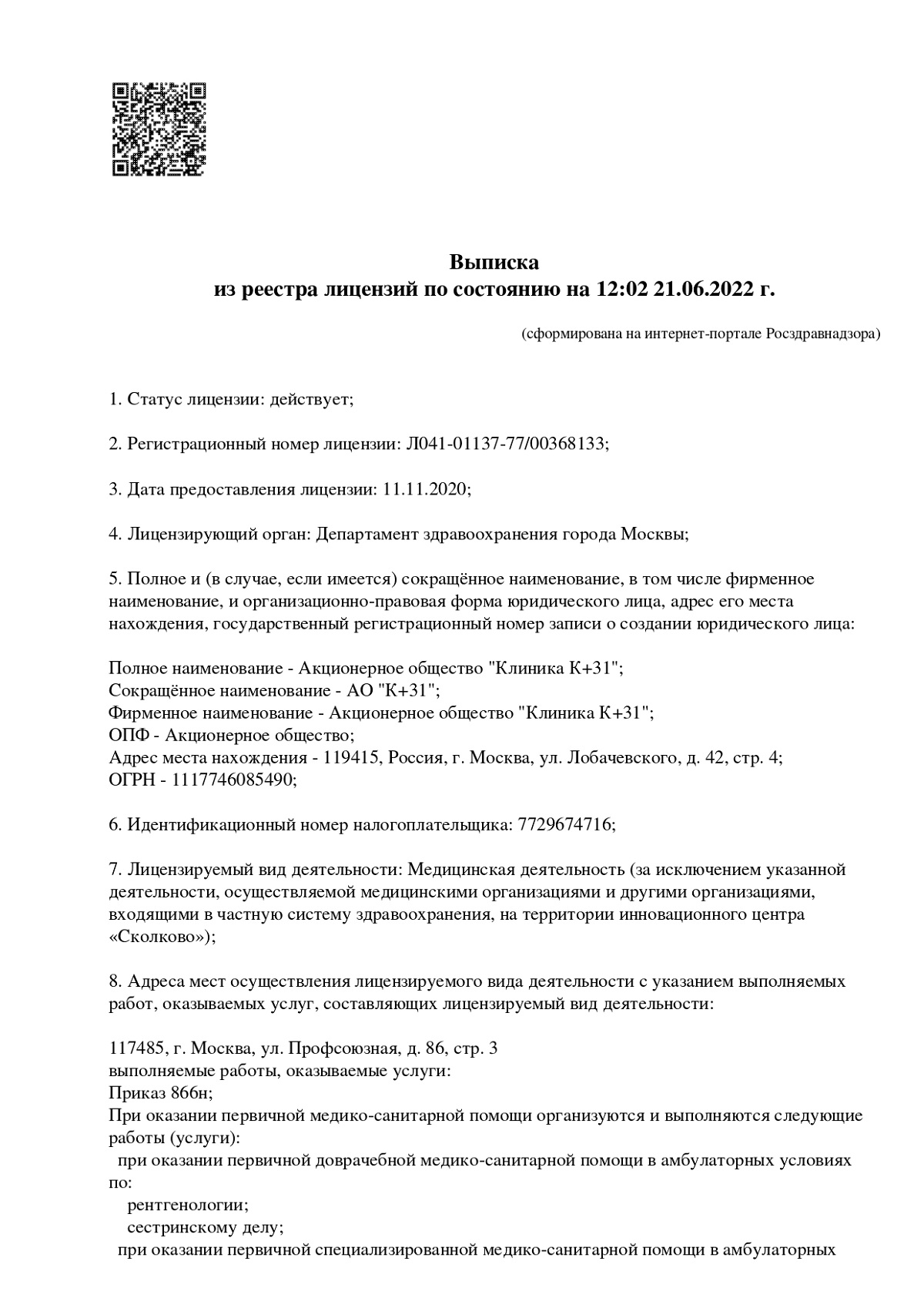
Our clinics


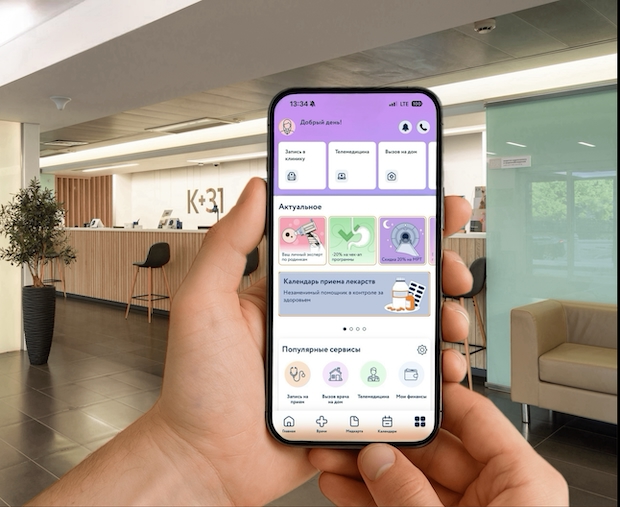
Application “Personal Account K+31”










Indications for EVLT
A phlebologist decides whether laser treatment is appropriate after an examination and ultrasound of the veins. Important: the presence of "webs" alone does not always indicate the need for EVLT; sometimes a different approach or a combination of methods is required.
General Indications
EVLT is usually used when varicose veins are already causing symptoms or progressing, and conservative treatment is no longer sufficient.
After assessing the complaints, the doctor compares the symptoms with the ultrasound data and explains the expected laser results and whether a single procedure or multiple procedures are needed.
Specific Indications
Specific indications are determined by the anatomy of the venous system and the direction of abnormal blood flow. These parameters are clarified during an ultrasound examination.
These include:
If the source of abnormal blood flow is confirmed by ultrasound, endovenous coagulation allows for isolation of the causative segment and thereby reduces the risk of symptom recurrence.