Adrenal adenoma removal

Adrenal adenoma is a common condition, most often seen between the ages of 40 and 60. According to statistics, women are more susceptible to this condition than men. This is due to hormonal changes in the body, chronic stress, and metabolic disorders that stimulate adrenal cell growth. Early diagnosis allows for optimal treatment and prevents complications.

Best
specialists
Expert
equipment
Advanced diagnostic
treatment
Sign up
Fill out the entry form on the page and we will call you back
Sign up Позвонить
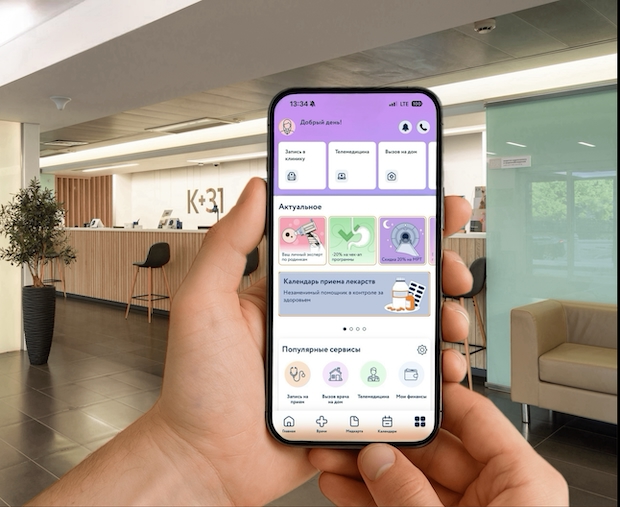
Download the application “Personal Account K+31”
Everything about your health in one click!
Subscribe to social networks K+31
To keep up to date with current offers and receive useful advice about your health.

General definition and information about the disease

An adenoma is a benign tumor that develops from the cells of the adrenal cortex. It appears as a round or oval tumor with clear borders, a dense structure, and a smooth surface. Occasionally, cystic or fatty inclusions are present, which alters the tumor's density on CT and MRI.

Please note! The tumor can develop on one or both adrenal glands. Unilateral localization is usually detected. Adenomas rarely become malignant and are generally asymptomatic.

General definition and information about the disease
doctor k31

Classification of adrenal adenoma

Based on their functional activity, adenomas are divided into:

  • Hormonally active - produce hormones
  • Hormonally inactive - do not affect hormonal balance

Hormonally active adenomas often require surgical removal, as drug treatment cannot always completely normalize hormone levels in the body.

By size, a distinction is made between:

  • Microadenomas – less than 1 cm in diameter, detected incidentally
  • Standard adenomas – 1-3 cm in diameter, cause clinical symptoms with hormonal activity
  • Large tumors – over 3 cm, put pressure on adjacent organs

Based on morphological features, adenomas are classified as classic, pigmented, and oncocytic. Classic adenomas have a uniform structure and a smooth surface. Pigmented adenomas contain melanin-containing cells, giving them their characteristic color. Oncocytic adenomas consist of large cells with a high mitochondria content and are extremely rare.

Types of adenomas (corticosteroma, aldosteroma, androsteroma)

Depending on the type of hormone secreted, a distinction is made between:

  • Corticosteromas produce excess cortisol, causing Cushing's syndrome.
  • Aldosteromas increase aldosterone levels, leading to hypertension and hypokalemia.
  • Androsteromas produce androgens, causing virilization (secondary male sexual characteristics) in women, acne, and irritability in men.

Each type requires an individualized treatment approach and has its own clinical characteristics.

Causes of adenoma development
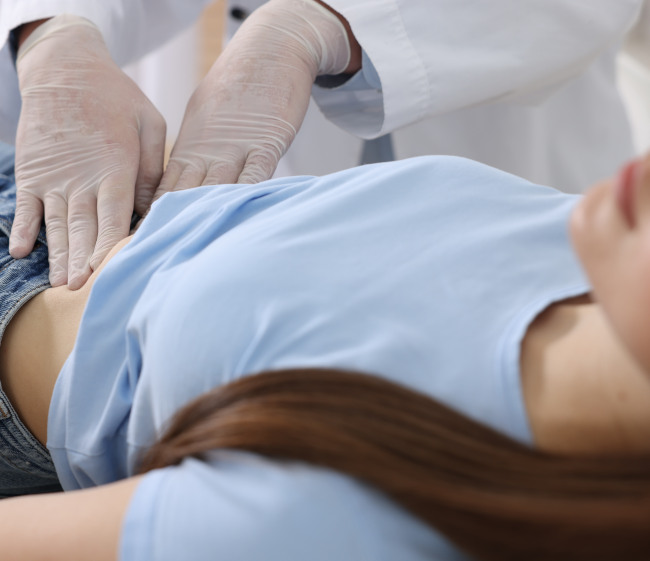
Tumor development is caused by:

  • Hormonal imbalances
  • Long-term psychoemotional stress
  • Diabetes mellitus
  • Overweight
  • Metabolic syndrome
  • Age-related changes
  • Taking glucocorticoids or other hormonal medications
  • Diseases of the thyroid gland, pituitary gland, and gonads
  • Exposure to toxins and radiation
  • Consuming poor-quality food or contaminated water

A family history of endocrine diseases or adrenal tumors increases the risk of developing adenoma. Genetic factors influence cell division and the adrenal gland's sensitivity to hormonal stimulation.

Symptoms of adrenal adenoma

With a hormonally active adenoma, the following symptoms occur:

  • High blood pressure, which is difficult to control with medication
  • General weakness
  • Decreased endurance and muscle mass
  • Increased sweating
  • Cramps
  • Mood swings
  • Swelling of the extremities
  • Decreased concentration and memory

The disease is also characterized by increased appetite, which leads to weight gain.

Symptoms in women

In women, the disease is accompanied by:

  • Excessive hair growth on the face, chest, and abdomen
  • Menstrual irregularities
  • Darkening of the skin
  • Deepening of the voice
  • Sleep disturbances

With excess cortisol, central obesity develops—fat is deposited in the abdomen, neck, and face. The arms and legs remain relatively thin. The skin becomes thin and dry, and stretch marks appear on the abdomen and thighs. Blood vessels lose elasticity, increasing the risk of bruising and bleeding.

Symptoms in men

In men, this pathology causes:

  • Erectile dysfunction
  • Increased fatigue with normal physical activity
  • Insomnia or interrupted sleep
  • Anxiety, depression
  • Increased sweating
  • Decreased mental performance

Hormonal imbalances can lead to tachycardia or arrhythmia, which increases the load on the heart and leads to the development of cardiovascular complications.

Diagnosis of adrenal adenoma
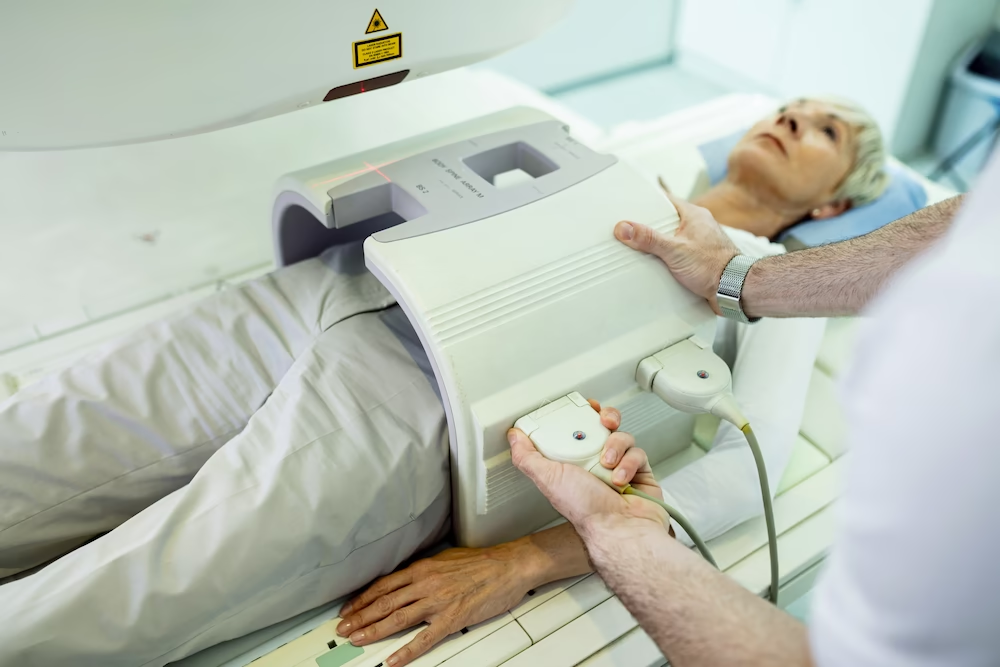
The diagnostic process includes several stages. The main goal is to determine whether the tumor produces hormones.

History and examination

The endocrinologist will review the patient's complaints, lifestyle, chronic illnesses, and family history of tumors. During the examination, blood pressure, body weight, fat distribution, and skin symptoms are taken into account. If necessary, the specialist will palpate the lymph nodes and thyroid gland and evaluate the condition of the hair and nails.

Instrumental Diagnostics

The examination includes:

  • Ultrasound — allows you to identify large tumors, assess their shape and location.
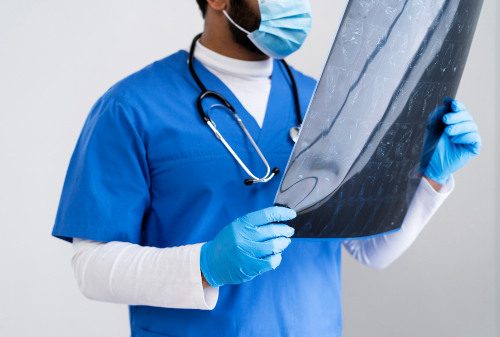
  • CT — provides accurate information about the structure, density, and size of the adenoma.
  • MRI — clarifies the contours and nature of the tumor, as well as its interaction with adjacent organs.
  • PET-CT — used if malignancy is suspected.

Angiography is sometimes used to assess the tumor's blood supply. MRI with contrast can help determine the activity of the adenoma.
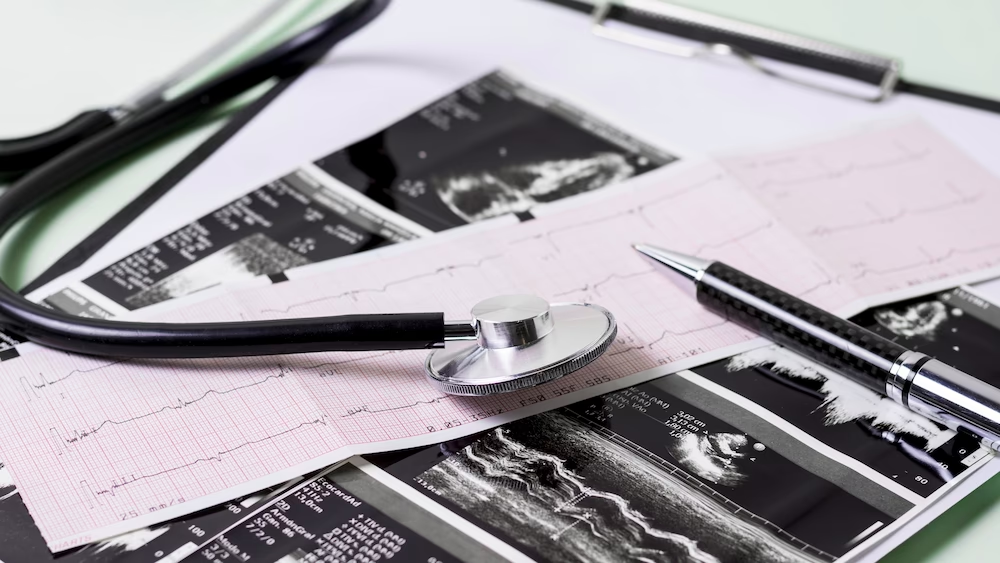
Laboratory diagnostics

The examination includes:

  • Blood test for adrenal hormones - assesses the concentration of cortisol, aldosterone, and androgens in the blood.
  • A dexamethasone test is performed to rule out Cushing's syndrome.
  • Blood test for electrolytes and renin - identifies water-electrolyte imbalances characteristic of aldosterones.
  • 24-hour urine analysis for hormone metabolites - assesses the levels of cortisone, metanephrine, and normetanephrine, intermediate products of cortisol and aldosterone biosynthesis.

Since hormonally active adenomas are often accompanied by metabolic disorders, a lipid profile is prescribed to confirm these. Excessive cortisol production increases fat synthesis and disrupts fat metabolism, leading to elevated high-density lipoproteins and triglycerides.

Adenoma Biopsy

This procedure is prescribed when imaging results are inconclusive, malignancy is suspected, or a lesion larger than 3 cm with an irregular structure is detected. The procedure is performed under ultrasound or CT guidance, using local anesthesia. Using a fine needle, the doctor takes a tissue sample from the adrenal gland and sends it to the laboratory for histological examination.

Treatment of adrenal adenoma

The treatment regimen is selected based on the type, size, and hormonal activity of the tumor. The doctor also assesses the tumor's growth dynamics and its impact on other organs.

Drug therapy

The goal of drug treatment is to stabilize hormonal levels, reduce symptoms, and prevent complications associated with excess hormone secretion. For corticosteroma, drugs that suppress cortisol synthesis are used, such as ketoconazole, metyrapone, and aminoglutethimide. If an aldosterone tumor is diagnosed, aldosterone antagonists, such as spironolactone or eplerenone, are included in the treatment course. They promote the excretion of sodium and water, normalizing blood pressure and potassium levels. Antihypertensive agents and potassium supplements are also prescribed to correct electrolyte imbalances.

For androsteroma, antiandrogen agents are used, such as cyproterone acetate and flutamide, to reduce the severity of virilization.

For hormonally inactive adenomas, drug treatment is not required. Monitoring with periodic CT or MRI scans and hormonal testing is sufficient.

Surgical intervention

If the tumor size exceeds 4 cm or malignancy is suspected, surgery is performed. During surgery, the doctor completely removes the affected adrenal gland or just the adenoma, preserving healthy tissue.

There are several types of interventions:

  • Laparoscopic adrenalectomy - performed through small incisions in the abdominal wall using endoscopic equipment.
  • Retroperitoneoscopic adrenalectomy - performed through a lumbar approach.
  • Open adrenalectomy - performed through a classic incision and requires a longer recovery period.

To restore hormonal balance, the patient is prescribed hormone replacement therapy in the postoperative period. This helps compensate for the temporary hormone deficiency that occurs after removal of the adrenal adenoma or decreased adrenal function. Subsequently, the remaining adrenal gland takes over the functions of the removed one, and the need for constant hormone intake disappears.

General information

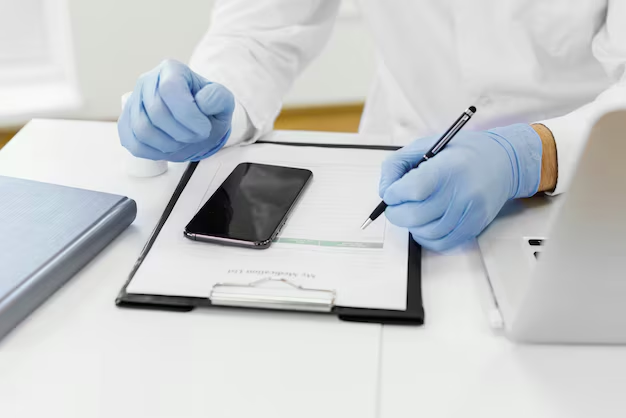
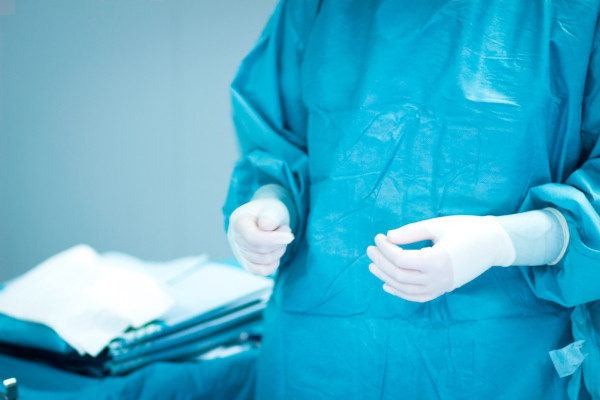
Preparing for surgery

For a successful surgery, it is important to follow these recommendations:

  1. 7-10 days before surgery, reduce salt intake and avoid fatty, fried, and spicy foods.
  2. 2 weeks before surgery, stop drinking alcohol and smoking.
  3. Undergo medication-based hormone therapy for hormonally active tumors.
  4. Avoid stress and overwork, and improve sleep.
  5. Drink at least 1.5 liters of water per day.

The surgery is performed strictly on an empty stomach in the morning. Any medications may only be taken with the doctor's permission.
Contraindications to surgery

This procedure has a number of absolute and relative contraindications. Absolute contraindications include:

  • Decompensated cardiac, pulmonary, or renal failure
  • Acute infectious diseases
  • Bleeding disorders
  • Cancer with distant metastases

Relative contraindications include hypertension, diabetes mellitus, electrolyte imbalances, exacerbation of chronic diseases, and pregnancy. Surgery is possible after blood pressure stabilization, glucose levels are corrected, remission is achieved, and childbirth has occurred.

Adrenal adenoma complications

The tumor can lead to a number of complications:

  • Heart rhythm disturbances
  • Increased blood lipid levels
  • Increased virilization in women
  • Menstrual irregularities, infertility
  • Secondary female sexual characteristics in men
  • Increased bone fragility, osteoporosis

Complications affect virtually all body systems—the cardiovascular, endocrine, and nervous systems. Their development is directly related to hormonal activity and tumor size.

Prognosis and prevention

The prognosis after tumor removal is favorable: blood pressure normalizes, hormone levels reach physiological values, and metabolism stabilizes. Patients report improved well-being, reduced fatigue, and disappearance of symptoms of hormonal imbalance.

Prevention includes:

  • Monitoring by an endocrinologist if there is a hereditary predisposition
  • Maintaining normal blood pressure and blood glucose levels
  • Regular physical activity
  • Get adequate sleep
  • Reducing the negative effects of chronic stress

Compliance with all recommendations reduces the risk of disease progression, complications, and the need for emergency surgery.

Post-surgical rehabilitation

Comprehensive rehabilitation includes:

  • Scheduled visits to an endocrinologist and, if necessary, a cardiologist
  • Monitoring heart rate and blood pressure
  • Hormone level monitoring
  • Light walks
  • Moderate aerobic and strength training as advised by your doctor
  • Maintaining a sleep and rest regimen

It is important to avoid stressful situations and overwork. In the first few years after surgery, laboratory tests are recommended every 3-6 months to assess the condition of the adrenal gland and rule out relapses.

Menu during the recovery period

Nutrition after surgery should be balanced and easily digestible. It is recommended to include:

  • Lean meat, fish, eggs, and cottage cheese to maintain muscle mass and promote tissue regeneration.
  • Vegetables and fruits to replenish vitamins, fiber, and antioxidants.
  • Cereals and whole-grain bread to support gastrointestinal function.
  • Weak tea, mineral water, and isotonic drinks to normalize water and electrolyte balance.

It is recommended to eat small meals 5-6 times a day. It is important to avoid alcohol, as it negatively impacts the adrenal glands, disrupts hormonal balance, and can cause blood pressure surges. Furthermore, alcohol slows tissue repair and metabolism, increasing the strain on the liver and cardiovascular system.

Adrenal adenoma removal prices in Moscow

The cost of surgery depends on the following factors:

  • The method used: laparoscopic adrenalectomy is more expensive than open adrenalectomy due to the use of endoscopic equipment and the high precision of the procedure.
  • The size and location of the adenoma: large or deep-seated tumors are more difficult to remove, which increases the cost.
  • Bilateral tumors: increase the cost of removal due to the increased duration of the surgery and the surgeon's workload.

The K+31 Clinic in Moscow offers adrenal adenoma removal at a competitive price. Experienced surgeons guarantee minimal trauma and a quick recovery. State-of-the-art equipment is used for diagnosis and surgery. Every stage, from preoperative preparation to rehabilitation, is monitored by a team of specialists to achieve optimal results.

You can schedule a consultation online on the clinic's website or by phone. Trust your health to the professionals!

FAQ

Why does adrenal adenoma occur?

Hormonal imbalances, diabetes, obesity, hypertension, and a genetic predisposition contribute to the development of tumors. The risk of developing adenomas increases with age.

What are the different types of adrenal adenomas?

There are two types of adenomas: hormonally active and hormonally inactive. The former produce cortisol, aldosterone, or androgens. The latter do not secrete hormones and do not require immediate surgical intervention.

What symptoms does an adrenal adenoma cause?

If the adenoma is inactive, there are no symptoms. If the tumor is hormonally active, seizures, high blood pressure, headaches, general weakness, acne, and weight gain are possible. Clinical manifestations depend on the type of hormone secreted.

How is adrenal adenoma diagnosed?

The tumor is detected by ultrasound, CT scan, or MRI. Hormonal blood and urine tests are performed to confirm the diagnosis. If a malignancy is suspected, a biopsy is required.

How is adrenal adenoma surgery performed?

Laparoscopic adrenalectomy is often performed. This surgery allows for tumor removal with minimal tissue trauma, reduces recovery time, and has a lower risk of complications. After discharge, it is important to follow your endocrinologist's recommendations and regularly monitor your hormone levels.

Our doctors
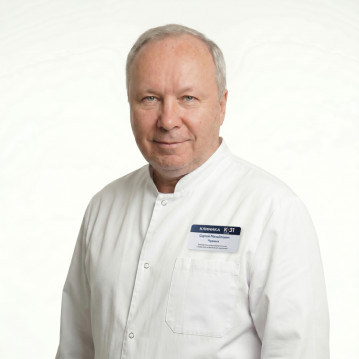
Zhao Alexey Vladimirovich
Experience 43 years
Make an appointment
Zhao
Alexey Vladimirovich
Chief physician of the network
Udin Oleg Ivanovich
Experience 32 years
Make an appointment
Udin
Oleg Ivanovich
Deputy chief physician for surgery, surgeon
Korolev Sergei Vladimirovich
Experience 24 years
Make an appointment
Korolev
Sergei Vladimirovich
Deputy chief physician for medical affairs, surgeon, oncologist
Shapovalyants Sergei Georgievich
Experience 51 year
Make an appointment
Shapovalyants
Sergei Georgievich
Chief Consultant in Surgery, Surgeon
Tsvetkov Vitaly Olegovich
Experience 40 years
Make an appointment
Tsvetkov
Vitaly Olegovich
Surgeon
Maltsev Andrew Vladimirovich
Experience 18 years
Make an appointment
Maltsev
Andrew Vladimirovich
Surgeon, plastic surgeon
Malygin Sergey Evgenyevich
Experience 31 year
Make an appointment
Malygin
Sergey Evgenyevich
Oncologist-mammologist, surgeon
Shabrin Alexei Valerevich
Experience 19 years
Make an appointment
Shabrin
Alexei Valerevich
Surgeon
Kovylov Aleksey Olegovich
Experience 20 years
Make an appointment
Kovylov
Aleksey Olegovich
Specialist in wounds and wound infections, diabetic foot doctor
Kim Ilya Viktorovich
Experience 27 years
Make an appointment
Kim
Ilya Viktorovich
Surgeon
Kuzavleva Elena Igorevna
Experience 19 years
Make an appointment
Kuzavleva
Elena Igorevna
Endocrine surgeon
Lysenko Andrey Olegovich
Experience 10 years
Make an appointment
Lysenko
Andrey Olegovich
Surgeon on duty
Ivanchik Inga Yakovlevna
Experience 20 years
Make an appointment
Ivanchik
Inga Yakovlevna
Surgeon, phlebologist
Shpilevoy Nikolay Yurievich
Experience 20 years
Make an appointment
Shpilevoy
Nikolay Yurievich
Cardiovascular surgeon, surgeon, ultrasound specialist
Gontarenko Vladimir Nikolaevich
Experience 24 years
Make an appointment
Gontarenko
Vladimir Nikolaevich
Angiosurgeon
Volenko Ivan Alexandrovich
Experience 15 years
Make an appointment
Volenko
Ivan Alexandrovich
Surgeon-oncologist-mammologist, plastic surgeon
Kushkin Ilya Olegovich
Experience 7 years
Make an appointment
Kushkin
Ilya Olegovich
Surgeon
Natalinov Ruslan Viktorovich
Experience 15 years
Make an appointment
Natalinov
Ruslan Viktorovich
Surgeon, ultrasound diagnostics doctor
Blinov Dmitry Alexandrovich
Experience 15 years
Make an appointment
Blinov
Dmitry Alexandrovich
Oncologist
Adyrkhaev Zaurbek Akhsarbekovich
Experience 17 years
Make an appointment
Adyrkhaev
Zaurbek Akhsarbekovich
Vascular surgeon
Nikitina Nina Mikhailovna
Experience 12 years
Make an appointment
Nikitina
Nina Mikhailovna
Surgeon, thoracic surgeon
Hakopyan Artashes Aramovich
Experience 20 years
Make an appointment
Hakopyan
Artashes Aramovich
Oncologist, surgeon
Grechin Anton Ivanovich
Experience 8 years
Make an appointment
Grechin
Anton Ivanovich
Surgeon
Magdiev Arslan Khulatdaevich
Experience 14 years
Make an appointment
Magdiev
Arslan Khulatdaevich
Surgeon, oncologist, phlebologist
No Specify
Experience 11 years
Make an appointment
Samara
Maxim
Surgeon
Iluridze Georgy Davidovich
Experience 9 years
Make an appointment
Iluridze
Georgy Davidovich
Oncologist, traumatologist-orthopedist, surgeon
Andreev Alexey Olegovich
Experience 16 years
Make an appointment
Andreev
Alexey Olegovich
Surgeon
Chukumov Rinat Maratovich
Experience 32 years
Make an appointment
Chukumov
Rinat Maratovich
Maxillofacial surgeon
Balkarov Beslan Khasenovich
Experience 17 years
Make an appointment
Balkarov
Beslan Khasenovich
Surgeon, oncologist
Melkonyan Lia Eduardovna
Experience 13 years
Make an appointment
Melkonyan
Lia Eduardovna
Oncologist, oncologist-mammologist, surgeon, radiologist, ultrasound diagnostician
Okhotin Viktor Viktorovich
Experience 18 years
Make an appointment
Okhotin
Viktor Viktorovich
Oncologist-mammologist, ultrasound diagnostician
All specialists
2GIS Award
2GIS Award

This award is given to clinics with the highest ratings according to user ratings, a large number of requests from this site, and in the absence of critical violations.

«Good place» according to Yandex

This award is given to clinics with the highest ratings according to user ratings. It means that the place is known, loved, and definitely worth visiting.

Our doctors are laureates of the ProDoctors Award
The ProDoctors portal collected 500 thousand reviews, compiled a rating of doctors based on them and awarded the best. We are proud that our doctors are among those awarded.

Make an appointment at a convenient time on the nearest date

Price

Reception
Price
Primary surgeon's appointment
from 5 460 ₽
Repeated appointment with a surgeon
from 5 460 ₽
Reception of a doctor - a surgeon at home in Moscow within the Moscow Ring Road
from 19 030 ₽

Other services

Abdominal surgery AV heart block Arthroscopy of the knee joint Bariatric surgery Bariatrics Nott's disease (trigger finger) Inflammation of the salivary glands (sialadenitis) Home visit Rectal prolapse (prolapse of the rectum) Gonarthrosis (osteoarthrosis of the knee joint) Diagnosis and treatment of hernia of the white line of the abdomen Treatment of TMJ (temporomandibular joint) dysfunction Benign soft tissue neoplasms Gallstone disease (cholelithiasis) Knee replacement Shoulder impingement syndrome Interventional radiology Correction of the nasal septum Treatment of coronary heart disease (CHD) Compression fracture of the spine Consultation with a vascular surgeon Laparoscopic hysterectomy (removal of the uterus) Laparoscopic surgery Treatment of anal fissures Treatment of ovarian apoplexy (rupture) Treatment of Graves' disease (diffuse toxic goiter) Ingrown toenail removal Treatment of hidradenitis suppurativa under the arm Treatment of spinal hernia Treatment of intestinal obstruction Treatment of dupuytren's contracture Morton's neuroma treatment Treatment of uterine prolapse Treatment of felon Treatment of femoral neck fracture Treatment of perforated gastric ulcer Лечение птоза верхнего века Treatment of heel spurs Treatment of endometrioid ovarian cysts Minimally invasive proctology Eye microsurgery Neurosurgery: what does a neurosurgeon treat? Emergency surgery Circumcision General surgery Oncosurgery Gallbladder surgery Thyroid surgery Операция паховой грыжи Prostate adenoma removal surgery Surgery to remove veins for varicose veins Esophageal Hernia Removal Surgery Inguinal Hernia Surgery for Men Surgery for varicocele Surgery for a torn meniscus in the knee joint Carpal Tunnel Syndrome Surgery Whipple’s procedure Pancreatic necrosis (necrosis of the pancreas) Appointment with a proctologist in Moscow Gastric resection is a surgery to reduce the stomach size for weight loss Septoplasty is a surgery to correct the nasal septum. Vascular surgery Spinal stenosis Stenosing atherosclerosis of the brachiocephalic arteries Stenting of the heart vessels (coronary arteries) Puncture (biopsy) of the thyroid gland Thoracic surgery in Moscow Thoracoscopic surgery Pulmonary embolism Breast augmentation surgery with implants Removal of anal fringes Removal of atheroma Wart removal Hemorrhoid removal: a complete guide to surgeries and methods Removal of hygroma Gallbladder removal (cholecystectomy) Bartholin's gland cyst removal Removal of bunions on the feet (surgery) Lipoma (wen) removal Removal (extirpation) of the uterus - hysterectomy Removal of papillomas Removal of polyp in the uterus Umbilical hernia removal Mole removal Removal of a rectal fistula Thyroid nodule removal Removal of fibroadenoma of the mammary gland Removal of a boil Removal of Hallux Valgus (Bone on the Foot) Chalazion removal Removal of the thyroid gland (thyroidectomy) Installation and removal of a stent in the ureter Fibrocystic mastopathy of the mammary glands Surgical gynecology Surgical cardiology Surgical coloproctology Surgical mammology Surgical otolaryngology Surgical dentistry Surgical traumatology Surgical urology Surgical treatment Surgical treatment of hernias Fast track surgery Maxillofacial surgery Lump on the labia Gastric bypass Emergency hospitalization Endovascular surgery Hip replacement Epithelial coccygeal tract: treatment, removal surgery (excision) Barley on the eye
Make an appointment

Appointment to the doctor

Fill out the form, our managers will contact you within 15 minutes

Reviews

I'd like to thank surgeon Samara M. for his exceptional professionalism and truly skilled hands. The removal of the sebaceous cyst behind my earlobe was quick, gentle, and completely calm. I was especially impressed by how simply and clearly he explained everything—my anxiety immediately disappeared, and I felt confident that everything would be fine. Thank you for your skill and compassion!
12.01.2026
Anatoly

About doctor:

Samara Maxim

The appointment went very well. The doctor bandaged the wound. I received the care I needed. The specialist was attentive and friendly.
12.01.2026
Olga

About doctor:

Samara Maxim

Good and responsive doctor!
29.12.2025
S. Irina Viktorovna

About doctor:

Melkonyan Lia Eduardovna

CIRCUMSTANCES AND ATTENTION OF A SPECIALIST
20.12.2025
T. Elena Mikhailovna

About doctor:

Ivanchik Inga Yakovlevna

A very good, responsive and competent doctor! ☀️
09.12.2025
S. Tatyana Vladimirovna

About doctor:

Melkonyan Lia Eduardovna

I was very pleased with the doctor’s professionalism!
03.12.2025
S. Maria Yuryevna

About doctor:

Melkonyan Lia Eduardovna

I consulted a surgeon in Samara. I had an abscess that was really bothering me. I specifically chose this doctor because I read that he was a specialist in the removal of tumors and purulent surgery with extensive experience. During the appointment, the doctor incised and cleaned the abscess. My main impression from the appointment was complete trust. The surgery was completely painless, although I was very nervous. I want to highlight the doctor's many strengths: his high level of professionalism, amazing precision in his work, and his attentive attitude towards the patient. He explained everything in detail, constantly inquired about my well-being, and maintained a calm and trusting atmosphere. I did not notice any drawbacks. The result exceeded expectations: the wound healed very quickly and without complications. The treatment was completely successful. A huge thank you to the doctor for his skillful hands, sensitivity, and the confidence he gives his patients!
01.12.2025
Anna

About doctor:

Samara Maxim

The doctor was very professional in treating this lesion. Compared to a similar operation I had in Nanjing in 2022, this time everything went better.
29.11.2025
L. Chengting
Attentive, friendly, clear language. Thank you.
29.11.2025
R. Olga Ivanovna

About doctor:

Ivanchik Inga Yakovlevna

Thank you so much for removing my lipoma. I'm delighted with the professionalism and the perfect cosmetic result. I'm very happy!
27.11.2025
Andrey

About doctor:

Samara Maxim

Почему К+31?
К + 31 — full-cycle multidisciplinary medical centers, including the possibility of providing medical services of European quality level.
К + 31 — are leading doctors and diagnostics using high-tech equipment from world manufacturers (Karl Storz, Olympus, Siemens, Toshiba, Bausch&Lomb, Technolas, Zeiss, Topcon).
К + 31 — is ethical. The staff of K+31 clinics maintain open relationships with patients and partners. An individual approach to each patient is the basis of our service standards.
К + 31 — is modernity. On call 24/7: call center operators will answer your questions at any time and book you an appointment with doctors. Contact us by phone, through the feedback form on the website and Max.
Our clinics

K+31 on Lobachevskogo

st. Lobachevskogo, 42/4

+7 499 999-31-31

Subway
1
11
Prospect Vernadsky Station
By a car
Lobachevsky, we pass the first barrier (security post of the City Clinical Hospital No. 31), turn right at the second barrier (security post K+31)
Parking pass
Opening hours on holidays
30.12: 08:00—21:00

31.12: 09:00—18:00

01.01: 12:00—18:00

02.01—11.01: 09:00—18:00

K+31 Petrovskie Vorota

1st Kolobovsky pereulok, 4

74999993131

Subway
9
Tsvetnoy Bulvar
10
Trubnaya
By a car
Moving along Petrovsky Boulevard, turn onto st. Petrovka, right after - on the 1st Kolobovsky per. Municipal parking
Opening hours on holidays

30.12: 08:00—20:00

31.12—02.01: weekends

03.01: 10:00—18:00

04.01—06.01: 09:00—19:00

07.01: 10:00—18:00

08.01—11.01: 09:00—19:00

K+31 West

Orshanskaya, 16/2; Ak. Pavlova, 22

74999993131

Subway
3
Molodezhnaya
By a car
Moving along Orshanskaya street, we turn to the barrier with the guard post K+31. You do not need to order a pass, they will open it for you
Opening hours on holidays

31.12: 09:00—18:00

01.01: 12:00—18:00

02.01—09.01: 09:00—18:00

Didn't find the service you were looking for?

Экстренная помощь