Treatment of Trophic Ulcers on the Legs

Trophic changes can be caused by various diseases associated with cardiovascular dysfunction. Ulcers are most often observed on the lower extremities, but other parts of the body are not immune to these pathologies.

Best
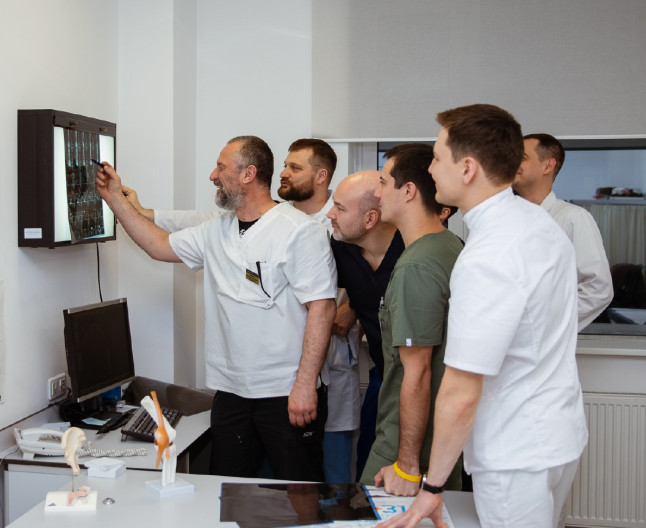
specialists
Expert
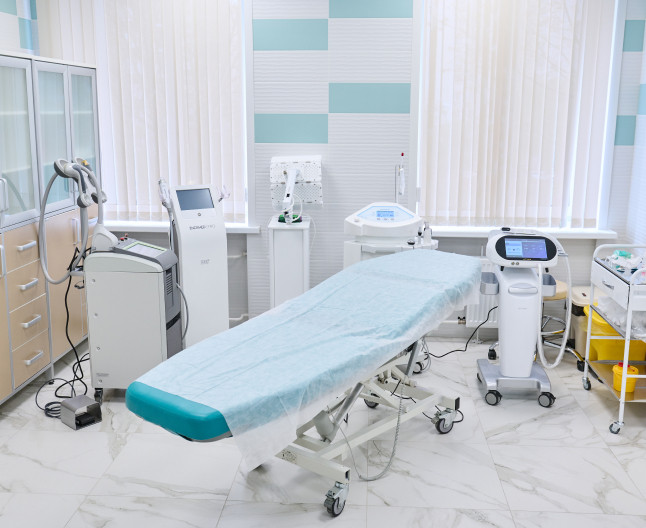
equipment
Advanced diagnostic
treatment
Sign up
Fill out the entry form on the page and we will call you back
Sign up Позвонить
Download the application “Personal Account K+31”
Everything about your health in one click!
Subscribe to social networks K+31
To keep up to date with current offers and receive useful advice about your health.

Definition and classification of trophic ulcers

A trophic ulcer is a chronic injury to the skin and underlying tissues that is difficult to heal. The primary cause of chronic, non-healing wounds is impaired blood supply and neurotrophic regulation of the affected areas.

Such pathologies typically arise as a result of chronic diseases such as varicose veins, diabetic vascular disease, and arterial disorders. Among the most common patient complaints are pain, hyperemia, and swelling in the affected area. The severity of clinical manifestations varies significantly depending on the stage of the pathological process.

Regeneration in such cases is complicated by profound metabolic disorders in the body, which impede normal tissue repair. Complex therapy is aimed at eliminating the underlying cause of ulcer formation, activating tissue repair processes, and preventing possible complications.

According to the cause of their occurrence, trophic ulcers are divided into several types:

  • Neurotrophic ulcers - arise due to impaired nerve conduction
  • Venous ulcers - can occur with varicose veins
  • Diabetic ulcers - caused by impaired microcirculation and tissue nutrition in diabetes mellitus
  • Ischemic ulcers - occur with problems with arterial blood flow
  • Hypertensive ulcers - associated with the development of hypertension
  • Pyogenic ulcers - can be caused by secondary wound infections
  • Infectious ulcers - provoked by diseases such as syphilis and tuberculosis

Each form of pathology requires individual approach to therapy, for example, in the treatment of venous trophic ulcers, the basis is the elimination of blood stagnation.

Definition and classification of trophic ulcers
Causes of Trophic Ulcers

Causes of Trophic Ulcers

In approximately one in six clinical cases, a combination of several risk factors is observed, contributing to the development of deep defects in the skin and subcutaneous structures. The most common combination is the simultaneous presence of venous and arterial pathologies, as well as a specific complication of diabetes known as angiopathy. This multi-component nature of the lesion significantly complicates diagnosis and treatment, since each component can exacerbate the manifestations of another.

Main Causes

The formation of purulent skin lesions is caused by a number of serious pathological conditions:

  • Chronic venous outflow disorder associated with the formation of blood clots or inflammatory processes in the vein walls (varicose veins)
  • Dysfunction of blood circulation in the arteries caused by the accumulation of cholesterol plaques or a persistent increase in pressure in the vessels
  • Destabilization of blood glucose levels in severe diabetes
  • Disruption of nerve fiber function, leading to the formation of neurogenic skin defects
  • Adventure of a secondary bacterial infection
  • Mechanical effects on the skin - bruises, cuts, burns of various types Nature
  • Allergic skin diseases (dermatitis), inflammatory changes in the epidermis (erysipelas, eczema)
  • Growth of malignant tumors with surface ulceration
  • Lymphatic system pathologies accompanied by congestion in the skin and soft tissues

When identifying and eliminating the causes of trophic changes, it is important to use a comprehensive approach.

Why trophic ulcers most often appear on the legs

Statistics are relentless: the lower extremities are the primary location for the majority of trophic ulcers. This is explained by the anatomy of the human body.

Firstly, our legs experience enormous pressure from our body weight every day. They are constantly subjected to stress when walking, standing, and playing sports. This creates conditions for prolonged compression of superficial and deep blood vessels, impairing circulation and causing a deficiency of oxygen and nutrients in cells.

Secondly, the structure of the venous system in the legs deserves special attention. It is designed in such a way that blood is forced to overcome gravity, rising upward. A third important factor is that the skin and soft tissues of the legs are thinner and less dense than those of the torso and arms. This makes the legs particularly vulnerable to mechanical injury, irritation, and infection.

Symptoms of trophic ulcers
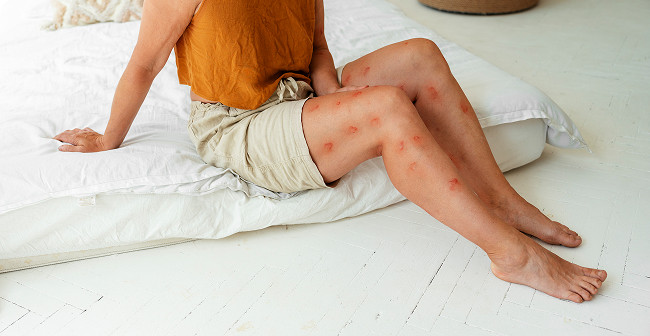
The development of the pathology begins with a subtle sign—the appearance of a small patch of grayish-blue skin. Soon, the person begins to experience discomfort in the affected area: a feeling of fullness, an unpleasant tingling sensation, discomfort, and irritation, gradually developing into pain.

Then the skin noticeably thickens, loses elasticity and smoothness, and becomes denser than usual. The next stage is marked by the formation of a moist, erosive surface that rapidly expands in diameter. Upon detecting the first alarming symptoms, it is extremely important to immediately consult a phlebologist or a surgeon specializing in vascular diseases.

Stages of development of trophic ulcers
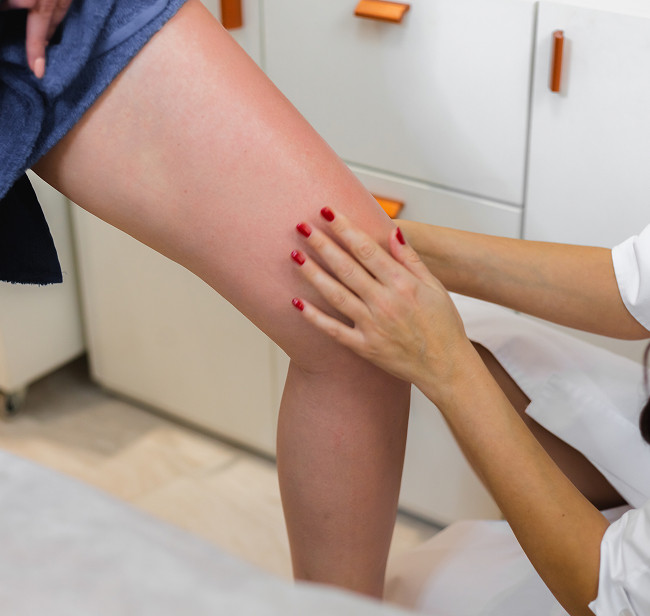
The progression of a trophic ulcer proceeds sequentially through four key phases:

  1. The appearance of a precursor to pathology—a change in the color of individual areas of the skin, which may differ from surrounding areas by a higher temperature.
  2. The appearance of small, open, bright pink damaged areas, affecting only the upper layer of the epithelium.
  3. The development of deepening destruction, accompanied by the involvement of the deeper layers of the skin, down to the fatty layer, sometimes reaching the bone structure. The appearance of a yellowish tint, indicating the onset of tissue necrosis.
  4. The development of significant damage, often complicated by the appearance of foci of suppuration, including deep abscesses and even the destruction of bone elements.
  5. The onset of a critical condition—gangrene develops, in which the affected area takes on an almost black hue due to the complete cessation of local blood circulation, threatening the viability of the entire limb.

The lack of timely medical intervention dramatically increases the risk of the disease progressing to severe forms.

Methods of treatment of trophic ulcers

The approach to treating trophic ulcers is based on two main areas: combating the source that caused the ulcer's development, and consistently cleaning and disinfecting the damaged area to combat infection.

Conservative Treatment Methods

Many people try to combat the condition by using disinfectant solutions such as brilliant green, antibacterial ointments, and drying compounds, but this negatively impacts the healing process of trophic ulcers. Prolonged treatment with such agents can significantly slow tissue repair, provoke allergic reactions, and develop drug resistance in infectious agents.

If dangerous bacterial strains such as Staphylococcus aureus or Pseudomonas aeruginosa are present, broad-spectrum antibiotics are advisable, although they should only be used when other methods have proven ineffective.

The most effective method of conservative treatment for venous trophic ulcers is the use of specialized elastic bandages or special medical stockings. In addition, medications are prescribed to improve vein tone and strengthen the capillary system.

Surgical Treatment Methods

Primary surgical debridement—a radical operation to remove nonviable tissue—is recognized as the optimal method for cleaning ulcerative lesions. The procedure is performed using modern technologies: laser surgery, ultrasound equipment, or hydrosurgical devices under local anesthesia.

Once the surgery is completed, measures are taken to stimulate the formation of new, healthy cells. If complete wound closure does not occur after effective cleansing and active growth of new tissue, the next step is skin flap transplantation.

Laser Treatment

The main goal of treating trophic leg ulcers with varicose veins is to stop the abnormal backflow of blood into the superficial veins. This is achieved using modern technologies, such as laser coagulation. A key feature of this method is its minimal trauma: the procedure is performed on an outpatient basis, under local anesthesia, without incisions. The laser beam heats the inner lining of the vein, causing its walls to adhere together and form a fibrous band. This stops the abnormal blood flow characteristic of varicose veins, improving the patient's overall well-being.

Sclerotherapy

Foam sclerotherapy is an alternative to surgical treatment for venous trophic ulcers. A series of sessions stops localized blood flow and restores normal circulation in the leg, regardless of the stage of trophic changes. This method is especially recommended for elderly patients with severe skin damage due to advanced varicose veins.

Vacuum Therapy

Another innovative approach to treating trophic ulcers is vacuum therapy, which creates negative pressure directly within the wound cavity. A special device gently draws out fluid and bacteria, improves blood flow, and stimulates new tissue formation. The technique involves placing a sterile dressing with a soft drain over the wound, connected to a pump that creates a vacuum.

General information

Diagnosis of trophic ulcers

Detection of the pathology is based on a clear definition of its etiology, the degree of activity of the inflammatory-destructive process, the depth of tissue damage, and the presence of pathogenic microflora. Only a comprehensive assessment of these key aspects allows for the selection of an adequate treatment strategy.

A consultation with a phlebologist plays an important role in the examination process. The doctor conducts a thorough assessment of the venous system, identifying signs indicating blood stasis, as well as factors that can lead to the development of trophic ulcers.

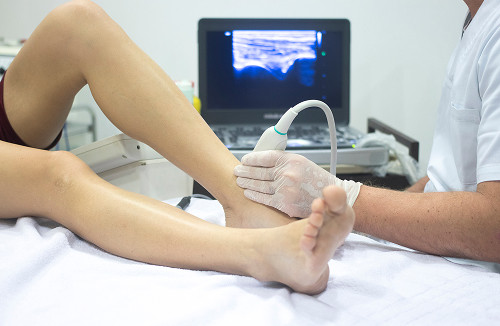
Ultrasound duplex scanning

Ultrasound is considered the main tool for diagnosing blood circulation in the affected limb and identifying the origins of a trophic ulcer. It helps accurately determine the direction of blood flow back through superficial or deep veins and detect the presence of bypasses through small connecting veins near the ulcer itself.

This diagnostic test is especially valuable in elderly patients, as the detection of short perforating veins offers the chance to effectively eliminate the problem by simply injecting a special agent directly into the pathologically altered vessels.

Contrast X-ray phlebography

This diagnostic tool allows for visualization of the venous system using X-rays. The method involves intravenous administration of a special contrast agent, which illuminates the vessels, allowing for observation of their structure and function.

X-ray phlebography provides comprehensive information about the condition of large veins, identifies possible obstructions to blood flow, and detects anomalies and deviations from the norm.
Treatment Results and Prognosis

The effectiveness of trophic ulcer treatment depends heavily on the underlying condition that caused their development. The greatest success is achieved with venous forms of the pathology: with normalization of venous blood flow and elimination of congestion, wounds often shrink and heal quickly. Recovery time varies depending on the severity of the underlying condition, but with appropriate therapy, the vast majority of ulcers successfully close in approximately three to four months.

Complications of trophic ulcers

Trophic changes have a number of serious consequences that can significantly impair a patient's quality of life. These include:

  • Infections. Open ulcers serve as entry points for numerous infectious agents, leading to the development of inflammatory processes.
  • Decreased mobility and deterioration in quality of life. Pain, constant discharge, and an unpleasant odor from the ulcer force patients to give up their usual physical activity.
  • Amputation. Advanced cases of trophic ulcers, especially without adequate treatment, can result in partial or even complete loss of the limb.

Furthermore, constant pain, limited mobility, and cosmetic imperfections lead to depression, social isolation, and other psychological problems.

Prevention of Trophic Ulcers

Preventive measures aimed at reducing risks can help prevent the development of ulcers associated with vascular diseases of the lower extremities: quitting bad habits, engaging in regular physical activity, monitoring blood cholesterol levels, and following dietary recommendations with limited consumption of animal fats.

To prevent the recurrence of trophic ulcers in patients with diabetes, a multidisciplinary approach is necessary: ​​systematic medical care, patient education on foot hygiene rules, selection of custom-fitted orthopedic footwear, and professional foot care procedures performed by podiatrists.

Trophic Ulcer Treatment Prices in Moscow

The cost of treating trophic ulcers in Moscow depends on a number of important factors, including the severity of the lesion and the need for expensive medications and modern, sophisticated equipment.

You can learn about the approximate prices for treating trophic ulcers at the K+31 clinic in advance by calling us or downloading the price list available on the clinic's official website. A more precise cost for treatment can be obtained during your doctor's appointment.

Why are trophic ulcers best treated at K+31?

The K+31 Clinic specializes in the diagnosis and comprehensive treatment of trophic ulcers, offering patients effective solutions and a high standard of medical care.

Our advantages:

  • Highly qualified doctors with many years of successful experience
  • Modern equipment and innovative treatment methods allow us to select the optimal treatment protocol for each individual case
  • A comprehensive approach, including physiotherapy, exercise therapy, and consultations with related specialists
  • Conveniently located clinic
  • A comfortable, stress-free atmosphere allows you to focus on restoring your health

We believe that a sound treatment strategy for trophic ulcers should include an accurate diagnosis, comprehensive patient preparation, and ongoing monitoring of the effectiveness of the chosen methods. This is precisely the approach we employ in our clinics.

Why are trophic ulcers best treated at K+31?

Frequently Asked Questions

How often should a trophic ulcer be treated?

The frequency of trophic ulcer treatment is determined individually based on the rate of wound healing and the patient's overall condition. However, there are generally accepted standards: the procedure should be performed at least every two to three days, and if there is active fluid drainage, daily or even twice a day.

Are trophic ulcers contagious?

No, they are not. An infection within the ulcer is dangerous only to the patient, increasing the risk of sepsis and complications. Transmission of bacteria to others is virtually impossible, as infection is only possible through direct contact between open wounds.

Who treats trophic ulcers?

Doctors of various specialties treat this pathology: surgeons, phlebologists, internists, endocrinologists, neurologists, and cardiologists. The choice of specialist depends on the underlying cause of the ulcer: vascular surgeons treat circulatory problems, endocrinologists treat diabetes, and neurologists treat nervous system disorders.

What are the general recommendations for people with trophic ulcers?

Patients with trophic ulcers are advised to regularly monitor their blood sugar levels, maintain good hygiene, avoid exposure to cold and heat, protect the affected areas from infection, and promptly consult a doctor if they feel unwell or if the ulcer's appearance changes. Regular physical activity helps improve circulation, strengthen muscles, and reduce the risk of recurrence.

Our doctors
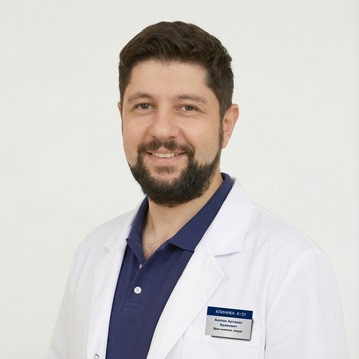
Zhao Alexey Vladimirovich
Experience 43 years
Make an appointment
Zhao
Alexey Vladimirovich
Chief physician of the network
Udin Oleg Ivanovich
Experience 32 years
Make an appointment
Udin
Oleg Ivanovich
Deputy chief physician for surgery, surgeon
Korolev Sergei Vladimirovich
Experience 24 years
Make an appointment
Korolev
Sergei Vladimirovich
Deputy chief physician for medical affairs, surgeon, oncologist
Shapovalyants Sergei Georgievich
Experience 51 year
Make an appointment
Shapovalyants
Sergei Georgievich
Chief Consultant in Surgery, Surgeon
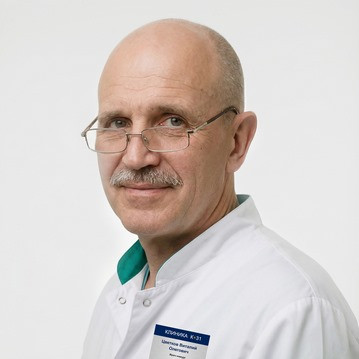
Tsvetkov Vitaly Olegovich
Experience 40 years
Make an appointment
Tsvetkov
Vitaly Olegovich
Surgeon
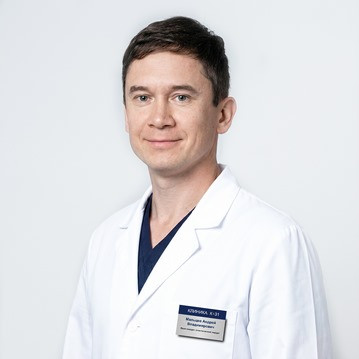
Maltsev Andrew Vladimirovich
Experience 18 years
Make an appointment
Maltsev
Andrew Vladimirovich
Surgeon, plastic surgeon
Malygin Sergey Evgenyevich
Experience 31 year
Make an appointment
Malygin
Sergey Evgenyevich
Oncologist-mammologist, surgeon
Shabrin Alexei Valerevich
Experience 19 years
Make an appointment
Shabrin
Alexei Valerevich
Surgeon
Kovylov Aleksey Olegovich
Experience 20 years
Make an appointment
Kovylov
Aleksey Olegovich
Specialist in wounds and wound infections, diabetic foot doctor
Kim Ilya Viktorovich
Experience 27 years
Make an appointment
Kim
Ilya Viktorovich
Surgeon
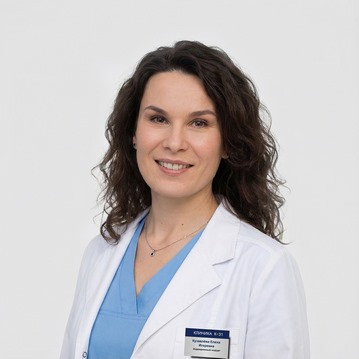
Kuzavleva Elena Igorevna
Experience 19 years
Make an appointment
Kuzavleva
Elena Igorevna
Endocrine surgeon
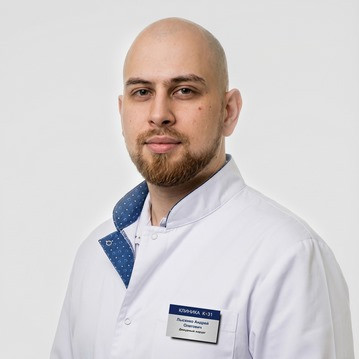
Lysenko Andrey Olegovich
Experience 10 years
Make an appointment
Lysenko
Andrey Olegovich
Surgeon on duty
Ivanchik Inga Yakovlevna
Experience 20 years
Make an appointment
Ivanchik
Inga Yakovlevna
Surgeon, phlebologist
Shpilevoy Nikolay Yurievich
Experience 20 years
Make an appointment
Shpilevoy
Nikolay Yurievich
Cardiovascular surgeon, surgeon, ultrasound specialist
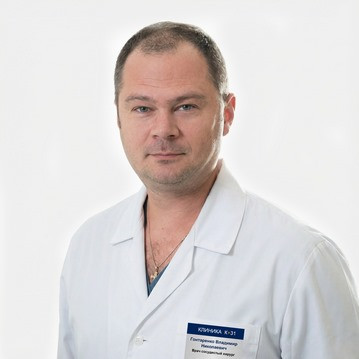
Gontarenko Vladimir Nikolaevich
Experience 24 years
Make an appointment
Gontarenko
Vladimir Nikolaevich
Angiosurgeon
Volenko Ivan Alexandrovich
Experience 15 years
Make an appointment
Volenko
Ivan Alexandrovich
Surgeon-oncologist-mammologist, plastic surgeon
Kushkin Ilya Olegovich
Experience 7 years
Make an appointment
Kushkin
Ilya Olegovich
Surgeon
Natalinov Ruslan Viktorovich
Experience 15 years
Make an appointment
Natalinov
Ruslan Viktorovich
Surgeon, ultrasound diagnostics doctor
Blinov Dmitry Alexandrovich
Experience 15 years
Make an appointment
Blinov
Dmitry Alexandrovich
Oncologist
Adyrkhaev Zaurbek Akhsarbekovich
Experience 17 years
Make an appointment
Adyrkhaev
Zaurbek Akhsarbekovich
Vascular surgeon
Nikitina Nina Mikhailovna
Experience 12 years
Make an appointment
Nikitina
Nina Mikhailovna
Leading surgeon, thoracic surgeon
Hakopyan Artashes Aramovich
Experience 20 years
Make an appointment
Hakopyan
Artashes Aramovich
Oncologist, surgeon
Grechin Anton Ivanovich
Experience 8 years
Make an appointment
Grechin
Anton Ivanovich
Surgeon
Magdiev Arslan Khulatdaevich
Experience 14 years
Make an appointment
Magdiev
Arslan Khulatdaevich
Surgeon, oncologist, phlebologist
No Specify
Experience 11 years
Make an appointment
Samara
Maxim
Surgeon
Iluridze Georgy Davidovich
Experience 9 years
Make an appointment
Iluridze
Georgy Davidovich
Oncologist, traumatologist-orthopedist, surgeon
Andreev Alexey Olegovich
Experience 16 years
Make an appointment
Andreev
Alexey Olegovich
Surgeon
Chukumov Rinat Maratovich
Experience 32 years
Make an appointment
Chukumov
Rinat Maratovich
Maxillofacial surgeon
Balkarov Beslan Khasenovich
Experience 17 years
Make an appointment
Balkarov
Beslan Khasenovich
Surgeon, oncologist
Melkonyan Lia Eduardovna
Experience 13 years
Make an appointment
Melkonyan
Lia Eduardovna
Oncologist, oncologist-mammologist, surgeon, radiologist, ultrasound diagnostician
Okhotin Viktor Viktorovich
Experience 18 years
Make an appointment
Okhotin
Viktor Viktorovich
Oncologist-mammologist, ultrasound diagnostician
All specialists
2GIS Award
2GIS Award

This award is given to clinics with the highest ratings according to user ratings, a large number of requests from this site, and in the absence of critical violations.

«Good place» according to Yandex

This award is given to clinics with the highest ratings according to user ratings. It means that the place is known, loved, and definitely worth visiting.

Our doctors are laureates of the ProDoctors Award

The ProDoctors portal collected 500 thousand reviews, compiled a rating of doctors based on them and awarded the best. We are proud that our doctors are among those awarded.
Make an appointment at a convenient time on the nearest date

Price

Reception
Price
Primary surgeon's appointment
from 5 460 ₽
Repeated appointment with a surgeon
from 5 460 ₽
Reception of a doctor - a surgeon at home in Moscow within the Moscow Ring Road
from 19 030 ₽

Other services

Abdominal surgery AV heart block Adrenal adenoma Arthroscopy of the knee joint Bariatric surgery Bariatrics Nott's disease (trigger finger) Inflammation of the salivary glands (sialadenitis) Home visit Rectal prolapse (prolapse of the rectum) Gonarthrosis (osteoarthrosis of the knee joint) Diagnosis and treatment of hernia of the white line of the abdomen Treatment of TMJ (temporomandibular joint) dysfunction Benign soft tissue neoplasms Gallstone disease (cholelithiasis) Knee replacement Shoulder impingement syndrome Interventional radiology Correction of the nasal septum Treatment of coronary heart disease (CHD) Compression fracture of the spine Consultation with a vascular surgeon Laparoscopic hysterectomy (removal of the uterus) Laparoscopic surgery Treatment of anal fissures Treatment of ovarian apoplexy (rupture) Treatment of Graves' disease (diffuse toxic goiter) Ingrown toenail removal Treatment of hidradenitis suppurativa under the arm Treatment of spinal hernia Treatment of diastasis recti Treatment of intestinal obstruction Treatment of dupuytren's contracture Morton's neuroma treatment Treatment of uterine prolapse Treatment of vaginal wall prolapse Treatment of felon Treatment of a broken finger Treatment of a humerus fracture Treatment of jaw fracture Treatment of femoral neck fracture Treatment of perforated gastric ulcer Лечение птоза верхнего века Treatment of heel spurs Treatment of endometrioid ovarian cysts Minimally invasive proctology Eye microsurgery Neurosurgery: what does a neurosurgeon treat? Emergency surgery Circumcision General surgery Oncosurgery Gallbladder surgery Thyroid surgery Операция паховой грыжи Prostate adenoma removal surgery Surgery to remove veins for varicose veins Esophageal Hernia Removal Surgery Inguinal Hernia Surgery for Men Surgery for varicocele Surgery for a torn meniscus in the knee joint Carpal Tunnel Syndrome Surgery Whipple’s procedure Pancreatic necrosis (necrosis of the pancreas) Appointment with a proctologist in Moscow Surgeon's appointment (fee required) Radiofrequency denervation of the spine (RFD) Gastric resection is a surgery to reduce the stomach size for weight loss Septoplasty is a surgery to correct the nasal septum. Vascular surgery Spinal stenosis Stenosing atherosclerosis of the brachiocephalic arteries Stenting of the heart vessels (coronary arteries) Treatment of tonsillitis Puncture (biopsy) of the thyroid gland Thoracic surgery in Moscow Thoracoscopic surgery Pulmonary embolism Breast augmentation surgery with implants Removal of anal fringes Appendectomy Removal of atheroma Wart removal Hemorrhoid removal: a complete guide to surgeries and methods Removal of hygroma Gallbladder removal (cholecystectomy) Bartholin's gland cyst removal Breast cyst removal Removal of bunions on the feet (surgery) Lipoma (wen) removal Removal (extirpation) of the uterus - hysterectomy Removal of papillomas Laser removal of papillomas on the eyelid Removal of polyp in the uterus Umbilical hernia removal Umbilical hernia removal Mole removal Removal of a rectal fistula Thyroid nodule removal Removal of fibroadenoma of the mammary gland Removal of a boil Removal of Hallux Valgus (Bone on the Foot) Chalazion removal Removal of the thyroid gland (thyroidectomy) Installation and removal of a stent in the ureter Fibrocystic mastopathy of the mammary glands Surgical gynecology Surgical cardiology Surgical coloproctology Surgical mammology Surgical otolaryngology Surgical dentistry Surgical traumatology Surgical urology Surgical treatment Surgical treatment of hernias Fast track surgery Maxillofacial surgery Lump on the labia Gastric bypass Emergency hospitalization Endovascular surgery Hip replacement Epithelial coccygeal tract: treatment, removal surgery (excision) Barley on the eye
Make an appointment

Appointment to the doctor

Fill out the form, our managers will contact you within 15 minutes

Reviews

I'd like to thank surgeon Samara M. for his exceptional professionalism and truly skilled hands. The removal of the sebaceous cyst behind my earlobe was quick, gentle, and completely calm. I was especially impressed by how simply and clearly he explained everything—my anxiety immediately disappeared, and I felt confident that everything would be fine. Thank you for your skill and compassion!
12.01.2026
Anatoly

About doctor:

Samara Maxim

The appointment went very well. The doctor bandaged the wound. I received the care I needed. The specialist was attentive and friendly.
12.01.2026
Olga

About doctor:

Samara Maxim

Good and responsive doctor!
29.12.2025
S. Irina Viktorovna

About doctor:

Melkonyan Lia Eduardovna

CIRCUMSTANCES AND ATTENTION OF A SPECIALIST
20.12.2025
T. Elena Mikhailovna

About doctor:

Ivanchik Inga Yakovlevna

A very good, responsive and competent doctor! ☀️
09.12.2025
S. Tatyana Vladimirovna

About doctor:

Melkonyan Lia Eduardovna

I was very pleased with the doctor’s professionalism!
03.12.2025
S. Maria Yuryevna

About doctor:

Melkonyan Lia Eduardovna

I consulted a surgeon in Samara. I had an abscess that was really bothering me. I specifically chose this doctor because I read that he was a specialist in the removal of tumors and purulent surgery with extensive experience. During the appointment, the doctor incised and cleaned the abscess. My main impression from the appointment was complete trust. The surgery was completely painless, although I was very nervous. I want to highlight the doctor's many strengths: his high level of professionalism, amazing precision in his work, and his attentive attitude towards the patient. He explained everything in detail, constantly inquired about my well-being, and maintained a calm and trusting atmosphere. I did not notice any drawbacks. The result exceeded expectations: the wound healed very quickly and without complications. The treatment was completely successful. A huge thank you to the doctor for his skillful hands, sensitivity, and the confidence he gives his patients!
01.12.2025
Anna

About doctor:

Samara Maxim

The doctor was very professional in treating this lesion. Compared to a similar operation I had in Nanjing in 2022, this time everything went better.
29.11.2025
L. Chengting
Attentive, friendly, clear language. Thank you.
29.11.2025
R. Olga Ivanovna

About doctor:

Ivanchik Inga Yakovlevna

I express my sincere gratitude to surgeon Samara Maxim for the surgery (lipoma removal) and professional treatment. The recommendations before the surgery and during the recovery period were clear and understandable!
27.11.2025
Julia A.

About doctor:

Samara Maxim

Почему К+31?
К + 31 — full-cycle multidisciplinary medical centers, including the possibility of providing medical services of European quality level.
К + 31 — are leading doctors and diagnostics using high-tech equipment from world manufacturers (Karl Storz, Olympus, Siemens, Toshiba, Bausch&Lomb, Technolas, Zeiss, Topcon).
К + 31 — is ethical. The staff of K+31 clinics maintain open relationships with patients and partners. An individual approach to each patient is the basis of our service standards.
К + 31 — is modernity. On call 24/7: call center operators will answer your questions at any time and book you an appointment with doctors. Contact us by phone, through the feedback form on the website and Max.
Our clinics

K+31 on Lobachevskogo

st. Lobachevskogo, 42/4

+7 499 999-31-31

Subway
1
11
Prospect Vernadsky Station
By a car
Lobachevsky, we pass the first barrier (security post of the City Clinical Hospital No. 31), turn right at the second barrier (security post K+31)
Parking pass
Opening hours
Mon-Fri: 08:00 – 21:00
Saturday: 09:00 – 19:00
Sunday: 09:00 – 18:00
K+31 Petrovskie Vorota

1st Kolobovsky pereulok, 4

74999993131

Subway
9
Tsvetnoy Bulvar
10
Trubnaya
By a car
Moving along Petrovsky Boulevard, turn onto st. Petrovka, right after - on the 1st Kolobovsky per. Municipal parking
Opening hours
Mon-Fri: 08:00 – 21:00
Sat-Sun: 09:00 – 19:00
K+31 West

Orshanskaya, 16/2; Ak. Pavlova, 22

74999993131

Subway
3
Molodezhnaya
By a car
Moving along Orshanskaya street, we turn to the barrier with the guard post K+31. You do not need to order a pass, they will open it for you
Opening hours
Mon-Fri: 08:00 – 21:00
Sat-Sun: 09:00 – 18:00
Didn't find the service you were looking for?

Экстренная помощь