
Bariatrics

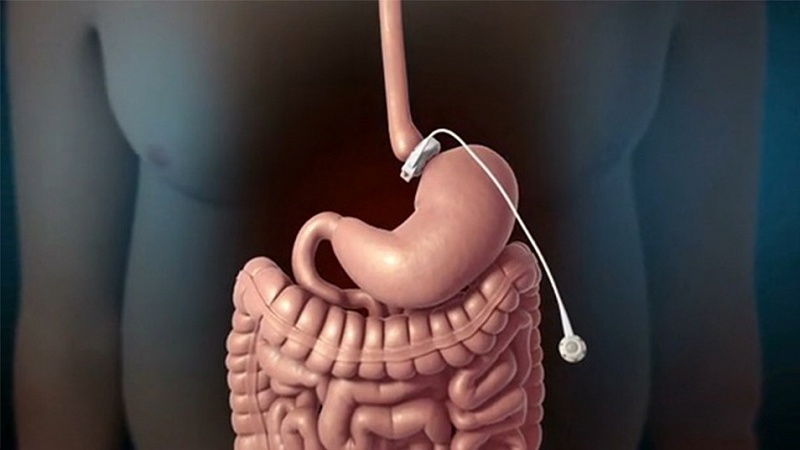
The purpose of bariatric surgery is the fight against excess weights. This is a young area of medicine for our country, although it is common in the west. Today, bariatria is the most effective treatment for the most severe form of obesity (morbid).

Conservative treatment or bariatric surgery?

Overweight people are often afraid to go to surgery, preferring conservative methods. For comparison, the official statistics of the WHO.

Conservative treatment

Diet. On average, weight is reduced by 6% if the patient will observe it constantly and be monitored by a dietitian for life.

Physical exercise. A decrease of 3% (if combined with diet), while increasing the risk of heart attack, seizures, stroke and hypertension.

Medicines At 1%, but some drugs are prohibited, as there are many side effects.

Psychotherapy A decrease of 10% (the duration of therapy is from a year), but about 95% of patients gain their previous weight after five years.

Bariatric surgery

The indicators depend on the chosen technique, individual characteristics of the body and type of operation. Patients lose between 45% and 100% of their weight. If a person constantly visits a specialist after surgery, he continues to lose weight.

In addition, bariatria helps to cope with other ailments:

  • normalization of hypertension in 61% of patients;
  • 85% cure for sleep apnea;
  • the lipid profile is better in 70%;
  • diabetes goes away at 78%, it becomes easier - 95%.
Bariatric surgery in the clinic to K+31

Surgical treatment of excess weight is an opportunity to restore strength, good mood, reduce the overall load on the entire body, and on the joints in particular. Preliminary preparation for the operation takes place with the involvement of doctors: a nutritionist, an endocrinologist, a psychotherapist and/or a plastic surgeon.

We have several methods practiced:

  • adjustable gastric banding;
  • sleeve gastroplasty;
  • gastric bypass surgery;
  • biliopancreatic shunting.

Each of them has its positive aspects and contraindications. Therefore, before the operation, the patient undergoes a mandatory examination - it will help to identify all the features of the body and prescribe the right treatment.

Indications for bariatria: BMI (height / weight index) - more than 40. In some cases, for example, with diabetes, arthritis and high pressure on the joints - at least 35.

Clinic K+31 - effective treatment

  • Effective Weight Loss Methods
  • Staff with more than 10 years of experience
  • Operating rooms are equipped with the latest equipment from world manufacturers
  • Comfortable hospital and constant monitoring of the patient’s health

Service record

Services

  • Hemorrhoid removal: a complete guide to surgeries and methods
  • Gastric bypass
  • Vascular surgery
  • Removal of papillomas
  • Esophageal Hernia Removal Surgery
  • Surgery for varicocele
  • Removal of the uterus (hysterectomy)
  • Wart removal
  • Treatment of felon
  • Treatment of perforated gastric ulcer
  • Appendectomy
  • Hip replacement
  • Treatment of femoral neck fracture
  • Adrenal adenoma
  • Umbilical hernia removal
  • Surgery for a torn meniscus in the knee joint
  • Treatment of endometrioid ovarian cysts
  • Stenosing atherosclerosis of the brachiocephalic arteries
  • Treatment of a broken finger
  • Prostate adenoma removal surgery
  • Gastric resection is a surgery to reduce the stomach size for weight loss
  • Shoulder impingement syndrome
  • Coronary heart disease (CHD)
  • Rectal prolapse (prolapse of the rectum)
  • Treatment of hidradenitis suppurativa under the arm
  • Surgical traumatology
  • Laparoscopic hysterectomy (removal of the uterus)
  • Home visit
  • Nott's disease (trigger finger)
  • Surgical coloproctology
  • Removal of polyp in the uterus
  • Microsurgery
  • Installation and removal of a stent in the ureter
  • Maxillofacial surgery
  • Gallbladder removal (cholecystectomy)
  • Whipple’s procedure
  • Pancreatic necrosis (necrosis of the pancreas)
  • Eye microsurgery
  • Inguinal Hernia Surgery for Men


Specialists

All specialists
Zhao
Alexey Vladimirovich

Chief physician of the network

Doctor of Sciences, PhD, professor

Udin
Oleg Ivanovich

Deputy chief physician for surgery, surgeon

PhD

Korolev
Sergei Vladimirovich

Deputy chief physician for medical affairs, surgeon, oncologist

PhD

Shapovalyants
Sergei Georgievich

Chief Consultant in Surgery, Surgeon

Tsvetkov
Vitaly Olegovich

Surgeon

Doctor of Sciences, PhD

Malygin
Sergey Evgenyevich

Oncologist-mammologist, surgeon

Kovylov
Aleksey Olegovich

Specialist in wounds and wound infections, diabetic foot doctor

Kim
Ilya Viktorovich

Surgeon

PhD, research fellow

Ivanchik
Inga Yakovlevna

Surgeon, phlebologist

PhD

Shpilevoy
Nikolay Yurievich

Cardiovascular surgeon, surgeon, ultrasound specialist

PhD

Volenko
Ivan Alexandrovich

Surgeon-oncologist-mammologist, plastic surgeon

Natalinov
Ruslan Viktorovich

Surgeon, ultrasound diagnostics doctor

Nikitina
Nina Mikhailovna

Leading surgeon, thoracic surgeon

Magdiev
Arslan Khulatdaevich

Surgeon, oncologist, phlebologist

PhD

Iluridze
Georgy Davidovich

Oncologist, traumatologist-orthopedist, surgeon

PhD

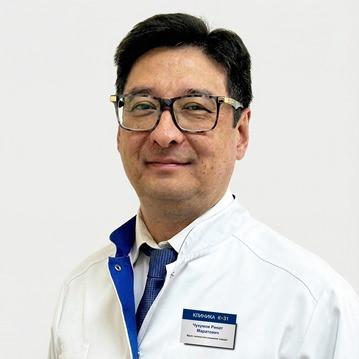
Chukumov
Rinat Maratovich

Maxillofacial surgeon

PhD

Melkonyan
Lia Eduardovna

Oncologist, oncologist-mammologist, surgeon, radiologist, ultrasound diagnostician

Kovalenko
Yuri Alekseevich

Surgeon

Doctor of Sciences, PhD

Okhotin
Viktor Viktorovich

Oncologist-mammologist, ultrasound diagnostician

Matveev
Nikolay Lvovich

Head of the hernia surgery center, surgeon, doctor of medical sciences, professor

Doctor of Sciences, PhD, professor

Экстренная помощь