
Emergency Surgical Care
Surgical care is divided into planned and urgent (emergency). In the former case, patients make an appointment, planning their visit in advance, and are then hospitalized for surgery. Emergency surgery requires immediate treatment, as without prompt medical attention, their condition can rapidly deteriorate.

specialists

equipment

treatment



24-hour oncology surgery
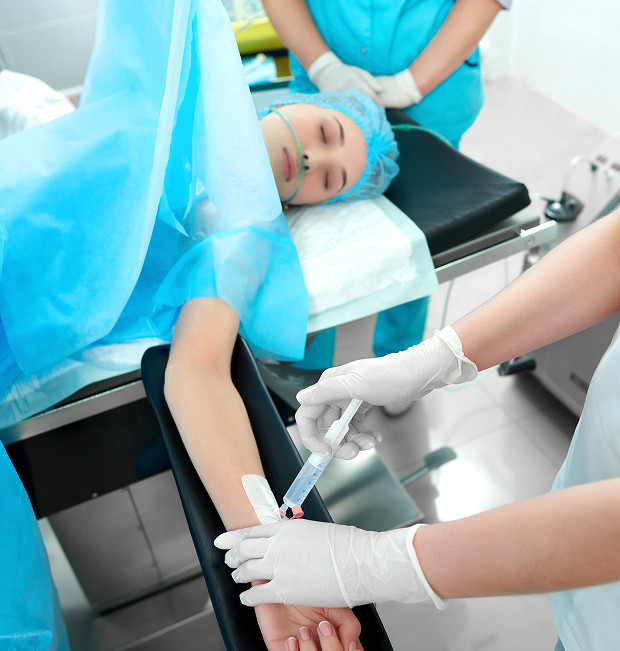
The K+31 Center provides 24/7 medical care to cancer patients. Our experienced surgeons are ready to perform both planned and emergency surgeries.
Oncology can sometimes be accompanied by severe complications requiring urgent surgical intervention. For example, if:
- Intestinal obstruction caused by a tumor has developed.
- Internal bleeding has occurred.
- Symptoms of acute intoxication have appeared.
Such situations cannot be delayed for a minute, otherwise the consequences will be unpredictable. This is why the surgeon must act immediately.
However, most cancer patients undergo preoperative preparation in advance. After a full examination and specialist consultation, the optimal surgery date is set. Patients prepare mentally and physically by undergoing the necessary tests and additional procedures. Surgeons plan every step in advance to minimize risks and achieve the best treatment outcome.
The medical staff at K+31 Hospital works around the clock, ensuring constant monitoring of patients' conditions. This ensures they receive qualified care at the right time, whether it's a planned procedure or an emergency.
24-hour surgeons in Moscow
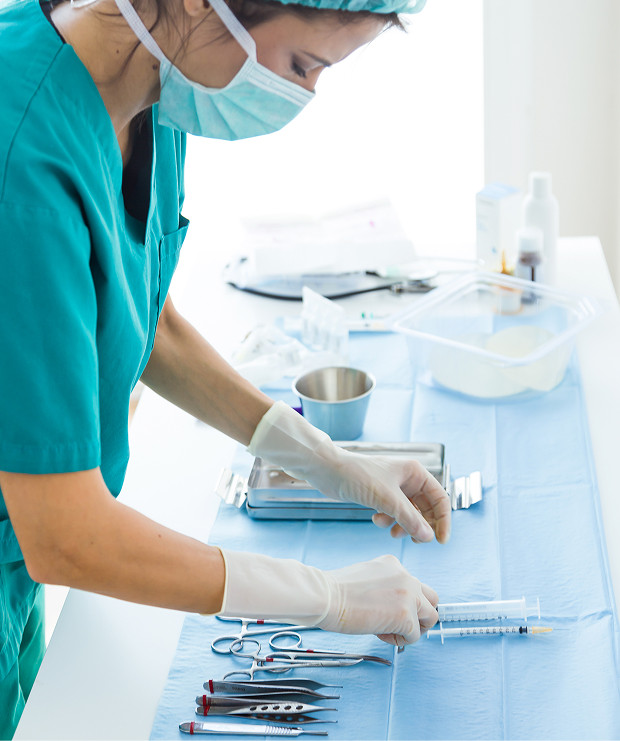
In the capital, medical care is available to city residents 24/7. But access to surgery is especially important—this branch of medicine addresses the most pressing health issues.
The K+31 Clinic offers unique conditions: surgeons are on duty 24/7. The clinic has everything necessary to provide high-quality care:
- The operating rooms are equipped with modern technology.
- The intensive care unit maintains the most complex patients in a stable condition.
- The emergency department accepts all those requiring urgent treatment.
Patients are guaranteed professional consultation and assistance from the medical center's experienced specialists. Whether it's an injury, an exacerbation of a chronic disease, or the need for emergency surgery, the clinic is ready to see you promptly.
The inpatient department provides a comfortable stay and constant monitoring by doctors and nurses, ensuring a faster and more effective recovery. Moscow residents can feel confident and at ease knowing that a 24-hour surgeon is always ready to help.
The K+31 Clinic has all the necessary facilities and capabilities to provide emergency surgical care to patients. The emergency room and trauma center are open 24 hours a day and can be reached at any time.
The K+31 Clinic offers emergency hospitalization and transportation. However, if immediate assistance is needed, we recommend calling an ambulance by dialing 112 (from a mobile phone) or 103 (from a landline or mobile phone).
Call a surgeon to your home in Moscow
Indications for a House Call - When to Call a Surgeon at Home
Calling a surgeon at home is advisable in a number of important cases:
- Severe pain that is so severe that it is impossible to wait for a clinic visit
- Tissue and joint injuries. Wounds, cuts, bruises - all these injuries require examination by a specialist directly at the scene.
- Mobility issues. Some patients are unable to move freely. For these individuals, calling a surgeon at home is the optimal way to receive treatment.
This service is especially appreciated by the elderly, pregnant women, and the disabled.
Benefits of a Home Surgeon
The main advantages of home surgeon care:
- The doctor arrives within an hour or two of your call.
- You won't have to wait in lines or interact with a large number of people, which reduces the risk of contracting infectious diseases.
- Examinations and procedures are performed in the comfort of your own home, which helps reduce stress and improve the effectiveness of treatment.
Furthermore, by visiting a specialist at home, the patient receives additional psychological support.
How does a home visit work?
The procedure begins with a thorough examination of the patient's complaints and general well-being. The doctor then conducts a full examination of the affected area. The specialist may perform a number of necessary procedures:
- Treat the wound with antiseptics and apply a sterile dressing.
- Apply sutures or immobilize the fracture with a plaster cast.
- Prescribe medication.
- Determine the need for further hospitalization.
If necessary, the doctor will refer the patient to the hospital.
General information
What pathologies are treated by emergency physicians?
Physicians providing emergency surgical care to patients most often encounter the following conditions:
- Acute appendicitis, cholecystitis, cholangitis, pancreatitis
- Gastric ulcer, duodenal ulcer
- Intestinal obstruction
- Renal or intestinal colic
- Exacerbation of gallstones or urolithiasis
- Burns, wounds to any part of the body
- Dislocations, subluxations of joints
- Sprains of ligaments, muscles
- Any injuries to the arms, legs, Torso, head
- Soft tissue contusions
- Bleeding
- Concussion
- Closed and open injuries to the abdomen, chest, and head
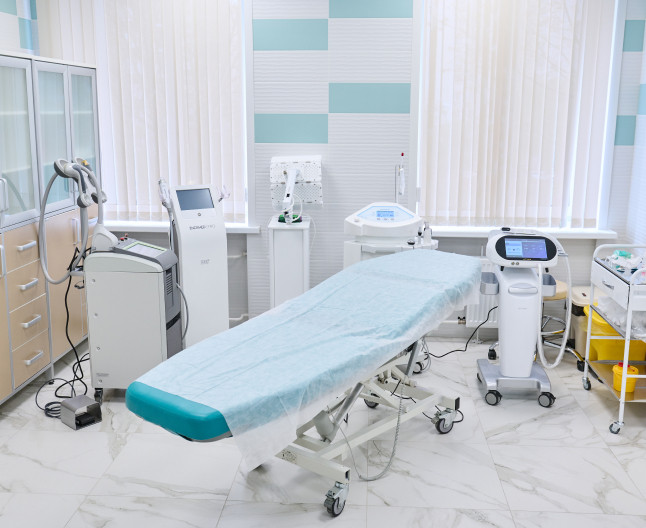
These conditions often require surgical intervention. K+31 Clinic has a multidisciplinary inpatient department, including operating rooms, an intensive care unit, and comfortable general patient rooms equipped with modern equipment. While inpatient, patients are provided with full meals four times a day.




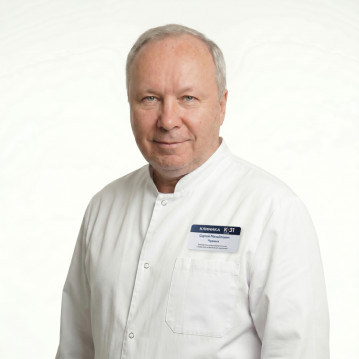
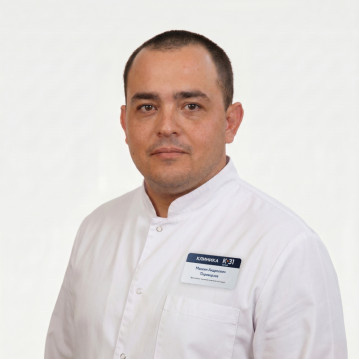
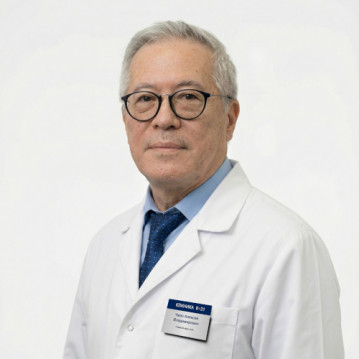
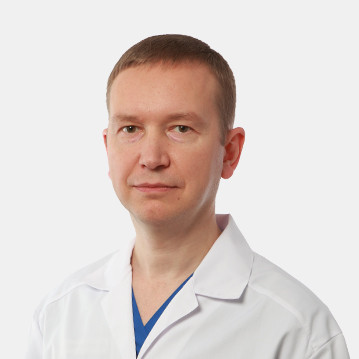
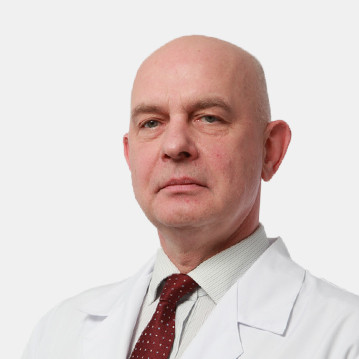
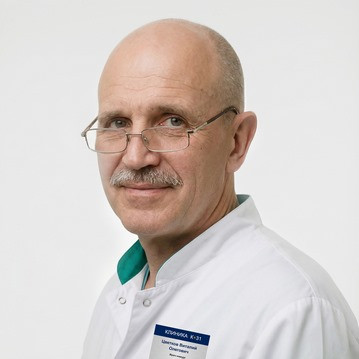
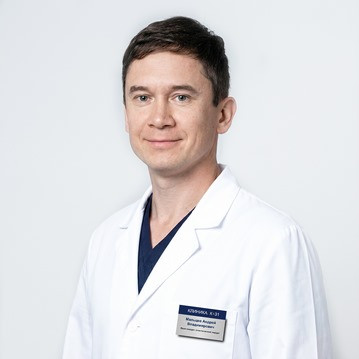
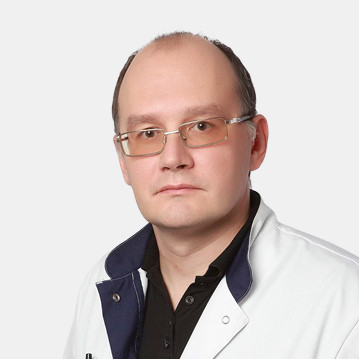
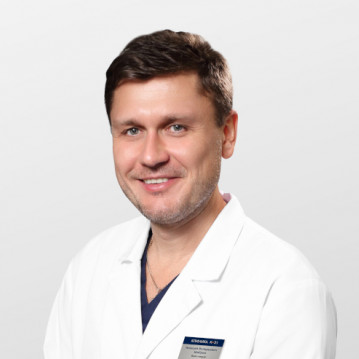
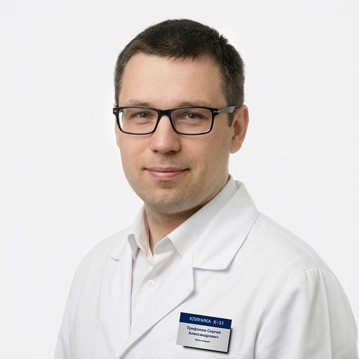
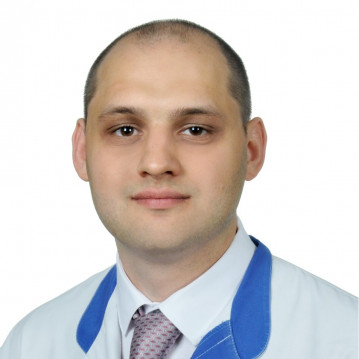
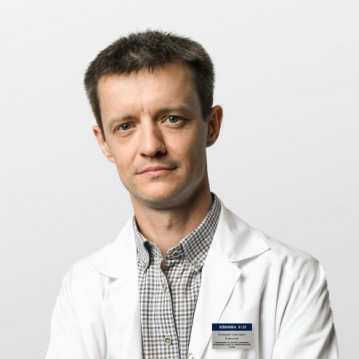
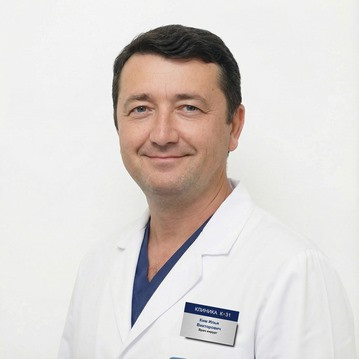
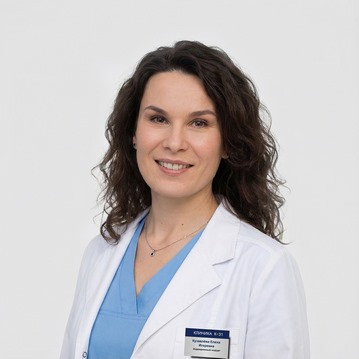
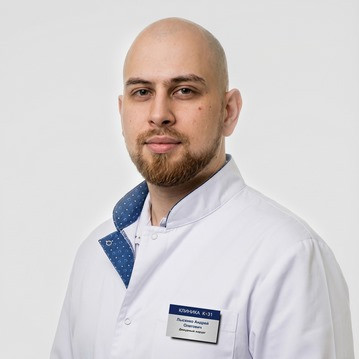
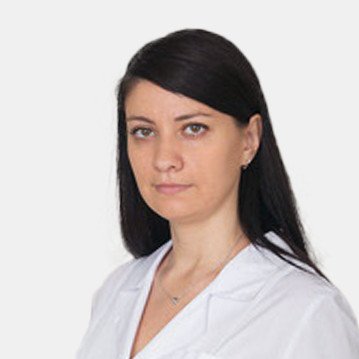
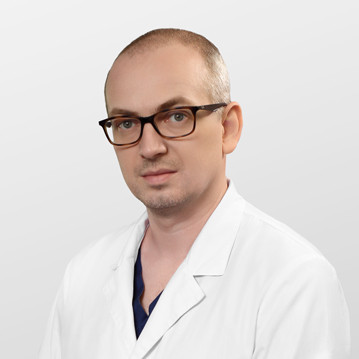
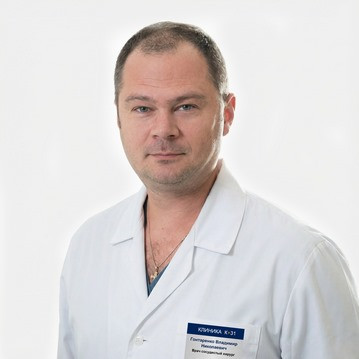
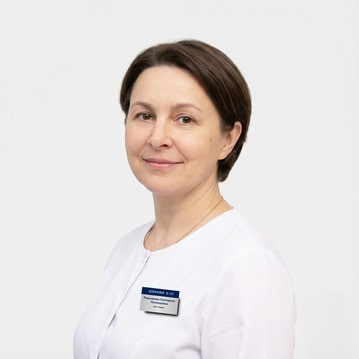
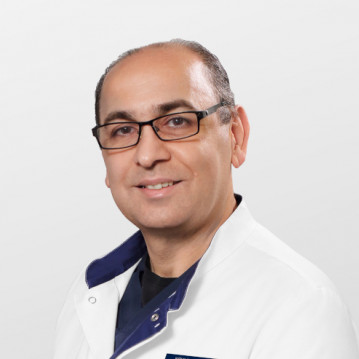
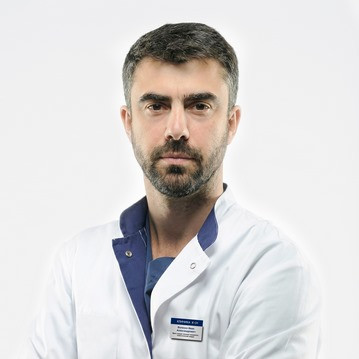
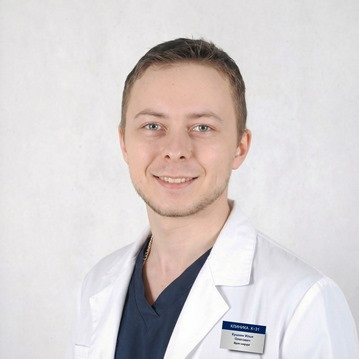
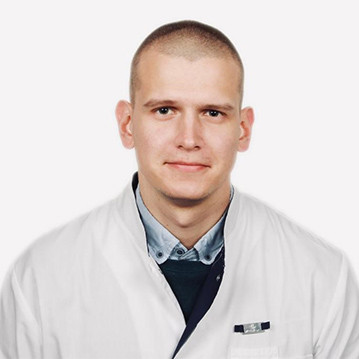
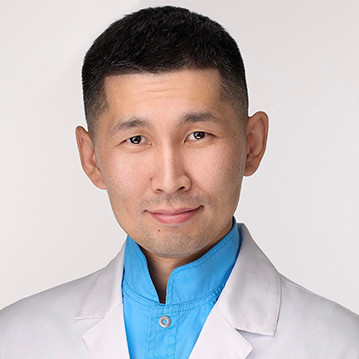
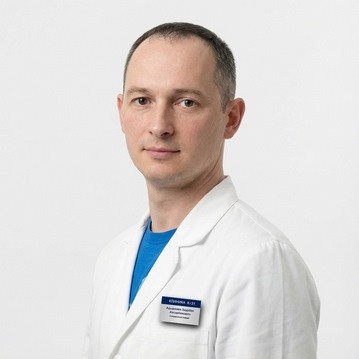
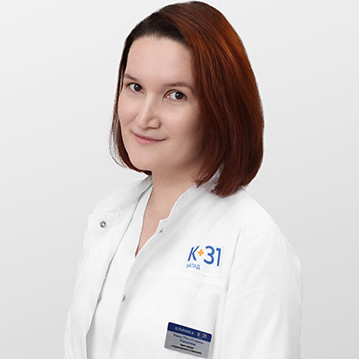
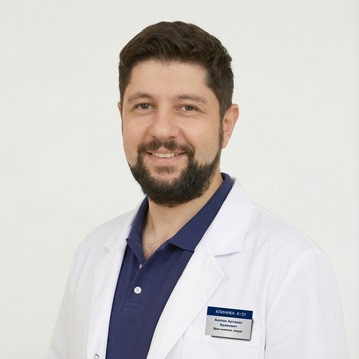
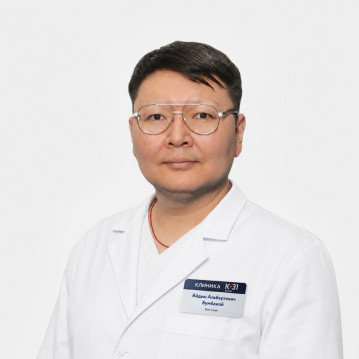
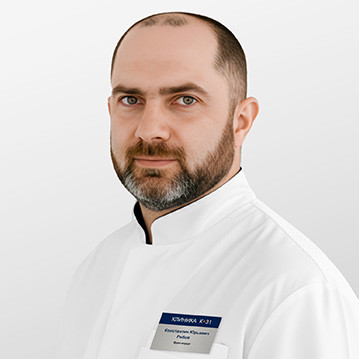
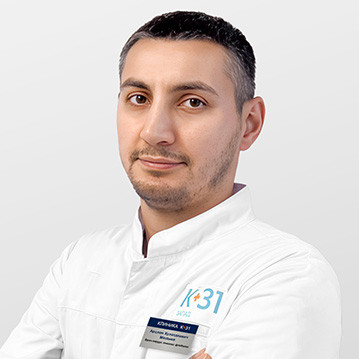
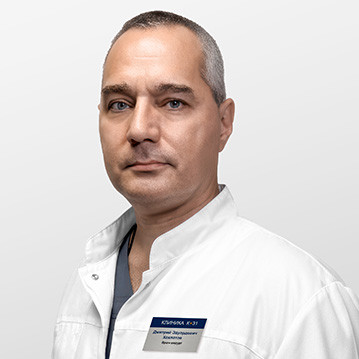
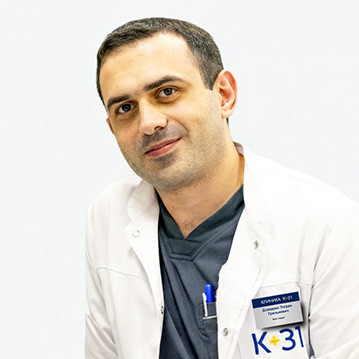
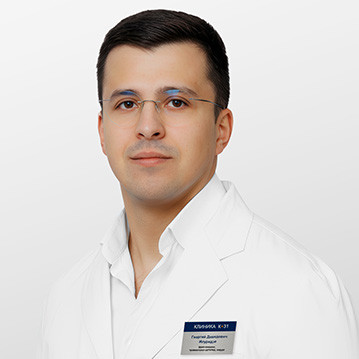
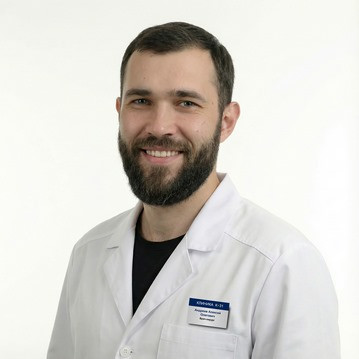
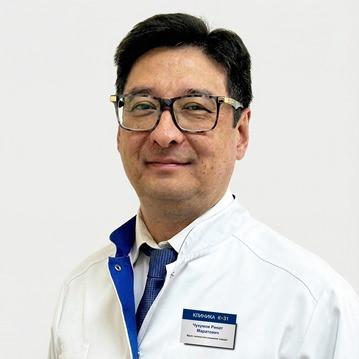
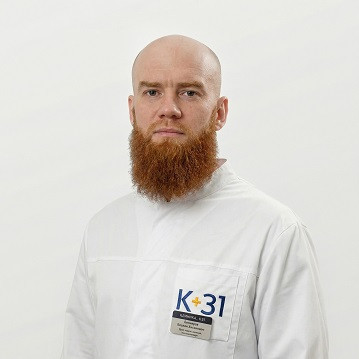
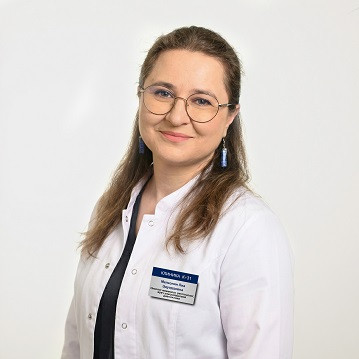
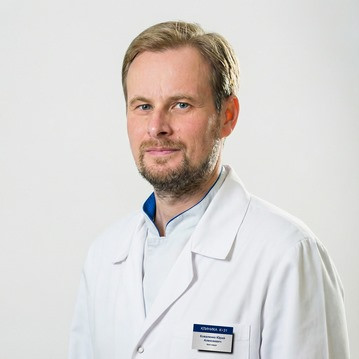
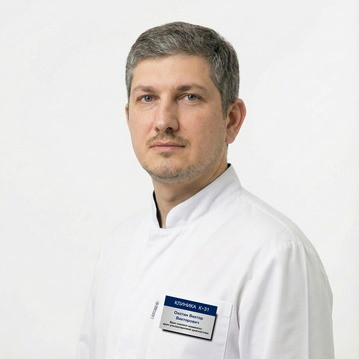
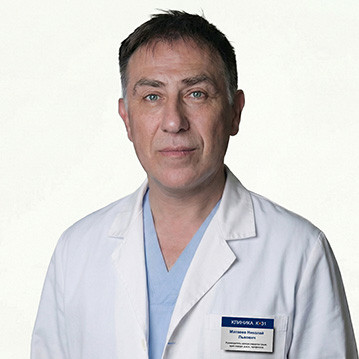
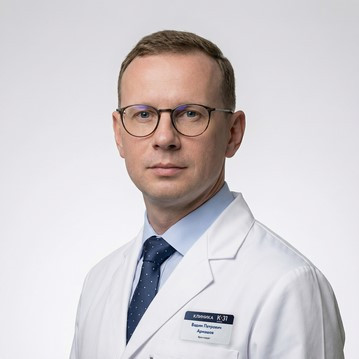
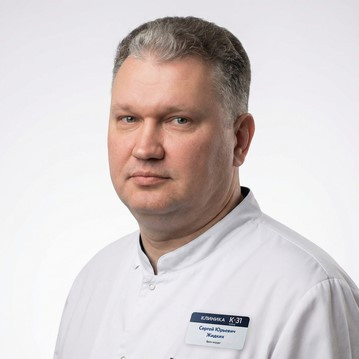
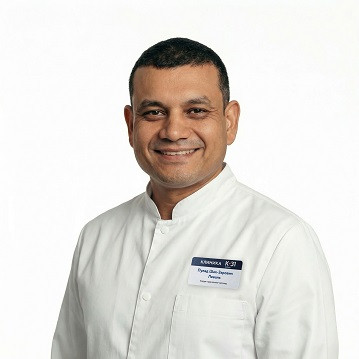
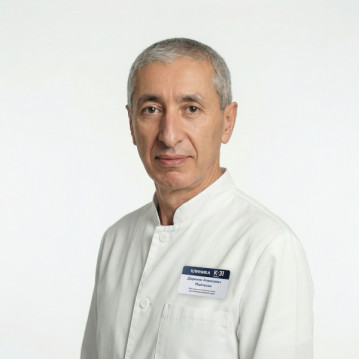
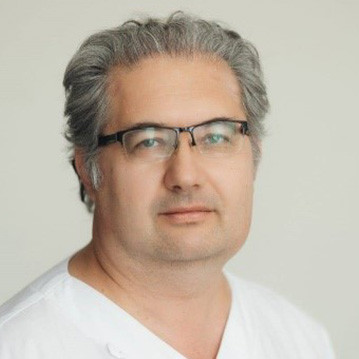
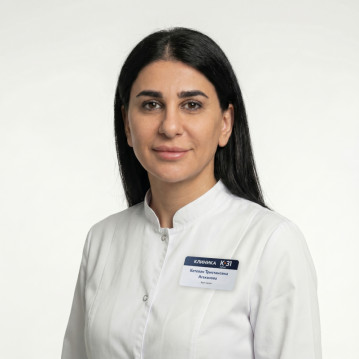
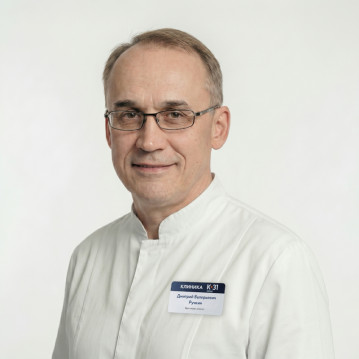
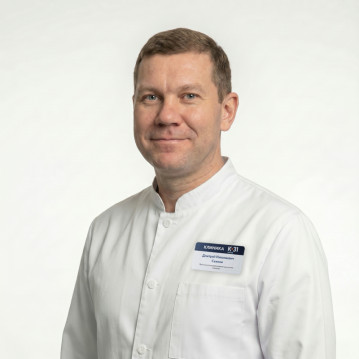
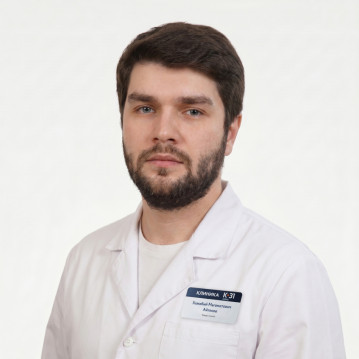
Our doctors

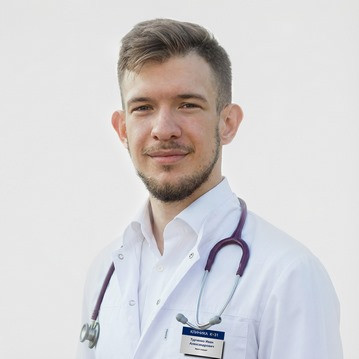

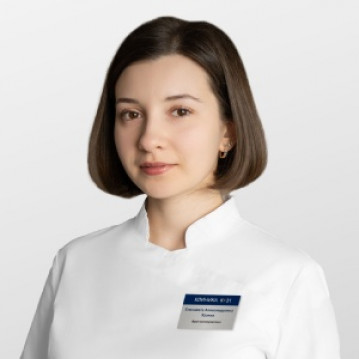
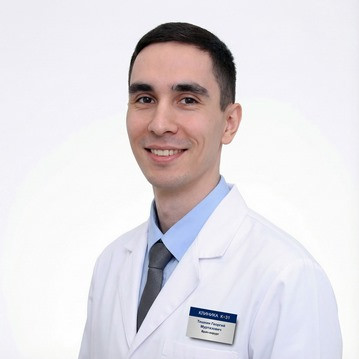
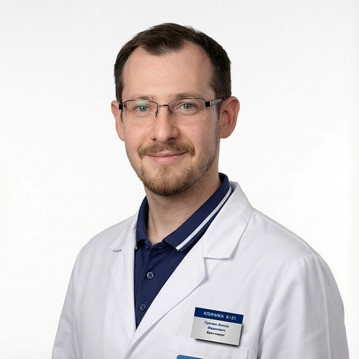



This award is given to clinics with the highest ratings according to user ratings, a large number of requests from this site, and in the absence of critical violations.

This award is given to clinics with the highest ratings according to user ratings. It means that the place is known, loved, and definitely worth visiting.

The ProDoctors portal collected 500 thousand reviews, compiled a rating of doctors based on them and awarded the best. We are proud that our doctors are among those awarded.
Make an appointment at a convenient time on the nearest date
Price
Other services

Appointment to the doctor
Reviews
Our clinics


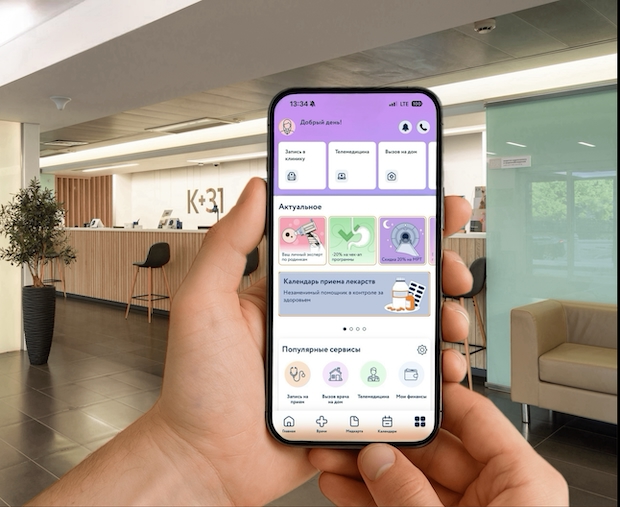
Application “Personal Account K+31”











Emergency and planned surgical interventions
Surgeons work in two areas: emergency and planned interventions. Emergency surgery is performed urgently when a patient's health is at risk. Such cases require immediate medical attention, as every minute of delay can worsen the patient's condition. Examples of emergency situations:
A planned surgery differs from an emergency one in that it is scheduled in advance, with the patient properly prepared. Here are some examples of planned interventions:
If a problem occurs, the K+31 clinic provides assistance even at night and on holidays. Doctors are ready to help every patient, regardless of the severity of the case.