Circumcision

Circumcision is a surgical procedure that removes the fold of skin covering the head of the penis. Circumcision is performed not only by doctor's orders but also for personal reasons such as aesthetics, hygiene, or religious beliefs. Age is not a factor: the procedure is performed on both children and adults.

Best
specialists
Expert
equipment
Advanced diagnostic
treatment
Sign up
Fill out the entry form on the page and we will call you back
Sign up Позвонить
Download the application “Personal Account K+31”
Everything about your health in one click!
Subscribe to social networks K+31
To keep up to date with current offers and receive useful advice about your health.

What is circumcision and its purposes

Today, circumcision is a safe, minimally invasive procedure that does not affect sensation or function.

Purposes of circumcision:

  • Medical: The procedure helps eliminate the narrowing of the foreskin and all the consequences that this condition leads to.
  • Preventive: Circumcision makes it easier to maintain hygiene, which reduces the risk of urinary tract infections.
  • Religious and cultural: In some countries, circumcision is performed at an early age as a ritual with symbolic meaning.
  • Aesthetic: to improve the appearance of the intimate area.
What is circumcision and its purposes

Indications and contraindications for circumcision
Medical indications for circumcision:

  • Phimosis: narrowing of the foreskin, preventing the glans penis from fully opening. In children, this may be normal until 3-5 years of age, but if the narrowing persists longer, causes inflammation, or impedes urination, it is called pathological phimosis. In adults, phimosis most often develops due to tissue scarring.
  • Paraphimosis: pinching of the glans penis by the compressed foreskin, resulting in impaired blood flow and swelling. It is accompanied by pain, a feeling of constriction, and severe discomfort. Without prompt medical attention, tissue necrosis may develop.
  • Chronic balanoposthitis: regular inflammation of the glans penis and foreskin. The inflammatory process may periodically subside and then return in a more aggressive form, impairing quality of life. Over time, scarring and narrowing of the foreskin may develop, making it difficult to open the glans and increasing inflammation. Without treatment, the risk of bacterial complications and mucosal changes increases.
  • Frequent urinary tract infections

If you are unsure whether you should undergo circumcision or would like a second opinion, please consult with our clinic's doctors.

Contraindications to circumcision:

  • Acute inflammatory diseases of the genitourinary system: circumcision is possible only after complete recovery.
  • Bleeding disorders: circumcision in this case is performed under the strict supervision of a hematologist.
  • Penile developmental anomalies (hypospadias, epispadias)
  • Generally serious patient condition: surgery is postponed until the condition stabilizes.

doctor k31

Methods and types of circumcision

There are several circumcision techniques. The method is selected individually.

Basic methods of circumcision:

  • Classic circumcision: performed with a scalpel or surgical scissors. The foreskin is removed manually, followed by suturing. This is a fairly traumatic procedure, requiring a long and careful recovery. To reduce patient discomfort, the doctor may use self-dissolving sutures that don't need to be removed after a period of time.
  • Clamp circumcision (clip circumcision): performed on children using devices that secure the foreskin and then cut it off without the need for stitches. This method is quite outdated; modern doctors prefer more advanced technologies.
  • Laser circumcision: the foreskin is removed using a laser beam. This minimally invasive, bloodless method offers rapid tissue regeneration. Used for patients of all ages.
  • Radiofrequency circumcision: performed using a radiofrequency knife.

Types of circumcisions based on the extent of foreskin removal:

  • Total circumcision: the surgeon completely removes the entire foreskin, leaving the glans fully exposed both in flaccid and erect states.
  • Partial circumcision: the surgeon preserves part of the foreskin. The glans may be partially covered in the flaccid state, but is completely exposed during erection.
  • High or low circumcision: determined by the location of the scar. With a high circumcision, the scar is closer to the base of the penis, with a low circumcision, closer to the coronal sulcus (the base of the glans).
  • Tight or loose circumcision: refers to the degree of skin tension after healing. With a tight circumcision, the skin is taut even when relaxed, while with a looser circumcision, it shifts easily.

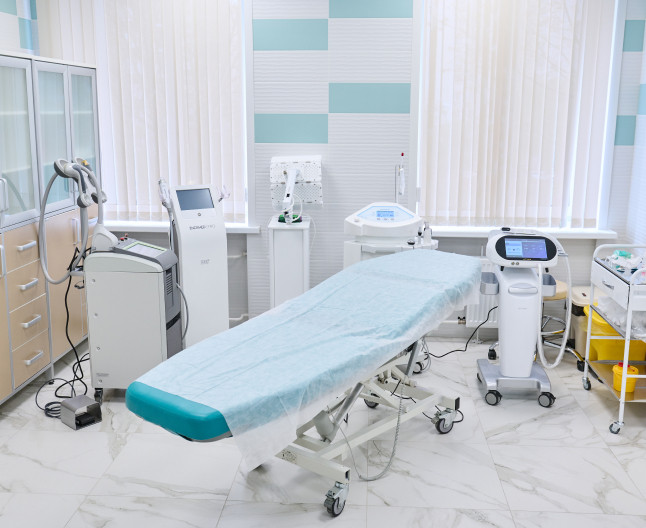
The K+31 clinic in Moscow offers modern, gentle circumcision methods that ensure minimal trauma, a quick recovery period, and a highly aesthetic result. All procedures are performed using sterile, disposable instruments, under the supervision of experienced surgeons, and in compliance with all safety standards.

Radio Wave Circumcision

Radio wave circumcision is a modern circumcision method performed using a radio wave scalpel. The device generates high-frequency waves that gently cut tissue and simultaneously coagulate blood vessels.

Advantages of the radio wave method:

  • The vessels are immediately "sealed," reducing the risk of bleeding.
  • A neat incision and gentle technique speed up recovery.
  • Minimally invasive—surrounding tissue is not damaged.
  • The procedure is performed under local anesthesia and does not require hospitalization.

Minimal type of surgery

Partial circumcision is a minimally invasive form of circumcision in which only the foreskin is removed. Most of the natural tissue is preserved.

Why is partial circumcision performed?

  • To improve hygiene if you're prone to inflammation
  • For partial phimosis
  • For aesthetic purposes—for a more open appearance while maintaining sensitivity

Preparing for surgery
General recommendations before circumcision:

  • Abstain from alcohol and smoking 5-7 days before to avoid delaying healing.
  • Avoid physical activity and exposure to cold for 24 hours.
  • On the day of surgery, perform standard hygiene and wear clean, loose-fitting underwear.

Tests and consultations before circumcision

The first step in preparing for surgery is a consultation with a specialist. The urologist carefully listens to the patient's complaints, assesses the condition of the foreskin, rules out contraindications, and determines the optimal surgical method. Patients with chronic conditions may require an additional consultation with a specialist.

Before surgery, the patient must also undergo a medical examination, including:

  • Blood test: performed to assess overall health
  • Urine test: helps rule out inflammation in the genitourinary system
  • Coagulogram: checks blood clotting
  • Blood type and Rh factor determination: indicated if data is inaccurate or missing
  • HIV, hepatitis B and C, and syphilis testing
  • ECG: prescribed for individuals at risk
Anesthesia and its types

The goal of anesthesia is to ensure the patient's comfort and emotional calm. The doctor selects the type of anesthesia individually, taking into account the patient's age, the extent of the procedure, and any comorbidities.

The main types of anesthesia for circumcision:

  • Local anesthesia: loss of sensation occurs only in the surgical area; the patient remains fully conscious.
  • Conduction anesthesia: this type of anesthesia blocks the nerve endings that innervate the penis. This method provides deeper anesthesia than local anesthesia. It is most often used in pediatrics.
  • General anesthesia: used primarily in young children or in cases where the adult patient suffers from high anxiety. Requires a preliminary examination and the participation of an anesthesiologist.
  • Sedation (medication-induced sleep): During the procedure, the patient is immersed in a state of deep relaxation, reminiscent of normal physiological sleep. After the procedure, the patient awakens easily, without disorientation, and can return to normal activities within a couple of hours.

At the K+31 clinic, pain relief is a priority. An experienced anesthesiologist supervises the procedure. For pain relief, we use modern, latest-generation medications that are quickly eliminated from the body and leave no negative effects.

General information

Surgical technique

Circumcision is performed in several sequential stages. The surgeon administers anesthesia, cleans the skin with an antiseptic, and isolates the penis with a sterile drape.

In the next step, the surgeon assesses the anatomical features, determines the amount of tissue to be removed, and checks for adhesions between the foreskin and glans. The foreskin is then removed using the chosen method. The surgeon then records the desired length of tissue, peels away any adhesions (if present), and completely exposes the glans.

To stop bleeding, the surgeon cauterizes or ligates small vessels, then applies sutures. The radio wave method eliminates the need for sutures, as the tissue edges are carefully sealed. Finally, the surgeon applies a sterile dressing, which protects the wound from infection and helps reduce swelling.

The entire procedure takes 20–40 minutes. You can leave the clinic almost immediately after the procedure.

After circumcision at the K+31 clinic, the patient can rest in a comfortable room under the supervision of medical staff. Before sending the patient home, the doctor will examine the surgical area again, answer questions, and explain how to ensure a speedy recovery.


Postoperative period and recovery

Complete tissue healing occurs within 14 days. The length of the recovery period largely depends on the patient's characteristics and the method used. After radiofrequency excision, the recovery time is minimal. In the case of scalpel excision, tissue healing takes significantly longer. The injured area requires regular care and attention.

Moderate pain, swelling, and tenderness of the scalp may persist for the first 1-2 days. Painkillers are sufficient to relieve discomfort during normal healing.

The surgical area should be gently washed daily with warm water and an antiseptic solution; avoid soap and alcohol-based products.

It is recommended to avoid physical activity, prolonged sitting, heavy lifting, and sports for 5-7 days. Sexual activity should be avoided for 3-4 weeks until the tissues have fully recovered. It is recommended to refrain from swimming in pools and open water, or visiting baths and saunas for a month.

Seek immediate medical attention if there is bleeding from the wound, purulent discharge with an unpleasant odor, severe swelling, or pain that cannot be relieved with analgesics.

What happens after circumcision

After circumcision, the glans penis is permanently exposed. Some decreased sensitivity is a natural process associated with keratinization of the skin after constant contact with tissue.

Removing the foreskin reduces the risk of chronic inflammation (balanitis and balanoposthitis), especially in those prone to infection. Daily hygiene is simplified, which is especially important in those with underlying medical conditions.

Changes in Sexual Life

Circumcision does not negatively impact sexual function. Any inflammation, microcracks, or discomfort due to phimosis before surgery disappear after circumcision. Sexual intercourse becomes less painful, and many men experience improved ejaculatory control.

For men who value the appearance of their penis, circumcision helps increase self-confidence, which positively impacts libido and the quality of their sex life.

Cost of circumcision

The cost of circumcision depends on the chosen method, the scope of medical care, the type of anesthesia, the level of the clinic, and the surgeon's qualifications. The cost is also affected by whether the procedure is being performed on an adult man or a child, and whether it is a planned or urgent procedure.

In some cases, preliminary treatment for inflammation or a consultation with related specialists may be required, which increases the final cost.

To obtain accurate cost information, we recommend scheduling a consultation with our clinic's specialists. The doctor will select the best option based on your individual needs and will explain in detail all stages of the procedure—from preparation to full recovery.

Patient reviews and surgery results

Patient reviews help better understand the surgery and recovery process. People share their personal experiences, describe their feelings during and after the procedure, and evaluate the doctor and clinic's performance. This feedback is especially important for those planning surgery and want to know what to expect afterward.

Many patients report an improved quality of life after the procedure: reduced inflammation, resolution of phimosis issues, improved hygiene, and elimination of pain or discomfort during intercourse.

Our clinic's specialists value the quality of treatment, so they regularly collect feedback and analyze results, which helps us refine our approach to each patient and provide high-quality circumcision services in Moscow.

FAQ

Is circumcision painful?

The procedure is performed under anesthesia, so there is no discomfort during the procedure. After the anesthesia wears off, some minor discomfort is possible, but it subsides quickly.

What is the best age for circumcision?

Circumcision is performed on newborns, adolescents, and adults. In children, the surgery is quicker and recovery is easier. In adults, doctors pay more attention to preparation and rehabilitation.

How long does the surgery take?

Circumcision typically takes 20-40 minutes, including preparation and suturing. The man returns home the same day.

Are scars visible after surgery?

After healing, the scar is virtually invisible. With proper technique and care, the cosmetic result is neat. To avoid visible scars, choose minimally invasive radiofrequency circumcision.

Can circumcision affect sensitivity?

Some reduction in sensitivity is possible, especially in adults. However, more often, patients report reduced discomfort and improved quality of intimate life.

If you have any questions, you can always consult a urologist, who can help you determine whether surgery is appropriate for your specific case.

How do I find out the cost of the procedure?

To learn about available foreskin removal methods and pricing, schedule a consultation with a doctor. Based on your preferences, a specialist will select the most appropriate method and calculate the cost of the procedure.

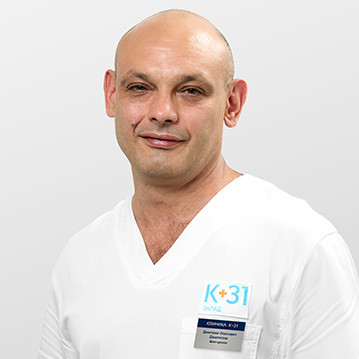
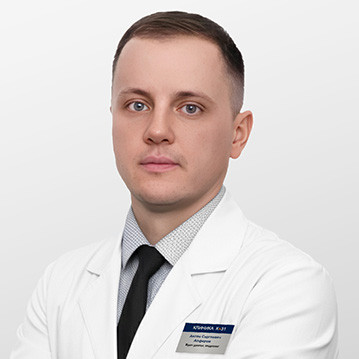
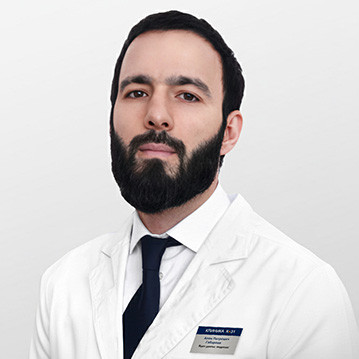
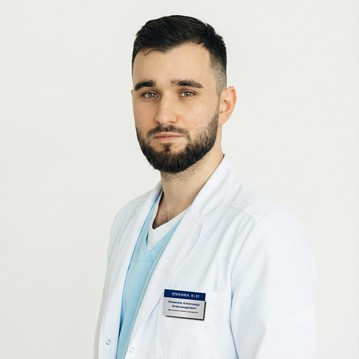
Our doctors
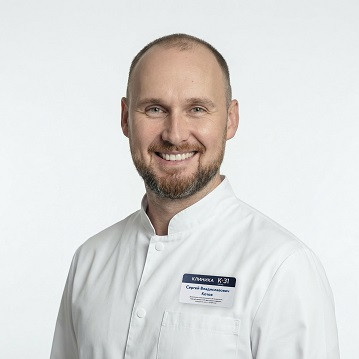
Kotov Sergey Vladislavovich
Experience 22 years
Make an appointment
Kotov
Sergey Vladislavovich
Deputy chief physician of K+31 for urology, chief urologist of K+31, urologist-andrologist, oncourologist, doctor of medical sciences, professor
Sorokin Nikolay Ivanovich
Experience 24 years
Make an appointment
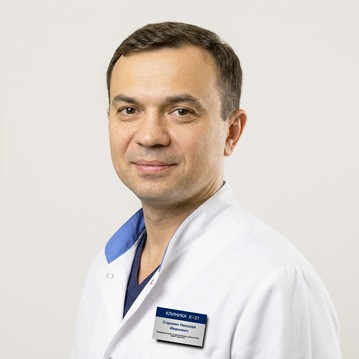
Sorokin
Nikolay Ivanovich
Head of the urology department, urologist
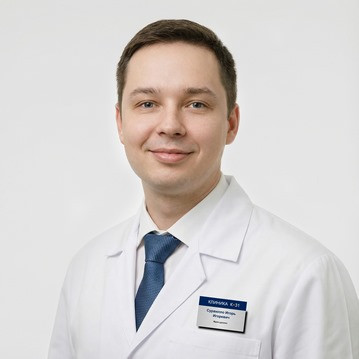
Survillo Igor Igorevich
Experience 13 years
Make an appointment
Survillo
Igor Igorevich
Urologist
Tereshchenko Suren Alexandrovich
Experience 28 years
Make an appointment
Tereshchenko
Suren Alexandrovich
Doctor urologist-andrologist
Dzhabrailov Jabrail Abdulazizovich
Experience 25 years
Make an appointment
Dzhabrailov
Jabrail Abdulazizovich
Urologist, andrologist
Pshikhachev Ahmed Mukhamedovich
Experience 23 years
Make an appointment
Pshikhachev
Ahmed Mukhamedovich
Urologist, Oncologist
Gomberg Mikhail Alexandrovich
Experience 43 years
Make an appointment
Gomberg
Mikhail Alexandrovich
Dermatovenereologist
Valeev Danil Ravilovich
Experience 6 years
Make an appointment
Valeev
Danil Ravilovich
Urologist
Dzhalilov Dmitry Olegovich
Experience 17 years
Make an appointment
Dzhalilov
Dmitry Olegovich
Urologist
Alferov Anton Sergeevich
Experience 16 years
Make an appointment
Alferov
Anton Sergeevich
Leading urologist, andrologist
Gabaraev Alan Petrovich
Experience 13 years
Make an appointment
Gabaraev
Alan Petrovich
Urologist, andrologist
Nemenov Alexander Alexandrovich
Experience 7 years
Make an appointment
Nemenov
Alexander Alexandrovich
Urologist, oncologist (oncourologist)
All specialists
2GIS Award
2GIS Award

This award is given to clinics with the highest ratings according to user ratings, a large number of requests from this site, and in the absence of critical violations.

«Good place» according to Yandex

This award is given to clinics with the highest ratings according to user ratings. It means that the place is known, loved, and definitely worth visiting.

Our doctors are laureates of the ProDoctors Award

The ProDoctors portal collected 500 thousand reviews, compiled a rating of doctors based on them and awarded the best. We are proud that our doctors are among those awarded.

Make an appointment at a convenient time on the nearest date

Price

Reception
Price
Primary urologist appointment
from 5 460 ₽
Repeated appointment with a urologist
from 5 460 ₽
Scheduled remote online consultation with a urologist using telemedicine technologies

Other services

Diagnosis and treatment of prostate adenoma in Moscow Andrological operations Balanoposthitis Prostate biopsy Peyronie's disease - causes of the disease, symptoms, stages of development, diagnosis and treatment in Moscow Varicocele, hydrocele (hydrocele) Inflammatory diseases of the urinary system Second opinion of a urologist Overactive bladder Diagnostic operations and manipulations in urology in Moscow Bladder diverticulum, bladder neck sclerosis Curvature of the penis Kidney stones: treatment of urolithiasis Urethral stones Kidney cyst Testicular cysts, epididymis, spermatic cord Complex urodynamics Short bridle CT in urology in Moscow Laser lithotripsy Laparoscopic surgery LOD therapy Minimally invasive surgery Urolithiasis disease Urolithiasis, nephrolithiasis MRI in urology in Moscow Male infertility; diagnostics and treatment in Moscow Nephroptosis Operations on the prostate gland Operations for urolithiasis Diagnosis and treatment of bladder tumors in Moscow Tumors of the ureter Kidney tumors: diagnosis and treatment in Moscow Orchitis Acute and chronic urinary retention Paraurethral cyst; diagnostics and treatment in Moscow Paraphimosis Pyelonephritis Polyps of the bladder and urethra Renal colic Premature ejaculation Urologist Admixture of blood in the urine Prostatitis Da Vinci prostatectomy Prostate cancer: diagnosis and treatment in Moscow Urinary disorders in women and men; diagnostics and treatment in Moscow Reconstructive urology Reconstructive plastic surgery X-ray in urology in Moscow Robot-assisted operations in urology in Moscow Fistulas of the genitourinary system Ureteral strictures Transurethral surgery of the prostate and bladder Ultrasound in urology Ureterocele Urethritis Ureteroscopy Urodynamics Uroflowmetry Physiotherapy treatment Phimosis (narrowing of the foreskin) Cystitis Bladder cystoscopy Electromagnetic stimulation of the pelvic floor muscles Endoscopic transurethral surgery Epididymitis Erectile disfunction
Make an appointment

Appointment to the doctor

Fill out the form, our managers will contact you within 15 minutes

Reviews

Wonderful doctor, I am very grateful to him.
21.12.2025
T. Alexandra Alexandrovna
Nikolai Ivanovich Sorokin performed the stone removal surgery. Postoperative examinations showed complete clearance! The surgeon was finally able to rid me of the bladder growths I'd been struggling with for a year. I'm very grateful to Nikolai Ivanovich for the work he did.
05.12.2025
Sergey
I went to the doctor because my sperm analysis results weren't very good. They started running diagnostic tests and discovered I had bilateral varicoceles. It was decided to perform surgery. Throughout our entire conversation, Mikhail Borisovich never gave me any doubt that we would definitely solve my problem. As a result, after a month of rehabilitation, I no longer feel any discomfort and am looking forward to the scheduled appointment to have my tests done again.
05.12.2025
Rostislav
I express my deepest gratitude to Sergey Vladislavovich for the stone removal surgery! He is a true professional, dedicated to helping his patients and minimizing postoperative risks. I also want to thank Mikhail Borisovich Denshchikov, who helped me prepare for the surgery and then the doctor himself during the operation.
My father suffered for a long time from prostate adenoma. Finally, we were fortunate enough to see Nikolai Ivanovich. The doctor explained the procedure and rehabilitation process. As a result, my father is now undergoing rehabilitation after laser enucleation of the prostate. If anyone has the same problem, I highly recommend Sorokin!
05.12.2025
Nina
I went to see Darya Yuryevna for an inflammation. The doctor examined me, took swabs, and told me what tests I needed to do. Based on the results, she prescribed a course of medication. After several months of treatment, the pain really did stop. I highly recommend her!
05.12.2025
Konstantin
I went to see Igor Igorevich after cancer treatment. I was immediately impressed by his politeness and tact. I'm quite old, but I've never met such a pleasant doctor. He listened to all my concerns and answered all my fears. He then removed a stent from my ureter and prescribed medications to mitigate the effects. Afterwards, we monitored my kidney function for several weeks. Thank God, everything is fine, and I don't regret trusting such a wonderful specialist.
05.12.2025
Olga Nikolaevna

About doctor:

Survillo Igor Igorevich

I had a difficult case – a tumor that was very difficult to operate on, and if it failed, I would have lost the kidney. But Sergey Vladislavovich took on the case, and what's more, he set me up for success. And that's exactly what happened! My recovery was quick, and now I can live a normal life. A huge thank you to Sergey Vladislavovich and the entire medical staff for literally saving lives and giving them a second chance at a happy life.
05.12.2025
Igor Konstantinovich
Почему К+31?
К + 31 — full-cycle multidisciplinary medical centers, including the possibility of providing medical services of European quality level.
К + 31 — are leading doctors and diagnostics using high-tech equipment from world manufacturers (Karl Storz, Olympus, Siemens, Toshiba, Bausch&Lomb, Technolas, Zeiss, Topcon).
К + 31 — is ethical. The staff of K+31 clinics maintain open relationships with patients and partners. An individual approach to each patient is the basis of our service standards.
К + 31 — is modernity. On call 24/7: call center operators will answer your questions at any time and book you an appointment with doctors. Contact us by phone, through the feedback form on the website and Max.

Our clinics

K+31 on Lobachevskogo

st. Lobachevskogo, 42/4

+7 499 999-31-31

Subway
1
11
Prospect Vernadsky Station
By a car
Lobachevsky, we pass the first barrier (security post of the City Clinical Hospital No. 31), turn right at the second barrier (security post K+31)
Parking pass
Opening hours
Mon-Fri: 08:00 – 21:00
Saturday: 09:00 – 19:00
Sunday: 09:00 – 18:00
K+31 Petrovskie Vorota

1st Kolobovsky pereulok, 4

74999993131

Subway
9
Tsvetnoy Bulvar
10
Trubnaya
By a car
Moving along Petrovsky Boulevard, turn onto st. Petrovka, right after - on the 1st Kolobovsky per. Municipal parking
Opening hours
Mon-Fri: 08:00 – 21:00
Sat-Sun: 09:00 – 19:00
K+31 West

Orshanskaya, 16/2; Ak. Pavlova, 22

74999993131

Subway
3
Molodezhnaya
By a car
Moving along Orshanskaya street, we turn to the barrier with the guard post K+31. You do not need to order a pass, they will open it for you
Opening hours
Mon-Fri: 08:00 – 21:00
Sat-Sun: 09:00 – 18:00
Didn't find the service you were looking for?

Экстренная помощь