
Urology appointment — consultation, diagnosis and treatment by professors
Urological problems rarely announce themselves loudly — more often, they disguise themselves as fatigue, mild discomfort or something that will just go away. Yet this quiet disguise is exactly what makes them dangerous: pyelonephritis, prostatitis, kidney stone disease and even cancers of the genitourinary system may cause no symptoms at all in their early stages. That is why visiting a urologist is not about waiting until it hurts, but about taking regular care of yourself.
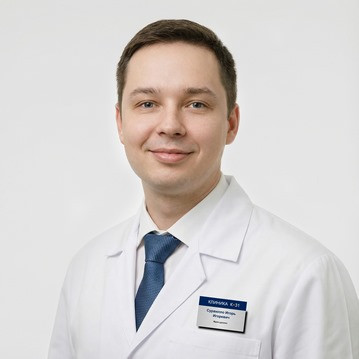
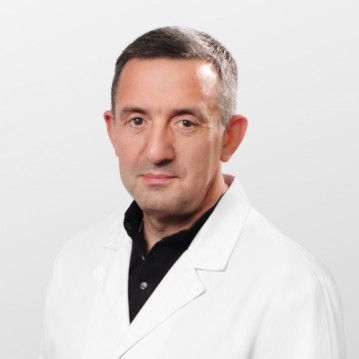
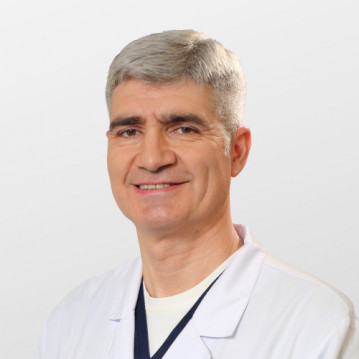
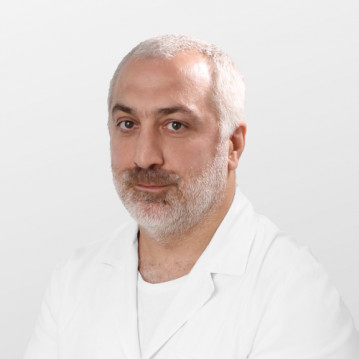
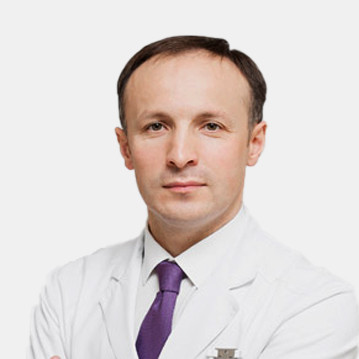
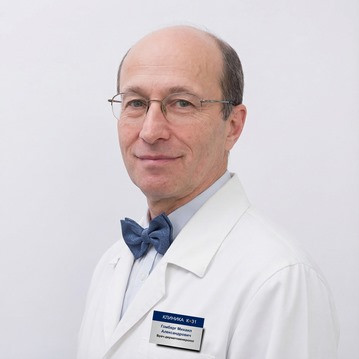
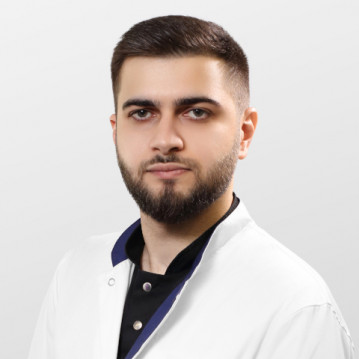
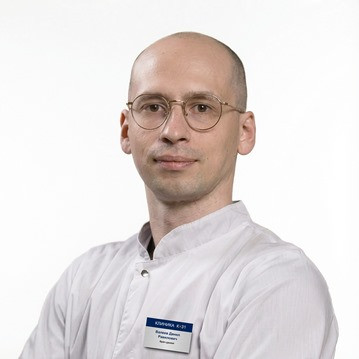
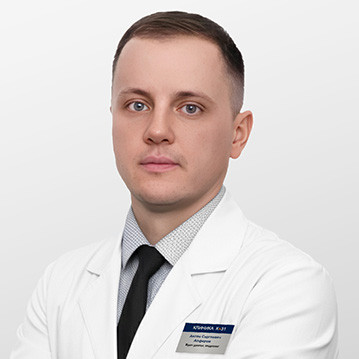
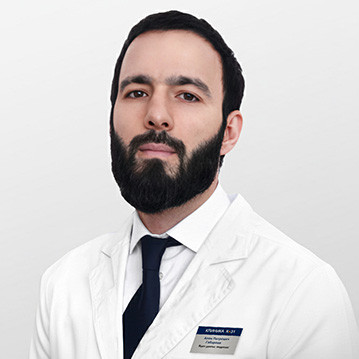
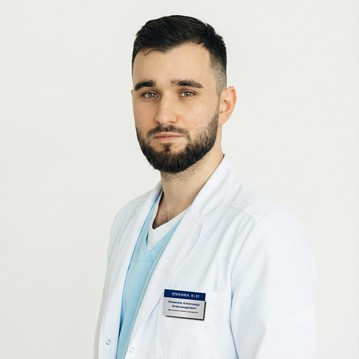
At K+31, urology appointments are provided not merely by experienced doctors, but by recognized leaders in Russian urology — professors, Doctors of Medical Sciences, and heads of specialist departments at Lomonosov Moscow State University and Pirogov Russian National Research Medical University. This is the level of expertise usually available only at highly specialized research centers, combined here with the comfort and service of a premium private clinic.

specialists

equipment

treatment techniques










When it is time to book an appointment with a urologist

You should see a specialist not only when obvious symptoms occur, but also for preventive care — especially men over 40, for whom regular urological check-ups should become as routine as visits to the dentist.
Women should be alert if they experience:
- Urinary incontinence during exercise, coughing or sneezing
- Renal colic or nagging, sharp pain in the lower back or lower abdomen
- A change in urine color — a pink, red or brown tint, or traces of blood or pus
- Stinging, burning and pain during urination
- Frequent, false or urgent urges to use the toilet

Men should see a doctor if they experience:
- Weaker erections or reduced libido
- Enlargement of the scrotum or rashes on the genitals
- A change in the color or consistency of semen
- Pain in the perineum, scrotum or anal area
- Burning in the urethra or a shorter duration of sexual intercourse
Any pain in the genital area — dull, sharp, cramping or wave-like, occurring during urination, erection or ejaculation — is a compelling reason for a consultation, not self-treatment.
Why choose K+31
- Professor-level expertise. Two professors, five Doctors of Medical Sciences and four Candidates of Medical Sciences in one department — comparable to the level of the country’s leading urological research centers
- da Vinci Xi robotic surgery. The clinic was among the first in Moscow to use the fourth-generation system — with minimal trauma and maximum precision
- A full cycle of care. From the initial consultation and diagnosis to surgery, inpatient treatment and follow-up — with no need to visit other facilities
- Urologic oncology as a core competency. Assessment and initiation of treatment for urologic oncology patients takes just days, and treatment plans are developed jointly with oncologists and radiation therapy specialists
- The comfort of premium service. Single and double rooms, a 24/7 contact center, and appointment booking through the website and messaging apps

Appointment to the doctor
Professor-Led Urology: What Sets K+31 Apart
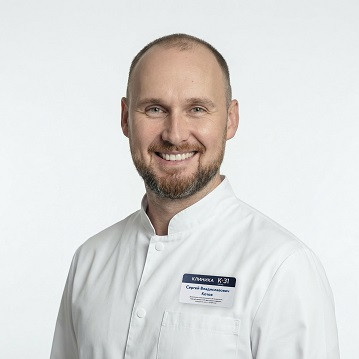
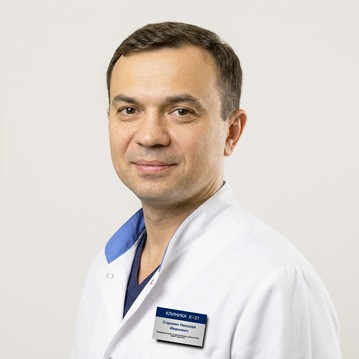
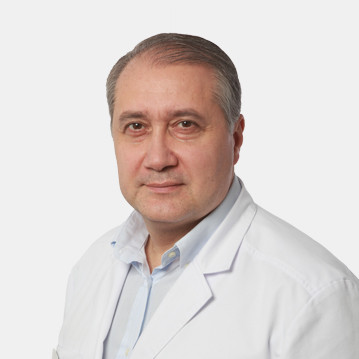
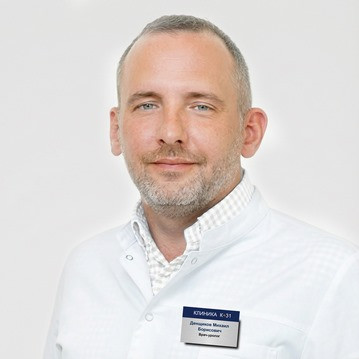
The K+31 Urology Department is headed by Nikolay Ivanovich Sorokin, Doctor of Medical Sciences and Professor of the Department of Urology and Andrology at the Faculty of Fundamental Medicine, Lomonosov Moscow State University; a member of the Russian Society of Urology and the European and American urological associations. The clinic’s Deputy Chief Medical Officer for Urology is Sergey Vladislavovich Kotov, Doctor of Medical Sciences, Professor and Head of the Department of Urology and Andrology at Pirogov Russian National Research Medical University, and Head of the University Urology Clinic. The department’s chief consultant is Armays Albertovich Kamalov, Academician of the Russian Academy of Sciences and Professor, with more than 40 years of experience in urology.
The department includes two professors, five Doctors of Medical Sciences, and four Candidates of Medical Sciences—a concentration of scientific expertise rarely found in private healthcare. The clinic’s physicians do more than treat patients according to current international protocols: they help shape these protocols by speaking at specialist scientific conferences, teaching, participating in clinical research, and actively contributing to the Russian Society of Urology, the American Urological Association, the European Association of Urology, and the Endourological Society.
For patients, this means the most important thing: an appointment is not merely a consultation, but an expert opinion from a specialist who stays at the forefront of global urology and can address even the most complex and atypical cases.




Frequently Asked Questions (FAQ)
Is prostate adenoma a life sentence?
No. Prostate adenoma is a benign condition that can be effectively managed and responds well to both medication and surgical treatment. This condition is extremely common: by age 80, 80–90% of men have this diagnosis, and almost all require specialist care.
Can prostate adenoma develop into cancer?
No, never. Prostate cancer, prostate adenoma, and prostatitis are three different diseases of the prostate gland that do not develop into one another, although they may affect the same organ at the same time. A causal relationship between them has not been proven.
For an older patient with cancer, is surgery or observation the better option?
The decision is always made individually, based on the stage of the disease, overall health, and the patient’s own wishes. Doctors assess the balance between the risks and effectiveness of surgery: if the risk is too high, alternative treatments—radiation therapy, hormone therapy, or chemotherapy—may be offered. The final decision is always discussed jointly with the patient.
Does everyone need circumcision, and does it reduce the risk of STIs?
This is a common myth. Widespread circumcision in some countries has not led to a noticeable reduction in STI rates, so the procedure has no medical value as a means of preventing infections. At the same time, an association has been established between male circumcision and a reduced risk of cervical cancer in female partners.
Is it true that chronic prostatitis is an overdiagnosed condition?
To a large extent, yes. Chronic prostatitis is one of the most overdiagnosed conditions in outpatient urology: in 95% of cases, the diagnosis is made without sufficient objective grounds. Nonspecific discomfort in the perineum or urinary symptoms alone are not evidence of disease—a comprehensive examination is required.
How should I prepare for a urologist appointment?
Bring your passport, the results of any previous urine and blood tests and ultrasound examinations, as well as a list of the medications you take. Try not to urinate for 1–2 hours before your visit—this will make the urine test more informative—and avoid sexual intercourse for 24 hours before your appointment.
Can I have an online consultation with a urologist?
Yes. K+31 offers scheduled remote consultations with a urologist using telemedicine technologies— convenient for follow-up appointments, discussing test results, or obtaining a second opinion.
What should I do in case of acute pain—can I be seen without an appointment?
For acute conditions such as renal colic or urinary retention, the clinic sees patients on an emergency basis—you can contact the 24-hour contact center by phone.
Make an appointment at a convenient time on the nearest date
Reviews

This award is given to clinics with the highest ratings according to user ratings, a large number of requests from this site, and in the absence of critical violations.

This award is given to clinics with the highest ratings according to user ratings. It means that the place is known, loved, and definitely worth visiting.

The ProDoctors portal collected 500 thousand reviews, compiled a rating of doctors based on them and awarded the best. We are proud that our doctors are among those awarded.
Price
Other services





















Our clinics


Application “Personal Account K+31”












What a urologist treats at K+31
The clinic’s urologists diagnose and treat the full range of diseases of the urinary tract and male reproductive systems — from inflammatory conditions to complex cancer cases: