
Пиелонефрит — диагностика и лечение почек
Пиелонефрит — инфекционно-воспалительное заболевание почек, при котором поражаются паренхима, чашечки, лоханки и канальцы. Воспалительный процесс чаще всего вызывают кишечная или синегнойная палочка, стафилококки и другие микроорганизмы. Заболевание протекает в острой или хронической форме и может затрагивать одну или обе почки.
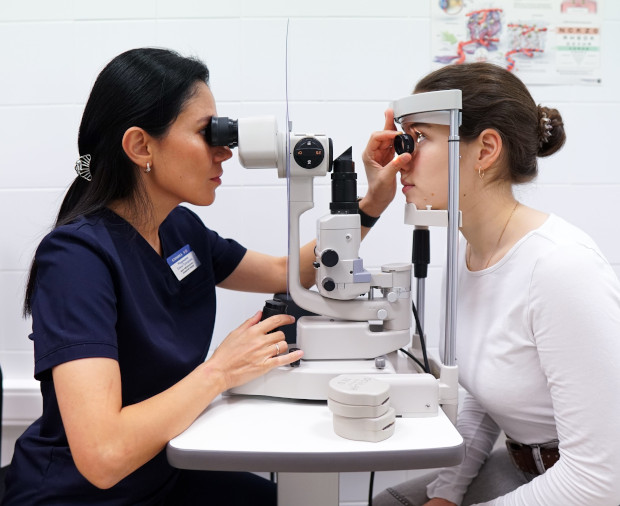
Урологи клиники К+31 проводят комплексную диагностику и подбирают индивидуальную схему лечения для каждого пациента, используя современные лабораторные и инструментальные методы обследования.

специалисты

оборудование

лечения




Симптомы пиелонефрита

Острый пиелонефрит
Заболевание развивается стремительно и сопровождается выраженной интоксикацией:
- Интенсивная боль в пояснице (односторонняя или двусторонняя)
- Повышение температуры до 39–40 °C
- Озноб и выраженная потливость
- Упадок сил, головная боль
- Тошнота, переходящая в рвоту
- Помутнение и потемнение мочи
- Болезненное и учащенное мочеиспускание
- Жажда, вздутие живота
При отсутствии лечения может развиться инфекционно-токсический шок с резким падением артериального давления, тахикардией и бледностью кожных покровов.

Хронический пиелонефрит
Часто протекает бессимптомно и обнаруживается случайно при обследовании по другому поводу:
- Слабость, повышенная утомляемость
- Снижение аппетита
- Тупые боли в пояснице
- Учащенное мочеиспускание
- Периодическое повышение температуры до 37,2–37,5 °C
Периодические обострения провоцируют рубцевание тканей, что со временем приводит к хронической почечной недостаточности.
Диагностика в клинике К+31
При подозрении на пиелонефрит необходимо обратиться к урологу или нефрологу. Специалисты К+31 назначают комплекс исследований:
-
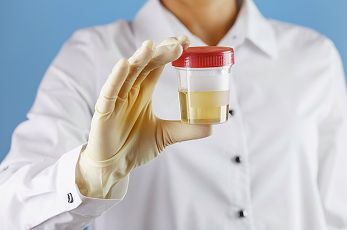
Общий анализ мочи — выявляет повышение лейкоцитов, бактериурию
-
Анализ мочи по Нечипоренко — определяет степень поражения и возможные осложнения
-
Бактериологическое исследование мочи — идентифицирует возбудителя и определяет чувствительность к антибиотикам
-
Общий и биохимический анализ крови — фиксирует воспалительный процесс, оценивает функцию почек (креатинин, мочевина)
-
УЗИ почек и мочевыводящих путей — определяет отек паренхимы и структурные изменения
-
Допплерография — оценивает кровоток в сосудах почек
-
КТ или МРТ — при необходимости для уточнения диагноза и исключения осложнений
Лечение пиелонефрита
Подход к терапии зависит от формы и тяжести заболевания.
Консервативное лечение
- Антибактериальная терапия — основа лечения. Препарат подбирается по результатам бактериологического посева с определением чувствительности. До получения результата назначаются антибиотики широкого спектра действия
- Дезинтоксикационная терапия — инфузионное введение растворов для снижения интоксикации
- Противовоспалительные и обезболивающие средства — для купирования болевого синдрома
- Фитотерапия — как дополнение к основному курсу (растительные уросептики)
- Диетотерапия — ограничение соли, белковой пищи, отказ от алкоголя и острых продуктов; обильный питьевой режим (1,5–2,5 л жидкости в день)
Хирургическое лечение
Показано при осложненных формах: абсцесс почки, карбункул, апостематозный нефрит, обструкция мочевыводящих путей. Урологи К+31 проводят малоинвазивные вмешательства, включая дренирование гнойных очагов и восстановление оттока мочи.
Общая информация
Профилактика
- Своевременное и полное лечение инфекций мочевыводящих путей (цистит, уретрит)
- Достаточный питьевой режим — не менее 1,5 л чистой воды в день
- Регулярное опорожнение мочевого пузыря без длительной задержки мочи
- Избегание переохлаждения
- Контроль сахарного диабета и других хронических заболеваний
- Ежегодное профилактическое обследование (УЗИ почек, общий анализ мочи)
- Укрепление иммунитета: сбалансированное питание, физическая активность


Часто задаваемые вопросы (FAQ)
Может ли пиелонефрит пройти сам без лечения?
К какому врачу обращаться при подозрении на пиелонефрит?
Как долго длится лечение пиелонефрита?
Нужна ли госпитализация?
Пиелонефрит опасен при беременности?
Какую диету соблюдать при пиелонефрите?
Наши врачи
























Такая награда выдаётся клиникам с самым высоким рейтингом по оценкам пользователей, большим количеством обращений с данной площадки, при отсутствии критичных нарушений.

Такая награда выдается клиникам с самым высоким рейтингом по оценкам пользователей. Она означает, что место знают, любят и сюда точно нужно зайти.

Портал ПроДокторов собрал 500 тысяч отзывов, составил по ним рейтинг врачей и наградил лучших. Гордимся, что среди награжденных есть наши врачи.
Запишитесь на прием в удобное время на ближайшую дату
Стоимость

Запись к врачу
Отзывы


Наши клиники


Приложение «Личный кабинет К+31»












Причины и факторы риска
Главная причина пиелонефрита — проникновение болезнетворных микроорганизмов в почечную ткань. Инфекция попадает в почки восходящим путем (через мочеточники из мочевого пузыря) или гематогенно (с кровью из других очагов инфекции).
Факторы, повышающие риск развития пиелонефрита:
Пиелонефрит у женщин встречается чаще из-за особенностей анатомии — более короткий мочеиспускательный канал способствует быстрому распространению инфекции. У мужчин заболевание чаще диагностируется в пожилом возрасте на фоне нарушений уродинамики.