
Kidney stones: treatment of urolithiasis
Urolithiasis, or urolithiasis, is a chronic condition characterized by the formation of stones in the urinary system: kidneys, ureters, and bladder. This condition is diagnosed in approximately 10-15% of the population at various stages of life. Up to 800 cases of urolithiasis are recorded annually per 100,000 people. Kidney stones are twice as common in men as in women. This prevalence is due to hormonal factors, urine composition, lifestyle, and dietary habits.

specialists

equipment

treatment



Why do kidney stones form?

Stones form in the urinary system due to an imbalance between salts, acids, and crystallization inhibitors in urine. Normally, urine contains citrates, magnesium, and glycosaminoglycans, which prevent the formation and growth of crystals. A deficiency of these substances causes urolithiasis.
Depending on their chemical composition, there are five types of kidney stones:
- Oxalate. Occur in 80% of cases. Contain calcium and oxalates. Have a hard structure, dark color, and sharp edges. Can traumatize tissue and cause hematuria.
- Urate. Occur in 10-15% of cases. Contain uric acid salts. Usually not visible on X-ray, but detected by ultrasound/CT.
- Struvite or infectious. Occur in 5-10% of cases, predominantly in women. Contain magnesium, ammonium, and phosphate. They grow rapidly, occupying a significant portion of the renal pelvis and calyces. Often require surgical treatment.
- Cystine. Occur in 1% of cases. Consist of the amino acid cystine. Have a hard, smooth structure and yellow color.
- Xanthine. Associated with rare metabolic disorders. They have sharp edges and are mustard-yellow in color.
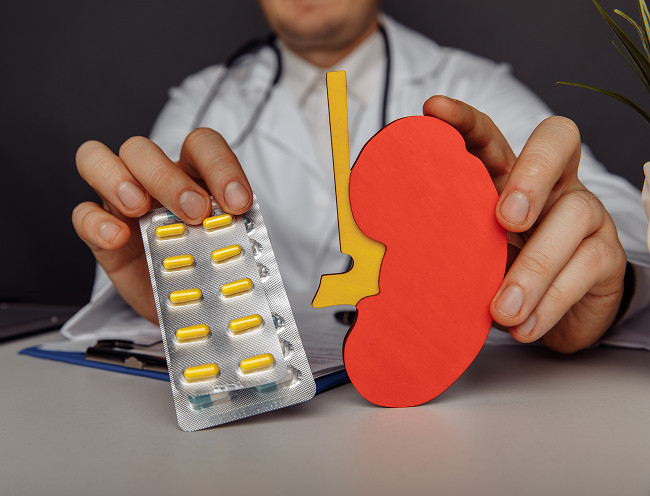
Stones form for various reasons. These include:
- Lack of fluid in the body - urine becomes more concentrated, which promotes crystal formation
- A diet rich in protein, salt, and sugar increases the levels of calcium, oxalate, and uric acid in the urine
- Genetic factors - certain genes increase the risk of developing the disease
- Medications - diuretics and antiepileptic drugs - increase the risk of crystal formation
- Obesity leads to changes in metabolic processes that influence crystal formation
- Certain medical conditions - hyperparathyroidism, cystinuria, and urolithiasis
Frequent consumption of meat, fish, and organ meats leads to increased uric acid production, acidification of the urine, increased calcium excretion, and decreased citrate levels. This is dangerous for people with a hereditary predisposition to urolithiasis.

The risk of developing oxalate stones also increases with the consumption of the following foods:
- Spinach
- Rhubarb
- Sorrel
- Beets
- Nuts
- Chocolate
- Cocoa
- Tea
- Coffee
- Figs
In warm, dry climates, the risk of developing urolithiasis is higher due to fluid loss through sweat, which leads to thickening of the urine. High rates of the disease are observed in hot regions: South Asia, the Middle East, and the southern United States. In the summer, the condition is more often diagnosed due to dehydration.
Urologists at the K+31 clinic help patients determine their individual risk and advise them on measures to prevent stones from forming. This helps prevent the disease, which is easier than treating complications.
Classification of urolithiasis
Based on their origin, urolithiasis is divided into two types:
- Primary. Develops as an independent disease due to genetic predisposition, metabolic disorders, and dietary factors.
- Secondary. Occurs with urinary tract infections, malformations, strictures, and tumors.
Based on the number of stones, stones are classified as single or multiple. By size, they are classified as small (up to 3 mm), medium (4-10 mm), and large (over 10 mm).
Based on their clinical course, urolithiasis is classified into three types:
- Acute. Characterized by the sudden onset of pain, renal colic, and hematuria
- Chronic. Stones form slowly. Complications and recurrences are possible
- Asymptomatic. Stones are discovered incidentally during diagnostic testing
General information
Kidney Stone Symptoms
Symptoms depend on the size and location of the stone. They include:
- Lower back pain, which is common. It can be sharp or aching. It worsens with movement or when the patient assumes certain positions.
- Pain or burning during urination. This is due to the stone irritating the urethra, causing discomfort.
- Frequent urination - the stone irritates the bladder wall and causes discomfort.
- Hematuria - Hard stones damage the walls of the urinary tract, causing blood in the urine.
- Nausea and vomiting - as the urinary tract is blocked, making it difficult to pass urine.
In acute renal colic, the stone obstructs the ureter and impedes the flow of urine. Pressure increases in the kidney, stretching the renal pelvis and capsule, and causing spasm of the smooth muscles of the ureter. The patient experiences severe, cramping pain that can radiate to:
- Groin
- Abdomen
- External genitalia
- Inner thigh
In men, the pain is typical and allows for quicker detection of urolithiasis. In women, symptoms may mimic gynecological or infectious diseases, sometimes complicating diagnosis. Stones may remain asymptomatic for a long time and then cause severe pain.
With appropriate therapy, the risk of recurrence is reduced to 10-20%. Causes of recurrent stone formation include:
- Untreated metabolic disorders
- A diet high in protein, salt, and oxalates
- Failure to adhere to a fluid regimen
- Chronic urinary tract infections
- Anatomical features (narrow ureters, urodynamic disturbances)
If you suspect the presence of crystals in the urinary tract, it is important to consult a doctor for diagnosis and treatment. Medical care is necessary to improve quality of life and avoid complications.






Why should you treat kidney stones at the K+31 clinic in Moscow?
The K+31 Clinic is a multidisciplinary medical center providing high-quality medical care in various fields, including urology and nephrology.
The clinic's advantages include:
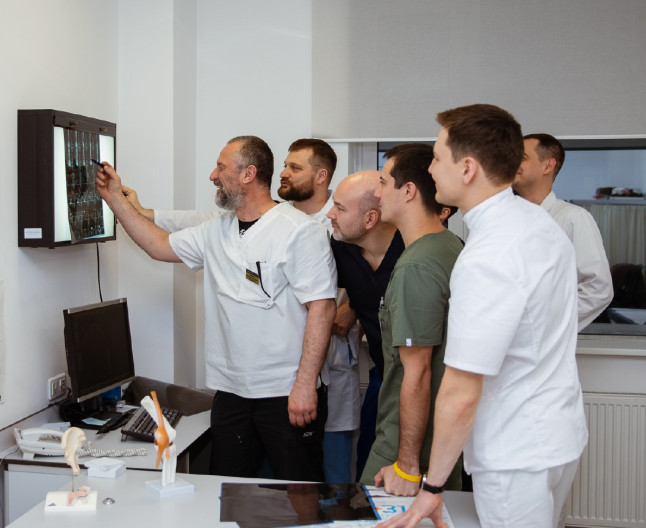
- Experienced specialists. The doctors have been working in urology and nephrology for over 14 years. They are professors, doctors, and candidates of medical sciences. They are members of international scientific societies. Thanks to the doctors' knowledge and skills, patients receive professional treatment.
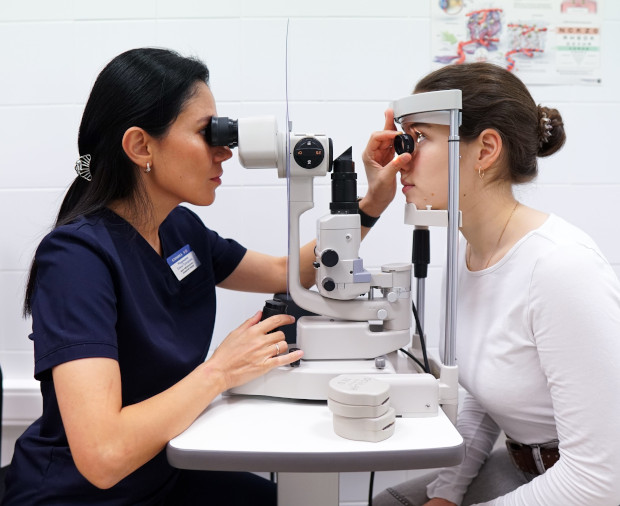
- Modern equipment. The clinic is equipped with modern medical equipment that allows for the diagnosis and treatment of stones, increasing the chances of recovery.
- Individual approach to each patient. Doctors consider each patient's specific needs and select the optimal treatment method based on their condition.
- A wide range of treatment methods, including extracorporeal lithotripsy, urethroscopy, and percutaneous nephrolithotripsy, allows us to select the most effective method for each patient.
- A comprehensive approach to treatment. A comprehensive approach is used during treatment, including not only medication but also lifestyle and dietary recommendations to help prevent recurrence of stones.
Kidney stone treatment at the K+31 Clinic is an effective and safe process performed by highly qualified specialists using modern equipment and tailored to the individual needs of each patient.
Schedule an appointment using the feedback form.

References
- P. V. Trusov, A. A. Gusev. Treatment of Kidney Stones: Standards and Innovations. Journal "Vestnik Urologii" - 2019.
- A. G. Berezhnoy, S. S. Dunaevskaya. Modern Principles of Surgical Treatment of Urolithiasis. Journal "Urology" - 2021.
- R. A. Magomedov. Step-by-Step Pathogenetic Treatment of Urolithiasis. Journal "Vestnik Kaluga University" - 2025.
- T. Kh. Nazarov, M. A. Akhmedov, I. V. Rychkov, K. E. Trubnikova, V. A. Nikolaev, A. I. Tursunov. Urolithiasis: Etiopathogenesis, Diagnosis, and Treatment. Journal "Andrology and Genital Surgery" - 2019.
- K. M. Rakhimova, S. Yu. Nurmatov, M. M. Rasulova. Ultrasound diagnosis of urolithiasis. Journal of Economics and Society - 2020
Our doctors


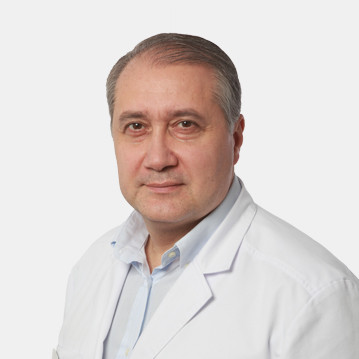


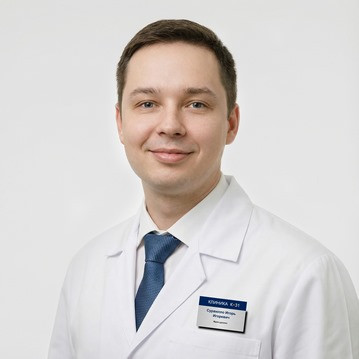
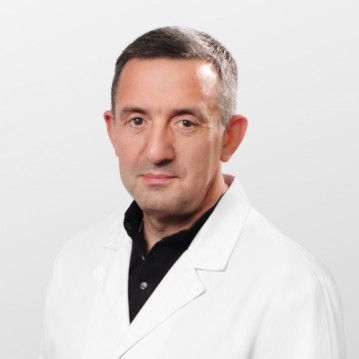


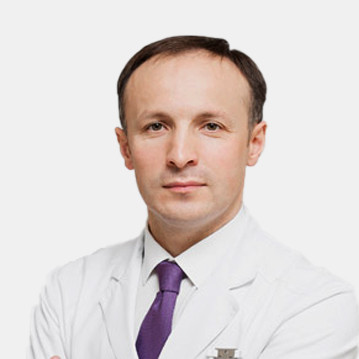




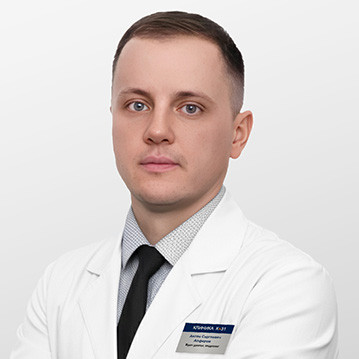





This award is given to clinics with the highest ratings according to user ratings, a large number of requests from this site, and in the absence of critical violations.

This award is given to clinics with the highest ratings according to user ratings. It means that the place is known, loved, and definitely worth visiting.

The ProDoctors portal collected 500 thousand reviews, compiled a rating of doctors based on them and awarded the best. We are proud that our doctors are among those awarded.
Make an appointment at a convenient time on the nearest date
Price
Other services

Appointment to the doctor
Reviews


Our clinics


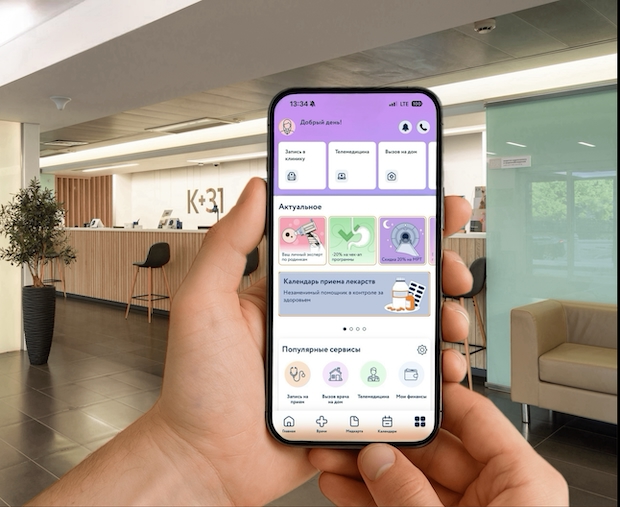
Application “Personal Account K+31”











About the disease
Kidney stones, called nephroliths, are hard formations composed of calcium, oxalate, urate, and cystine. These substances are found in urine, which collects in a cavity called the renal pelvis and then passes through the ureter into the bladder. When the concentration of substances in the urine is high, crystals begin to form in the renal pelvis. If not eliminated, they harden and turn into stones.
They come in various sizes and shapes. They cause:
They lead to urinary tract infections and affect kidney function. Depending on the crystal's size, treatment is performed with medication or surgery.
At the K+31 Multidisciplinary Medical Center, highly qualified urologists with advanced degrees have been treating patients with urinary tract stones for over 14 years. Internships at leading European clinics help doctors stay current with modern diagnostic and treatment methods. The urology department is equipped with the necessary equipment from leading medical manufacturers. This allows doctors to diagnose and treat kidney stones of varying complexity.