
Urethroscopy
Urethroscopy is an endoscopic examination of the urethra. It allows the doctor to visualize any changes in the urethral mucosa and accurately determine the type of disease. If indicated, the diagnosis is accompanied by the collection of biopsy material for laboratory analysis.
The Urology Department of the K+31 Clinic offers urethroscopy for both men and women. The procedure is performed quickly and comfortably using modern equipment, thanks to the extensive experience of our urologists.

specialists

equipment

treatment

























Contraindications
Endoscopic diagnostics are not performed in cases of acute inflammation of the urethra, bleeding, or signs of urethral trauma. These situations preclude invasive procedures without risk to the patient's health, so only non-invasive methods (ultrasound, X-ray, CT) are possible.
How to prepare for the procedure
Urethroscopy is performed without special preparation. Before visiting the diagnostic room, you should clean your intimate area and empty your bladder. To prevent infectious complications, the doctor may prescribe a single dose of antibiotics.
For your first visit to the K+31 Clinic, patients should arrive 10-15 minutes early. First, they must complete a questionnaire and sign a consent form for the processing of personal data—this is a mandatory condition for receiving medical services.
Types of urethroscopy
Depending on the purpose, endoscopy is classified as diagnostic or therapeutic. In the former case, endoscopy is prescribed to examine the urinary tract and establish a diagnosis. The therapeutic procedure involves endoscopic manipulation of the urethra. It is performed once a diagnosis has been established using ultrasound, excretory urography, retrograde ureteropyelography, and other methods. The cost of extended urethroscopy is determined by the extent of the procedures.
By method of execution, there are:
- Dry urethroscopy - a small volume of air is introduced into the bladder, while the organ is in a normal (unstretched) state.
- Irrigation urethroscopy - the bladder is pre-filled with fluid to stretch its walls and improve the doctor's view.
If indicated, the examination is supplemented by a biopsy - taking a sample of biological material from pathologically altered areas. Urethral tissue analysis is prescribed much more often in men, as their urethra is more susceptible to various types of diseases. In women, the primary pathological process is often located in the bladder.
How is a urethroscopy performed?
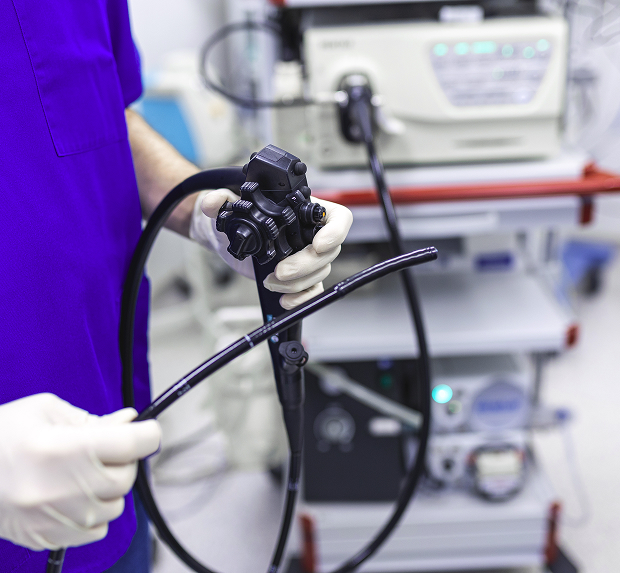
A special endoscopic instrument called a urethroscope is used to examine the urinary tract. The device contains a camera and a lighting system. The endoscope transmits images from the optical system to a screen, where the doctor can examine the urethral walls in detail.
For a urethroscopy, the patient lies in a urological examination chair. To eliminate discomfort, the urethra is treated with a local antiseptic solution before the procedure. Active manipulations begin after the medication takes effect and the sensitivity of the mucous membrane is temporarily reduced.
Performing a urethroscopy in women is not particularly difficult. The female urethra is short and wide, so the doctor can easily insert the endoscope. Examination of the urethra is combined with an endoscopy of the bladder.
Urethrocystoscopy in men is a lengthy and complex procedure. The male urethra is much longer and has varying diameters in different sections, so urethroscopy is divided into anterior and posterior. When performing these procedures, the doctor takes extreme care to avoid damaging the mucous membrane.
Interpretation of results
During the examination, the endoscopist sequentially examines the walls of the urethra. Normally, the mucous membrane is moist and shiny, its color varying from pale to bright pink in different sections. The specialist pays attention to changes in the surface texture, narrowing of the lumen, signs of inflammation, foreign bodies, and neoplasms. Based on the examination results, the doctor issues a report detailing all the changes identified.
The urologist analyzes the endoscopy results in conjunction with other diagnostic data, such as a urethrogram, ultrasound images, and urine laboratory tests. A diagnosis is made based on the results of a comprehensive examination, after which the doctor prescribes the appropriate treatment according to clinical guidelines.

Appointment to the doctor
Urethroscopy at the K+31 clinic
Endoscopic examinations are performed using state-of-the-art equipment. Modern optical tubes display a clear image on the screen, allowing even minor changes in the mucous membrane to be seen. The procedure is performed under sterile conditions, and all reusable equipment is thoroughly disinfected to minimize the risk of complications.
The K+31 network of medical centers offers the best prices for urethroscopy and ureterorenoscopy in Moscow. We also do everything possible to ensure the procedure is as comfortable as possible, and if necessary, we engage a team of anesthesiologists to provide general anesthesia (sedation). The comfort and safety of the examination is confirmed by numerous patient reviews.
To schedule an appointment with a urologist and an endoscopic examination of the urethra, submit a request online or contact us by phone.

Make an appointment at a convenient time on the nearest date
Reviews

This award is given to clinics with the highest ratings according to user ratings, a large number of requests from this site, and in the absence of critical violations.

This award is given to clinics with the highest ratings according to user ratings. It means that the place is known, loved, and definitely worth visiting.

The ProDoctors portal collected 500 thousand reviews, compiled a rating of doctors based on them and awarded the best. We are proud that our doctors are among those awarded.
Price
Other services








Our clinics


Application “Personal Account K+31”












Indications
Endoscopic imaging is prescribed after a consultation with a urologist and a basic examination: physical examination, pelvic ultrasound, and uroscopy (urine analysis). Diagnostics are recommended in the following cases:
In men, the examination is also prescribed for reproductive problems. Indications for urethroscopy include poor sperm analysis results, the presence of blood in the semen, and retrograde ejaculation.
If a doctor suspects a patient has upper urinary tract disease, they may prescribe a more extensive endoscopic examination called ureteropyeloscopy. This procedure involves examining the ureters and renal pelvis for stones, tumors, and other pathological processes.