Erectile Dysfunction: Treatment in Moscow Without Stereotypes

Erectile dysfunction (ED) is a persistent or systematically recurring inability to achieve and maintain an erection sufficient for full sexual intercourse. A diagnosis is established if the problem persists for at least three months.

ED is not synonymous with impotence: the outdated term implied a complete inability to achieve an erection, while the modern concept encompasses a full range of disorders, from weak to completely absent erections.

In 80% of cases, the cause of ED is organic, meaning it can be treated without psychotherapy.

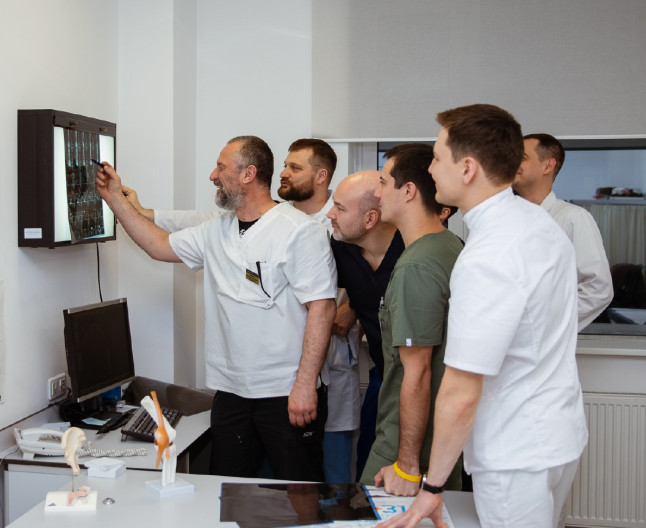
Best specialists
Best
specialists
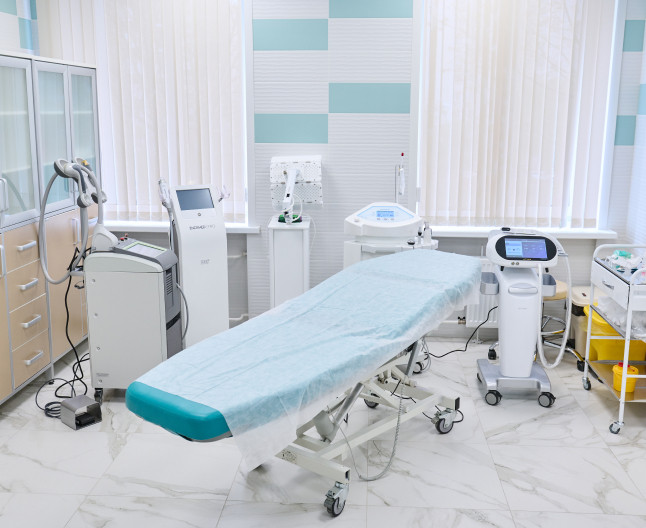
Expert equipment
Expert
equipment
Advanced diagnostic treatment
Advanced diagnostic
treatment
Sign up
Fill out the entry form on the page and we will call you back
Sign up Позвонить

Causes and risk factors

An erection is the result of a complex interaction between the nervous, vascular, endocrine and psychological systems. A disorder in any link leads to ED.

Organic causes (~80% of cases):

  • Vascular — atherosclerosis, arterial hypertension, diabetic microangiopathy (the most common group)
  • Hormonal — testosterone deficiency, thyroid disorders, adrenal pathology
  • Neurogenic — consequences of prostate surgery, spinal cord injuries, multiple sclerosis, polyneuropathy
  • Anatomical — Peyronie's disease, fibrous changes in the cavernous bodies
  • Medicational — side effects of antidepressants, diuretics, hormonal drugs

Psychogenic causes (~20–40% of cases):

  • Chronic stress, anxiety, depression
  • Failure Expectation Syndrome
  • Relationship Conflicts
What is the da Vinci robot?

Important Figures

Fact Data
Men in Russia suffer from ED to varying degrees ~49% (data from the Russian Ministry of Health, Kyrgyz Republic 2025)
Of these, less than 25% seek medical attention Less than 25%
Treatability with timely treatment up to 90%
Urologists at K+31 19 specialists, including 2 professors, 5 doctors of medical sciences
Years of experience in robotic-assisted surgery at K+31 >14 years

Important: Erectile dysfunction is not a death sentence or "male shame." It is a medical diagnosis with proven treatment methods, approved by the Russian Ministry of Health in 2025. Restore your confidence and a fulfilling intimate life under the supervision of urology and andrology professors at the K+31 Clinic.

Risk factors that aggravate the situation:

Risk factors that aggravate the situation:

  • Smoking (impairs microcirculation)
  • Alcohol and psychoactive substances
  • Obesity, physical inactivity
  • Age (risk increases sharply after 40)
  • Irregular sex life
Doctors' position K+31: ED is often the first symptom of cardiovascular disease. Timely diagnosis can literally save lives.

Symptoms - When to See a Doctor

Symptoms - When to See a Doctor

7 Signs You Shouldn't Ignore

  1. An erection develops but disappears before completing intercourse
  2. The erection is significantly weaker than before
  3. No morning erections (or they are infrequent)
  4. Decreased libido, no desire for sex
  5. Rapid or, conversely, absent ejaculation
  6. Difficulty achieving an erection only with a partner (with a persistent erection during sleep – psychogenic form)
  7. Any of the listed symptoms lasts more than 3 months

Important: Don't wait for it to "go away on its own." Every month of delay means the underlying condition is progressing.

Diagnostics at K+31

K+31 uses a diagnostic protocol for ED developed in accordance with the 2025 clinical guidelines of the Russian Ministry of Health and the standards of the European Association of Urology (EAU).


First visit - a complete picture in one visit:

Stage What happens
History Collection Confidential Interview: Sexual, Medical, and Psychological History
IIEF-5 Questionnaire Validated Questionnaire for Objectivizing the Degree of ED
Physical Examination Assessment of Secondary Sexual Characteristics, Prostate Palpation
Minimum Laboratory Tests Testosterone, Glucose, A1C, Lipid Profile, Complete Blood Count

Advanced diagnostics (as indicated):

  • Penile Doppler ultrasonography with pharmacological stress is the "gold standard" for assessing blood flow.
  • Pelvic ultrasound — prostate and bladder structure.
  • Night-time monitoring of nocturnal erections (Rigiscan / LOD device) — differentiating organic and psychogenic ED.
  • Pelvic MRI — if anatomical changes are suspected.
  • Cavernosography — assessing venous leakage.
  • Extended hormonal profile: LH, FSH, prolactin, estradiol, SHBG.

Result: An accurate diagnosis indicating the cause of ED — as early as the first visit or after 2-3 days of waiting for test results.

Calculate the severity of symptoms in 1 minute

  • Urologist consultation
  • Full diagnostics
  • Individual treatment plan
5 questions
1

How often have you had an erection during sexual activity lately?

2

How often has your erection been sufficient for penetration (to start sexual intercourse) lately?

3

How often have you been able to achieve penetration (start sexual intercourse) when attempting sexual intercourse?

4

How often have you been able to maintain your erection after the start of sexual intercourse lately?

5

How often have you been able to maintain your erection until the end of sexual intercourse lately?

General information

Treatment Methods

ED Treatment at K+31: From Pills to Surgery – Everything in One Clinic

International standards prescribe a stepwise approach: from the least invasive methods to surgical ones. K+31 offers a full range of treatments—you won't find yourself in a situation where you're told, "They don't do it for us, go somewhere else."

Stage 1 — Conservative Treatment

Lifestyle and risk factor modification: Weight management, smoking cessation, and treatment of hypertension and diabetes often restore erections on their own—without a single pill.

Drug therapy:

  • PDE-5 inhibitors (sildenafil, tadalafil, vardenafil) are first-line drugs with proven efficacy.
  • Testosterone replacement therapy—for confirmed hypogonadism.
  • Intracavernous prostaglandin E1 injections—highly effective for unresponsiveness to Tablets

Stage 2 — Hardware Methods (Non-Surgical)

LPD Therapy (Penile Vacuum Therapy): Localized negative pressure increases blood flow in the corpora cavernosa. A safe, painless method, especially effective for mild to moderate organic ED. A course at K+31 consists of 10–15 sessions.

Shock Wave Therapy (LI-ESWT): Low-intensity acoustic pulses stimulate angiogenesis—the growth of new blood vessels in the corpora cavernosa. This is the only method aimed at eliminating the cause, rather than temporarily restoring erectile function. According to double-blind studies, the effectiveness rate is up to 80%. Course: 6–12 sessions, 15–20 minutes each, without anesthesia.

Physiotherapy: Magnetic laser therapy, electromagnetic stimulation of the pelvic floor muscles — as part of a comprehensive treatment for neurogenic and mixed ED.

Stage 3 — Surgical Treatment

Revascularization Surgeries: Microsurgical techniques for restoring penile blood flow — indicated for men under 40 with vascular ED without systemic atherosclerosis.

Phalloplasty (penile endoprosthetics): Installation of a three-component hydraulic prosthesis is a radical and definitive method when all conservative options have failed. Provides a physiologically natural erection on request. The surgery is performed in the K+31 hospital by top-category surgeons, Doctors of Medical Sciences. The risk of complications with proper patient selection is less than 5%.

Principle K+31: We don't prescribe surgery where a pill will suffice. And we don't limit ourselves to a pill where surgery is needed.
Treatment methods

Advantages of K+31

Why men choose K+31 for ED treatment

1. A team of professorial andrologists

The department employs two professors and five doctors of medical sciences—specialists who are involved in developing clinical standards for ED treatment in Russia. All doctors are members of the Russian Society of Urologists, the European Urological Association, and the American Urological Association.

2. A full cycle of "diagnosis → treatment → rehabilitation"

No need to travel to different clinics: Doppler ultrasound, hormonal analysis, LNP therapy, shockwave therapy, and surgery—all in one place. You see one doctor from the first visit until recovery.

3. Confidentiality

Appointments in a private office. All information is protected by medical confidentiality. Employees do not disclose diagnoses in the presence of third parties.

4. International Protocols – Russian Prices

Treatment is based on the current recommendations of the European Union of European Union (EAU) 2025 and the Russian Ministry of Health 2025. Moreover, the consultation fee is significantly lower than in Western European clinics.

5. Compulsory Medical Insurance (CHI), Voluntary Medical Insurance (VMI), and Self-Payment

K+31 accepts compulsory medical insurance policies and most VMI contracts – check with a manager to see if your policy is covered.

6. Robot-Assisted Surgery

If surgical treatment is necessary, we perform surgeries with the Da Vinci Xi robot. Over 14 years of experience, hundreds of procedures.

Advantages of K+31

How is treatment performed?

STEP 1 → Initial consultation (60–90 min)
History + IIEF-5 questionnaire + examination + test prescription.

STEP 2 → Diagnostics (1–3 days)
Doppler ultrasound, laboratory tests, and, if necessary, instrumental examinations.

STEP 3 → Individualized treatment program
The doctor presents a detailed plan: conservative, instrumental, or surgical treatment, with an explanation of each step.

How is the treatment carried out?

Myths about ED

MYTH 1: "ED is just old age"
Fact: ED is not a normal part of aging. It is caused by specific medical conditions that are treatable at any age.

MYTH 2: "Viagra will solve all your problems"
Fact: PDE5 inhibitors do not treat the underlying cause of ED—they only temporarily improve blood flow. They are ineffective for severe organic ED. Diagnosis is necessary.

MYTH 3: "You just need to relax—it's psychological"
Fact: 80% of ED cases have an organic cause. Psychogenic ED is characterized by persistent nocturnal erections—this is what is tested during diagnosis.

MYTH 4: "Folk remedies will help"
Fact: Not a single folk remedy has been clinically tested for ED. Some dietary supplements contain undeclared analogs of PDE-5 inhibitors and are dangerous for those with cardiovascular disease.

MYTH 5: "ED is only a sexual problem"
Fact: ED is often the first symptom of a serious cardiovascular disease. A visit to a urologist-andrologist can save a life.

Myths about ED

Frequently Asked Questions (FAQ)

What is considered normal and what is pathological?

Isolated failures in intimate life are the norm. Pathology is erectile dysfunction, which recurs at least in 25% of attempts and lasts more than 3 months. If this is your situation, it's time to see a doctor.

At what age does ED start?

ED can occur at any age, but its incidence increases after age 40: approximately 40% of men aged 40–60 have some form of disorder. After age 70, the incidence rises to 70%. Important: this is not a "normal part of aging," but a reason for treatment.

Can ED go away on its own?

In the psychogenic form, sometimes yes, especially after the stressor has been eliminated. In the organic form (vascular, hormonal, neurogenic), it progresses without treatment. Delay worsens the prognosis.

Is this treatable or just masked with pills?

It's treatable. Modern urology offers methods to address the cause of ED: shock wave therapy stimulates the growth of new blood vessels, hormonal replacement restores testosterone, and revascularization surgeries restore blood flow. Pills are just one tool, and far from the only one.

Do I need to do anything to prepare for my first appointment?

No special preparation is required. It's a good idea to review any medications you're taking and prepare answers to questions about the duration and nature of any symptoms. Doppler ultrasound may require you to abstain from smoking for two hours and from penile injections.

Will I feel awkward at the appointment?

K+31 urologists see patients with this problem daily. The conversation takes place in a confidential, non-judgmental setting. The doctor asks the necessary questions professionally and tactfully.

Which doctor should treat ED: a urologist or an andrologist?

At K+31, we have urologists and andrologists—specialists with dual specializations who focus specifically on men's health. You won't have to see several doctors one after the other.

Do I need to do all the tests that are prescribed?

The scope of diagnostic tests is determined individually. The minimum required package includes testosterone, glucose, and lipid profile. Extensive tests are prescribed only when indicated, to avoid wasting your money.

How effective is shock wave therapy?

According to clinical studies, the effectiveness of shockwave therapy for ED of vasculogenic origin is up to 80%. It is the only non-invasive method aimed at restoring vascular function rather than providing temporary stimulation. Results last for 12–24 months or more.

What to do if pills (Viagra, Cialis) don’t help?

This means you have a severe organic form of ED. K+31 provides the following steps for such patients: intracavernous injections, LNP therapy, ESWT, or surgical treatment. With modern medical technology, there are virtually no incurable forms of ED.

What is penile prosthesis and is it scary?

Phalloplasty is the insertion of a hydraulic implant into the corpora cavernosa. The procedure takes 60–90 minutes and is performed under general anesthesia. The implant is activated by a pump hidden in the scrotum, creating a natural-feeling erection. 95% of men who undergo penile prosthesis are completely satisfied with the results. At K+31, surgeons with over 10 years of experience perform these procedures.

Is ED treatment compatible with treatment of prostatitis or prostate adenoma?

Yes. K+31 uses a multidisciplinary approach: a urologist manages both areas simultaneously, adjusting treatment strategies based on all diagnoses. This is a real advantage of a professorial clinic.

Is it possible to cure ED after prostate surgery (PCa, BPH)?

Post-prostatectomy ED is treatable. There are specialized protocols: nerve-sparing techniques, early rehabilitation with injections and vacuum therapy, and, if necessary, penile prosthesis. The sooner rehabilitation begins, the higher the likelihood of restoring spontaneous erections.

To get a consultation
Fill out the form, our managers will contact you within 15 minutes

Our doctors

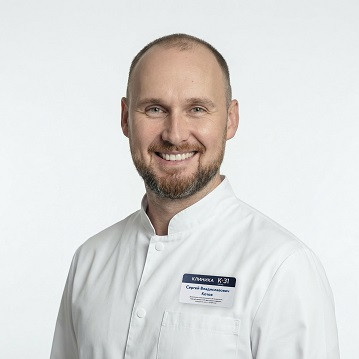
Kotov Sergey Vladislavovich
Experience 22 years
Make an appointment
Kotov
Sergey Vladislavovich
Deputy chief physician of K+31 for urology, chief urologist of K+31, urologist-andrologist, oncourologist, doctor of medical sciences, professor
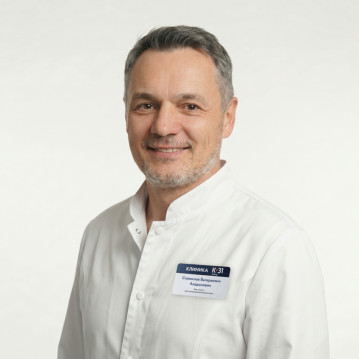
Andranovich Stanislav Valerievich
Experience 29 years
Make an appointment
Andranovich
Stanislav Valerievich
Urologist, ultrasound diagnostics doctor
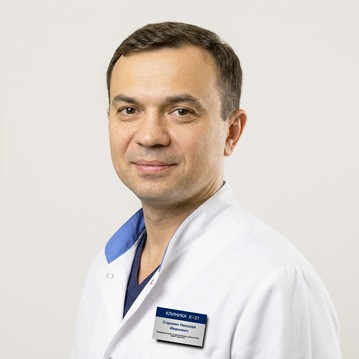
Sorokin Nikolay Ivanovich
Experience 24 years
Make an appointment
Sorokin
Nikolay Ivanovich
Head of the urology department, urologist, oncologist, oncosurgeon, doctor of medical sciences, professor
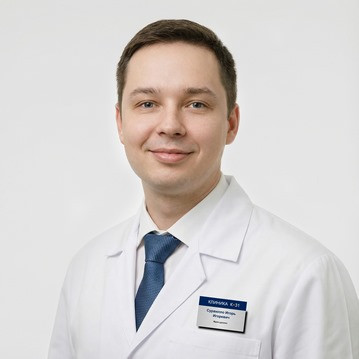
Survillo Igor Igorevich
Experience 13 years
Make an appointment
Survillo
Igor Igorevich
Urologist
All specialists
2GIS Award
2GIS Award

This award is given to clinics with the highest ratings according to user ratings, a large number of requests from this site, and in the absence of critical violations.

«Good place» according to Yandex

This award is given to clinics with the highest ratings according to user ratings. It means that the place is known, loved, and definitely worth visiting.

Our doctors are laureates of the ProDoctors Award

The ProDoctors portal collected 500 thousand reviews, compiled a rating of doctors based on them and awarded the best. We are proud that our doctors are among those awarded.

Make an appointment at a convenient time on the nearest date

What do we treat

Diagnosis and treatment of prostate adenoma in Moscow Andrological operations Andrology Balanoposthitis Prostate biopsy Peyronie's disease - causes of the disease, symptoms, stages of development, diagnosis and treatment in Moscow Varicocele, hydrocele (hydrocele) FAQ about urology Inflammatory diseases of the urinary system Inflammatory urological diseases Second opinion of a urologist Overactive bladder Diagnostic operations and manipulations in urology in Moscow Bladder diverticulum, bladder neck sclerosis Curvature of the penis Kidney stones: treatment of urolithiasis Urethral stones Kidney cyst Testicular cysts, epididymis, spermatic cord Complex urodynamics Short bridle CT in urology in Moscow Laser lithotripsy Laparoscopic surgery Rezum steam therapy for prostate adenoma LOD therapy Minor urology Minimally invasive surgery Urolithiasis disease Urolithiasis, nephrolithiasis MRI in urology in Moscow Male infertility; diagnostics and treatment in Moscow Nephroptosis New techniques Oncourology: Urologist-oncologist appointments Operations on the prostate gland Operations for urolithiasis Diagnosis and treatment of bladder tumors in Moscow Tumors of the ureter Kidney tumors: diagnosis and treatment in Moscow Orchitis Acute and chronic urinary retention Paraurethral cyst; diagnostics and treatment in Moscow Paraphimosis Pyelonephritis - diagnosis and treatment of the kidneys Polyps of the bladder and urethra Renal colic Premature ejaculation Urologist Admixture of blood in the urine Prostatitis Da Vinci prostatectomy Prostate cancer: diagnosis and treatment in Moscow Urinary disorders in women and men; diagnostics and treatment in Moscow Reconstructive urology Reconstructive plastic surgery X-ray in urology in Moscow Robot-assisted operations in urology in Moscow Fistulas of the genitourinary system Sling surgery for urinary incontinence Ureteral strictures Therapeutic treatment Transurethral surgery of the prostate and bladder Shockwave therapy in urology: a modern treatment method without drugs and surgery Ultrasound in urology Ureterocele Urethritis Ureteroscopy Urodynamics Uroflowmetry Penile prosthesis Physiotherapy treatment Phimosis (narrowing of the foreskin) Cystitis Bladder cystoscopy Electromagnetic stimulation of the pelvic floor muscles Endoscopic transurethral surgery Epididymitis Erectile disfunction
To get a consultation

Price

Reception
Price
Surgical treatment of erectile dysfunction using a three-component penile prosthesis through a standard scrotal approach without the cost of consumables (category III of complexity)
from 1 247 400 ₽
Surgical treatment of erectile dysfunction using a three-component penile prosthesis through a standard scrotal approach without the cost of consumables (category II of complexity)
from 1 108 800 ₽
Surgical treatment of erectile dysfunction using a three-component penile prosthesis through an innovative subpubic approach without the cost of consumables (category I of complexity) complexity)
from 1 108 800 ₽
Surgical treatment of erectile dysfunction using a three-component penile prosthesis through an innovative subpubic approach without the cost of consumables (category II of complexity)
from 1 247 400 ₽
Surgical treatment of erectile dysfunction using a three-component penile prosthesis through an innovative subpubic approach without the cost of consumables (category III of complexity)
from 1 386 000 ₽
Surgical treatment of erectile dysfunction using a three-component penile prosthesis through an innovative coronal approach access without the cost of consumables (I category of complexity)
from 1 275 120 ₽
Surgical treatment of erectile dysfunction using a three-component penile implant through an innovative coronal approach without the cost of consumables (II category of complexity)
from 1 427 640 ₽
Surgical treatment of erectile dysfunction using a three-component penile implant through an innovative coronal approach without the cost of consumables (III category of complexity)
from 1 580 040 ₽
Surgical treatment of erectile dysfunction using a three-component penile implant implant through an innovative coronal access with an extension sliding technique without the cost of consumables
from 1 801 800 ₽

Reviews

I would like to thank Anton Sergeyevich from the bottom of my heart. My dad had incontinence, and his bladder wouldn't empty completely. It made his life very difficult. Dad went to surgery (prostate TOUR) with great fear, he couldn't believe that everything could be done without incisions, through a natural channel. Anton Sergeyevich explained everything clearly and in detail, patiently answered a million questions, which half relieved the anxiety of dad and relatives. The operation went well, the bladder is now emptying completely, Dad feels better every day. Thank you so much for your professionalism, for your sensitivity and for treating an elderly man with such attention and patience. From our whole family, a low bow!
19.06.2026
Irina M.

About doctor:

Alferov Anton Sergeevich

Many thanks to Dr. Anton Sergeevich Alferov for his professionalism, human attitude and support at all stages of treatment. From the first appointment, he fully understood my problem (spermatocele), explained in detail what was happening, and offered a clear plan of action. Before the operation, the doctor spoke in detail about the course of the intervention and the risks, which relieved all the anxiety. The operation was quick and successful, and recovery in the hospital of the K+31 West clinic took a minimum of time due to excellent conditions and caring staff. Anton Sergeyevich continues to guide me during the rehabilitation period — he consults, helps me to return to a full life faster. I recommend it wholeheartedly!
19.06.2026
Aleksandr R.

About doctor:

Alferov Anton Sergeevich

A wonderful, professional doctor.
18.06.2026
Anatoliy K.

About doctor:

Gabaraev Alan Petrovich

Just a Doctor from God
17.06.2026
Balkiyat K.

About doctor:

Kosova Inga Vladimirovna

Many thanks to Valeria and Dr. S.V. Andranovich for the prompt appointment outside the appointment!
16.06.2026
Elena S.
An amazing doctor, professional and human being
28.05.2026
Aleksey G.
A very attentive and intelligent doctor.
28.05.2026
Viktor P.

About doctor:

Alferov Anton Sergeevich

Many thanks to Dmitry Olegovich!!! For believing in yourself!!!
25.05.2026
Valeriy A.
The Doctor is from God
22.05.2026
Vladimir S.
Doctor Medvedev AA on 5 plus!
21.05.2026
Konstantin U.
Почему К+31?
К + 31 — full-cycle multidisciplinary medical centers, including the possibility of providing medical services of European quality level.
К + 31 — are leading doctors and diagnostics using high-tech equipment from world manufacturers (Karl Storz, Olympus, Siemens, Toshiba, Bausch&Lomb, Technolas, Zeiss, Topcon).
К + 31 — is ethical. The staff of K+31 clinics maintain open relationships with patients and partners. An individual approach to each patient is the basis of our service standards.
К + 31 — is modernity. On call 24/7: call center operators will answer your questions at any time and book you an appointment with doctors. Contact us by phone, through the feedback form on the website and Max.

Our clinics

Address K+31 on Lobachevskogo

st. Lobachevskogo, 42/4

Contacts

+7 499 999-31-31

Opening hours

Mon-Fri: 08:00 – 21:00
Weekend: 09:00 – 19:00

Address K+31 West

Orshanskaya, 16/2; Ak. Pavlova, 22

Contacts

+7 499 999-31-31

Opening hours

Mon-Fri: 08:00 – 21:00
Sat-Sun: 09:00 – 18:00
K+31 West
Didn't find the service you were looking for?

Экстренная помощь