Radical prostatectomy

Radical prostatectomy - surgical removal of the prostate gland for cancer - is now performed using a robotic method with preservation of nerve bundles, which allows most patients to maintain urinary continence and erectile function. In K+31, the operation is performed using the da Vinci robotic system and the principles of nerve-sparing surgery.

Leading specialists
Leading
specialists
Expert equipment
Expert
equipment
Advanced Techniques treatment
Advanced Techniques
treatment
Download the application “Personal Account K+31”
Everything about your health in one click!
Subscribe to social networks K+31
To stay up to date with current offers and receive useful tips about your health.

About the service

Radical prostatectomy (RP) is an operation to completely remove the prostate gland along with the seminal vesicles and, if necessary, regional lymph nodes. This is one of the two main methods of radical treatment of prostate cancer, along with radiation therapy, and is the recognized “gold standard” for localized and locally advanced forms of the disease according to the recommendations of the European Association of Urology (EAU).

Prostate cancer is the most frequently diagnosed cancer among Russian men: according to 2023 data, it ranks 1st in the structure of cancer incidence in the male population of the Russian Federation (19.1%) with a recorded increase in prevalence over 10 years by almost 40%. Global statistics are also disappointing: in 2022, about 1.47 million new cases of prostate cancer were registered in the world, by 2040 their number is predicted at the level of 2.4 million. In Russia, 65.2% of all cases are detected today at stages 1 and 2 - this means that the majority of patients are candidates for for radical surgical treatment.

About the service
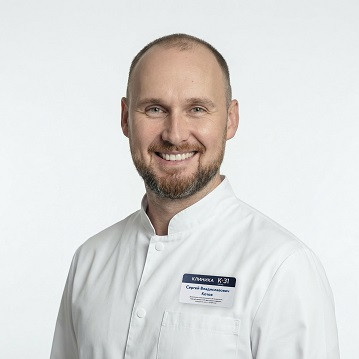
Kotov Sergey Vladislavovich
Deputy chief physician of K+31 for urology, chief urologist of K+31, urologist-andrologist, oncourologist, doctor of medical sciences, professor
Experience: 22 years
Doctor of Sciences, PhD, professor
More about doctor Sign up consultation
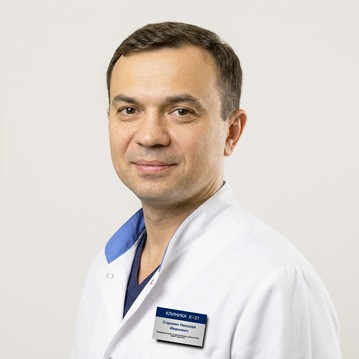
Sorokin Nikolay Ivanovich
Head of the urology department, urologist, oncologist, oncosurgeon, doctor of medical sciences, professor
Experience: 24 years
Doctor of Sciences, PhD, professor
More about doctor Sign up consultation
Kamalov Armais Albertovich
Chief consultant in urology, urologist, doctor of medical sciences, professor
Experience: 42 years
Academician, professor, Doctor of Sciences, PhD
More about doctor Sign up consultation
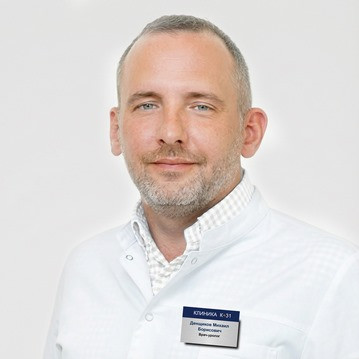
Denshchikov Mikhail Borisovich
Urologist
Experience: 26 years
More about doctor Sign up consultation
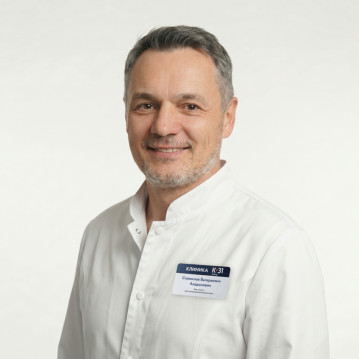
Andranovich Stanislav Valerievich
Urologist, ultrasound diagnostics doctor
Experience: 29 years
More about doctor Sign up consultation
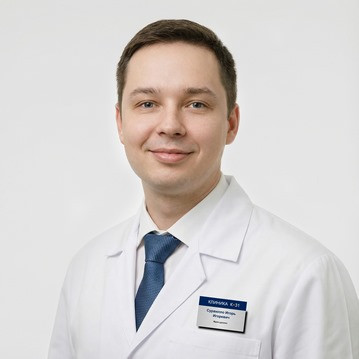
Survillo Igor Igorevich
Urologist
Experience: 13 years
More about doctor Sign up consultation
Tereshchenko Suren Alexandrovich
Doctor urologist-andrologist
Experience: 28 years
Doctor of Sciences, PhD
More about doctor Sign up consultation
Medvedev Alexander Alexeyevich
Urologist
Experience: 31 year
PhD
More about doctor Sign up consultation
Dzhabrailov Jabrail Abdulazizovich
Urologist, andrologist
Experience: 25 years
PhD
More about doctor Sign up consultation
Pshikhachev Ahmed Mukhamedovich
Urologist, Oncologist
Experience: 23 years
Doctor of Sciences, PhD
More about doctor Sign up consultation
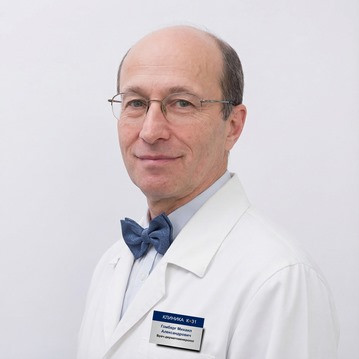
Gomberg Mikhail Alexandrovich
Dermatovenereologist
Experience: 43 years
Doctor of Sciences, PhD, professor
More about doctor Sign up consultation
Navruzbekov Gamzat Abdulkadirovich
The urologist
More about doctor Sign up consultation
Valeev Danil Ravilovich
Urologist
Experience: 6 years
More about doctor Sign up consultation
Dzhalilov Dmitry Olegovich
Urologist
Experience: 17 years
PhD
More about doctor Sign up consultation
Alferov Anton Sergeevich
Leading urologist, andrologist
Experience: 16 years
More about doctor Sign up consultation
Gabaraev Alan Petrovich
Urologist, andrologist
Experience: 13 years
More about doctor Sign up consultation
Meshkova (Borodaykina) Daria Yurievna
Urologist
Experience: 10 years
More about doctor Sign up consultation
Nemenov Alexander Alexandrovich
Urologist, oncologist (oncourologist)
Experience: 7 years
PhD
More about doctor Sign up consultation
Kosova Inga Vladimirovna
Urologist
Experience: 23 years
Doctor of Sciences, Docent
More about doctor Sign up consultation
It’s worth contacting a specialist not only

Who is the operation indicated for?

Indications for radical prostatectomy are determined according to the international D'Amico risk classification and the Gleason/ISUP grading system:

Low risk group (PSA < 10 ng/ml, Gleason index ≤ 6, stage ≤ T2a)

Active oncological surveillance or RP is possible in patients with a life expectancy of more than 10 years.

Intermediate risk group (PSA 10–20 ng/ml, Gleason 7, stage T2b–T2c)

Radical prostatectomy is the recommended standard of care.

High risk group (PSA > 20 ng/ml, Gleason ≥ 8, stage ≥ T3a)

RP is possible and justified in patients with locally advanced disease; up to 30% of all cases of prostate cancer in Russia fall into this group. Clinical studies confirm the oncological effectiveness of robotic prostatectomy at high risk, provided that extended pelvic lymphadenectomy is performed.

The main condition for RP is the absence of distant metastases (stage M0) and a life expectancy of more than 10 years.
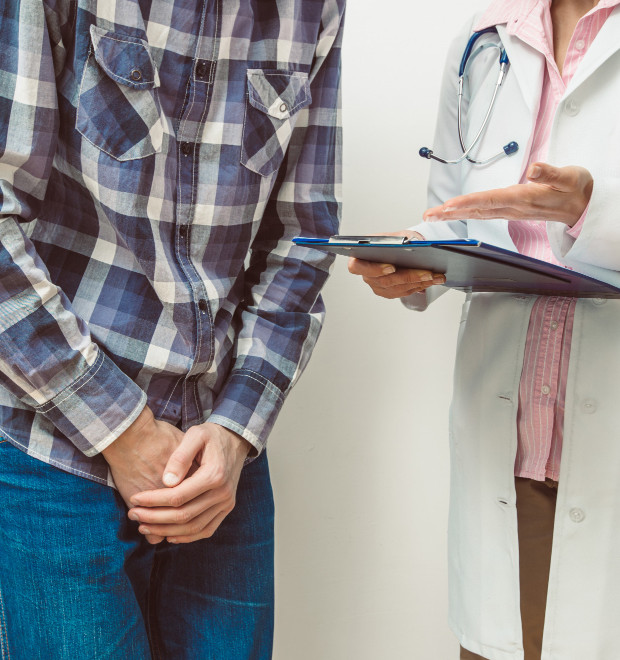
It is important for men to see a doctor if

Types of radical prostatectomy

Robotic radical prostatectomy (RARP)

The most modern and technologically advanced method. The surgeon controls the da Vinci system manipulators through a three-dimensional console with 10x magnification. The instruments have 7 degrees of freedom of movement - greater than the human hand - which allows you to work in the limited space of the small pelvis with submillimeter precision. The system completely eliminates tremor in the surgeon's hands. In the United States, the vast majority of radical prostatectomies are performed robotically.

Laparoscopic radical prostatectomy (LRP)

Minimally invasive technique through 5–6 punctures of the abdominal wall. In terms of oncological outcomes, it is comparable to robotic surgery, however, systematic reviews and meta-analyses show the advantage of RARP in restoring erectile function and early continence.

Open retropubic prostatectomy

It is performed through an incision in the lower abdomen. Generally accepted standard before the advent of robotic surgery. Characterized by greater blood loss and a long hospital stay compared to minimally invasive methods, but the oncological results are comparable to RARP when performed by an experienced surgeon.

Nerve-saving technique: maintaining quality of life

A key advantage of the robotic approach is the ability to precisely preserve neurovascular bundles (NVBs) running directly along the prostate capsule. It is these structures that are responsible for erectile function and partly for urinary retention.

The nerve-sparing technique is used provided that the nerve bundles are not involved in the tumor process according to mpMRI and biopsy data. With bilateral nerve sparing in patients under 60 years of age with initially preserved potency, the “trifecta” indicator (oncological control + continuity + potency) reaches 53–71% after 12–24 months.

In 2025, the Sechenov Clinic patented a modification - reduced fascia- and nerve-sparing RARP with late ligation of the dorsal venous complex, which significantly reduces the risk of urinary incontinence.

Sign up for a consultation

Fill out the form, our managers will contact you within 15 minutes

How is the operation performed?

1. Preoperative preparation (4–6 weeks)

  • Biopsy with pathological report (Gleason/ISUP group)
  • MPMRI of the pelvis - for nerve-sparing planning
  • Standard preoperative screening: CBC, OAM, coagulogram, ECG, chest X-ray/CT
  • With BMI > 30 – weight loss speeds up post-operative rehabilitation
  • Hospitalization the day before the intervention

2. Progress of the operation (2–3 hours)

The patient is placed under general endotracheal anesthesia in the Trendelenburg position. After 5–6 punctures (5–10 mm), carbon dioxide is injected into the abdominal cavity to create pneumoperitoneum. da Vinci manipulators ensure removal of the prostate gland en bloc with the seminal vesicles; When indicated, extended pelvic lymphadenectomy is performed. The urethrovesical anastomosis is created with absorbable sutures.[29]

3. Early postoperative period

The drainage is removed on days 1–2, the urethral catheter on days 7–14. The inpatient period after RARP is 2–5 days - significantly less than after open surgery (7–10 days).


How is the operation performed?

Contraindications

Absolute:

  • Distant metastases (M1)
  • Clinically significant lymph node involvement (N1 without signs of complete resectability)
  • Severe cardiopulmonary failure precluding general anesthesia

Temporary (removable):

  • Active infections and pelvic inflammatory disease
  • Disorders of the hemostasis system (require correction)
  • Decompensated diabetes mellitus
Contraindications

Results and outcomes

Oncological control

According to the world's largest series (> 12,000 RARP), positive surgical margin at stage T2 is 5.8%, at T3 - 26.1%. The 5-year survival rate without biochemical recurrence in the low and intermediate risk group exceeds 84%. The overall 5-year relative survival rate for prostate cancer in the United States is 98.2%.

Restoring urinary continence (continence)

According to systematic reviews, by 3 months continent is restored in 75–83% of patients after RARP, by 12 months - in 85–95%. Recovery depends on the initial state of the sphincter apparatus, nerve-sparing technique and the age of the patient.

Restoring erectile function

With bilateral nerve sparing, by 12 months, 50–62% of patients under 65 years of age achieve erections sufficient for sexual activity (with or without PDE5 inhibitors). Youth profile and baseline SHIM score are key predictors of recovery.

The trifecta concept

"Trifecta" - simultaneous achievement of oncological control, continuity and potency. With nerve-sparing RARP, the trifecta is achieved in 44–57% of patients after 12 months, and in 53–62% after 24 months. In the group of patients under 60 years of age with bilateral nerve sparing, the trifecta indicator exceeds 70%.

Results and outcomes

Rehabilitation after prostatectomy

First 2 weeks: bed rest is excluded - early activation reduces the risk of thrombosis. Hiking is recommended. A urethral catheter ensures the flow of urine.

1–3 months: Kegel exercises to strengthen the pelvic floor muscles speed up the recovery of continence. Specialized physical rehabilitation provides reliable results for stress incontinence.

3–12 months: active PSA monitoring (6 and 12 weeks after surgery, then every 6 months). If indicated, early penile rehabilitation (PDE-5 inhibitors, vacuum pumps) increases the chances of restoring potency.

Long term: in most patients with early stages, urinary function is completely normalized within 9–12 months. Persistent stress incontinence during stress (coughing, exertion) is observed less than in 5–10% of patients when using a nerve-sparing technique.

Rehabilitation after prostatectomy
Why K+31

Why K+31

  • The da Vinci Robotic System is the most advanced platform for urological surgery
  • Multidisciplinary consultation of a urologist-oncologist, anesthesiologist and rehabilitation specialist before each operation
  • Precision mpMRI navigation for nerve-sparing planning
  • Personalized rehabilitation program from the first day after surgery
  • Managing the patient until complete oncological and functional recovery

Frequently asked questions (FAQ)

How is radical prostatectomy different from surgery for prostate adenoma?

Adenomectomy (or TUR of the prostate) removes only benignly enlarged tissue, preserving the gland itself. Radical prostatectomy involves complete removal of the prostate gland along with the capsule, seminal vesicles and, if necessary, lymph nodes. Performed exclusively for malignant tumors.

How painful is the surgery?

The operation is performed under general anesthesia, so there is no pain during the intervention. In the postoperative period with robotic access, the pain syndrome is much less pronounced than with open surgery - most patients manage with tablet analgesics for 2–3 days.

When can I return to work after surgery?

For sedentary work, most patients return to work within 2–4 weeks after robotic prostatectomy. Physical labor and sports are allowed after 6–8 weeks.

Will I have urinary incontinence after surgery?

Temporary incontinence to one degree or another is observed in almost all patients after removal of the urethral catheter. However, when Using the nerve-sparing technique, up to 83% of patients retain urine without pads by 3 months, and 85–95% by 12 months. Kegel exercises, started before surgery significantly speeds up recovery.

Will potency remain after prostatectomy?

The likelihood of maintaining potency depends on age, initial SHIM score and the availability of technical conditions for nerve sparing. With bilateral nerve sparing in young patients (under 60 years of age) with an initially intact erection, the chances of restoring sexual function exceed 60–70%. It is important to understand that recovery takes from 6 to 24 months and often requires medication support.

Can I become a father after radical prostatectomy?

Traditional RP excludes biological paternity in a natural way, since the removal of the prostate gland disrupts the ejaculation mechanism. If Planned Parenthood is an option, sperm cryopreservation is recommended prior to surgery.

Do I need surgery if I am diagnosed with stage 1 prostate cancer?

For stage T1a–T1b and low risk according to D'Amico (Gleason ≤ 6, PSA < 10) European guidelines (EAU) allow active surveillance. However, when the presence of aggressive cells (ISUP group 2 and higher) or at the request of the patient, surgery is a justified choice. The decision is made jointly with a urologist-oncologist after a complete examination.

How soon after surgery will my PSA level drop?

After radical removal of the gland, the PSA level should drop to undetectable values ​​(< 0.1–0.2 ng/ml) for 4–8 weeks. This confirms the oncological radicality of the operation. Further PSA monitoring is carried out every 6 months.

Are radical prostatectomy and robotic prostatectomy the same thing?

No. Radical prostatectomy is the general name for surgery to remove the prostate for cancer. It can be performed open, laparoscopic or robotically. Robotic prostatectomy is the most modern type of RP performed using the da Vinci system.

What is the risk of recurrence after surgery?

The risk of biochemical relapse (rising PSA) within 5 years ranges from 8–12% in the low-risk group to 21–38% in the high-risk group according to D'Amico. Timely detected recurrence is successfully controlled with salvage radiation therapy or hormonal therapy.

Is it possible to perform an operation under a compulsory medical insurance policy?

In Russia, robotic prostatectomy is available under the VMP quota (high-tech medical care) in a number of government centers. In K+31, check the current financing conditions with the administrator.

Make an appointment at a convenient time on the nearest date

Reviews

Thanks a lot to the doctor!
29.07.2026
Elena R.
Thank you for your prompt assistance in organizing the hospitalization. Professor S.V. Kotov is an excellent doctor.
28.07.2026
Aleksey Sh.
I really liked Dr. Tereshchenko S.A.
28.07.2026
Alihan I.
I went to the doctor with a delicate problem, listened to everything carefully, and gave recommendations. A doctor with a capital letter. I recommend
22.07.2026
Natalya Z.
Dr. Dzhabrailov was recommended to me by another therapist Arakelyan, for which I am very grateful, the doctor is competent and attentive, thank you.
Wonderful doctor, thank you for the treatment!
19.07.2026
Saehat G.
I went to see Dr. Valeev, the doctor is very competent, immediately performed an ultrasound and guided me on the treatment. Thanks!
10.07.2026
Maksim M.

About doctor:

Valeev Danil Ravilovich

An excellent specialist
09.07.2026
Dmitriy P.
A good doctor, does his job calmly, confidently and methodically. I am constantly in touch, ready to help at any time. I had a sudden exacerbation, and in the evening I called Igor Igorevich on my mobile and described the situation. He told me to go to his clinic immediately and stayed to wait for me. By the time I arrived, he had already organized an express examination with his colleagues. As a result, I determined the diagnosis. He immediately sent me to the operating room and performed an emergency operation. After an hour in the ward, I felt good and was glad that the threatening situation had been eliminated. The doctor accompanies and helps in everything – both in treatment and in completing the necessary documents. A good, pleasant man, I recommend it. I am grateful to him.
09.07.2026
Dmitriy L.

About doctor:

Survillo Igor Igorevich

2GIS Award
2GIS Award

This award is given to clinics with the highest ratings according to user ratings, a large number of requests from this site, and in the absence of critical violations.

«Good place» according to Yandex

This award is given to clinics with the highest ratings according to user ratings. It means that the place is known, loved, and definitely worth visiting.

Our doctors are laureates of the ProDoctors Award

The ProDoctors portal collected 500 thousand reviews, compiled a rating of doctors based on them and awarded the best. We are proud that our doctors are among those awarded.

Price

Reception
Price
Primary appointment with a urologist
from 6 450 ₽
Repeated appointment with a urologist
from 5 700 ₽
Planned remote online consultation with a urologist using telemedicine technologies
from 5 700 ₽

Other services

Diagnosis and treatment of prostate adenoma in Moscow Andrological operations Andrology Balanoposthitis Prostate biopsy Peyronie's disease - causes of the disease, symptoms, stages of development, diagnosis and treatment in Moscow Varicocele, hydrocele (hydrocele) FAQ about urology Inflammatory diseases of the urinary system Inflammatory urological diseases Second opinion of a urologist Overactive bladder Diagnostic operations and manipulations in urology in Moscow Bladder diverticulum, bladder neck sclerosis Curvature of the penis Kidney stones: treatment of urolithiasis Urethral stones Kidney cyst Testicular cysts, epididymis, spermatic cord Complex urodynamics Short bridle CT in urology in Moscow Laser lithotripsy Laparoscopic surgery Rezum steam therapy for prostate adenoma LOD therapy Minor urology Minimally invasive surgery Urolithiasis disease Urolithiasis, nephrolithiasis MRI in urology in Moscow Male infertility; diagnostics and treatment in Moscow Nephroptosis New techniques Oncourology: Urologist-oncologist appointments Operations on the prostate gland Operations for urolithiasis Diagnosis and treatment of bladder tumors in Moscow Tumors of the ureter Kidney tumors: diagnosis and treatment in Moscow Orchitis Acute and chronic urinary retention Paraurethral cyst; diagnostics and treatment in Moscow Paraphimosis Pyelonephritis - diagnosis and treatment of the kidneys Polyps of the bladder and urethra Renal colic Premature ejaculation Urologist appointment Admixture of blood in the urine Prostatitis Da Vinci prostatectomy Prostate cancer: diagnosis and treatment in Moscow Urinary disorders in women and men; diagnostics and treatment in Moscow Reconstructive urology Reconstructive plastic surgery X-ray in urology in Moscow Robot-assisted operations in urology in Moscow Fistulas of the genitourinary system Sling surgery for urinary incontinence Ureteral strictures Therapeutic treatment Transurethral surgery of the prostate and bladder Shockwave therapy in urology: a modern treatment method without drugs and surgery Ultrasound in urology Ureterocele Urethritis Ureteroscopy Urodynamics Uroflowmetry Penile prosthesis Physiotherapy treatment Phimosis (narrowing of the foreskin) Cystitis Bladder cystoscopy Electromagnetic stimulation of the pelvic floor muscles Endoscopic transurethral surgery Epididymitis Erectile disfunction Erectile Dysfunction: Treatment in Moscow Without Excuses and Stereotypes
Sign up
Почему К+31?
К + 31 — full-cycle multidisciplinary medical centers, including the possibility of providing medical services of European quality level.
К + 31 — are leading doctors and diagnostics using high-tech equipment from world manufacturers (Karl Storz, Olympus, Siemens, Toshiba, Bausch&Lomb, Technolas, Zeiss, Topcon).
К + 31 — is ethical. The staff of K+31 clinics maintain open relationships with patients and partners. An individual approach to each patient is the basis of our service standards.
К + 31 — is modernity. On call 24/7: call center operators will answer your questions at any time and book you an appointment with doctors. Contact us by phone, through the feedback form on the website and Max.

Our clinics

Address K+31 Lobachevskogo 2

st. Lobachevskogo, 42/7

Contacts

+7 499 999-31-31

Opening hours

Mon-Fri: 08:00 – 21:00
Weekend: 09:00 – 19:00

Address K+31 on Lobachevskogo

st. Lobachevskogo, 42/4

Contacts

+7 499 999-31-31

Opening hours

Mon-Fri: 08:00 – 21:00
Weekend: 09:00 – 19:00

Address K+31 Petrovskie Vorota

1st Kolobovsky pereulok, 4

Contacts

+7 499 999-31-31

Opening hours

Mon-Fri: 08:00 – 21:00
Sat-Sun: 09:00 – 19:00

Address K+31 West

Orshanskaya, 16/2; Ak. Pavlova, 22

Contacts

+7 499 999-31-31

Opening hours

Mon-Fri: 08:00 – 21:00
Sat-Sun: 09:00 – 18:00
K+31 on Lobachevskogo
Didn't find the service you were looking for?

Экстренная помощь