
Surgical Gynecology in Moscow
Surgical Gynecology at K+31 offers surgeries of any complexity, with a focus on preserving reproductive function. Over 120 gynecological surgeries per month, with professors and doctors of science in the operating room, and a full cycle from consultation to rehabilitation, all within a single clinic.
We don't just operate – we preserve the possibility of having children, even in clinics where other clinics offer organ removal.

specialists

equipment

treatment






Types of operations and access methods
At K+31, surgical interventions are performed using all modern access methods.
Laparoscopy in Gynecology
Minimally invasive, the "gold standard" of modern gynecological surgery. The surgeon makes 3-4 punctures, each 5-10 mm in diameter; The image from a Karl Storz or Olympus camera is displayed on a monitor at up to 40x magnification, allowing precise removal of pathological tissue without damaging healthy tissue.
Indications for laparoscopy:
- Removal of fibroids (myomectomy), ovarian cysts (cystectomy)
- Treatment of endometriosis, dissection of adhesions
- Tubectomy, salpingotomy for ectopic pregnancy
- Plastic surgery on the fallopian tubes for infertility
- Diagnostic laparoscopy for chronic pelvic pain
Advantages of laparoscopy over open surgery:
- Inpatient stay 1–3 days (versus 7–10 days with laparotomy)
- Return to work in 1–2 weeks
- Minimal pain, rapid healing
- Absence Large abdominal scars
- Reduced risk of postoperative adhesions
Hysteroscopy and hysteroresectoscopy
Endoscopic examination and treatment of the uterine cavity through the vagina—without incisions or punctures. A hysteroscope is inserted into the uterine cavity through the cervix; the image, magnified at multiple times, is transmitted to a monitor. During a single procedure, the doctor simultaneously diagnoses and treats the pathology.
Hysteroscopy at K+31 allows:
- Remove endometrial polyps (polypectomy)
- Excise submucosal myomatous nodes (hysteroscopic myomectomy)
- Dissect intrauterine adhesions and septa
- Perform endometrial ablation for abnormal bleeding
- Remove foreign bodies, remove a displaced IUD
- Perform a biopsy for morphological examination
The diagnosis confirmed by hysteroscopy matches the intraoperative findings in 90% of cases.
Laparotomy
Open access is used for large tumors, severe adhesions, oncological pathology, or when laparoscopic access is impossible for technical or clinical reasons. In K+31, laparotomy is performed only for strict indications; in all other situations, preference is given to minimally invasive methods.
Vaginal access
Surgeries without an abdominal incision or laparoscopic punctures—through natural routes. Used for vaginal hysterectomy, colpoperineoplasty, and pelvic organ prolapse correction.
Sling surgery for urinary incontinence
TVT and TOT are loop procedures for stress urinary incontinence in women. This minimally invasive procedure allows for radical resolution of the problem on an outpatient basis or with a one-day hospital stay.
Operations for prolapse with titanium silk
K+31 is one of two clinics in Moscow that performs pelvic organ prolapse correction using titanium silk mesh implants. This rare material combines the biological inertness of titanium with flexibility and strength, ensuring long-lasting anatomical results.
Equipment and safety
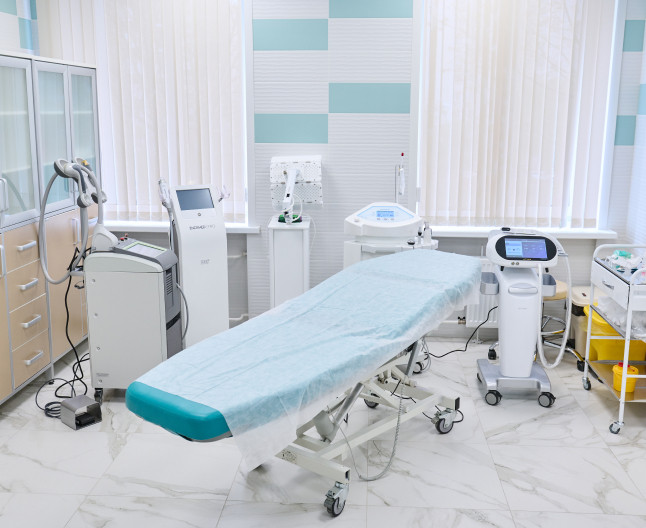
The K+31 operating rooms are equipped with Karl Storz and Olympus endoscopic columns, Covidien energy systems, and instrumentation from leading global manufacturers.
Anesthetic safety: throughout all long surgeries, an intermittent pneumatic compression device is used—a device that maintains active blood flow to the lower extremities and reduces the risk of thromboembolism, the most serious complication of lengthy surgeries.

How is treatment carried out at K+31
- Step 1. Consultation and examination The gynecologist collects a medical history, performs an examination, and prescribes the necessary diagnostic procedures: expert-class pelvic ultrasound, 1.5 or 3 Tesla MRI, laboratory tests, and tumor markers. All within a single clinic, without referrals.
- Step 2. Preoperative preparation An anesthesiologist-resuscitator assesses the risks and selects the optimal type of anesthesia. You receive a clear surgical plan, information about its progress, hospitalization, and recovery time.
- Step 3. Operation The procedure is performed in modern operating rooms with sterile conditions and high-tech equipment. The surgeons are doctors and candidates of medical sciences with at least 15 years of experience.
- Step 4. Postoperative period After laparoscopy, hospital stay is 1–3 days; after open procedures, it is on a case-by-case basis. 24-hour monitoring in the intensive care unit (ICU) is required.
- Step 5. Rehabilitation and dynamic observation The doctor prescribes a recovery plan, follow-up examinations, and, if necessary, hormonal support. For women of reproductive age, a personalized fertility preservation and restoration plan is provided.
Our approach: organ-preserving surgery
The K+31 principle is to operate without sacrificing the patient's future.
Many women who come to us have already heard the verdict "hysterectomy" or "ovary removal" from doctors at other clinics. Our gynecological surgeons, working with reproductive specialists, review the indications and, if possible, offer an organ-preserving alternative:
- Preserve the uterus by removing only the fibroids—even with giant fibroids
- Preserve healthy ovarian tissue with tumors of any size
- Restore the patency of the fallopian tubes for subsequent pregnancy
- Perform the surgery as sparingly as possible, taking into account reproductive plans
The Department of Surgical Gynecology works in conjunction with Center for Reproductive Medicine and IVF K+31 — This allows to immediately move on to fertility restoration programs or IVF after surgery.
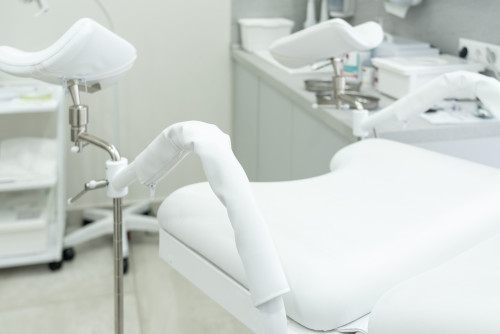

This page has been updated by doctors from the K+31 Surgical Gynecology Department. All information is for informational purposes only and does not replace an in-person consultation with a specialist.
FAQ — Frequently Asked Questions
What gynecological surgery can be performed laparoscopically?
The vast majority of elective surgeries include: ovarian cyst removal, myomectomy, endometriosis treatment, adhesion dissection, tubectomy for ectopic pregnancy, diagnostic laparoscopy, adnexectomy, and laparoscopic hysterectomy. Laparotomy is used for oncological procedures and in situations where laparoscopic access is technically impossible.
How painful is the surgery? What kind of anesthesia is used?
All gynecological surgeries at K+31 are performed under general anesthesia (combined endotracheal anesthesia or TETA). You won't feel any pain during the procedure. Pain after laparoscopy is minimal, and anesthesia is required significantly less frequently than after open surgery.
How many days do you need to spend in hospital?
After laparoscopic surgery, it's usually 1-3 days. After hysteroscopy, you may go home on the day of surgery or the next day. After open (laparotomy) procedures, it's individual, usually 3-7 days.
When can I return to work after surgery?
After laparoscopy, recovery time is typically 7-14 days for office workers. After open surgery, recovery time is 3-6 weeks. The exact recovery time depends on the extent of the procedure and individual recovery needs.
Is it possible to preserve the uterus if there is fibroid?
Yes—provided reproductive plans are maintained and there are no absolute indications for hysterectomy. K+31 surgeons specialize in organ-preserving myomectomy—laparoscopic or hysteroscopic, depending on the location and size of the nodes.
When can I plan a pregnancy after surgery?
After laparoscopic myomectomy or cystectomy, it's usually 3-6 months, after recovery and a course of hormonal support. For endometriosis, hormonal therapy is administered for 3-6 months after surgery, after which fertility is restored in 70-80% of cases. The specific timeframe is determined by the treating physician, taking into account the extent of the surgery.
Is it possible to come to a consultation with a ready-made diagnosis from another clinic?
Yes. K+31 offers a "Second Opinion" service: a free gynecologist consultation with an ultrasound to assess the indications for surgery scheduled elsewhere. The doctor will independently assess your situation and recommend the best course of action.
How to prepare for gynecological surgery?
The minimum standard scope includes: clinical and biochemical blood tests, a coagulation profile, infection tests (HIV, hepatitis, syphilis), an ECG, chest x-ray, and a physical examination by a physician and anesthesiologist. Additional tests (MRI, tumor markers, hormones) are prescribed on an individual basis. A detailed list will be provided after the initial consultation.
How much does fibroid or cyst removal surgery cost in K+31?
The cost is calculated individually and depends on the access method, the extent of the procedure, the type of anesthesia, and the length of hospital stay. To obtain an accurate cost estimate, schedule a free consultation – a gynecological surgeon will create a surgical plan and provide a detailed price list.
Do you accept patients with oncological diagnoses?
Yes. K+31 employs gynecologic oncologists specializing in malignant diseases of the pelvic organs. Oncological surgeries are performed, including laparoscopic procedures, and multidisciplinary consultations are held with an oncologist, surgeon, and chemotherapist.
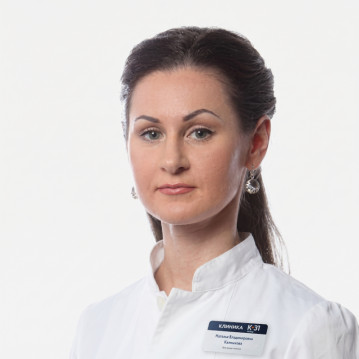
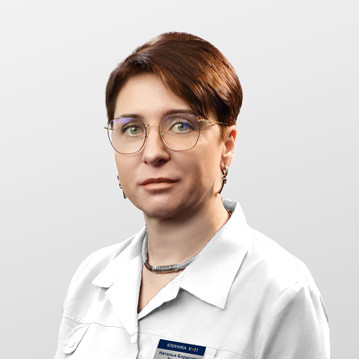
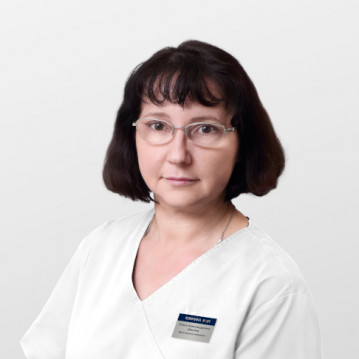
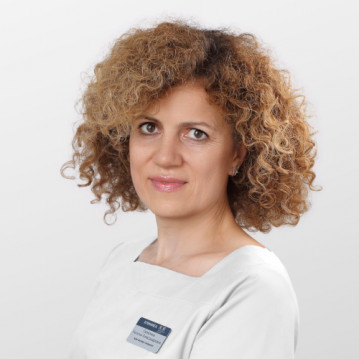
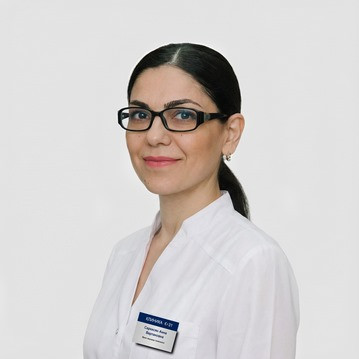
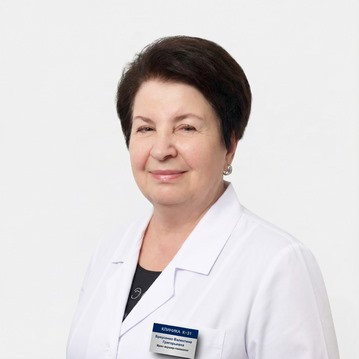
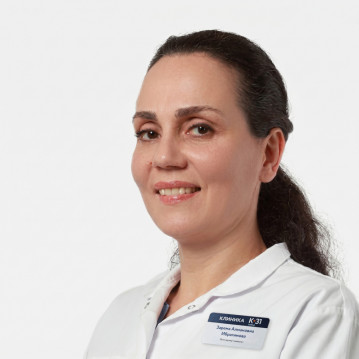
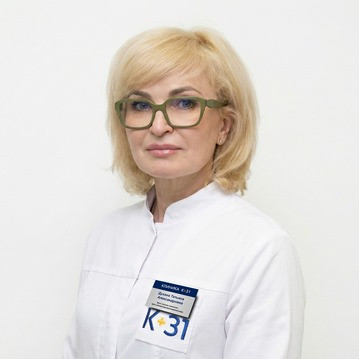
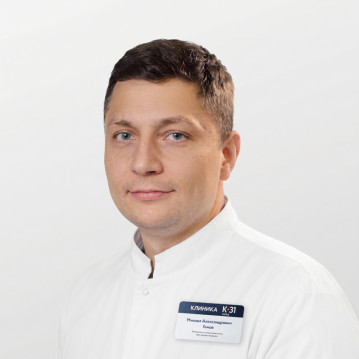
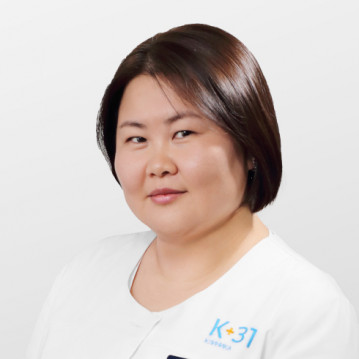
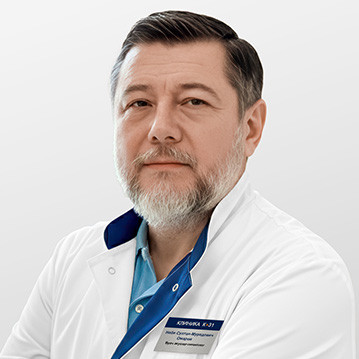
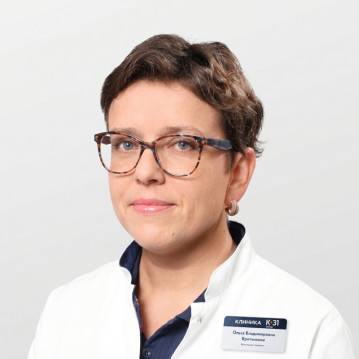
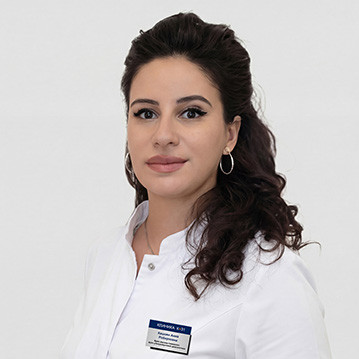
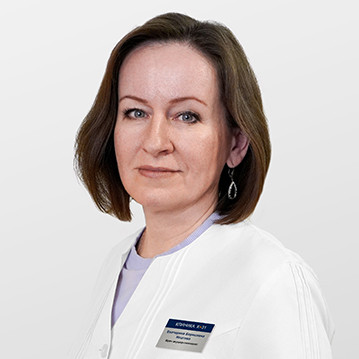
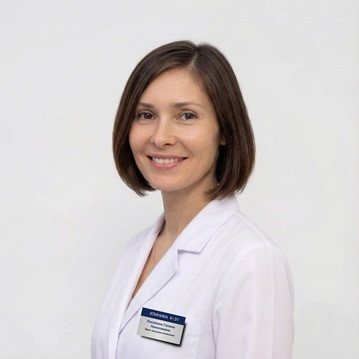
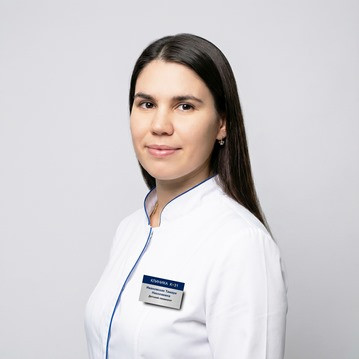
Our doctors

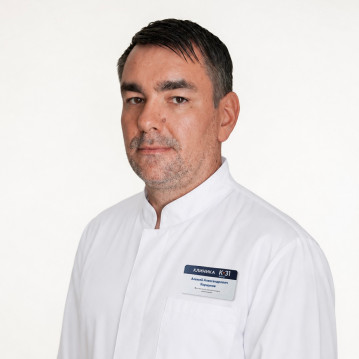
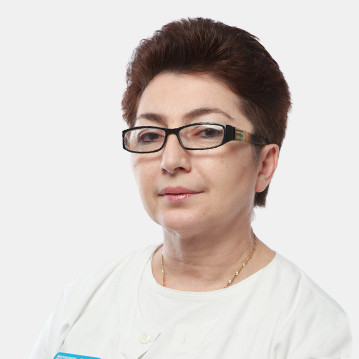
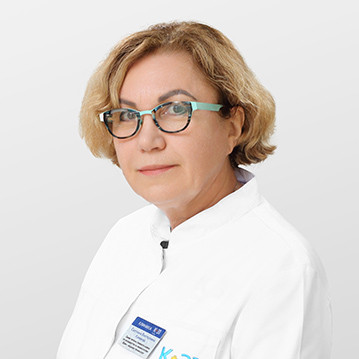
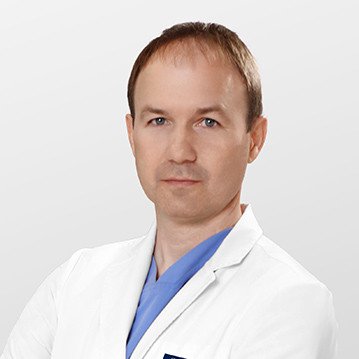
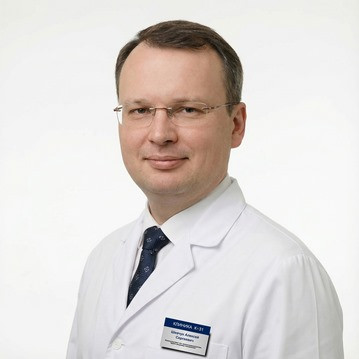
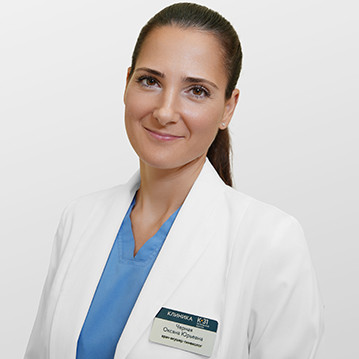
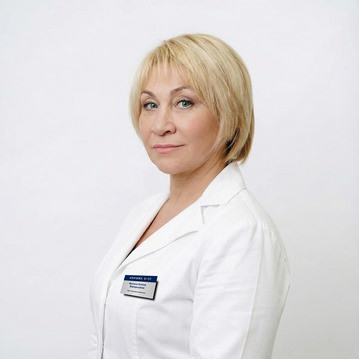



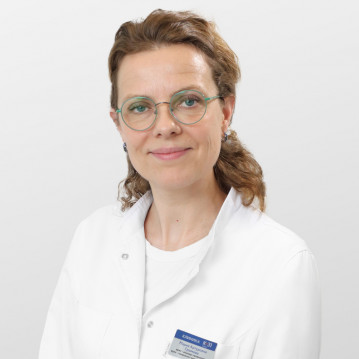
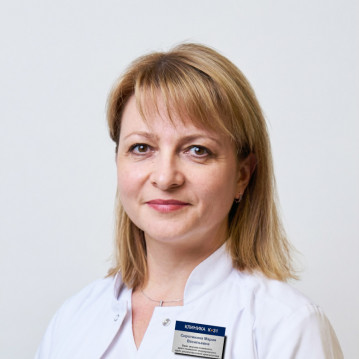
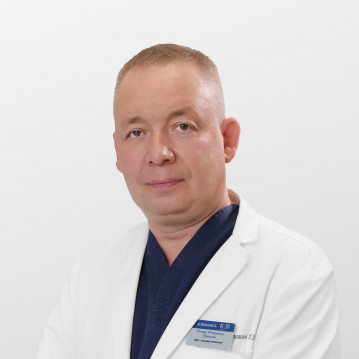
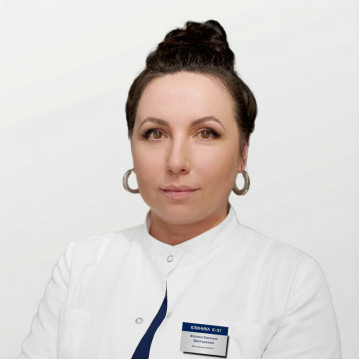



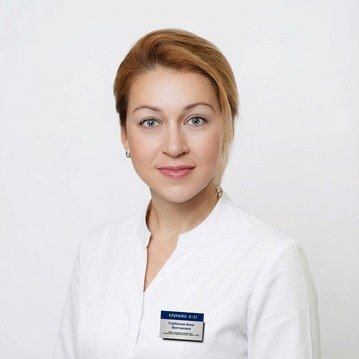
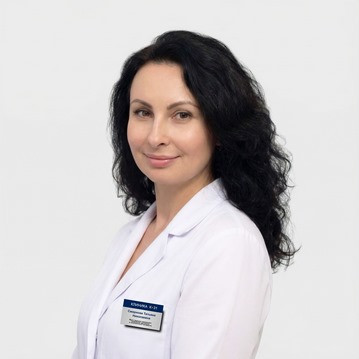
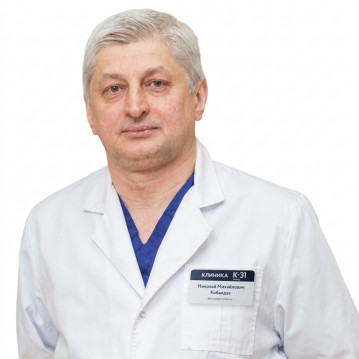

This award is given to clinics with the highest ratings according to user ratings, a large number of requests from this site, and in the absence of critical violations.

This award is given to clinics with the highest ratings according to user ratings. It means that the place is known, loved, and definitely worth visiting.

The ProDoctors portal collected 500 thousand reviews, compiled a rating of doctors based on them and awarded the best. We are proud that our doctors are among those awarded.
Make an appointment at a convenient time on the nearest date
Other services

Appointment to the doctor
Reviews
Our clinics


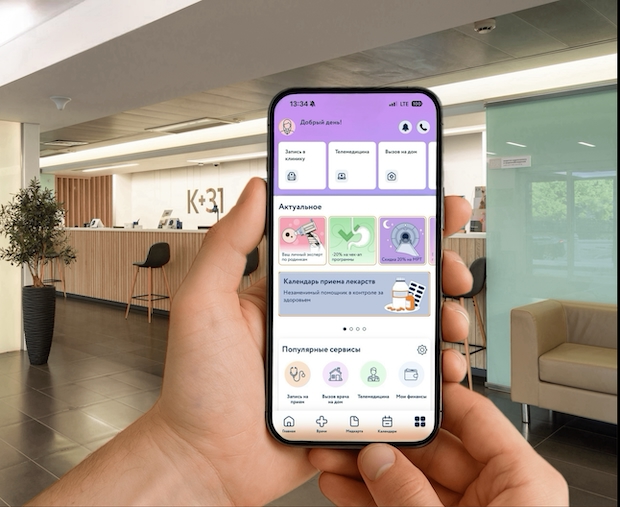
Application “Personal Account K+31”












When is gynecological surgery necessary?
Surgical treatment is prescribed strictly according to indications—after a complete examination and if conservative therapy is ineffective. Our gynecological surgeons recommend surgery for the following conditions: