Laparoscopy in Gynecology

Every woman preparing for surgery faces fears: pain, long recovery period, scars. But modern gynecology offers another way - laparoscopy.

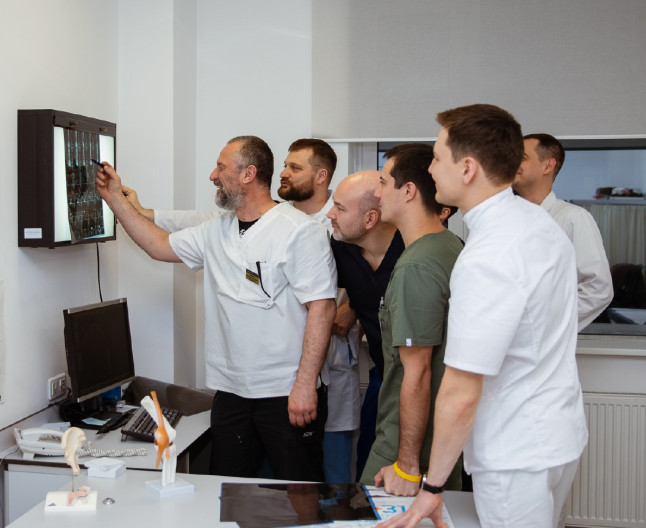
Best specialists
Best
specialists
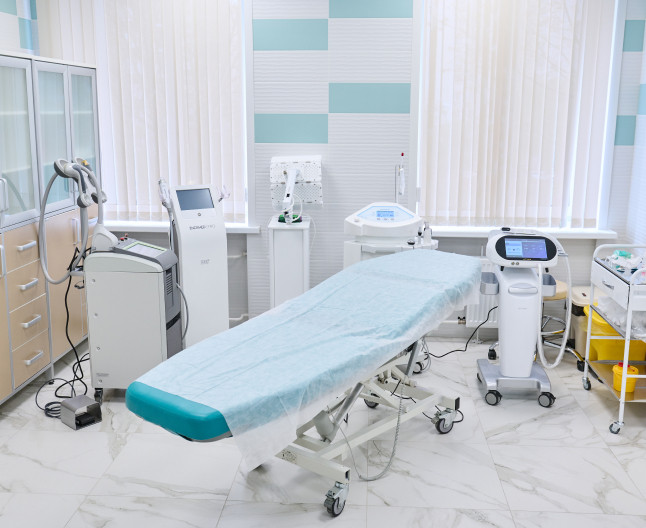
Expert equipment
Expert
equipment
Advanced diagnostic treatment
Advanced diagnostic
treatment
Download the application “Personal Account K+31”
Everything about your health in one click!
Subscribe to social networks K+31
To keep up to date with current offers and receive useful advice about your health.

What is laparoscopy?

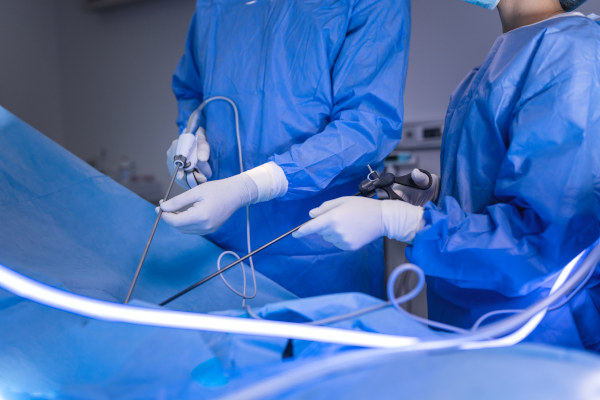
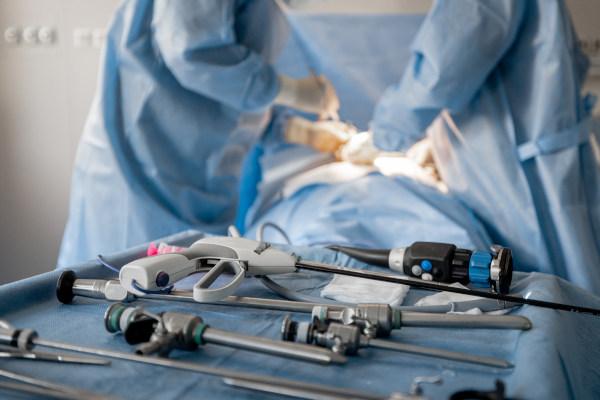
Laparoscopy in gynecology is a minimally invasive surgical method that allows diagnosing and treating diseases of the pelvic organs through small punctures in the abdominal wall. During the procedure, a laparoscope is used - a thin tube with a camera that transmits an image to the screen, and special surgical instruments. Laparoscopy is used to diagnose the causes of infertility, treat endometriosis, remove ovarian cysts, uterine fibroids, adhesions or ectopic pregnancy. The method is characterized by minimal trauma, a short recovery period and a low risk of complications.

What is laparoscopy?

General information about the procedure

How is a gynecological laparoscopy performed?

Gynecological laparoscopy is a minimally invasive surgery performed through small punctures in the abdominal wall. The procedure is performed under general anesthesia and consists of several stages. Here's how it's done.

The main stages of gynecological laparoscopic procedures:

  1. Preparation. The patient is put under general anesthesia. An antiseptic is applied to the skin of the abdomen to prevent infection
  2. Creating access. The doctor makes 2-4 small punctures (5-10 mm) on the abdomen. A laparoscope is inserted through one of the punctures - a thin tube with a camera that transmits an image to a screen. Surgical instruments are inserted through the other punctures
  3. Inflation of the abdominal cavity. Carbon dioxide is introduced into the abdominal cavity. This allows you to lift the abdominal wall and provide a good view of the internal organs
  4. Diagnostics and treatment. The doctor examines the pelvic organs (uterus, ovaries, fallopian tubes) and performs the necessary actions: removing cysts, treating endometriosis, eliminating adhesions or other manipulations
  5. Completion of the operation. After all manipulations are completed, the instruments and gas are removed. The punctures are sutured or covered with special patches

Usually, laparoscopy takes from 30 minutes to 2 hours, depending on the amount of work.
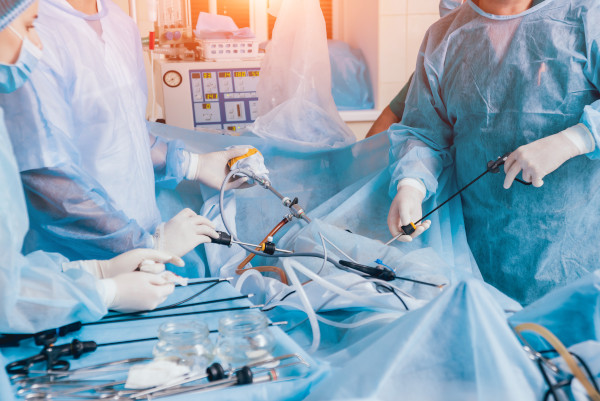
How is a gynecological laparoscopy performed?

Diagnostic laparoscopy in gynecology

When diagnostic gynecological laparoscopy is performed:

  1. Infertility of unknown origin. If pregnancy does not occur, and the results of standard examinations are normal, laparoscopy helps to identify adhesions, endometriosis or other hidden problems
  2. Unclear pain in the lower abdomen. If the pain is constant or periodically worsens, and the cause cannot be determined, the procedure helps to identify endometriosis, cysts, adhesions or inflammatory processes
  3. Suspicion of endometriosis. Laparoscopy is the only accurate way to confirm or refute the diagnosis, since foci of endometriosis may not be visible during other examinations
  4. Suspicion of ectopic pregnancy. The method allows you to accurately determine the location of the ovum and avoid serious complications
  5. Diagnostics of tumors. Laparoscopy helps to establish the nature of the formation - whether it is benign or malignant, and also to assess its location
  6. Suspected adhesion process. It is used to assess the condition of the fallopian tubes and other organs if there is a suspicion of adhesions that interfere with the normal functioning of the reproductive system

The diagnostic laparoscopy procedure is the same as a laparoscopic operation: the patient is given general anesthesia, 2-4 small punctures are made in the abdominal wall, through which a laparoscope with a camera and instruments are inserted. The abdomen is filled with carbon dioxide to improve visibility. The main difference is that during diagnostic laparoscopy, the doctor's main task is to examine the pelvic organs (uterus, ovaries, tubes) and identify hidden pathologies. If necessary, tissue samples can be immediately taken for analysis (biopsy).

Opinion of gynecologists "K + 31": "Diagnostic laparoscopy allows you to get accurate data on the condition of the pelvic organs. The high-resolution camera helps to detect even the smallest changes that may not be visible on ultrasound or MRI. If pathologies are detected during the examination - for example, adhesions, cysts or endometriosis - we can immediately eliminate them.”

Diagnostic laparoscopy in gynecology

Recovery after surgery

What is important to know about recovery after laparoscopic procedures:

  1. Recovery time. In most cases, the patient is discharged 1-2 days after surgery. You can return to daily activities in 5-7 days, but it is recommended to avoid physical activity for at least 2-4 weeks
  2. Stitches and puncture care. The punctures are small and heal quickly. Usually, it is enough to treat them with an antiseptic and keep them dry. Stitches, if any, are removed after 7-10 days
  3. Pain. Minor pain or discomfort in the abdominal area is normal in the first few days. To relieve this, your doctor may prescribe painkillers. The gas used during surgery sometimes causes mild pain in the shoulders or neck, which goes away after 1-2 days
  4. Diet. A light diet is recommended for the first 1-2 days to avoid strain on the gastrointestinal tract. You can gradually return to your normal diet
  5. Physical activity. Complete rest is not required, but it is important to avoid heavy physical exertion and sudden movements. Light walks will help improve blood circulation and speed up healing
  6. Intimate life. Abstinence from sexual intercourse is usually required for 2-4 weeks to allow the mucous membranes and tissues to fully recover

After the operation, it is important to come for a check-up in 7-10 days or at the time specified by the doctor.

Symptoms that require attention after laparoscopy include an elevated body temperature above 38 degrees that persists for more than a day, severe pain that is not relieved by painkillers, as well as discharge from the punctures with an unpleasant odor or pronounced redness around. In addition, you should pay attention to unusual vaginal discharge. If any of this appears, it is important to immediately consult a doctor.

Recovery after surgery

Recommendations after laparoscopy

The main recommendations after gynecological laparoscopic surgery:

  1. Follow your daily routine. In the first days after surgery, try to rest more. Avoid overexertion, but do not forget about light activity, such as walking
  2. Wear comfortable clothes. Choose loose clothing that does not put pressure on the abdomen. The puncture area should remain dry and ventilated to minimize the risk of irritation or infection
  3. Avoid water procedures that immerse the body in water. Bathing in a bath, pool or visiting a sauna is prohibited until the punctures are completely healed (approximately 2-3 weeks)
  4. Avoid heavy physical activity. Do not lift weights or engage in intense sports for a month
  5. Pay attention to your menstrual cycle. After laparoscopy, there may be changes in the cycle, such as a delay or heavier discharge
  6. Plan your pregnancy after consulting your doctor. If laparoscopy was performed due to infertility or gynecological diseases, your doctor will determine when you can start planning conception. Usually, it is 1-3 months, but the timing depends on the goals and results of the operation

Avoid stress. Emotional state affects recovery. Try to provide yourself with a comfortable environment, maintain healthy sleep and avoid stressful situations.

Recommendations after laparoscopy

Indications for gynecological laparoscopy

When is gynecological laparoscopy prescribed:

  1. Endometriosis. Laparoscopy allows you to accurately identify areas of endometrial growth (tissue lining the uterus) outside of it and remove them
  2. Ovarian cysts. Used to remove cysts or parts of them, preserving healthy ovarian tissue
  3. Uterine fibroids. Allows you to remove myomatous nodes (benign uterine tumors) without a large incision
  4. Ectopic pregnancy. Laparoscopy helps remove the fertilized egg located outside the uterus, preserving the integrity of the fallopian tubes, if possible
  5. Infertility of unknown origin. Used to diagnose and remove adhesions that may interfere with conception
  6. Adhesions in the pelvis. Helps remove adhesions that may cause pain and impede the functioning of organs
  7. Removal of the uterus or ovaries. Performed if the organ cannot be preserved due to a serious illness

Laparoscopy can also be used to diagnose the causes of pelvic pain.

“Laparoscopy is one of the most effective methods for diagnosing pelvic pain, especially when other examinations, such as ultrasound or MRI, do not provide an accurate answer. Through a small puncture, the doctor can directly examine the internal organs - the uterus, ovaries, fallopian tubes - and identify problems that are not visible on the images. These may be hidden foci of endometriosis, adhesions, cysts or inflammation. This approach allows not only to understand the cause of the pain, but also to immediately eliminate the problem, if possible within one procedure.” - comments the gynecologist of “K+31”.

Indications

Contraindications

The main contraindications for gynecological laparoscopic procedures:

  1. Pregnancy. Laparoscopy is not performed in the first trimester of pregnancy, as well as in the case of a threat of termination of pregnancy, since the procedure can affect the condition of the uterus and fetus
  2. Serious diseases of the heart and blood vessels. Patients with severe heart disease, hypertension or other cardiovascular diseases that require special monitoring may not be ready for anesthesia and the general impact on the body during surgery
  3. Severe liver or kidney disease. With severe liver or kidney dysfunction, the risks of complications during anesthesia and subsequent recovery increase. In such cases, laparoscopy may be contraindicated
  4. Thrombophilia and a tendency to bleeding. If the patient has a tendency to form blood clots or bleed (e.g. low platelet count), this increases the risk of bleeding during and after surgery.
  5. Aggravation of chronic diseases. If the patient is in the acute stage of a chronic disease (e.g. gastric ulcer or uncompensated diabetes), laparoscopy may be dangerous due to the strain on the body.
  6. High obesity. In case of significant obesity, there may be difficulties in accessing organs, which makes laparoscopy technically difficult and increases the risks.

Important! In the presence of acute infections in the body or in the pelvic organs, laparoscopy may be postponed until complete recovery to avoid the spread of infection.

Contraindications

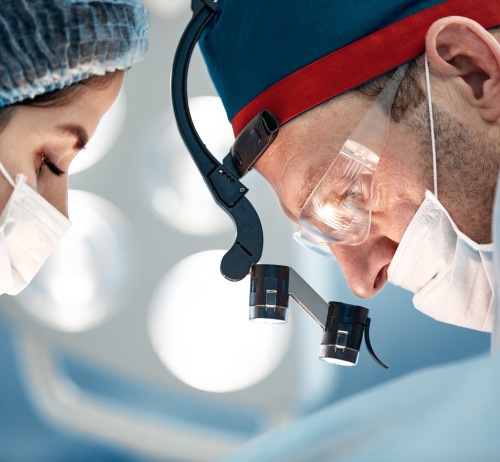
Advantages of laparoscopic surgery in gynecology

Laparoscopy is a modern and gentle method of surgical treatment. It is becoming a preferred choice in gynecology due to its many advantages.

The main advantages of gynecological laparoscopic procedures:

  1. Minimal trauma. The surgery is performed through small punctures (5-10 mm), rather than through large incisions
  2. Fast recovery. After laparoscopy, patients recover faster. Usually, discharge is possible after 1-2 days, and you can return to your normal rhythm of life in 1-2 weeks
  3. Small scars. Small punctures heal quickly and are almost invisible
  4. Less risk of complications. Laparoscopy reduces the likelihood of infection, bleeding and other complications that are more common with traditional operations with an incision
  5. Accuracy of diagnosis and treatment. The laparoscope camera magnifies the image several times, allowing the doctor to see the smallest changes in tissues and perform the operation with high precision
  6. Reduction of pain syndrome. Postoperative pain during laparoscopy is significantly weaker than after classical surgical interventions

The method is used to treat and diagnose many diseases: endometriosis, ovarian cysts, uterine fibroids, ectopic pregnancy, adhesions and others. In the clinic "K+31" (Moscow) you can get a full range of these services. Our specialists work on modern equipment so that the treatment is as accurate and safe as possible. Call or write to find out more. All prices and details are presented in the price list on the website.
Advantages of laparoscopic surgery in gynecology

Answers to popular questions

K+31 doctors comment on questions about laparoscopic procedures.

Is special preparation required for a gynecological laparoscopic procedure?

Yes, preparation is required. It includes standard blood and urine tests, ECG, and ultrasound of the pelvic organs. The day before the gynecological laparoscopic surgery, you should switch to light food, and 8 hours before the procedure, you should abstain from food and water. The doctor will give you exact recommendations during the consultation.

How long does it take to fully recover from a gynecological laparoscopic procedure?

Full recovery takes 4-6 weeks. Most patients return to normal life within 5-7 days. The exact time frame depends on the scope of the intervention and your health condition.

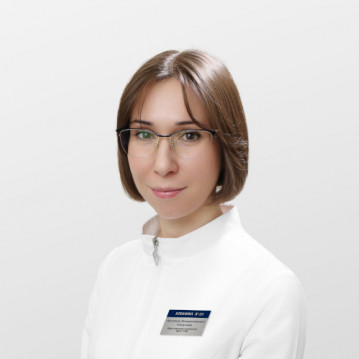
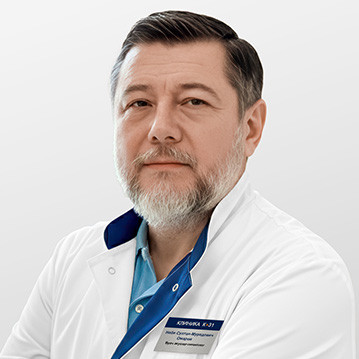
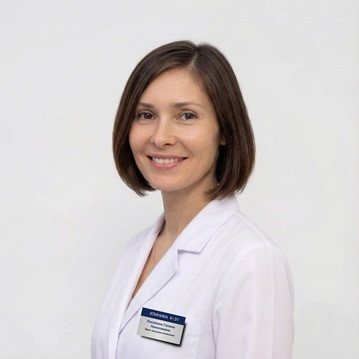
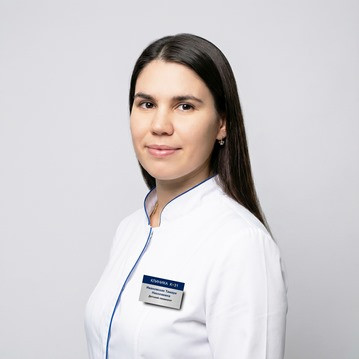
Our doctors
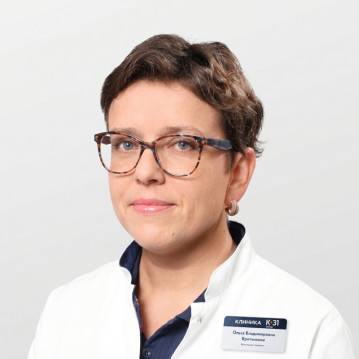
Kappusheva Laura Magomedovna
Experience 43 years
Make an appointment
Kappusheva
Laura Magomedovna
Deputy chief physician for gynecology, chief gynecologist K+31, honored doctor of the Russian Federation, doctor of medical sciences, professor
Kamoeva Svetlana Viktorovna
Experience 31 year
Make an appointment
Kamoeva
Svetlana Viktorovna
Deputy chief physician for obstetrics and gynecology, obstetrician-gynecologist, doctor of medical sciences, professor
Pivovarova Svetlana Victorovna
Experience 32 years
Make an appointment
Pivovarova
Svetlana Victorovna
Head of the endocrinology department, PhD, gynecologist, endocrinologist
Makarischev Alexei Yakovlevich
Experience 28 years
Make an appointment
Makarischev
Alexei Yakovlevich
Obstetrician-gynecologist
Shevchuk Alexei Sergeyevich
Experience 26 years
Make an appointment
Shevchuk
Alexei Sergeyevich
Oncogynecology consultant, obstetrician-gynecologist
Chernaya Oksana Yuryevna
Experience 15 years
Make an appointment
Chernaya
Oksana Yuryevna
Obstetrician-gynecologist
Mukhina Elena Valeryevna
Experience 33 years
Make an appointment
Mukhina
Elena Valeryevna
Obstetrician-gynecologist
Manukyan Lusine Andranikovna
Experience 28 years
Make an appointment
Manukyan
Lusine Andranikovna
Obstetrician-gynecologist
Pegova Maria Romanovna
Experience 14 years
Make an appointment
Pegova
Maria Romanovna
Obstetrician-gynecologist
Kalmykova Natalya Vladimirovna
Experience 26 years
Make an appointment
Kalmykova
Natalya Vladimirovna
Obstetrician-gynecologist
Zarubenko Natalya Borisovna
Experience 24 years
Make an appointment
Zarubenko
Natalya Borisovna
Obstetrician-gynecologist
Shilina Elena Alexandrovna
Experience 27 years
Make an appointment
Shilina
Elena Alexandrovna
Obstetrician-gynecologist
Selyutina Nataliya Alexandrovna
Experience 28 years
Make an appointment
Selyutina
Nataliya Alexandrovna
Obstetrician-gynecologist
Smirnova Angelica Yuryevna
Experience 27 years
Make an appointment
Smirnova
Angelica Yuryevna
Obstetrician-gynecologist, endocrinologist
Sargsyan Anna Vartanovna
Experience 17 years
Make an appointment
Sargsyan
Anna Vartanovna
Obstetrician-gynecologist
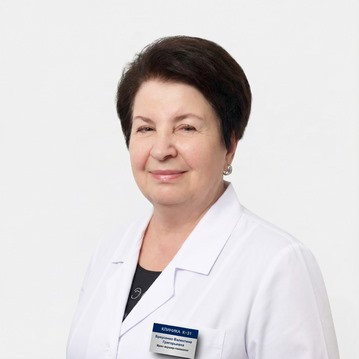
Breusenko Valentine Grigoryevna
Experience 63 years
Make an appointment
Breusenko
Valentine Grigoryevna
Gynecologist obstetrician
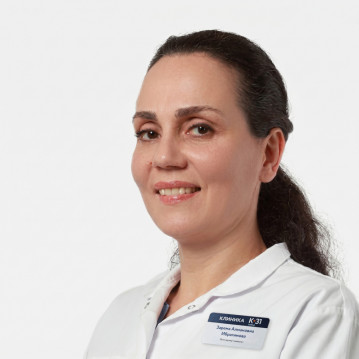
Ibragimova Zarema Almanovna
Experience 31 year
Make an appointment
Ibragimova
Zarema Almanovna
Obstetrician-gynecologist
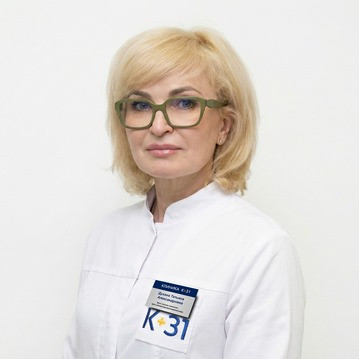
Dukhina Tatiana Alexandrovna
Experience 25 years
Make an appointment
Dukhina
Tatiana Alexandrovna
Obstetrician-gynecologist, ultrasound specialist
Gromova Maria Arturovna
Experience 24 years
Make an appointment
Gromova
Maria Arturovna
Obstetrician-gynecologist
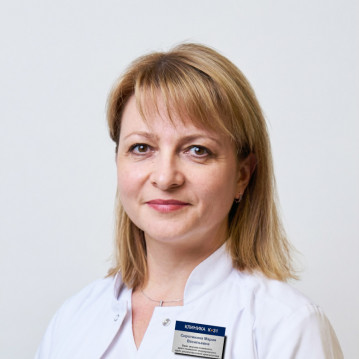
Sirotinina Maria Vasilievna
Experience 18 years
Make an appointment
Sirotinina
Maria Vasilievna
Leading obstetrician-gynecologist, gynecologist-endocrinologist, ultrasound diagnostician
Grishin Igor Igorevich
Experience 33 years
Make an appointment
Grishin
Igor Igorevich
Obstetrician-gynecologist
Fotina Evgeniya Viktorovna
Experience 24 years
Make an appointment
Fotina
Evgeniya Viktorovna
Leading obstetrician-gynecologist
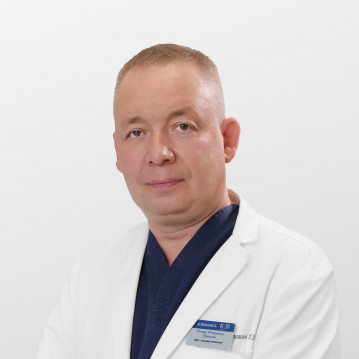
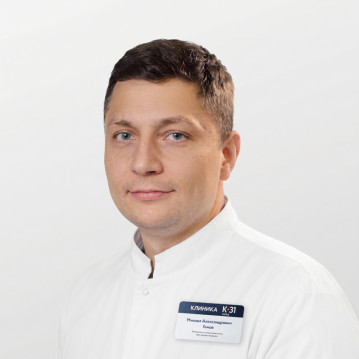
Gomov
Mikhail Alexandrovich
Consultant in oncogynecology, obstetrician-gynecologist
Glazunova
Angelina Vladislavovna
Obstetrician-gynecologist, ultrasound doctor
Ibragimova Jamilya Magomedovna
Experience 17 years
Make an appointment
Ibragimova
Jamilya Magomedovna
Obstetrician-gynecologist
Kashoyan Anna Robertovna
Experience 5 years
Make an appointment
Kashoyan
Anna Robertovna
Obstetrician-gynecologist, ultrasound diagnostics doctor
Ipatova Ekaterina Borisovna
Experience 26 years
Make an appointment
Ipatova
Ekaterina Borisovna
Obstetrician-gynecologist
Gumerova Dinara Radikovna
Experience 4 years
Make an appointment
Gumerova
Dinara Radikovna
Obstetrician-gynecologist, ultrasound doctor
Losikhina Galina Nikolaevna
Experience 22 years
Make an appointment
Losikhina
Galina Nikolaevna
Obstetrician-gynecologist
Ivanovskaya Tamara Nikolaevna
Experience 12 years
Make an appointment
Ivanovskaya
Tamara Nikolaevna
Pediatric gynecologist
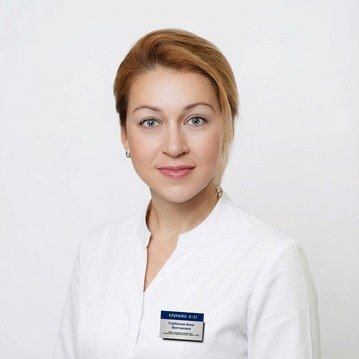
Gorbacheva Anna Viktorovna
Experience 24 years
Make an appointment
Gorbacheva
Anna Viktorovna
Obstetrician-gynecologist, gynecologist-endocrinologist, ultrasound doctor
Smirnova
Tatyana Nikolaevna
Obstetrician-gynecologist, gynecologist for children and adolescents
Gamidova Amalia Gamidovna
Experience 18 years
Make an appointment
Gamidova
Amalia Gamidovna
Obstetrician-gynecologist, ultrasound doctor
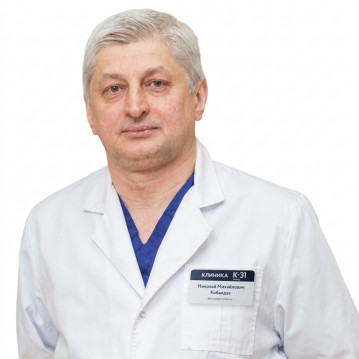
Kobaidze Nikolai Mikhailovich
Experience 33 years
Make an appointment
Kobaidze
Nikolai Mikhailovich
Obstetrician-gynecologist
All specialists
2GIS Award
2GIS Award

This award is given to clinics with the highest ratings according to user ratings, a large number of requests from this site, and in the absence of critical violations.

«Good place» according to Yandex

This award is given to clinics with the highest ratings according to user ratings. It means that the place is known, loved, and definitely worth visiting.

Our doctors are laureates of the ProDoctors Award

The ProDoctors portal collected 500 thousand reviews, compiled a rating of doctors based on them and awarded the best. We are proud that our doctors are among those awarded.
Make an appointment at a convenient time on the nearest date

Price

Reception
Price
Primary appointment with the leading obstetrician-gynecologist
from 8 950 ₽
Repeated appointment with the leading obstetrician-gynecologist
from 7 950 ₽
Fill out the form, our managers will contact you within 15 minutes

Reviews

The procedure went perfectly, carefully and accurately! Once again, many thanks to the doctor for the appointment and her attitude towards patients!
06.06.2026
Anna G.

About doctor:

Gromova Maria Arturovna

A very empathetic doctor who explained everything and made a diagnosis that is related to nerves. Treatment has been prescribed. Thanks a lot
03.06.2026
Anastasiya U.
Thank you for your sensitivity and professionalism!
03.06.2026
Inna M.
A very good doctor. I've only been going to her for about 5 years now.
03.06.2026
Nataliya D.
We had an appointment with Manukyan L.A., a very competent and polite doctor, who accepted us despite being very late. The manager also helped with the appointment for all the necessary studies and analyses.
31.05.2026
Vera O.
I thank my surgeon, Laura Magomedovna Kappusheva and her entire team. She guided me from our first contact to discharge, carefully, clearly. She saved my ovary, despite having a 10 cm cyst. My surgery went well. In another place, according to insurance, they planned to remove the cyst along with the testicle (teratoma, size and bicolored structure). I didn't agree with this approach. I recommend a second opinion to everyone! Many thanks to the staff at K +31, the managers, for their constant attention, for their support at check-out, and to the nurses and nurses for creating a sense of security and tranquility. The clinic is great!
30.05.2026
Irina A.
I am very pleased with the reception! We discussed everything in detail, and I got an answer to all my questions.
30.05.2026
Viktoriya N.
A very polite, considerate and accurate doctor! Thanks!
28.05.2026
Kristina S.

About doctor:

Sargsyan Anna Vartanovna

Laura Magomedovna is a real professional and a good person, thank you!
28.05.2026
Nina S.
The best doctor I've ever had. It's just the highest level of professionalism with empathy. I thought they were only in the movies.
28.05.2026
Natalya P.
Почему К+31?
К + 31 — full-cycle multidisciplinary medical centers, including the possibility of providing medical services of European quality level.
К + 31 — are leading doctors and diagnostics using high-tech equipment from world manufacturers (Karl Storz, Olympus, Siemens, Toshiba, Bausch&Lomb, Technolas, Zeiss, Topcon).

К + 31 — is ethical. The staff of K+31 clinics maintain open relationships with patients and partners. An individual approach to each patient is the basis of our service standards.
К + 31 — is modernity. On call 24/7: call center operators will answer your questions at any time and book you an appointment with doctors. Contact us by phone, through the feedback form on the website and Max.

Our clinics

Address K+31 Lobachevskogo 2

st. Lobachevskogo, 42/7

Contacts

+7 499 999-31-31

Opening hours
Mon-Fri: 08:00 – 21:00
Weekend: 09:00 – 19:00

Address K+31 on Lobachevskogo

st. Lobachevskogo, 42/4

Contacts

+7 499 999-31-31

Opening hours

Mon-Fri: 08:00 – 21:00
Weekend: 09:00 – 19:00

Address K+31 Petrovskie Vorota

1st Kolobovsky pereulok, 4

Contacts

+7 499 999-31-31

Opening hours

Mon-Fri: 08:00 – 21:00
Sat-Sun: 09:00 – 19:00

Address K+31 West

Orshanskaya, 16/2; Ak. Pavlova, 22

Contacts

+7 499 999-31-31

Opening hours

Mon-Fri: 08:00 – 21:00
Sat-Sun: 09:00 – 18:00
K+31 on Lobachevskogo
Didn't find the service you were looking for?

Экстренная помощь