Ovariectomy (oophorectomy)

Ovariectomy or oophorectomy is a type of surgical treatment for endometriosis and tumors. The procedure can be unilateral or bilateral. Ovariectomy eliminates the cause of pain, prevents complications, and improves quality of life. In this article, you will learn how the operation is performed, what results it gives, and how to properly prepare for it.

Best specialists
Best
specialists
Expert equipment
Expert
equipment
Advanced diagnostic treatment
Advanced diagnostic
treatment
Sign up
Fill out the entry form on the page and we will call you back
Sign up Позвонить
Download the application “Personal Account K+31”
Everything about your health in one click!
Subscribe to social networks K+31
To keep up to date with current offers and receive useful advice about your health.

What is oophorectomy?

Ovariectomy is an operation to remove one or both ovaries. It is performed according to strict indications when a woman's health is at risk.

The intervention is most often performed laparoscopically - through small punctures, which implies minimal invasiveness and a short recovery time. In complex cases, the doctor makes an abdominal incision.

What is oophorectomy?

Laparoscopic oophorectomy

Laparoscopic oophorectomy

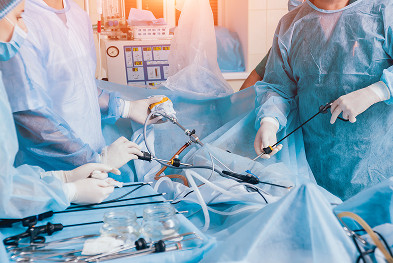
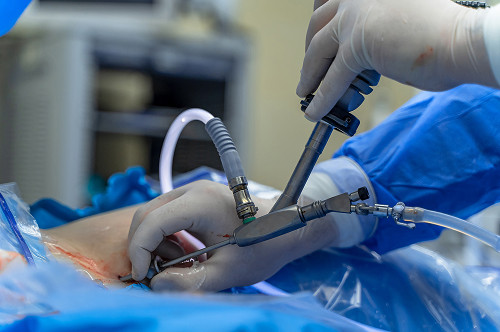
Laparoscopy is a modern surgical technique in which the ovary is removed through several small incisions, usually 3-4, in the anterior abdominal wall. A camera is inserted through one of the incisions, and microinstruments are inserted through the others, allowing the surgeon to precisely control the surgical process.

The advantages of laparoscopy are obvious: minimal tissue trauma, a shorter postoperative period, less pain, and virtually no large sutures. This method is especially preferred for unilateral ovary removal, when reproductive function is preserved, and in cases where accelerated recovery is required. Laparoscopy is often chosen precisely due to its safety and effectiveness, as well as the ability to reduce the woman's hospital stay.

Methods of performing ovariectomy surgery

Ovariectomy can be performed using several methods. Let's look at each of them in more detail.

Laparoscopic method

It is considered the least traumatic. The procedure is performed under general anesthesia through 3-4 small punctures in the abdominal wall. One puncture is used to insert a laparoscope with a camera that transmits an enlarged image to the screen, the others are for surgical instruments. The ovary is removed carefully so as not to damage adjacent tissues. The entire procedure lasts about 1-1.5 hours.

After laparoscopy, the patient remains in the hospital for 1-2 days. Light exercise can be started after 2 weeks. Full recovery takes a month.

Cavity method

It is chosen if a malignant tumor is suspected or if there are significant pathological changes in the tissues. The procedure is performed through an incision in the lower abdomen under general anesthesia. The doctor gets full access to the organs, removes the ovary and, if necessary, the affected tissues nearby. The procedure lasts from 1.5 to 2 hours.

Rehabilitation after abdominal surgery takes longer. The first 3-5 days the patient is under the supervision of doctors. The stitches are removed on the 7-10th day. Full recovery takes 6 weeks.

Robot-assisted surgery

A modern method that involves high precision and minimal invasiveness. Instruments and a camera are inserted through small punctures in the abdominal wall. The surgeon controls the process using a robotic system, which minimizes tissue damage.

After the robotic surgery, the patient is discharged after 1-2 days. You can return to your normal daily life after 2-3 weeks.

General information

Preparation for ovarian removal surgery

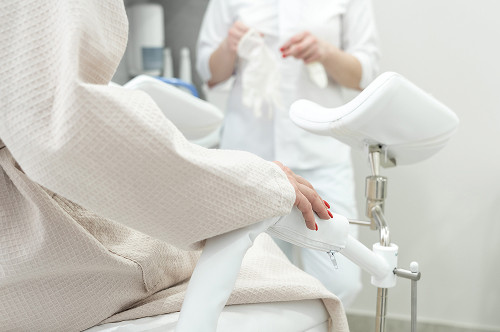
At the first stage, the patient is examined by a gynecologist. The doctor studies the complaints, medical history in detail and explains why surgical intervention is necessary. Possible consequences are discussed, including the impact on hormonal levels and reproductive health.

Before oophorectomy, the patient is prescribed:

  • General and biochemical blood tests to check the hemoglobin level, coagulation and liver function
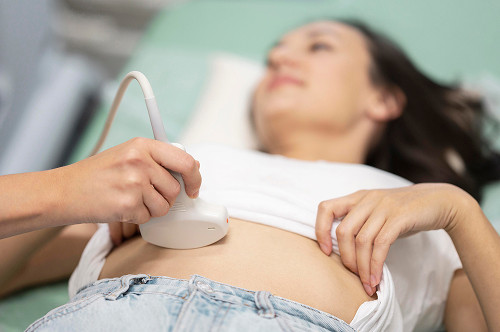
  • Ultrasound of the pelvic organs to clarify the condition of the ovaries and adjacent tissues
  • ECG to assess heart function in the presence of chronic diseases
  • Tests for hepatitis, HIV, syphilis

If there is a suspicion of oncology, a blood test for the CA–125 tumor marker is performed. It is important to treat chronic inflammation and other diseases before ovarian oophorectomy. In case of anemia, iron preparations are prescribed, and in case of high risk of infection, prophylactic antibacterial therapy is prescribed.

A woman is advised to avoid fatty and spicy foods the day before the procedure. The last meal should be 8-10 hours before the ovary removal. It is necessary to inform the doctor about all medications taken. Anticoagulants may be temporarily discontinued.

Preparation for ovarian removal surgery

How is an oophorectomy performed?

The procedure is performed under general anesthesia and consists of several stages:

  1. Preparation. The patient is given general anesthesia so that she does not feel pain or discomfort. The abdomen is treated with an antiseptic solution to eliminate the risk of infection.
  2. Access to the ovaries. Depending on the chosen method, the doctor makes small punctures during laparoscopy or an incision in the lower abdomen during the abdominal technique.
  3. Removal of the ovaries. The ovary or ovaries are separated from the ligaments and vessels. To avoid bleeding, the surgeon cauterizes the vessels. If the operation is performed due to a tumor, the removed organ is placed in a special container to prevent contact with surrounding tissues.
  4. Completion. After the oophorectomy of the ovaries, the doctor checks the area of the intervention for bleeding or damage to adjacent organs. During laparoscopy, the punctures are sutured with self-dissolving threads. With the cavity technique, the incision is sutured with subsequent application of sutures

Immediately after the operation, the patient is transferred to a ward, where her condition is monitored by doctors. Usually, after laparoscopy, discharge occurs in 1-2 days, after abdominal surgery - in 3-4 days.

How is an oophorectomy performed?

Consequences of ovarian removal

Ovariectomy affects the hormonal background and the functioning of the reproductive system. How serious the changes will be depends on whether one ovary or both were removed, as well as on the state of the woman's body.

If only one ovary is removed, the second ovary usually takes over the function of producing hormones, so significant changes may not be observed. The woman retains the ability to conceive, the menstrual cycle continues. Sometimes the body may not adapt immediately. Hormonal disruptions are possible, which are accompanied by irregular periods, irritability, headaches.

If both ovaries are removed, the body loses the main source of female hormones - estrogens and progesterone, which causes artificial menopause, regardless of age. Symptoms of menopause occur:

  • Hot flashes
  • Increased sweating
  • Mood swings
  • Dry mucous membranes

Long-term effects include increased risk of osteoporosis, cardiovascular disease, decreased bone density. Some women experience stress and anxiety due to hormonal changes or loss of fertility.

Consequences of ovarian removal

Rehabilitation after oophorectomy

In the first days after discharge, a gentle regime is recommended: rest more, avoid intense physical activity and lifting weights. To speed up the tissue healing process, it is recommended to follow a diet. The diet should predominantly include foods enriched with proteins and vitamins. The sutures after laparoscopy heal within 7-10 days, after which you can gradually return to your usual activity.

Full recovery after oophorectomy takes from 4 to 6 weeks. During this time, it is important to regularly visit a doctor to examine the sutures and assess the general condition. If both ovaries are removed, he prescribes hormone replacement therapy to prevent menopausal symptoms and maintain health.

After an oophorectomy, you should immediately seek medical help if you experience the following symptoms:

  • Severe pain that is not relieved by painkillers
  • Body temperature above 38°C
  • Redness or purulent discharge from the stitches
  • Severe weakness, dizziness

Hormonal changes after an oophorectomy can affect your mood. It is important to share your experiences with your doctor or loved ones.

Rehabilitation after oophorectomy

Possible Complications after Ovariectomy

Like any surgical procedure, ovarian removal can be associated with a number of complications. The most common of these include bleeding during or after surgery, inflammation and infection in the pelvic tissues, and the formation of adhesions that can limit organ mobility. Hormonal changes are observed after the procedure, especially with bilateral oophorectomy, requiring endocrinologist monitoring.

With laparoscopic surgery, which is performed through several small incisions, the risk of complications is significantly lower compared to the open technique. Monitoring the woman's condition during the postoperative period, following the doctor's recommendations, and promptly seeking medical attention for any alarming symptoms can minimize negative consequences and speed up recovery.

Possible Complications after Ovariectomy

Indications for Ovarian Removal

Indications for oophorectomy of the ovaries include:

  • Ovarian tumors. If ovarian cancer is detected, removal is necessary to prevent the tumor from spreading. Large cysts are removed if they cause pain, compress adjacent organs, or impair ovarian function.
  • Severe endometriosis. Endometrial tissue grows on the ovaries, causing chronic pain and dysfunction. Resection is performed if the affected ovaries become a source of persistent inflammation or cysts.
  • Genetic risk of cancer. Prophylactic removal is prescribed for women with BRCA1 and BRCA2 gene mutations, which increase the risk of ovarian and breast cancer and are life-threatening.
  • Emergencies. Ovarian torsion and cyst rupture are accompanied by severe pain and pose a risk of adhesion formation, abscess development, and sepsis. If the organ tissue is damaged beyond repair, the ovary is removed.
  • Inflammatory diseases of the ovary. If the damage becomes irreversible, the organ is removed to prevent the spread of infection to adjacent tissues.

Furthermore, in cases of breast or endometrial cancer, oophorectomy helps reduce estrogen levels and slow tumor growth.

Indications for removal of one or both ovaries

The decision to remove an ovary may be unilateral or involve both organs, depending on the location and nature of the pathological lesion. Unilateral oophorectomy is usually performed for cysts localized to one ovary, limited endometriosis, or damage to one organ due to torsion or rupture of a cyst. This approach preserves the function of the other ovary and minimizes hormonal changes.

Bilateral removal is indicated in cases where the pathological process affects both ovaries, such as in cases of bilateral cancer, large endometriosis, multiple cysts, or prophylactic resection in women with a high genetic predisposition to cancer (BRCA1/BRCA2 mutations). In these situations, removal of both ovaries ensures maximum safety and prevents further spread of the tumors.

Indications for ovarian removal

Contraindications to ovarian removal

There are a number of situations in which ovarian removal surgery cannot be performed safely or requires special preparation. The main contraindications are divided into absolute and relative:

Absolute contraindications:

  • Acute infectious diseases
  • Severe somatic conditions (e.g., decompensated diabetes mellitus, cardiovascular failure)
  • Severe bleeding disorders.

Relative contraindications:

  • Decompensated chronic pathologies
  • Acute inflammatory processes of the pelvic organs
  • An unstable condition of the woman, in which case the surgery requires additional preparation.

The final decision on the possibility of surgical intervention is made by the doctor after a complete examination, risk assessment, and the necessary tests. This approach allows us to choose the optimal treatment method, reduce the risk of complications, and ensure the safety of the operation.

Contraindications to ovarian removal

Advantages of performing oophorectomy at the K+31 clinic

At the K+31 clinic in Moscow, all stages of treatment are carried out in accordance with modern standards:

  • Innovative technologies. The operation is performed using laparoscopic equipment
  • Individual approach. Before the intervention, the patient undergoes a full examination. Doctors select a treatment method taking into account the state of health
  • Qualifications of doctors. The procedures are performed by experienced gynecological surgeons
  • Rehabilitation. Each patient is given a recovery plan after oophorectomy
  • Comprehensive support. The patient receives support at all stages: from diagnosis to rehabilitation

Sign up for a consultation at the K+31 clinic to get professional help! Prices for oophorectomy and other services can be found in the price list on our website.

Advantages of performing oophorectomy at the K+31 clinic

Answers to popular questions

Doctors of "K+31" answer the most popular questions about ovarian removal (oophorectomy):

How do I know if I need to remove my ovaries?

Removal is prescribed for tumors, cysts with complications, chronic pain or a threat to life. The diagnosis is confirmed by ultrasound, tests and a doctor's consultation.

What happens to hormones after an oophorectomy?

If both ovaries are removed, artificial menopause sets in. Hormone replacement therapy is prescribed to compensate for the lack of hormones, and is selected individually.

Is it still possible to get pregnant after an oophorectomy?

After removing one ovary, fertility can be preserved. After removing both, pregnancy is possible only with a donor egg and IVF.

When can I return to normal life after an oophorectomy?

After laparoscopic surgery — in about 2 weeks, and after an open oophorectomy — in 4–6 weeks. It depends on the surgical method and the patient's condition.

Can an oophorectomy be performed if there are inflammatory processes?

No, it cannot. Active infections increase the risk of complications. Anti-inflammatory therapy is performed before the operation.

What tests are required before an oophorectomy?

A complete blood count, biochemical blood test, coagulation profile, infection swab, and ultrasound are mandatory. If necessary, a CT or MRI scan may be performed for clarification.

Are there any age restrictions for an oophorectomy?

Age is not an absolute contraindication. Surgery can be performed in both young and older patients, if there are medical indications and no other restrictions.

How does an oophorectomy affect sexual life?

After removing one ovary, sexual activity is usually preserved. After removing both, libido tends to decrease due to a lack of hormones.

Our doctors

Kappusheva Laura Magomedovna
Experience 43 years
Make an appointment
Kappusheva
Laura Magomedovna
Deputy chief physician for gynecology, chief gynecologist K+31, honored doctor of the Russian Federation, doctor of medical sciences, professor
Kamoeva Svetlana Viktorovna
Experience 31 year
Make an appointment
Kamoeva
Svetlana Viktorovna
Deputy Chief Physician for Obstetrics and Gynecology, obstetrician-gynecologist
Pivovarova Svetlana Victorovna
Experience 32 years
Make an appointment
Pivovarova
Svetlana Victorovna
Head of the endocrinology department, gynecologist, endocrinologist
Makarischev Alexei Yakovlevich
Experience 28 years
Make an appointment
Makarischev
Alexei Yakovlevich
Obstetrician-gynecologist
Shevchuk Alexei Sergeyevich
Experience 26 years
Make an appointment
Shevchuk
Alexei Sergeyevich
Oncogynecology consultant, obstetrician-gynecologist
Chernaya Oksana Yuryevna
Experience 15 years
Make an appointment
Chernaya
Oksana Yuryevna
Obstetrician-gynecologist
Mukhina Elena Valeryevna
Experience 33 years
Make an appointment
Mukhina
Elena Valeryevna
Obstetrician-gynecologist
Manukyan Lusine Andranikovna
Experience 28 years
Make an appointment
Manukyan
Lusine Andranikovna
Obstetrician-gynecologist
Pegova Maria Romanovna
Experience 14 years
Make an appointment
Pegova
Maria Romanovna
Obstetrician-gynecologist
Kalmykova Natalya Vladimirovna
Experience 26 years
Make an appointment
Kalmykova
Natalya Vladimirovna
Obstetrician-gynecologist
Zarubenko Natalya Borisovna
Experience 24 years
Make an appointment
Zarubenko
Natalya Borisovna
Obstetrician-gynecologist
Shilina Elena Alexandrovna
Experience 27 years
Make an appointment
Shilina
Elena Alexandrovna
Obstetrician-gynecologist
Selyutina Nataliya Alexandrovna
Experience 28 years
Make an appointment
Selyutina
Nataliya Alexandrovna
Obstetrician-gynecologist
Smirnova Angelica Yuryevna
Experience 27 years
Make an appointment
Smirnova
Angelica Yuryevna
Obstetrician-gynecologist, endocrinologist
Sargsyan Anna Vartanovna
Experience 17 years
Make an appointment
Sargsyan
Anna Vartanovna
Obstetrician-gynecologist
Breusenko Valentine Grigoryevna
Experience 63 years
Make an appointment
Breusenko
Valentine Grigoryevna
Gynecologist obstetrician
Ibragimova Zarema Almanovna
Experience 31 year
Make an appointment
Ibragimova
Zarema Almanovna
Obstetrician-gynecologist
Dukhina Tatiana Alexandrovna
Experience 25 years
Make an appointment
Dukhina
Tatiana Alexandrovna
Obstetrician-gynecologist, ultrasound specialist
Gromova Maria Arturovna
Experience 24 years
Make an appointment
Gromova
Maria Arturovna
Obstetrician-gynecologist
Sirotinina Maria Vasilievna
Experience 18 years
Make an appointment
Sirotinina
Maria Vasilievna
Leading obstetrician-gynecologist, gynecologist-endocrinologist, ultrasound diagnostician
Grishin Igor Igorevich
Experience 33 years
Make an appointment
Grishin
Igor Igorevich
Obstetrician-gynecologist
Fotina Evgeniya Viktorovna
Experience 24 years
Make an appointment
Fotina
Evgeniya Viktorovna
Leading obstetrician-gynecologist
Gomov
Mikhail Alexandrovich
Consultant in oncogynecology, obstetrician-gynecologist
Ibragimova Jamilya Magomedovna
Experience 17 years
Make an appointment
Ibragimova
Jamilya Magomedovna
Obstetrician-gynecologist
Kashoyan Anna Robertovna
Experience 5 years
Make an appointment
Kashoyan
Anna Robertovna
Obstetrician-gynecologist, ultrasound diagnostics doctor
Ipatova Ekaterina Borisovna
Experience 26 years
Make an appointment
Ipatova
Ekaterina Borisovna
Obstetrician-gynecologist
Gumerova Dinara Radikovna
Experience 4 years
Make an appointment
Gumerova
Dinara Radikovna
Obstetrician-gynecologist, ultrasound doctor
Losikhina Galina Nikolaevna
Experience 22 years
Make an appointment
Losikhina
Galina Nikolaevna
Obstetrician-gynecologist
Ivanovskaya Tamara Nikolaevna
Experience 12 years
Make an appointment
Ivanovskaya
Tamara Nikolaevna
Pediatric gynecologist
Gorbacheva Anna Viktorovna
Experience 24 years
Make an appointment
Gorbacheva
Anna Viktorovna
Obstetrician-gynecologist, gynecologist-endocrinologist, ultrasound doctor
Lemesheva Tatyana Alekseevna
Experience 40 years
Make an appointment
Lemesheva
Tatyana Alekseevna
Obstetrician-gynecologist, ultrasound diagnostician
Budaeva Victoria Aleksandrovna
Experience 25 years
Make an appointment
Budaeva
Victoria Aleksandrovna
Obstetrician-gynecologist
Gamidova Amalia Gamidovna
Experience 18 years
Make an appointment
Gamidova
Amalia Gamidovna
Obstetrician-gynecologist, ultrasound doctor
All specialists
2GIS Award
2GIS Award

This award is given to clinics with the highest ratings according to user ratings, a large number of requests from this site, and in the absence of critical violations.

«Good place» according to Yandex

This award is given to clinics with the highest ratings according to user ratings. It means that the place is known, loved, and definitely worth visiting.

Our doctors are laureates of the ProDoctors Award

The ProDoctors portal collected 500 thousand reviews, compiled a rating of doctors based on them and awarded the best. We are proud that our doctors are among those awarded.

Make an appointment at a convenient time on the nearest date

Price

Reception
Price
Primary appointment with the leading obstetrician-gynecologist
from 6 450 ₽
Repeated appointment with the leading obstetrician-gynecologist
from 5 700 ₽

Other services

Menstrual irregularities Colposcopy Ultrasound gynecological Cytological examination Cervical biopsy Intimate plastic surgery for women Laser gynecology Inflammatory diseases of small pelvis (SLT) Endometriosis Diseases of the vulva and vagina Cervical pathology Ovarian disease Uterine Fibroid Treatment and Removal Women ' s urination Infertility treatment Anomalous bleeding Female genital prolapse and prolapse Hysteroresectoscopy Hysteroscopy of the uterus Laparoscopy in gynecology Clinic of gynecology Anti-inflammatory therapy in gynecology Radio wave gynecology with the Surgitron device Sling operations Ectopic pregnancy Delayed menstruation Removal (extirpation) of the uterus - hysterectomy Thrush (vaginal candidiasis) Uterine polyp (endometrial polyp) Cervical dysplasia Adenomyosis Treatment of sexual infections Vaginitis (Colpitis) Erythroplakia of the cervix Endometritis Bacterial vaginosis Symphysitis (symphysiopathy) Erosion and ectopia of the cervix Vulvovaginitis Premenopause Uterine artery embolization for uterine fibroids Cervicitis Book an Appointment with a Gynecologist Dysmenorrhea (painful periods) Amenorrhea Postmenopausal Sphinctermetry Treatment and intimate rejuvenation with the Fotona laser Adenomyosis (Endometriosis of the uterus) Vulvitis Vaginal surgeries Inflammation of the appendages (adnexitis, salpingo-oophoritis) Labiaplasty (labiaplasty) Bartholinitis Surgery to remove an ovarian cyst Hormone replacement therapy (HRT) First menstruation 7 days after embryo transfer Biochemical pregnancy IVF protein diet Day 5 after embryo transfer Follicles Bicornuate uterus and pregnancy Day 9 after embryo transfer 1 day after embryo transfer Age and Fertility 10 days after embryo transfer TORCH infections – chickenpox, rubella, herpes, cytomegalovirus MRI during pregnancy
Make an appointment

Appointment to the doctor

Fill out the form, our managers will contact you within 15 minutes

Reviews

Good doctor! I'll only go to her!
17.03.2026
Oh. Victoria Anatolyevna

About doctor:

Chernaya Oksana Yuryevna

Maria Romanova Pegova, a very kind and sensitive doctor! Professional on his case! Always explains everything in detail, simple, accessible language! How glad I met her!
17.03.2026
Oh. Nune Sergeyevna

About doctor:

Pegova Maria Romanovna

Oxan Yurievna, thank you very much for your care and attention, and I recommend this wonderful doctor!
14.03.2026
Ah. Tatiana Vladimir

About doctor:

Chernaya Oksana Yuryevna

Beautiful doctor, careful and kind.
14.03.2026
Ah. Tatiana Vladimir
Doctor's professional, sensitive, above all praises.
14.03.2026
Ch. Irina Victorovna
Best obstetrician-gynaecologist in my life!
13.03.2026
G. Anna Sergeyevna

About doctor:

Kashoyan Anna Robertovna

The beautiful Dr. Helena Alexandrovna gathered a detailed anamnes, a servitude, commented on all his actions, told and explained all his observations. She made recommendations to support women ' s health. All I recommend are Elena Aleksandrovne.
12.03.2026
Alena A.
I would like to point out the skilled work and client orientation of the doctor Zarubenko Natalia Borisovna. Natalia Borisovna has a focus on clients and has advanced treatment and diagnostic techniques. Thank you! Also, thank Gynecology managers for monitoring all client issues.
12.03.2026
Svetlana N.
I did surgery in gynaecology. Not for the first time, I trust myself as great doctors from K+31, in particular Laura Magomedovna Cappuševa, Zarem Almatynovna Ibrahimova. They're the highest-level professionals.
12.03.2026
Julia V.
Почему К+31?
К + 31 — full-cycle multidisciplinary medical centers, including the possibility of providing medical services of European quality level.
К + 31 — are leading doctors and diagnostics using high-tech equipment from world manufacturers (Karl Storz, Olympus, Siemens, Toshiba, Bausch&Lomb, Technolas, Zeiss, Topcon).
К + 31 — is ethical. The staff of K+31 clinics maintain open relationships with patients and partners. An individual approach to each patient is the basis of our service standards.
К + 31 — is modernity. On call 24/7: call center operators will answer your questions at any time and book you an appointment with doctors. Contact us by phone, through the feedback form on the website and Max.

Our clinics

K+31 on Lobachevskogo

st. Lobachevskogo, 42/4

+7 499 999-31-31

Subway
1
11
Prospect Vernadsky Station
By a car
Lobachevsky, we pass the first barrier (security post of the City Clinical Hospital No. 31), turn right at the second barrier (security post K+31)
Parking pass
Opening hours
Mon-Fri: 08:00 – 21:00
Weekend: 09:00 – 19:00
K+31 Petrovskie Vorota

1st Kolobovsky pereulok, 4

74999993131

Subway
9
Tsvetnoy Bulvar
10
Trubnaya
By a car
Moving along Petrovsky Boulevard, turn onto st. Petrovka, right after - on the 1st Kolobovsky per. Municipal parking
Opening hours
Mon-Fri: 08:00 – 21:00
Sat-Sun: 09:00 – 19:00
K+31 West

Orshanskaya, 16/2; Ak. Pavlova, 22

74999993131

Subway
3
Molodezhnaya
By a car
Moving along Orshanskaya street, we turn to the barrier with the guard post K+31. You do not need to order a pass, they will open it for you
Opening hours
Mon-Fri: 08:00 – 21:00
Sat-Sun: 09:00 – 18:00
Didn't find the service you were looking for?

Экстренная помощь