
Операция по удалению кисты яичника
Многие женщины ошибочно считают, что киста яичника — это незначительная проблема, которая может пройти сама собой. Однако некоторые виды кист могут вызывать серьезные осложнения, такие как разрыв, перекрут или бесплодие. Игнорирование этого диагноза может стоить дорого, в то время как своевременное обращение к врачу решает проблему эффективно и безопасно. Операция по удалению новообразования на яичнике — это не повод для страха, а реальный шанс сохранить здоровье и предотвратить тяжелые последствия.

специалисты

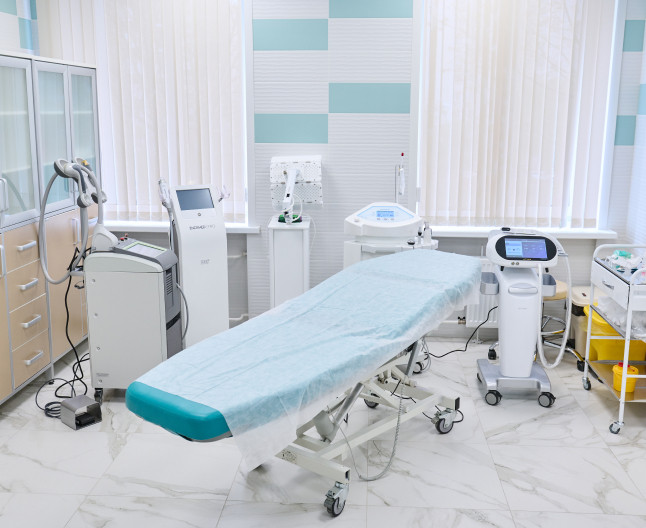
оборудование

лечения






Общие сведения о кистах яичника
Киста – это полостное образование на яичнике, заполненное жидкостью или полужидким содержимым. Она может возникать у женщин любого возраста и чаще всего связана с гормональными изменениями, нарушением менструального цикла или особенностями овариальной функции. Функциональные кисты формируются в рамках обычного менструального цикла и часто рассасываются самостоятельно, не вызывая осложнений. К ним относятся фолликулярные кисты и кисты желтого тела. Нефункциональные (патологические) кисты возникают вне зависимости от цикла и могут включать эндометриоидные кисты, дермоидные кисты или параовариальные образования.
Важно регулярно контролировать кисты с помощью ультразвукового исследования, поскольку их размер, расположение и структура влияют на тактику лечения. Небольшие функциональные образования часто наблюдаются, а крупные, растущие или вызывающие боли и дискомфорт могут потребовать хирургического метода удаления. Решение о стратегии всегда принимает врач, учитывая возраст пациентки, репродуктивные планы и клинические признаки. Контроль и своевременная диагностика позволяют предотвратить осложнения, сохранить здоровую ткань яичника и поддержать репродуктивное здоровье.
Виды кист яичника
Существует несколько основных типов кист яичника, которые отличаются происхождением, поведением и риском осложнений:
- Фолликулярные кисты – формируются из созревающего фолликула, чаще всего рассасываются самостоятельно и редко вызывают осложнения
- Кисты желтого тела – появляются после овуляции; обычно исчезают через несколько недель, но могут вызывать боль при кровоизлиянии
- Эндометриоидные кисты – связаны с эндометриозом, содержат темную жидкость («шоколадная киста»), склонны к росту и иногда требуют хирургического лечения
- Дермоидные кисты – врожденные образования с различными тканями (кожа, волосы, кости); растут медленно, но не рассасываются сами
- Параовариальные кисты – формируются вне яичника, обычно на его связках, редко воспаляются, но могут достигать больших размеров
- Серозные и муцинозные кисты – эпителиальные образования с тонкой или слизистой стенкой; при больших размерах повышают риск перекрута или разрыва
Каждый вид кисты имеет свои особенности по наблюдению и необходимости лечения. Функциональные кисты чаще всего контролируются с помощью УЗИ, а патологические образования нередко требуют хирургического метода удаления для сохранения здоровья яичника и предотвращения осложнений.
Факторы риска и причины возникновения
Причины формирования кисты на яичнике могут быть различными, и их понимание помогает врачу выбрать правильную тактику лечения. Основные факторы включают:
- Гормональные колебания – нарушения цикла, повышенный уровень эстрогенов или прогестерона могут провоцировать образование функциональных кист
- Воспалительные процессы органов малого таза – хронические или острые воспаления яичников и труб повышают риск формирования кист
- Эндометриоз – разрастание эндометриальной ткани на яичнике часто сопровождается эндометриоидными кистами
- Нарушение овуляции – ановуляторные циклы способствуют накоплению жидкости в фолликулах
- Врожденные особенности или гормональные дисбалансы – некоторые женщины генетически предрасположены к кистозным образованиям
Врач всегда уточняет анамнез пациентки: наличие хронических заболеваний, перенесенных воспалений, гормональных нарушений и репродуктивных планов. Это важно, чтобы дифференцировать функциональные и патологические кисты, исключить опасные состояния и определить необходимость наблюдения или хирургического вмешательства. Самостоятельное лечение без обследования может быть опасным, поэтому только квалифицированный специалист может оценить риски и назначить корректную тактику.
Симптомы кисты яичника
Симптомы кисты яичника могут быть разнообразными, а иногда вовсе отсутствовать. Наиболее типичные проявления включают:
- Тянущие или ноющие боли внизу живота, которые усиливаются при физической нагрузке или перед менструацией
- Нарушение менструального цикла: задержки, обильные или нерегулярные выделения
- Чувство давления или тяжести в области таза, дискомфорт при мочеиспускании или дефекации
- В редких случаях – боли в пояснице, тошнота, чувство распирания
Тревожные симптомы, требующие немедленного обращения к врачу: резкая острая боль, возникающая при разрыве или перекруте кисты, внезапное кровотечение, повышение температуры.
Иногда киста никак себя не проявляет – именно поэтому регулярное наблюдение и УЗИ у специалиста необходимы. Даже при отсутствии симптомов врач определяет динамику образования и при необходимости выбирает подходящий метод лечения или вмешательства, чтобы избежать осложнений и сохранить здоровую ткань яичника.
Диагностика кисты яичника

Диагностика кисты яичника необходима для точного определения типа образования, его размеров, расположения и потенциальных рисков. Только после комплексного обследования врач может выбрать оптимальную тактику лечения – наблюдение, медикаментозную терапию или хирургическое вмешательство.
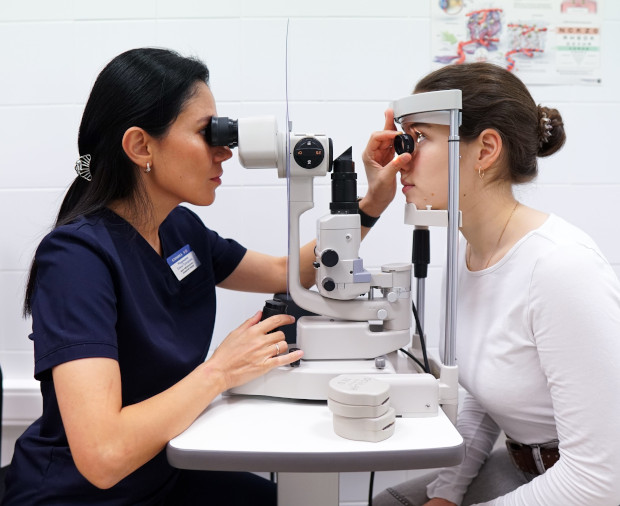
В клинике для этого используют современные методы диагностики, которые позволяют оценить состояние яичника, уточнить структуру стенки кисты и выявить возможные осложнения. Кроме инструментальных обследований, важно сдать лабораторные анализы, включая кровь на гормоны, общий анализ крови и биохимию, а также оценку свертываемости.
При планировании операции обязательно проводится консультация анестезиолога. Это помогает подобрать безопасный способ обезболивания и снизить риски операции. Также врач оценивает сопутствующие заболевания, чтобы обеспечить максимально безопасное хирургическое вмешательство.
Комплексная диагностика обеспечивает точное определение показаний к операции, минимизирует риски и позволяет выбрать щадящий, эффективный метод лечения кисты с сохранением здоровья женщины.
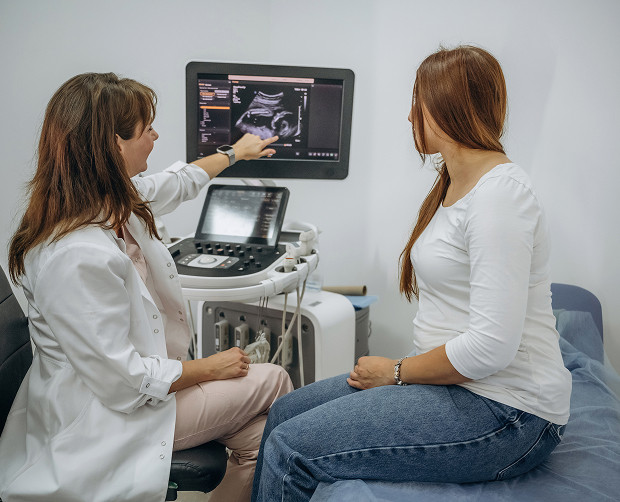
Методы диагностики
Для подтверждения наличия и характеристик кисты яичника применяются следующие методы:
- УЗИ органов малого таза – базовый и наиболее информативный метод; позволяет определить размеры, локализацию и структуру образования
- МРТ или КТ – при сомнительных данных УЗИ; уточняет строение кисты, наличие осложнений и взаимосвязь с соседними органами
- Лабораторные анализы – гормональные тесты, общий анализ крови, биохимия, оценка свертываемости; помогают выявить сопутствующие нарушения и подготовиться к операции
- Консультации специалистов – гинеколог, анестезиолог, при необходимости эндокринолог; уточняют показания, риски и тактику лечения
Каждый метод обеспечивает врачу полное представление о состоянии яичника, помогает выбрать оптимальный хирургический метод или консервативное наблюдение, а также снижает вероятность осложнений во время операции.
Показания и противопоказания к операции

Оперативное вмешательство может понадобиться, если:
- Образование вызывает сильные боли или дискомфорт. Например, если она давит на соседние органы или нарушает кровообращение
- Киста крупного размера. Образования больше 5-7 см могут не рассасываться самостоятельно и представлять риск осложнений
- Есть признаки разрыва или перекрута кисты. Это экстренные состояния, требующие немедленного хирургического вмешательства. Симптомы включают резкую боль, тошноту, повышение температуры
- Киста не функциональная. Эндометриоидные кисты («шоколадные»), дермоидные образования или другие патологические образования не исчезают сами и требуют резекции
- Подозрение на онкологию. Если на УЗИ или других исследованиях есть признаки злокачественного процесса, хирургическое удаление кисты проводится для уточнения диагноза и предотвращения распространения
Некоторые новообразования, например, фолликулярные или кисты желтого тела, возникают из-за нормальных процессов в менструальном цикле и часто проходят сами за несколько месяцев. Если размер кисты не превышает 5 см, она не вызывает боли и не мешает работе других органов, врач может порекомендовать просто наблюдать ее с помощью регулярных УЗИ.
Если причина в гормональном сбое, могут назначить гормональные препараты. В таких случаях оперативное вмешательство не нужно, но важно находиться под наблюдением врача.

Противопоказания к операции
Несмотря на необходимость удаления кисты яичника в ряде случаев, существуют ситуации, когда операция откладывается или временно противопоказана. К типовым противопоказаниям относятся:
- Острые инфекционные заболевания – любая вирусная или бактериальная инфекция повышает риск осложнений после операции и влияет на заживление тканей
- Декомпенсация хронических патологий – сахарный диабет, сердечно-сосудистые и почечные заболевания, если они находятся в тяжелой стадии, увеличивают нагрузку на организм во время наркоза и хирургического вмешательства
- Нарушения свертываемости крови – повышенный риск кровотечений делает проведение операции опасным без предварительной коррекции
- Противопоказания к наркозу – тяжелые аллергические реакции, патологии дыхательной системы или прошлые осложнения при анестезии могут потребовать выбора альтернативного способа обезболивания или отсрочки операции
- Общее тяжелое состояние организма – истощение или острые обострения хронических заболеваний снижают безопасность хирургического вмешательства
Важно понимать, что окончательное решение о возможности проведения операции принимает врач после полного обследования, оценки анализов и состояния пациентки. В некоторых случаях временная подготовка организма позволяет безопасно провести хирургическое вмешательство в более поздние сроки.

Методы удаления кисты яичника
Существует несколько хирургических методов для удаления кисты яичника. Выбор операции зависит от размера и типа образования, состояния пациентки и наличия сопутствующих патологий.
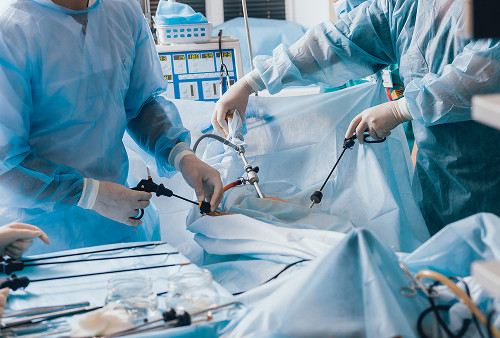
Основным и щадящим методом сегодня считается лапароскопия – минимально инвазивное вмешательство, при котором киста удаляется через небольшие проколы. Этот метод позволяет максимально сохранить здоровую ткань яичника, снижает риск осложнений и сокращает период восстановления.
В некоторых случаях может потребоваться открытая операция – традиционное хирургическое вмешательство, при котором доступ к органу осуществляется через разрез. Она назначается при крупных кистах, подозрении на злокачественные образования или при сложных анатомических особенностях.
Кроме того, существуют и другие методы хирургического вмешательства, такие как цистэктомия, резекция яичника или даже частичное удаление органа. Врач подбирает тактику индивидуально, исходя из типа кисты, ее расположения и репродуктивных планов пациентки.
Открытая операция
Открытая операция – это классический хирургический метод удаления кисты яичника, при котором выполняется разрез передней брюшной стенки для доступа к органу. Такой подход позволяет безопасно удалить крупное образование, оценить состояние окружающих тканей и при необходимости провести дополнительные манипуляции.
Главное отличие от лапароскопии – более длительный восстановительный период: после вмешательства обычно требуется несколько дней в стационаре и постепенное возвращение к привычной активности. Несмотря на это, операция остается важным инструментом, когда лапароскопия невозможна или неэффективна, например при больших или сложных кистах, подозрении на злокачественный процесс, спайках или осложнениях.
Другие методы хирургического вмешательства
В отдельных случаях врач может выбрать другие методы вмешательства для удаления кисты яичника. Например, цистэктомия позволяет сохранить максимальное количество здоровой ткани яичника, удаляя только кисту. Резекция применяется при частичном повреждении органа, а оофорэктомия — частичное или полное удаление яичника при необходимости.
Выбор метода всегда индивидуален и обсуждается с пациенткой, учитывая размер кисты, её тип, сопутствующие заболевания и планы на будущую репродукцию. Основная цель всех хирургических вмешательств — эффективное лечение с минимальными последствиями для здоровья женщины.
Общая информация
Преимущества лапароскопической операции
Преимущества этого медицинского метода:
- Минимальное повреждение тканей. Вместо разрезов длиной 10–15 см хирург делает всего 3–4 прокола диаметром 5–10 мм. Это снижает риск повреждения мышц, сосудов и нервов. Для женщины, особенно если речь идет о репродуктивных органах, такой подход важен, так как меньшее повреждение тканей снижает риск осложнений
- Быстрое восстановление. После лапароскопии пациентки быстрее возвращаются к нормальной жизни. Уже через 6–8 часов можно вставать и двигаться, а к работе и привычной активности — через 7–14 дней. Для сравнения, после традиционной операции реабилитация может длиться до 6–8 недель
- Низкий риск осложнений. Маленькие проколы значительно снижают вероятность инфицирования операционной раны. Кроме того, лапароскопия меньше провоцирует образование спаек, что особенно важно для женщин, планирующих беременность. Спайки в малом тазу могут препятствовать зачатию, и их формирование напрямую зависит от объема травмирования тканей
- Эстетика. После лапароскопического вмешательства остаются лишь маленькие рубцы, которые через несколько месяцев становятся практически незаметными. В отличие от разрезов после традиционных операций, такие следы не вызывают эстетического дискомфорта
- Высокая точность. Камера, используемая во время лапароскопии, увеличивает изображение в 10 раз, позволяя хирургу видеть мельчайшие детали. Например, при резекции кисты яичника важно сохранить здоровую ткань, чтобы не повлиять на овуляцию. Лапароскопия позволяет работать максимально аккуратно, что особенно важно в гинекологии
- Меньше боли. Из-за небольших разрезов и минимального вмешательства в ткани боль после лапароскопического вмешательства значительно слабее. Обычно для снятия болевых ощущений достаточно обычных обезболивающих, и сильные препараты практически не используются
- Универсальность метода. Лапароскопическая техника применяется для лечения большинства гинекологических заболеваний: кист яичников, эндометриоза, миомы матки, внематочной беременности, проблем с маточными трубами и других патологий
Лапароскопия помогает избежать серьезных повреждений тканей и уменьшает риск спаек, что особенно важно для женщин, планирующих беременность. Этот метод, например, при удалении кист яичников или лечении эндометриоза, дает больше шансов на успешное зачатие в будущем.



Ответы на популярные вопросы
Вопросы о здоровье всегда важны, особенно если речь идет об операциях. Мы собрали ответы на самые популярные вопросы пациентов.
Можно ли забеременеть после удаления кисты яичника?
Да, в большинстве случаев беременность после удаления новообразования возможна. Лапароскопическая техника считается щадящим методом, который минимально травмирует яичники. Уже через 1–3 месяца после процедуры, в зависимости от рекомендаций врача, можно начинать планировать зачатие. Однако важно проконсультироваться с врачом и пройти контрольное обследование, чтобы убедиться, что организм полностью восстановился.
Как долго нельзя заниматься спортом после операции?
После лапароскопии легкие нагрузки, такие как прогулки, разрешаются уже на следующий день. Однако интенсивные тренировки, бег или упражнения с поднятием тяжестей лучше отложить на 4–6 недель. Это время необходимо для заживления тканей и полного восстановления организма. Возвращение к активным нагрузкам должно быть постепенным и только с разрешения врача.
Цены на удаление кисты яичников в Москве
Стоимость операции по удалению кисты яичника в Москве зависит от нескольких факторов. На цену влияет объем вмешательства – это может быть щадящая цистэктомия с сохранением ткани, более обширная резекция или оофорэктомия с удалением всего яичника. Также учитываются сложность операции, вид анестезии и необходимость пребывания в стационаре.
Дополнительно на стоимость влияют предварительные обследования: УЗИ, лабораторные анализы, консультации специалистов и планирование операции. Каждая пациентка получает индивидуальный план, поэтому окончательная цена формируется после полной диагностики и обсуждения тактики лечения с врачом.
Мы рекомендуем уточнять стоимость конкретной процедуры непосредственно в клинике, чтобы учесть все нюансы, а также подобрать оптимальный метод и формат госпитализации. Такой подход позволяет сочетать безопасность, эффективность и прозрачность финансовых условий для пациентки.

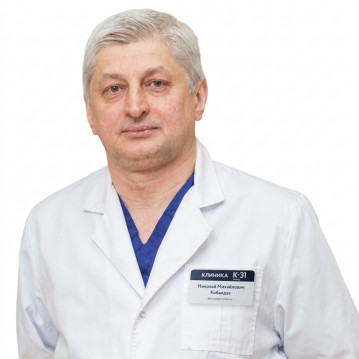
Наши врачи





































Такая награда выдаётся клиникам с самым высоким рейтингом по оценкам пользователей, большим количеством обращений с данной площадки, при отсутствии критичных нарушений.

Такая награда выдается клиникам с самым высоким рейтингом по оценкам пользователей. Она означает, что место знают, любят и сюда точно нужно зайти.

Портал ПроДокторов собрал 500 тысяч отзывов, составил по ним рейтинг врачей и наградил лучших. Гордимся, что среди награжденных есть наши врачи.
Запишитесь на прием в удобное время на ближайшую дату
Стоимость
Другие услуги

Запись к врачу
Отзывы


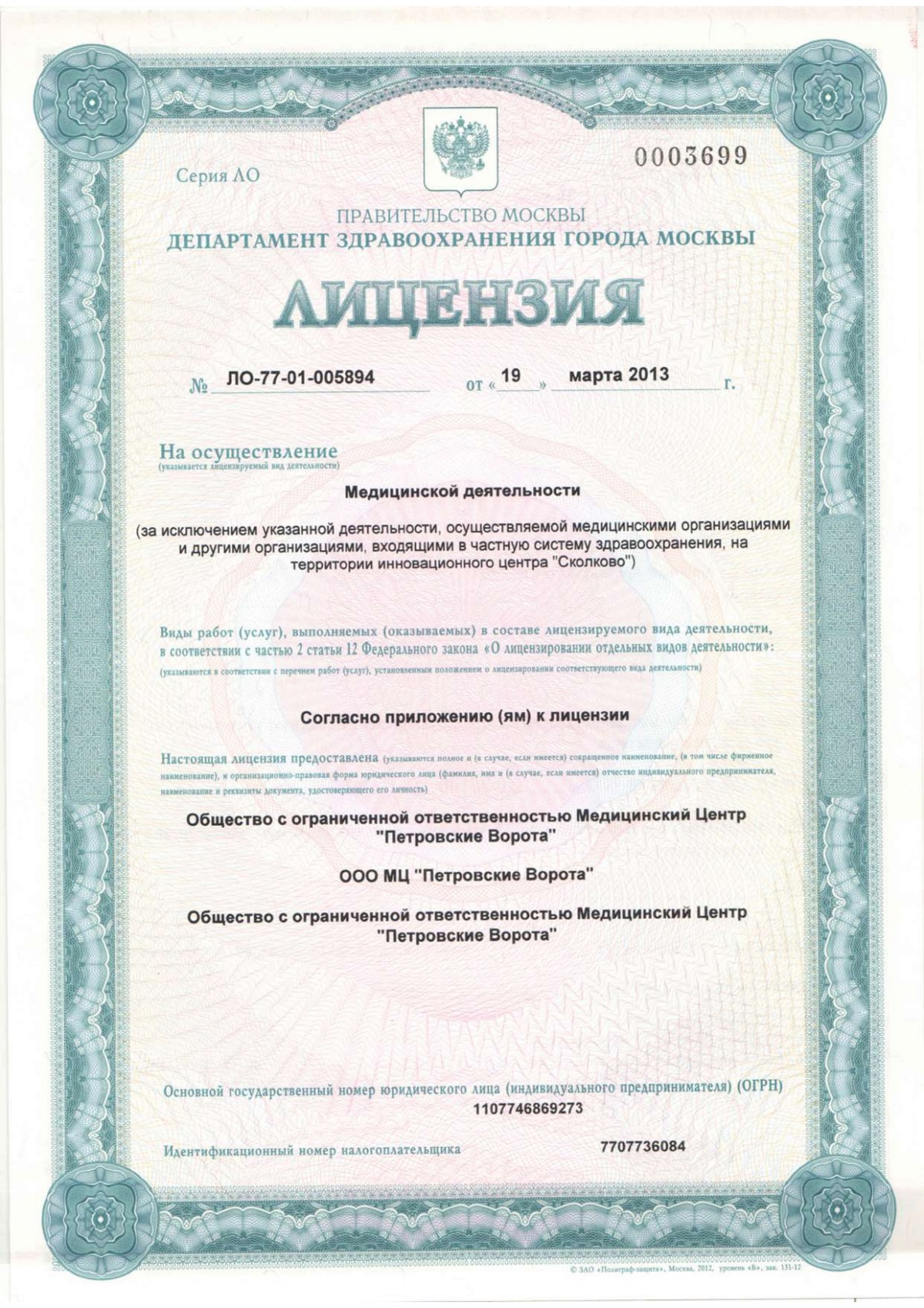
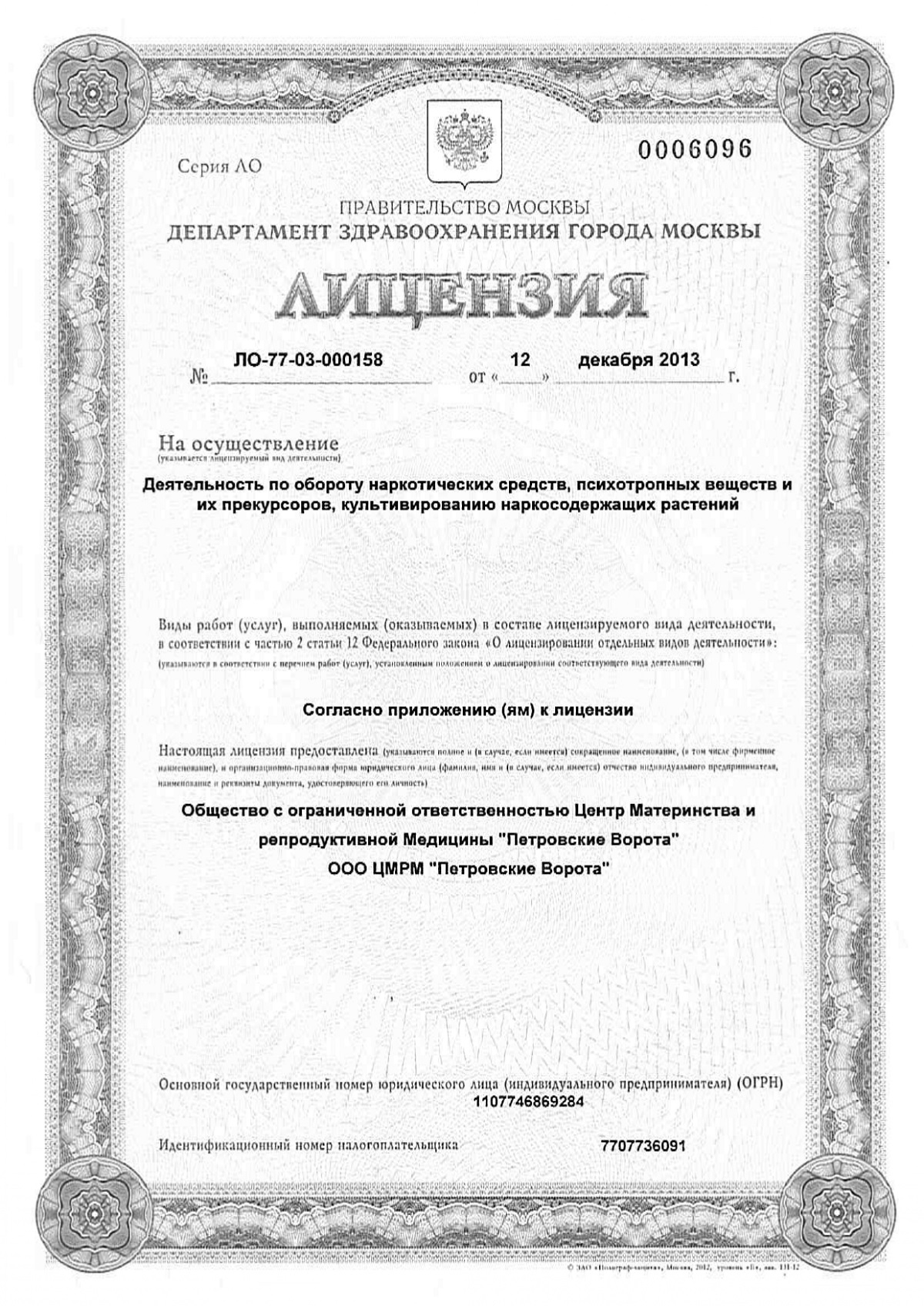
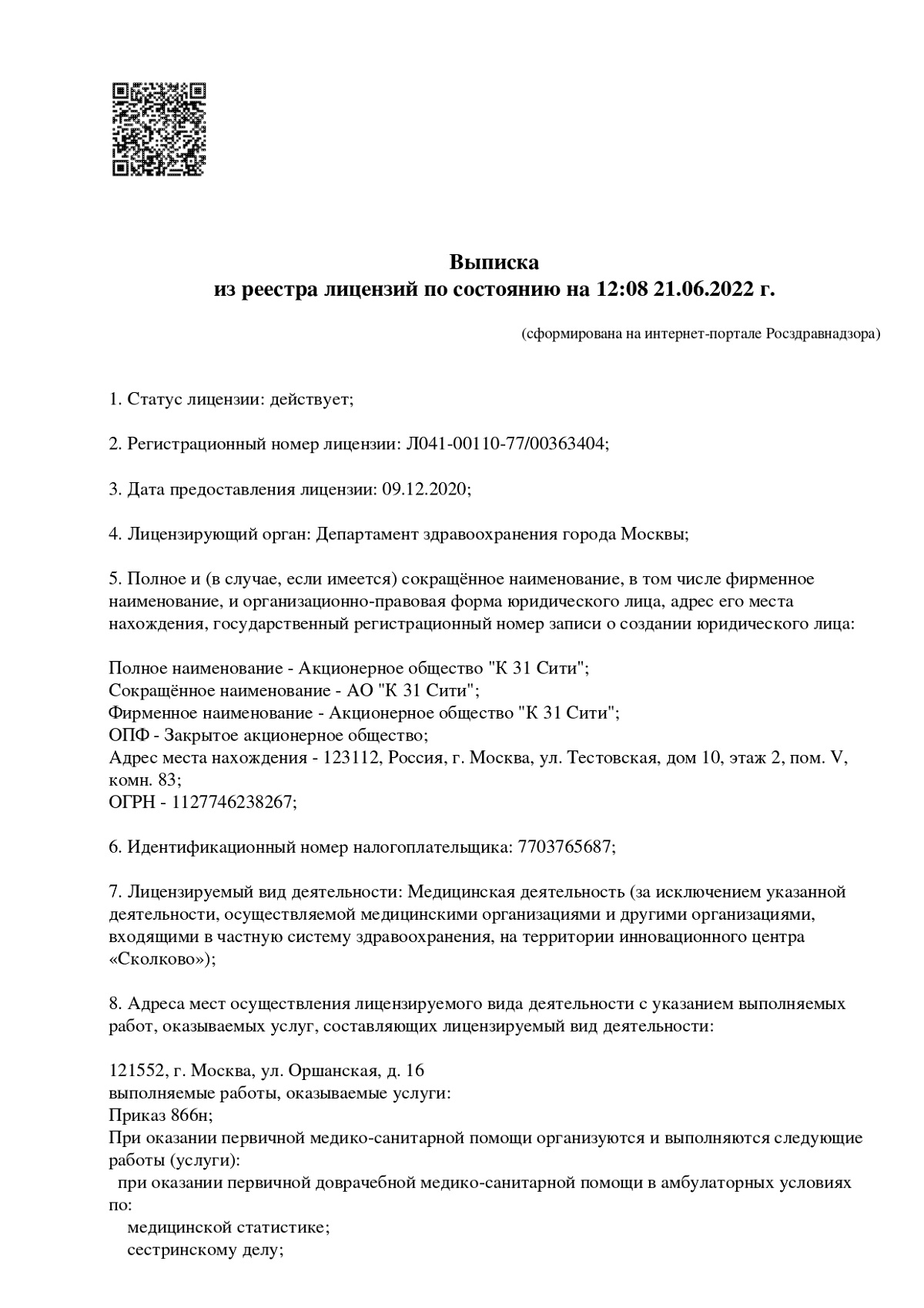
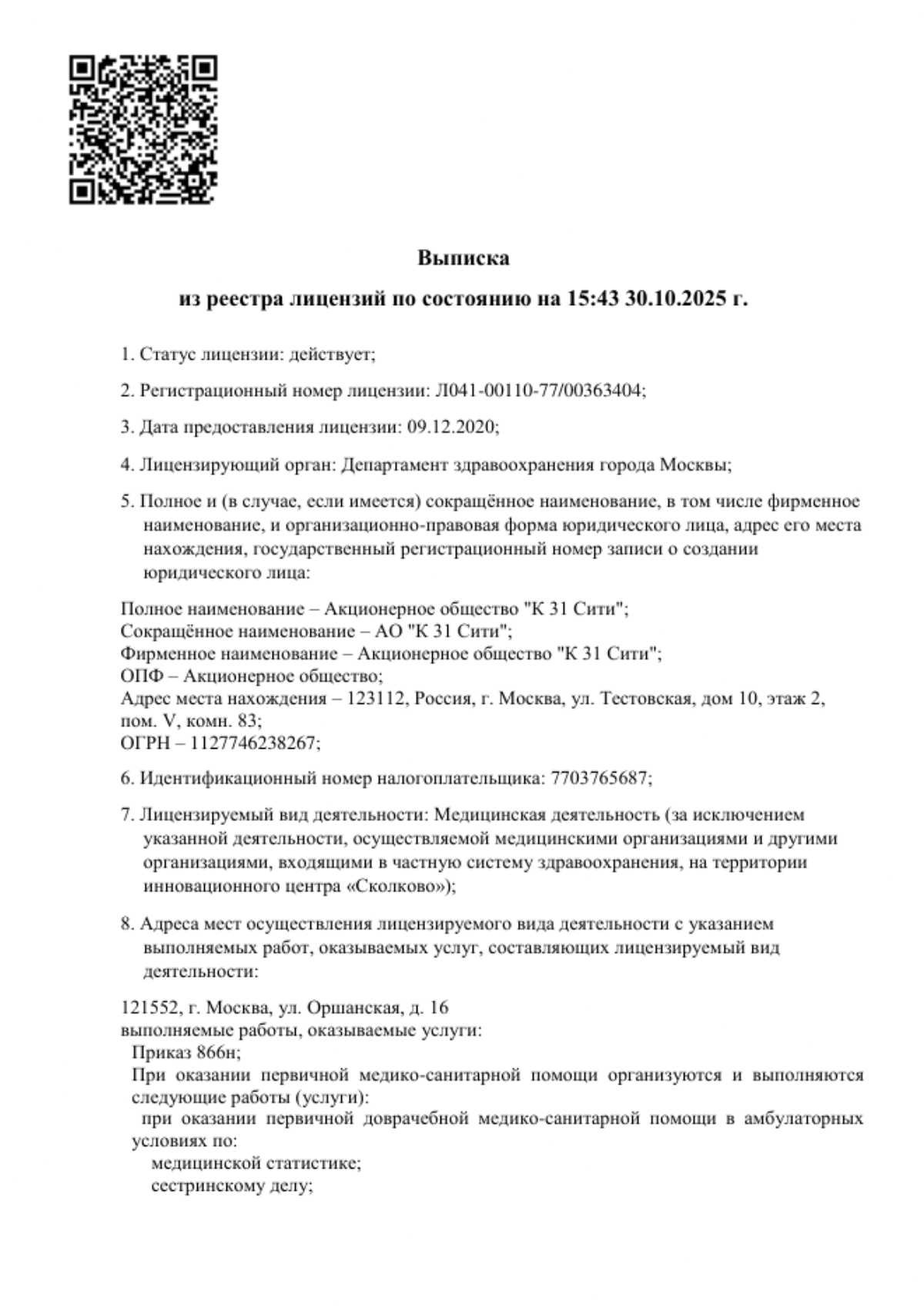
Наши клиники


Приложение «Личный кабинет К+31»












Нужна ли операция для удаления кисты яичника
Не каждая киста яичника требует операции. Выбор метода лечения зависит от типа кисты, ее размера, симптомов и общего состояния здоровья женщины. Рассмотрим основные ситуации, когда оперативное вмешательство может быть необходимо, а когда можно обойтись наблюдением или медикаментозной терапией.