
Внематочная беременность
Внематочная (эктопическая) беременность — это патологическое состояние, при котором оплодотворенная яйцеклетка прикрепляется и развивается вне полости матки, чаще всего в маточной трубе. Рост эмбриона может привести к разрыву трубы, внутреннему кровотечению и другим опасным осложнениям. Чем раньше выявлена внематочная беременность, тем больше шансов сохранить репродуктивное здоровье. После удаления плодного яйца оперативным методом важно провести диагностику и установить причины патологии, чтобы избежать подобных проблем в будущем.
Клиники у метро: Проспект Вернадского, Трубная, Цветной бульвар, Молодежная

специалисты

оборудование

лечения
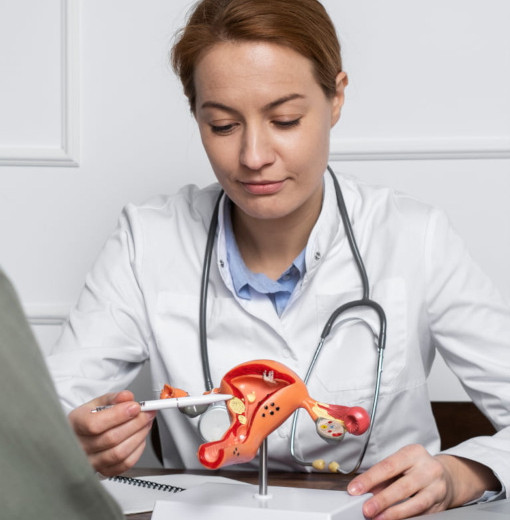
Что такое внематочная (эктопическая) беременность?
Внематочная трубная беременность возникает в том случае, если оплодотворенная яйцеклетка закрепляется за пределами матки. Чаще всего это происходит в маточных трубах, реже — в яичниках, шейке матки или брюшной полости. Такое состояние встречается в 2% случаев и представляет серьезную угрозу из–за высокого риска внутреннего кровотечения.
В редких случаях (менее 2%) эмбрион может имплантироваться в атипичных местах, представляющих особую опасность для здоровья женщины. Яичниковая эктопическая беременность возникает, когда оплодотворение происходит непосредственно в фолликуле, и характеризуется ранним кровотечением уже на 4-6 неделе. Шеечная беременность, часто связанная с предшествующими ЭКО или кесаревым сечением, опасна массивными кровотечениями и в большинстве случаев требует экстренного удаления матки. Наиболее сложной в диагностике является брюшная беременность, которая может прогрессировать до поздних сроков.
Классификация внематочной беременности
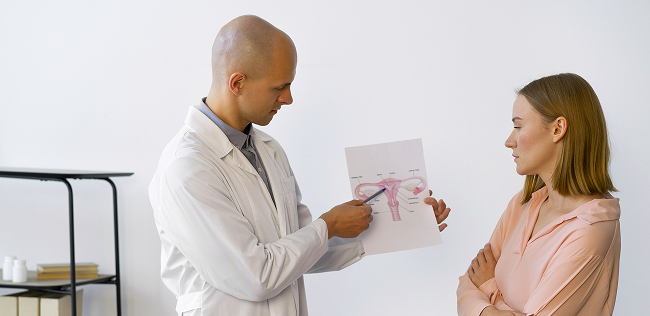
Внематочная беременность подразделяется на несколько форм, в зависимости от места имплантации плодного яйца вне шейки матки. Наиболее распространена в нашей клинике трубная беременность, составляющая около 98% всех случаев. Классифицируется по отделам маточной трубы: ампулярная, истмическая и интерстициальная. Каждая форма трубной беременности имеет характерные клинические проявления и степень опасности.
Реже встречаются атипичные формы: шеечная, брюшная и яичниковая беременность. Эти варианты отличаются особой тяжестью течения и высоким риском массивных кровотечений.
Симптомы внематочной беременности

Для ранней внематочной беременности характерны следующие симптомы:
- Задержка месячных
- Коричневые выделения из влагалища
- Тянущие или острые боли внизу живота
- Общие признаки беременности — тошнота, набухание груди, снижение аппетита
Если вы заметили у себя неприятные симптомы, обратитесь к врачу и пройдите комплексное обследование.
Внематочная беременность на ранних сроках может проявляться неспецифическими признаками, схожими с нормальной беременностью, что затрудняет диагностику. Однако по мере развития патологического процесса клиническая картина становится более выраженной.

Признаки прогрессирующей трубной беременности
При развитии эмбриона в трубе появляются следующие симптомы:
- Постоянная интенсивная боль
- Сильные кровянистые выделения
- Симптомы внутреннего кровотечения: бледность, тахикардия, падение давления
В случае прогрессирующей трубной беременности при гинекологическом осмотре в клинике отмечается резкая болезненность при смещении шейки матки.
Признаки разрыва маточной трубы
При нарушении целостности трубы (обычно на 6-8 неделе) появляется:
- Внезапная острая боль в животе, которая может ирраидировать в прямую кишку и плечо
- Массивное кровотечение в брюшную полость
- Симптомы геморрагического шока: холодный пот, потеря сознания, нитевидный пульс
- Напряжение мышц передней брюшной стенки
Виды внематочной беременности
Существует 3 вида внематочной беременности:
- Брюшная. Яйцеклетка прикрепляется к сальнику, печени, крестцово–маточным связкам или области между маткой и прямой кишкой. Такая беременность повышает вероятность сильного кровотечения и повреждения внутренних органов. У плода часто возникают серьезные пороки развития
- Трубная. Самая распространенная форма внематочной беременности, при которой яйцеклетка прикрепляется к стенке маточной трубы. Осложнения включают остановку развития эмбриона и разрыв трубы с сильным кровотечением
- Яичниковая. Выявляется в менее 1% случаев всех внематочных патологий. Сопровождается приклеплением яйцеклетки к яичнику, воспалительным процессом, повреждением яичника. Высока вероятность развития перитонита
В редких случаях встречается шеечная беременность. Для нее характерно прикрепление яйцеклетки в шейке матки, высокая вероятность внезапного кровотечения из–за близости крупных сосудов.
В таблице представлены типы внематочной беременности с описанием особенностей и возможных рисков.
| Тип патологии | Где прикрепляется яйцеклетка | Особенности | Возможные риски |
|---|---|---|---|
| Брюшная |
Органы брюшной полости:
|
|
|
| Трубная | Маточная труба |
|
|
| Яичниковая |
|
|
|
| Шеечная | Шейка матки (цервикальный канал) | Может быть вызвана абортами, кесаревым сечением или миомой |
|
Диагностика внематочной беременности
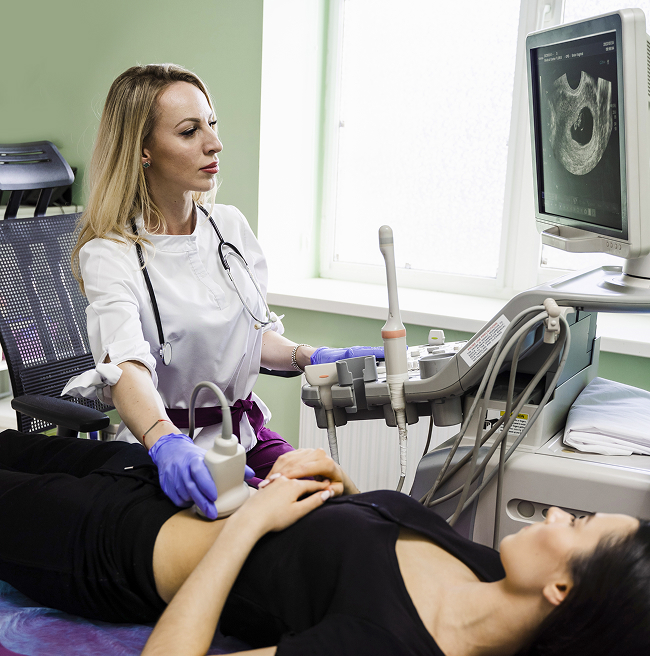
Диагностика внематочной беременности включает комплекс методов, направленных на выявление патологического расположения эмбриона:
- Тест на беременность. Чаще всего он показывает положительный результат, но вторая полоска слабо выражена. В редких случаях тест остается отрицательным даже при наличии беременности
- Анализ крови на ХГЧ. Определяет уровень хорионического гонадотропина человека — гормона беременности. При патологии его уровень опускается ниже нормы или остается в пределах допустимых значений
- УЗИ органов малого таза: метод, который позволяет обнаружить наличие плодного яйца в матке. При внематочной беременности оно располагается в маточной трубе или рядом с яичником. Также УЗИ выявляет жидкость в брюшной полости — признак кровотечения
- Лапароскопия: «золотой стандарт» диагностики: минимально инвазивная процедура, которая позволяет с помощью камеры осмотреть органы малого таза. Лапароскопия не только подтверждает диагноз, но и помогает определить степень повреждения маточной трубы
Активно в клинической практике используется лапароскопия — минимально инвазивная процедура, которая позволяет с помощью камеры осмотреть органы малого таза. Лапароскопия не только подтверждает диагноз, но и помогает определить степень повреждения маточной трубы.
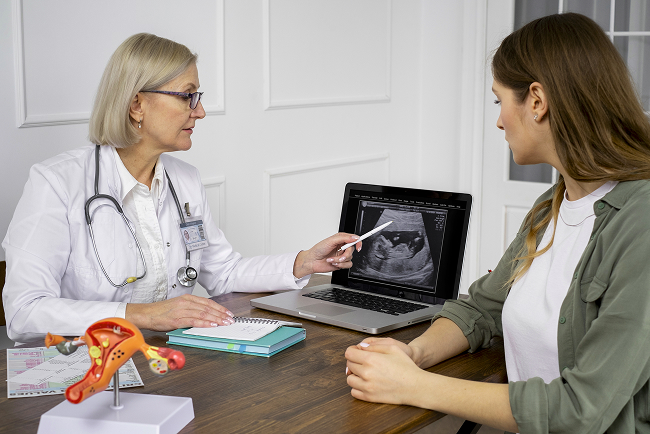
Когда нужна дифференциальная диагностика?
Внематочную беременность важно отличать от апоплексии яичника, острого аппендицита, воспаления придатков, самопроизвольного выкидыша.
Дифференциальная диагностика требуется, когда:
- Есть признаки "острого живота" (резкая боль, напряжение брюшной стенки, тошнота, слабость), но тест на беременность положительный
- Клиническая картина неоднозначна: например, боль локализуется не только внизу живота, но и справа (как при аппендиците) или отдает в поясницу
- Результаты УЗИ и ХГЧ противоречивы: плодное яйцо в матке не визуализируется, но уровень ХГЧ растет
Общая информация
Лечение внематочной беременности
При подозрении на патологию женщину нужно срочно доставить в стационар. Разрыв трубы и другие осложнения обычно происходят неожиданно. Лечение проводится хирургическим путем. Метод выбирают в зависимости от состояния пациентки и стадии заболевания.
- Тубэктомия. Проводится при разрыве трубы или сильном ее растяжении. Врач полностью удаляет поврежденную трубу вместе с плодным яйцом
- Туботомия. При раннем выявлении патологии и небольшом растяжении трубы выполняют разрез и удаление эмбриона. Трубу при этом удается сохранить
- Лапароскопия. Проводят через небольшие проколы в брюшной стенке, что позволяет минимизировать травмы. Во время операции удаляют плодное яйцо и поврежденную часть трубы
- Лапаротомия. Если лапароскопия невозможна из–за спаек, обильного кровотечения или ожирения, операцию выполняют через разрез на брюшной стенке
Лапароскопия снижает риск повторной внематочной беременности, ускоряет восстановление и минимизирует травмы после операции. Женщины возвращаются к привычной жизни через 5–7 дней.
В клинике «К+31» в Москве вы можете получить квалифицированную помощь при внематочной беременности. Опытные гинекологи сопровождает пациенток на всех этапах лечения. Звоните в наш медицинский центр или записывайтесь на прием на сайте.




Ответы на популярные вопросы
Как внематочная беременность влияет на способность женщины иметь детей?
Когда можно возвращаться к тренировкам после лечения внематочной беременности?
Каковы основные риски для маточной беременности?
Влияет ли возраст женщины на вероятность внематочной беременности?
Да, влияет. У женщин до 25 лет риск патологической беременности ниже. В возрасте от 30 до 40 лет вероятность увеличивается примерно в 2–3 раза. После 40 лет риск становится еще больше, особенно при наличии заболеваний органов малого таза или операций на маточных трубах.
Женщинам после 35 лет при планировании беременности рекомендуется пройти расширенное обследование, включающее проверку проходимости труб, оценку гормонального статуса и консультацию репродуктолога.
Наши врачи





























Такая награда выдаётся клиникам с самым высоким рейтингом по оценкам пользователей, большим количеством обращений с данной площадки, при отсутствии критичных нарушений.

Такая награда выдается клиникам с самым высоким рейтингом по оценкам пользователей. Она означает, что место знают, любят и сюда точно нужно зайти.

Портал ПроДокторов собрал 500 тысяч отзывов, составил по ним рейтинг врачей и наградил лучших. Гордимся, что среди награжденных есть наши врачи.
Запишитесь на прием в удобное время на ближайшую дату
Стоимость
Другие услуги
Отзывы

Запись к врачу




Наши клиники


Приложение «Личный кабинет К+31»












Причины и факторы риска внематочной беременности
Основная причина — сбой в работе маточных труб. Эти полые органы выстланы микроскопическими ворсинками, которые помогают яйцеклетке проникнуть в матку. Если их функция нарушается, яйцеклетка закрепляется в неправильном месте.
Продвижение яйцеклетки в матку происходит благодаря слаженной работе нескольких систем. Ворсинки маточной трубы захватывают яйцеклетку после овуляции, в то время как микроскопические реснички внутренней поверхности трубы создают направленный поток жидкости. Одновременно мышечные сокращения стенок трубы плавно продвигают яйцеклетку вперед.
Вышеперечисленные процессы находятся под гормональным контролем — эстрогены усиливают активность ресничек и сократимость труб, тогда как прогестерон оказывает противоположное действие. Когда этот тонкий механизм нарушается, яйцеклетка может задержаться в трубе.
Факторы, которые увеличивают риск:
Также высока вероятность внематочной беременности у женщин, которые ранее перенесли эктопическую беременность, и у тех, кто использует внутриматочные средства контрацепции.
Патогенез и механизмы возникновения
В основе патогенеза эктопической беременности лежит комплексное нарушение механизма транспортной функции маточной трубы. Оплодотворения яйцеклетка задерживается в просвете трубы, где начинается процесс имплантации в слизистую оболочку. Трофобласт эмбриона активно внедряется в стенку трубы, вырабатывая протеолитические ферменты, которые разрушают ее слои - слизистый, мышечный и серозный. Когда плодное яйцо начинает расти и развиваться, происходит растяжение и истончение трубы, что в итоге может привести к ее разрыву с массивным кровотечением.