
Лечение анальных трещин
Анальные трещины – распространенная проктологическая проблема, которая встречается как у мужчин, так и у женщин. Заболевание, приносит эмоциональный и физический дискомфорт ввиду нарушения целостности слизистой заднего прохода.

специалисты

оборудование

лечения






Симптомы и причины анальной трещины
Основные признаки анальной трещины — это резкая боль в заднем проходе сразу после похода в туалет, особенно когда приходится напрягаться. Боль такая сильная, будто ножом режут изнутри. Иногда чувствуется зуд или дискомфорт около ануса. Может наблюдаться кровотечение ярко-красного цвета, которое видно на бумаге или в унитазе. Еще один симптом — страх перед походом в туалет из-за боли, отчего появляются запоры. Все это вместе сигнализирует о повреждении слизистой оболочки вокруг анального отверстия.
Симптомы при острой форме
При остром течении анальной трещины симптомы яркие — человек чувствует сильную, буквально раздирающую боль каждый раз, когда ходит в туалет. Нередко появляется кровь алого цвета на поверхности стула или туалетной бумаги. Острая форма значит, что трещина свежая, поэтому болевые ощущения выражены сильно.
Симптомы при хронической форме
При хронической анальной трещине человек может мучиться от ее симптомов месяцами или годами. Боли становятся привычными спутниками каждого похода в туалет, хотя часто они слабее, чем при острых формах. Может появиться чувство тяжести или неполного опорожнения кишечника. Кровотечения тоже случаются, но реже и менее обильно.
Причины анальной трещины
Патология возникает чаще всего из-за травмы заднего прохода твердым или сухим стулом. Когда человек страдает хроническими запорами и вынужден сильно тужиться, плотная масса травмирует нежную слизистую оболочку, вызывая глубокий надрыв.
Причинами анальной трещины также бывают инфекции и воспаления прямой кишки, частые диареи, недостаток жидкости в организме и неправильное питание. Риск появления трещин увеличивают анатомические особенности вроде узкого просвета заднего прохода, неправильное питание, избыточные силовые нагрузки, травмы. Больше всего склонны к заболеванию люди, ведущие малоподвижный сидячий образ жизни. У женщин трещины заднего прохода могут возникнуть после беременности и родовой деятельности.
Почему анальные трещины становятся хроническими
Острая анальная трещина превращается в хроническую, если вовремя не устранить причину ее возникновения. Постоянное травмирование мешает заживлению. Организм запускает защитный механизм, формируя фиброзные изменения тканей, создается замкнутый круг: воспаление усиливает спазм мышц, ухудшая кровообращение и замедляя восстановление.

Классификация анальных трещин
Чтобы разобраться в особенностях заболевания, врачи разработали классификацию анальных трещин. Во-первых, выделяют две основные формы течения болезни: острую и хроническую. Во-вторых, патология делится на различные виды по локализации — месту расположения анальной трещины.
Чаще всего она образуется на задней стенке анального канала, чуть реже — на передней. Наконец, третий вид классификации связан с длительностью существования трещины. По этому признаку различают свежеобразовавшиеся дефекты и те, что существуют дольше трех месяцев.

Патогенез анальной трещины
Патогенез анальной трещины заключается в следующем — патология начинается с механического повреждения слизистой оболочки заднего прохода. Например, твердый сухой стул царапает чувствительную поверхность, создавая глубокую рану. Повреждение провоцирует воспалительный процесс, усиливающий чувствительность нервных волокон.
Это вызывает резкое болезненное ощущение и нарушение кровоснабжения поврежденного участка. Если ситуация сохраняется длительное время, организм приспосабливается к постоянному воспалению, приводящему к серьезным осложнениям.
Диагностика анальной трещины
Наличие анальной трещины врач без труда установит с помощью пальпации и визуального осмотра. Для точной диагностики врач назначает аноскопию. Доктор осторожно вводит аноскоп внутрь и осматривает стенки анального канала, выявляет трещину, оценивает степень ее развития и возможные осложнения.
Кроме того, врач собирает анамнез, расспрашивает больного о характере болей, наличии крови в стуле, затруднении дефекации. Для подтверждения диагноза используют пальпацию (ощупывание пальцем) и ректальное исследование. Важно исключить другие заболевания, такие как геморрой или полипы, чтобы назначить правильное лечение. Также в диагностических целях используют ректороманоскопию, посев на флору, общеклинический анализ крови и кала.
Лечение анальной трещины
При острой форме больному показано консервативное лечение (лекарственное местное и внутрь), направленное на снижение болевых ощущений и затягивание раны. Врач назначает мази, свечи и другие препараты, расслабляющие мышцы заднего прохода, улучшающие кровоток и ускоряющие заживление. Облегчить акт дефекации помогает и клизма. При хронической форме, сопровождающейся появлением бугорков, показано хирургическое вмешательство.
При наличии анальной трещины следует придерживаться специальной диеты. Исключить из рациона соленую и жирную пищу, алкоголь. Нормализовать стул помогут кисломолочные продукты и еда, богатая клетчаткой. Чтобы каловые массы меньше травмировали рану, нужно придерживаться питьевого режима и ежедневно кушать первые горячие блюда. Также рекомендуется регулярно есть свеклу с подсолнечным маслом, чернослив, курагу, каши.
Но если трещина переходит в хроническую форму, консервативные методы перестают помогать. Тогда встает вопрос о хирургическом вмешательстве. Операция направлена на устранение причины спазма и улучшения кровообращения в пораженной зоне.
После вмешательства важно соблюдать рекомендации врача, следить за гигиеной, правильно питаться, избегать физических нагрузок. Комплексный подход позволяет успешно справляться с проблемой и предотвращать рецидивы.
Консервативное лечение
Облегчить симптомы анальной трещины и быстро заживить раны позволяет консервативное лечение. Пациенту назначаются специальные мази, свечи и ванночки, которые содержат компоненты, помогающие снять воспаление, обезболить и ускорить регенерацию тканей. Также рекомендуется диета с высоким содержанием растительной пищи, богатой клетчаткой, и употребление достаточного количества воды.
Хирургическое лечение
Когда консервативные методы бессильны, приходится прибегать к хирургическому вмешательству. Существует два основных вида операций: иссечение трещины и сфинктеротомия.
Иссечение подразумевает полное удаление самой трещины, включая края и рубцовую ткань. Второй вариант — сфинктеротомия. Здесь задача врача состоит в уменьшении давления на анальное отверстие путем частичного рассечения внутреннего сфинктера.
Лекарственные средства
Медикаменты играют важную роль в лечении анальной трещины. Чтобы облегчить состояние пациента, врачи назначают следующие группы лекарственных средств:
- Обезболивающие
- Спазмолитики
- Противовоспалительные
- Заживляющие
Выбор конкретного препарата делает врач, учитывая индивидуальные особенности пациента и тяжесть заболевания. Самостоятельно подбирать лекарства нельзя, иначе можно усугубить ситуацию.
Альтернативные методы лечения
Народные способы избавления от анальной трещины включают такие средства, как отвары ромашки, календулы и коры дуба — они снимают воспаление и ускоряют заживление. Полезны теплые ванночки с этими настоями. Также используются различные масла и примочки. Важно помнить, что любые альтернативные способы лечения лучше согласовать с врачом.
Осложнения анальной трещины
Несвоевременное лечение может привести к обильным кровотечениям, появлению злокачественных и доброкачественных новообразований. Долго незаживающая рана может привести к образованию свища — фистулы, связывающей прямую кишку с кожей вокруг ануса.
Еще одно неприятное последствие — инфекция, способная вызвать гнойник и сильную боль. Это связано с тем, что во время акта дефекации кровоточащая рана регулярно контактирует с калом, в котором могут содержаться опасные бактерии. Патогенные микроорганизмы, оседающие на трещине, приводят к инфицированию и усугубляют воспалительный процесс.
В редких случаях может произойти злокачественное перерождение ткани, которое требует срочного медицинского вмешательства. Лучшая профилактика анальных трещин – активный образ жизни, рациональное питание, предотвращение запоров.
Когда обращаться к врачу
Если чувствуете боль, усиливающуюся во время опорожнения, замечаете кровь на поверхности стула, бумаге или в унитазе, ощущаете раздражение или дискомфорт в районе ануса, обязательно сходите к врачу-проктологу. Даже один из этих симптомов может указывать на наличие анальной трещины.

Наличие трещин заднего прохода можно определить по следующим симптомам:
- Боли в области ануса как вовремя, так и после испражнения
- Выделение крови во время дефекации
- Спазм заднего отверстия
- Зуд ануса
Прогноз и профилактика
При своевременном обращении к врачу и правильном лечении большинство пациентов успешно избавляются от анальной трещины. Прогноз, как правило, благоприятный. Однако есть вероятность повторного появления проблемы. Профилактика включает физическую активность, правильное питание и гигиену.

Часто задаваемые вопросы
Почему болит именно при походе в туалет?
Потому что эта зона особо чувствительна — любое прикосновение или растяжение вызывает сильнейшую боль.
Как понять, что это именно трещина?
Характерный признак — внезапная резкая боль при походе в туалет, потом некоторое облегчение, а спустя какое-то время вновь возвращение неприятных ощущений. Можно заметить следы свежей крови на туалетной бумаге.
Сколько заживает анальная трещина?
От 1–2 недель при правильном лечении. Однако, если болезнь перешла в хроническую стадию, сроки увеличиваются до нескольких месяцев.
Чем опасна анальная трещина?
Главные опасности анальной трещины — инфекции, проникающие через открытую рану, переход в хроническую форму, образование свищей — каналов между внутренним отверстием и кожей, ведущих к серьезным проблемам.
Может ли анальная трещина зажить сама?
Иногда при устранении причины трещины, например, нормализации стула, смене диеты или исключении напряжения при дефекации, это возможно, но без специального лечения патология редко проходит полностью.
Наши врачи









Такая награда выдаётся клиникам с самым высоким рейтингом по оценкам пользователей, большим количеством обращений с данной площадки, при отсутствии критичных нарушений.

Такая награда выдается клиникам с самым высоким рейтингом по оценкам пользователей. Она означает, что место знают, любят и сюда точно нужно зайти.

Портал ПроДокторов собрал 500 тысяч отзывов, составил по ним рейтинг врачей и наградил лучших. Гордимся, что среди награжденных есть наши врачи.
Запишитесь на прием в удобное время на ближайшую дату
Стоимость

Запись к врачу
Отзывы

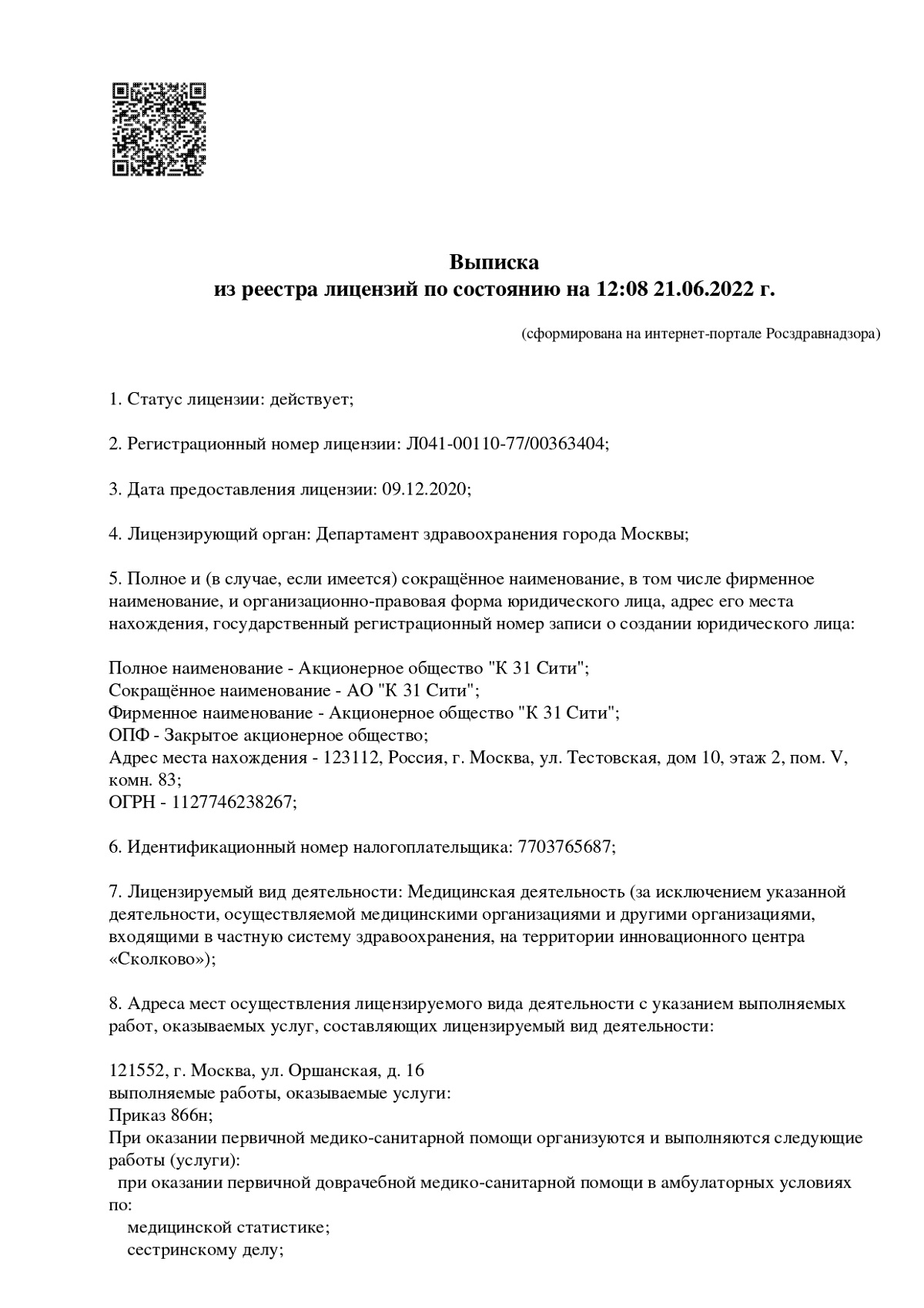
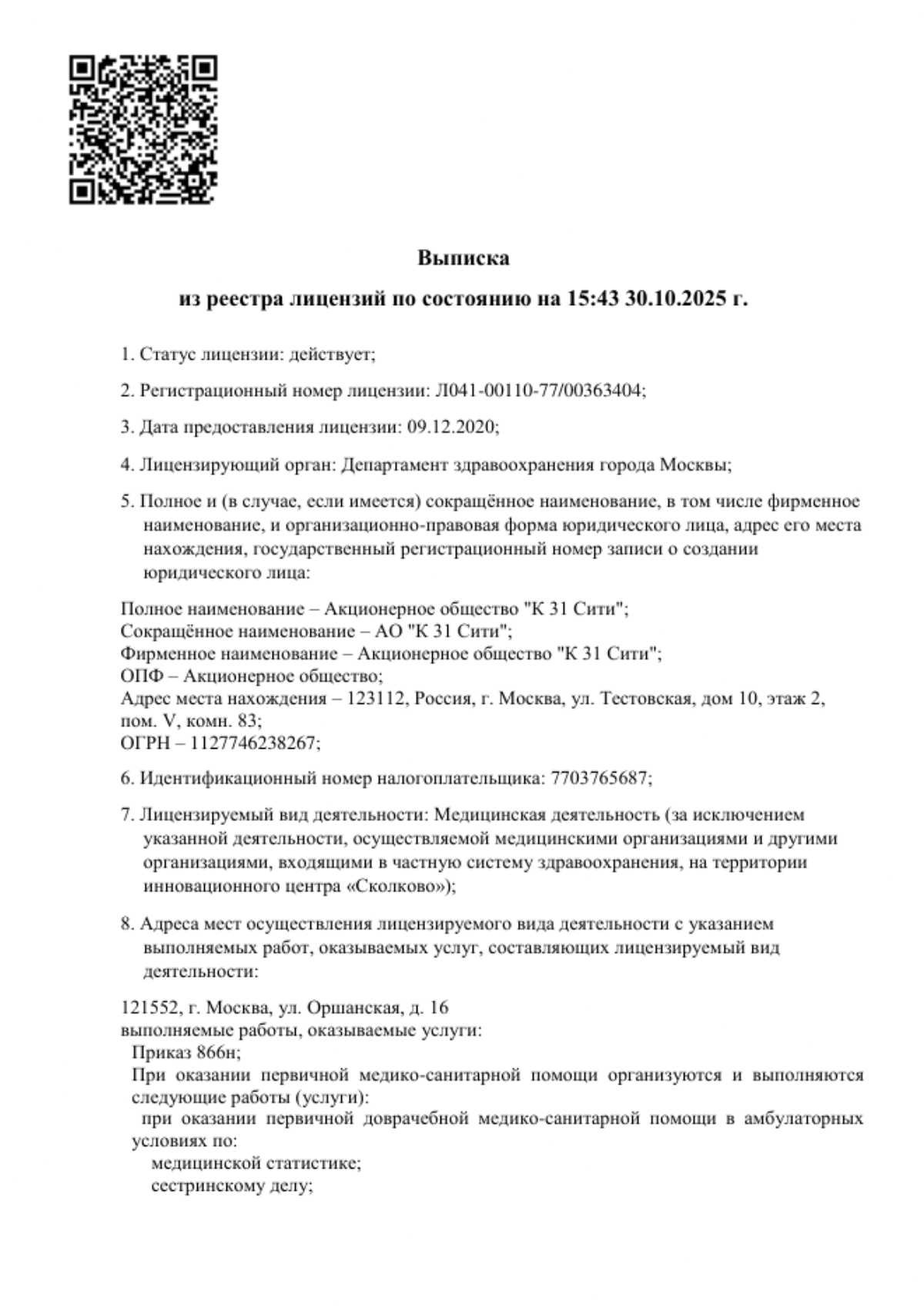
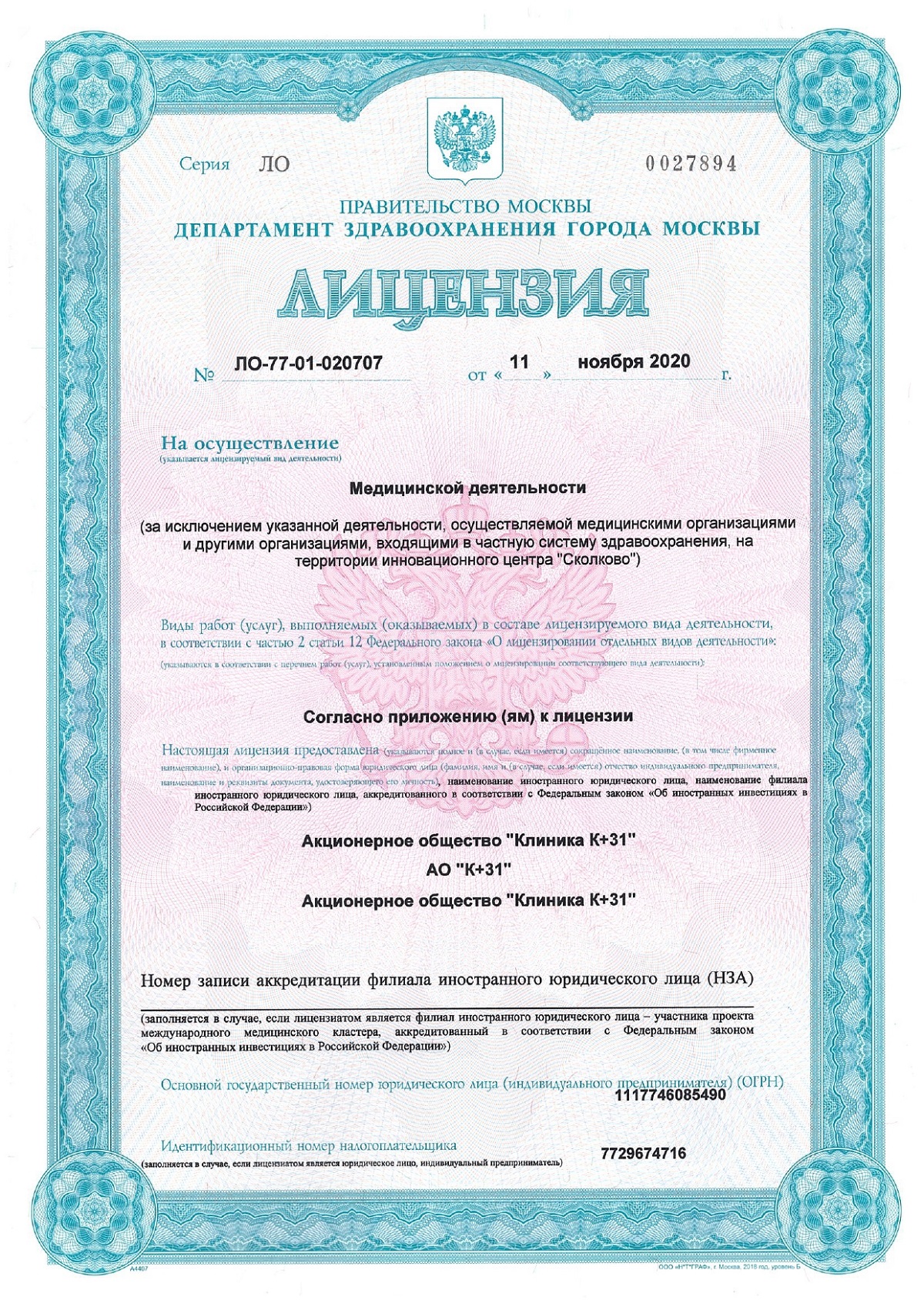
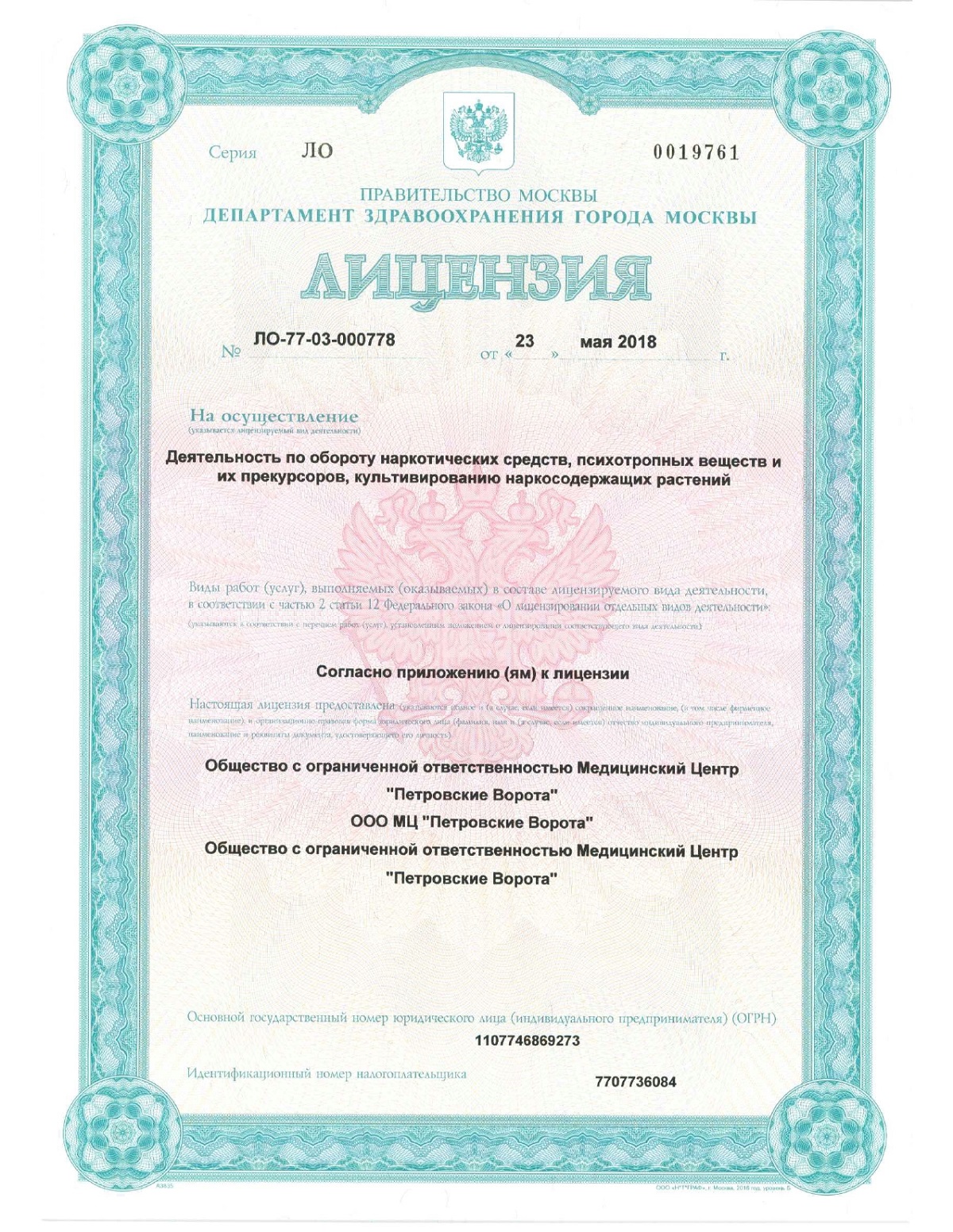
Наши клиники


Приложение «Личный кабинет К+31»












Определение анальной трещины
Анальная трещина — это небольшой надрыв внутри заднего прохода, точнее на внутренней слизистой оболочке анального канала. Она возникает там, где проходит стул во время похода в туалет. Из-за такого повреждения акт дефекации становится болезненным, иногда даже возникают кровотечения.
Этот дефект еще называют ректальным, потому что он расположен именно в области анального прохода. Лечение анальной трещины включает использование мазей, свечей, специальных ванночек и коррекцию питания, чтобы смягчить стул и уменьшить боль.