
Stye on the eye
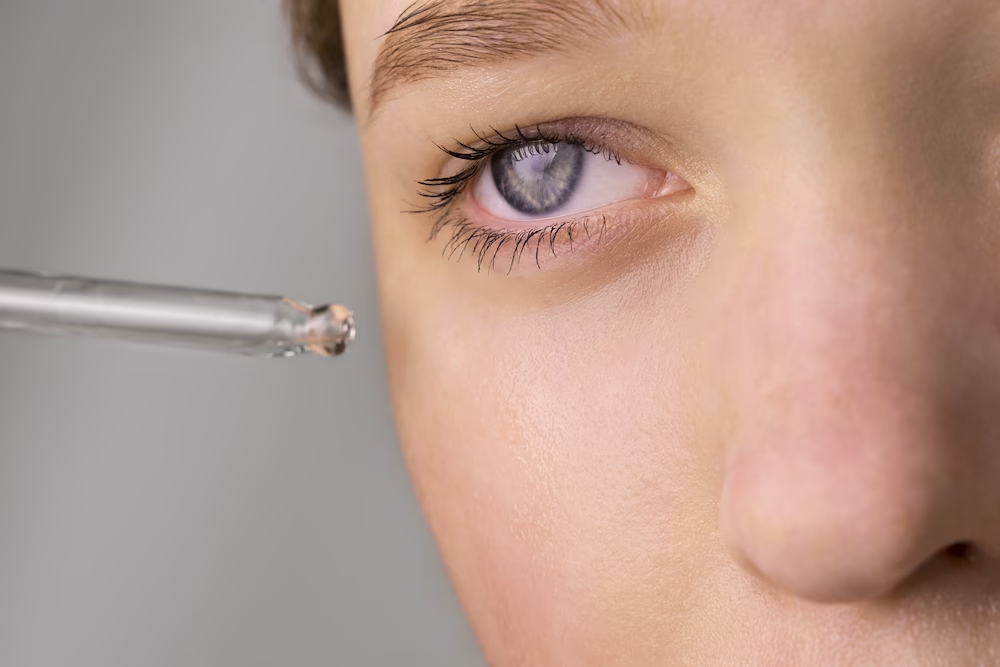
Stye on the eye (hordeolum) is an acute purulent inflammation accompanied by pain, itching and severe redness. Both a child and an adult can face a problem that causes serious discomfort and impairs quality of life.

specialists

equipment

treatment



Causes of barley
Barley occurs under the influence of the following factors:
- Poor hygiene: touching eyes with unwashed hands, using uncleaned sponges, brushes and other cosmetic accessories
- Weakened immunity due to long-term chronic diseases, stress, fatigue, vitamin deficiency
- Metabolism disorders
- Endocrine diseases
- Chronic eye diseases
- Prolonged exposure to cold
- Allergic reactions to cosmetics or other irritants
- Diseases of other organs located in close proximity to the organs of vision: tonsillitis, sinusitis, caries and other infections
- Anomalies of the structure of the paranasal sinuses
Risk factors
The risk of developing barley increases with the use of expired or low-quality cosmetic products, irregular hygiene, improper storage or care of lenses. Infection is also possible after illnesses or during the recovery period, when the body is still quite weakened.
Symptoms of a stye
Stye has the following symptoms:
- Pain, redness on the edge of the eyelid, itching and burning
- Swelling of the eyelid, making it difficult to blink
- The appearance of an abscess, which looks like a small pimple
- Increased lacrimation
- A feeling of a foreign body in the eye
- Sensitivity to light
Types of barley
Internal and external barley
Classification of barley by localization:
- External: inflammation of the sebaceous gland on the visible side of the eyelid
- Internal: inflammation located on the inner side of the eyelid. Causes discomfort and a feeling of a foreign body in the eye
Diagnosis of barley
Diagnosing barley involves several steps that help the doctor determine the cause of the disease and determine the appropriate treatment.
-
History taking
The doctor asks about the symptoms, when they appeared, and whether the patient has had previous cases of styes. He or she asks whether the patient has had other eye or eyelid diseases, as well as chronic diseases, especially diabetes.
-
Examination and biopsy
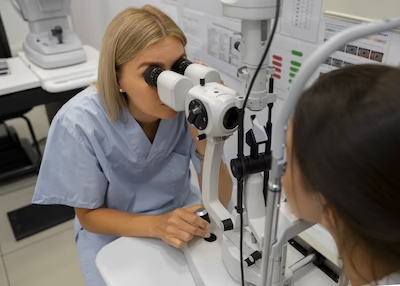
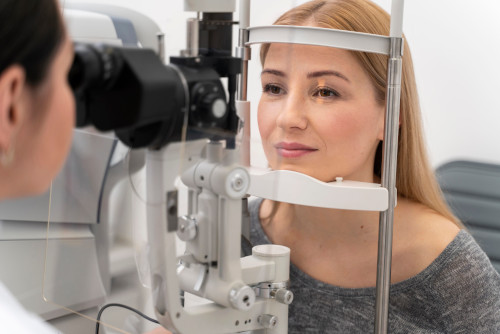
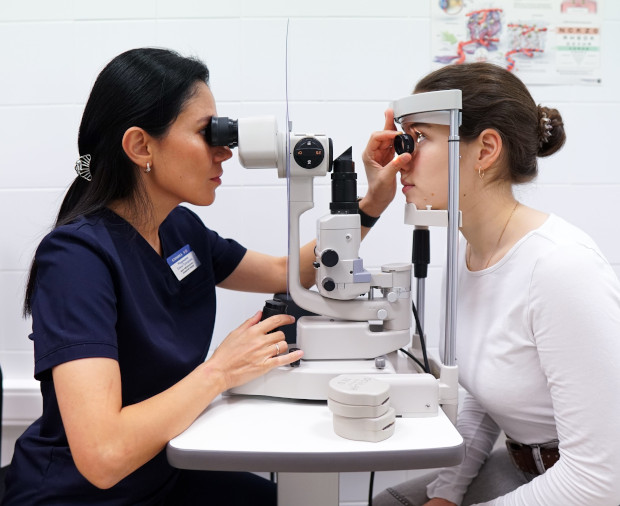
Then the doctor conducts a visual examination of the eye and eyelid, paying attention to the presence of redness, swelling and abscess. If symptoms are not expressed, an examination can be performed using a slit lamp, which allows for a thorough assessment of the condition of the eye.
If malignant neoplasms are suspected, the patient is additionally given a biopsy.
-
Differential diagnostics
It is important to differentiate barley from other diseases (for example, chalazion, meibomitis, blepharitis, cysts, herpes zoster). For accurate differential diagnostics, additional studies or consultations with other specialists may be required.
Treatment of barley
Treatment of barley includes methods that help speed up the recovery process and prevent possible complications.
Conservative treatment
Warm compresses, which are recommended to be applied to the affected area several times a day, help speed up the process of abscess maturation and reduce inflammation. To speed up healing, you can do a light weight massage to improve blood circulation. In no case should you press on the abscess, all movements should be light and careful.
Drug therapy
To treat barley, the patient is prescribed antibacterial drops and ointments. Medications should be used strictly as prescribed by the doctor, without exceeding the permissible dose and duration of use. Additionally, ultra-high-frequency therapy is indicated to reduce inflammation and accelerate the maturation process of barley.
Surgical treatment
In cases where the stye does not respond to conservative treatment or causes serious complications, surgery may be required. The surgeon opens the stye under local anesthesia, removes the pus, treats the surgical area with an antiseptic and gives the patient recommendations for home care.
How to treat barley yourself
If you cannot urgently see a doctor when symptoms of barley appear, you can alleviate your condition with warm compresses. It is not recommended to use traditional medicine and medications without a specialist's prescription. Drugs can spoil the clinical picture and interfere with accurate diagnosis.
What not to do with a stye
When a stye appears, it is prohibited to:
- Use alcohol, tinctures or other aggressive agents that can aggravate inflammation
- Remove the stye - can lead to the spread of infection or damage to the eyes
- Use cosmetic products and lenses
When to see a doctor
You should see a doctor immediately if:
- The stye has been bothering you for several days, the discomfort is increasing
- There is severe pain, the temperature has risen, the swelling has increased significantly
- The stye has reappeared within a month
- Abscess or phlegmon is suspected
General information
Prevention of barley
To prevent barley, it is important to follow these recommendations:
- Do not rub your eyes with unwashed hands
- Do not use other people's cosmetics and towels
- Remove makeup every day before going to bed
- Avoid contact with people infected with infections
- Properly care for contact lenses
- Treat eye and eyelid diseases in a timely manner in accordance with clinical recommendations
- Control chronic diseases
Do not forget about strengthening the immune system, which plays an important role in eye health. You need to eat right, including more vitamins and minerals in your diet, and take special supplements for serious deficiencies. Regular exercise and adequate sleep will also help improve the body's defenses.




Related materials and articles
- Трубилин В.Н., Полунина Е.Г., Анджелова Д.В. и соавт. Алгоритм лечения мейбомиита, ячменя и халязиона. Офтальмология. 2019
- https://probolezny.ru/yachmen/
- https://www.fdoctor.ru/bolezn/yachmen/
- https://polyclin.ru/articles/lechenie-yachmenya-na-glazu/
- https://www.smclinic.ru/professional-services/khirurgicheskoe-lechenie/malaya-glaznaya-khirurgiya/
- https://ochkarik.ru/blog/yachmen/
- https://www.vidal.ru/encyclopedia/oftalmologiya/iachmen
- https://medvedev.ru/articles/oftalmologiya/yachmen-na-glazuu/
- https://centr-hirurgii-spb.ru/oftalmologiya/yachmen/
- https://www.invitro.ru/library/bolezni/28092/
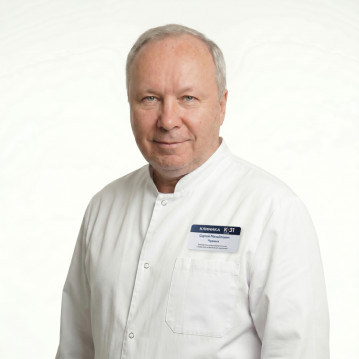
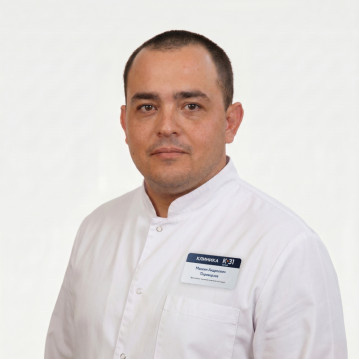
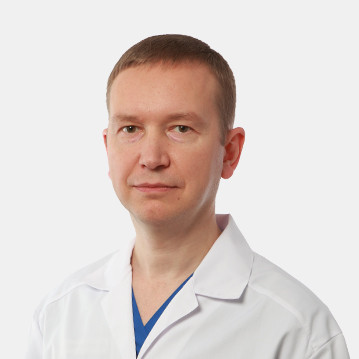
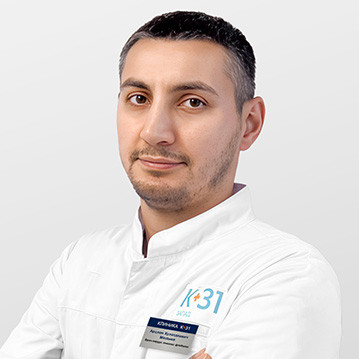
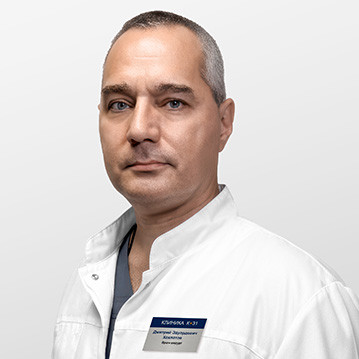
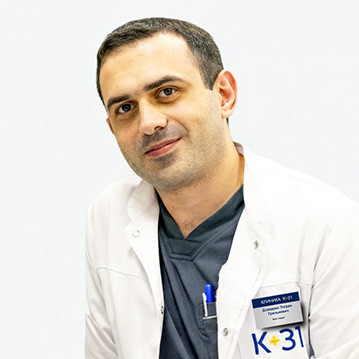
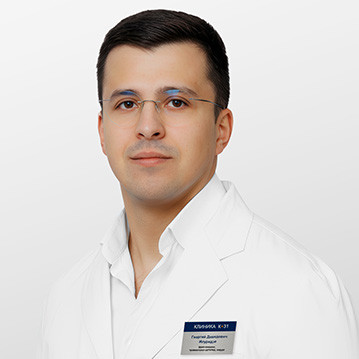
Our doctors









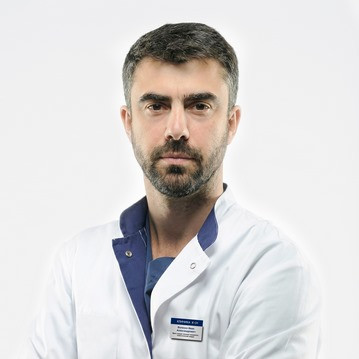
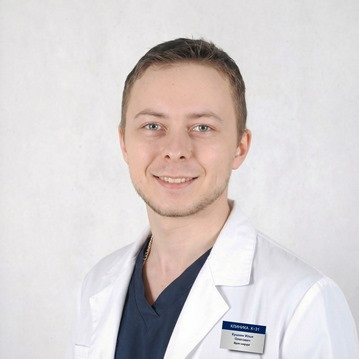











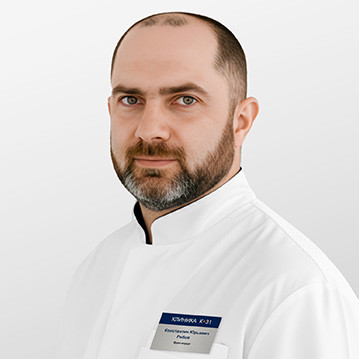



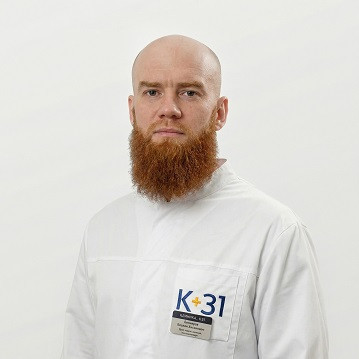


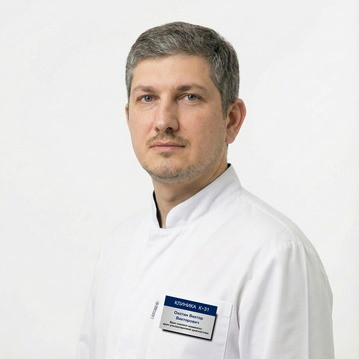
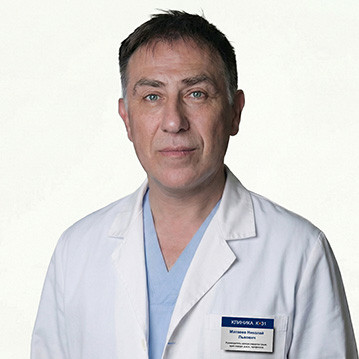




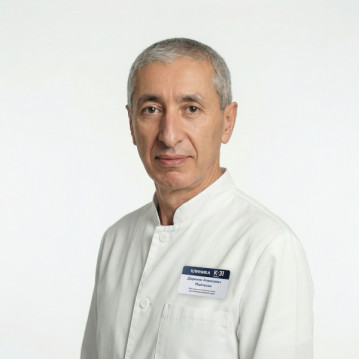






This award is given to clinics with the highest ratings according to user ratings, a large number of requests from this site, and in the absence of critical violations.

This award is given to clinics with the highest ratings according to user ratings. It means that the place is known, loved, and definitely worth visiting.

The ProDoctors portal collected 500 thousand reviews, compiled a rating of doctors based on them and awarded the best. We are proud that our doctors are among those awarded.
Make an appointment at a convenient time on the nearest date
Price
Other services

Appointment to the doctor
Reviews


Our clinics


Application “Personal Account K+31”












Treatment of barley on the eye
Stye on the eye is a disease that requires timely and proper treatment. If you are faced with this problem, do not delay your visit to the doctor. At the K+31 medical center in Moscow, we use conservative methods and barley opening, which will help in difficult cases to quickly get rid of unpleasant symptoms and prevent possible complications. All manipulations are carried out in comfortable sterile conditions.