
Treatment of vaginal wall prolapse
Many women around the world experience their genitals shifting from their proper anatomical position. In the most severe cases, the vagina prolapses. A sensation of a foreign object in the perineum, urinary incontinence, and discomfort are just a few of the consequences of this condition.

specialists

equipment

treatment






Causes of vaginal wall prolapse
Loss of elasticity of intimate muscle fibers occurs due to a number of factors:
- Damage and trauma
- Radical surgery during which the reproductive organ was removed
- Repeated natural births of a large fetus
- Genetic weakness of tissue structures
- Hormonal imbalance
- Excess body weight
- Tobacco addiction
- Increased abdominal pressure (with prolonged cough, chronic intestinal problems)
- Formation of tumor processes
- Insufficient production of female hormones
- Excessive physical activity
- Age-related degenerative changes in the body
- Heavy physical labor
The listed reasons cause excessive weakening of the supporting framework and loss of flexibility of cellular structures.
Pelvic floor trauma
Often, the first warning sign associated with vaginal wall prolapse is a complicated postpartum period. The speed of the baby's passage through the birth canal and the large size of the fetus can trigger the development of vaginal wall prolapse. This condition is possible regardless of the type of delivery, including cesarean section.
Furthermore, there are situations where the integrity of the pelvic fascial and muscular components is compromised for reasons other than pregnancy and childbirth. For example, such changes are possible after abdominal surgery. Dysfunction of the nerve centers that control the pelvic floor muscles can also cause organ prolapse.
Chronic increase in intra-abdominal pressure
This factor plays a key role in the development of pathological conditions related to women's health, one of which is vaginal prolapse. Digestive dysfunction and frequent constipation provoke constant tension in the abdominal muscles, which leads to increased intra-abdominal pressure. During defecation, significant effort is required, increasing the strain on the pelvic organs and supporting tissues. This regular stress impairs the elasticity of the ligamentous and muscular system.
Heavy physical labor, involving constant lifting or working in an upright position, also increases gravitational pressure on the organs. Constant tension in the abdominal, leg, and back muscles leads to increased strain on the system supporting the internal organs, increasing the risk of prolapse.
Another factor that increases the risk of this condition is maintaining a static body position for prolonged periods. Women who spend most of the day sitting or standing are at risk of impaired blood and lymph circulation in the pelvis. This position impairs tissue nutrition, reduces pelvic floor muscle tone, and promotes fluid accumulation in the lower body.
The importance of respiratory diseases, such as bronchitis or emphysema, should not be ignored. Prolonged, severe coughing attacks increase pressure in the chest and abdominal cavities, causing further weakening of the tissues surrounding the female genitals.
Connective tissue dysplasia
Genetically determined deformations of the human tissue structure are called dysplasia. This pathology is associated with problems in the formation of proteins necessary for maintaining the integrity and elasticity of connective tissues, such as collagen. As a result, weakness develops in the tissue that holds organs in place.
This characteristic explains the phenomenon of prolapse of the genital walls in young women. This occurs even in those who have not experienced severe childbirth or engaged in grueling physical labor.
Hormonal imbalance
One of the key causes of vaginal wall prolapse is hormonal imbalance, which often occurs in women during menopause. Menopause is accompanied by a significant decrease in the concentration of essential hormones, among which estrogen plays a key role. Estrogens play a critical role in maintaining optimal tissue health and ensuring the normal functioning of numerous organs and systems in the female body.
Estrogen deficiency affects the structure of the cells and vessels that supply the pelvic area with blood and oxygen. As a result, the tissues become less dense, lose their ability to retain essential moisture, and weaken. The gradual breakdown of the bonds between cellular components leads to a decrease in tissue density and a loss of resistance to mechanical stress.
Furthermore, estrogen deficiency negatively impacts the synthesis of collagen, the primary building block for the supporting structures of the pelvic organs. Weakened muscles are no longer able to withstand normal everyday pressure and hold organs in their usual place.
Hereditary predisposition
Genetics plays a significant role in the development of the musculoskeletal system and tissue strength. The structural features of collagen and elastic fibers are passed down from generation to generation. Therefore, women with a family history of this problem are at increased risk.
Age-related changes
With age, muscles lose strength, ligaments become weaker, and levels of tissue-strengthening substances decline. When some muscles relax, others continue to bear the load. Internal pressure increases, and organs literally try to escape. It's a vicious cycle: weak muscles force organs to seek new locations, which only accelerates the wear and tear of the remaining strong tissues.
Symptoms of vaginal wall prolapse
The pathological change begins with a sudden sensation as if there is a foreign object in the perineum. Many also experience pain localized in the lower abdomen and radiating to the back. Any physical exertion, such as lifting heavy objects or straining, aggravates the situation, causing the body to lose control of urinary functions, increase constipation, and generally deteriorate well-being. Almost a third of those affected experience pain during sex, known as dyspareunia. This problem interferes with a fulfilling sex life and adds emotional stress.
Urinary problems manifest themselves in a complex manner. Initially, a slight leakage of urine occurs with strong emotions, tension in the diaphragm, or attempts to move abruptly. Later, the volume of urine excreted increases, making the problem noticeable to others. An irresistible urge to urinate develops, culminating in accidental urination.
Stages of vaginal wall prolapse
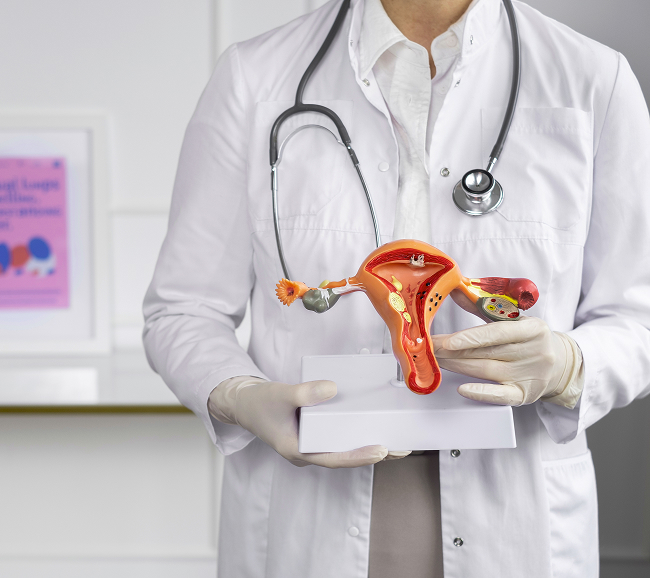
The process of vaginal wall prolapse occurs sequentially. Initially, the anterior wall descends, followed by the posterior wall. Gradually, the tissues lose elasticity, pulling adjacent organs in with them. The final stage is complete prolapse of the uterus, followed by sagging muscles. This is most pronounced in advanced cases, when the loss of tone reaches its peak and the uterus is exposed.
The severity of the disorder is determined by the position of the organs relative to the vagina:
- First, the cervix is located slightly below the midline, not reaching the center of the vagina.
- Second, the prolapse extends to the very entrance to the vagina, affecting both the cervix and the walls.
- Third, the walls and cervix leave the vaginal opening, leaving the body of the uterus partially submerged.
- Fourth, the uterus and walls extend entirely beyond the vaginal opening.
Early diagnosis and careful attention to your own health will help stop this process and avoid serious consequences.
Complications after vaginal wall prolapse
With this condition, stagnant urine due to improper drainage becomes a breeding ground for bacteria, which can cause bladder inflammation. Cystitis caused by vaginal wall prolapse is difficult to treat because accumulated urine prevents the normal drainage of fluids.
Bacteria can migrate up the urinary tract, penetrating the kidneys and causing a serious inflammatory disease called pyelonephritis. If acute urinary retention occurs, a permanent device, a Foley catheter, is required to prevent recurrence and restore normal urination.
Ignoring the problem inevitably leads to a worsening of the situation. The uterus begins to descend further, extending beyond the vagina. This negatively impacts overall well-being, leading to persistent genital infections and the formation of ulcers on the vaginal mucosa. At the same time, the coordination of the muscles involved in defecation is disrupted, greatly complicating the process of bowel cleansing.
Diagnosing vaginal wall prolapse
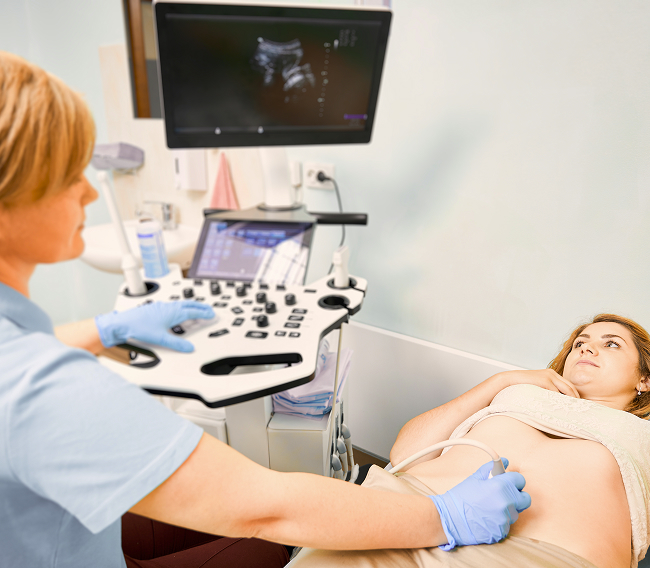
During the consultation, the specialist first gathers a complete picture of the patient's health, asking clarifying questions and obtaining details of her medical history. Next, a manual examination is performed using a special instrument—a speculum—to visually assess the location and extent of the internal organs. The doctor gently palpates the cervix and examines the vaginal mucosa, checking for mobility and recording any changes.
To make an accurate diagnosis, additional diagnostic procedures are often necessary. These include:
- Ultrasound diagnostics, which allows for precise visualization of the location of organs
- Excretory examination, including the administration of a contrast agent and subsequent X-ray, which provides a clear picture of the functioning of the kidneys and excretory system.
If an advanced stage of the disease is detected, involving adjacent organs, the opinion of specialized specialists is required to develop an optimal treatment plan and prevent further complications.
Treatment methods for vaginal wall prolapse
The treatment approach depends on the individual patient's characteristics, including their age and reproductive capabilities. When young women seek medical attention, the primary focus is on preserving fertility and enhancing sexual pleasure. For older women, the priority is improving overall well-being and eliminating discomfort.
Conservative treatment methods
Women experiencing the early stages of vaginal wall prolapse can benefit from a comprehensive treatment approach aimed at preventing further progression of the condition. These methods include:
- Kegel muscle training. These exercises focus on sequential contraction and subsequent relaxation of the pelvic floor muscles.
- Physical exercise according to the Atarbekov program. This method includes a variety of movements aimed at strengthening the pelvic muscles and the anterior abdominal wall.
- A special diet. This diet is designed to combat constipation, which improves overall health.
- Hormone replacement therapy. Estrogen-containing medications are prescribed in combination with other treatments.
- Use of a gynecological pessary. A soft material device is inserted into the vagina to support the internal organs.
A properly selected combination of treatments can slow the progression of prolapse and improve patients' quality of life without surgery.
Surgical treatment
There are several types of surgical procedures used to correct vaginal wall prolapse:
- Colpoperineorrhaphy. This procedure involves joining the tissues of the posterior vaginal surface and strengthening the adjacent muscles.
- Colporrhaphy. This surgical procedure aims to correct the position of the vaginal walls, returning them to their original position.
- Anterior colporrhaphy. The goal of this procedure is to return the bladder to its natural position by reconstructing the anterior vaginal wall.
- Colpoperineocleisis. This procedure is intended for cases of severe prolapse. During the procedure, the surgeon reduces the volume of the vagina, creating a small gap to maintain sexual intercourse.
- Ventrosuspension. This technique is effective for uterine displacement. The organ is fixed in the correct position, sometimes with partial or complete removal of the affected areas.
- Vesical interposition. The procedure is indicated when the anterior vaginal wall is completely protruding or there is significant misalignment of the pelvic organs.
Such interventions rarely result in serious consequences, although some complications are possible. Risks include bleeding, scar tissue formation, infection, and injury to nearby organs.
General information
Prevention vaginal wall prolapse
To minimize the risk of developing this condition, it is important to:
- Regularly perform specific exercises to strengthen the pelvic floor muscles.
- Try to avoid situations involving moving heavy loads and prolonged periods of immobility.
- Monitor your weight, trying to maintain a healthy body mass index.
- Promptly identify and treat pelvic inflammation.
- Lead an active lifestyle, avoiding overexertion and extreme sports.
- Include therapeutic exercise in your postpartum recovery to normalize muscle tone.
- Be sure to have annual gynecological examinations, especially starting at age 40.
Following these simple rules will significantly reduce your chances of experiencing vaginal prolapse and its potential consequences.

Why vaginal wall prolapse is best treated at K+31
If you are experiencing problems with vaginal wall prolapse, we recommend contacting the K+31 Clinic. Our advantages:
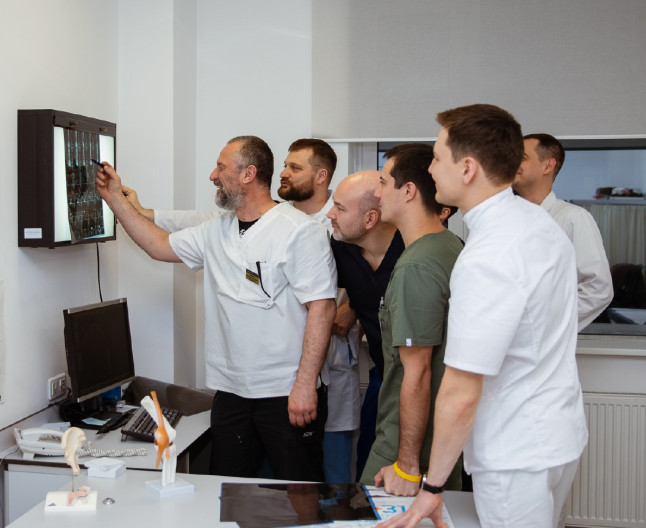
- The clinic's doctors have extensive experience working with patients facing vaginal wall prolapse.
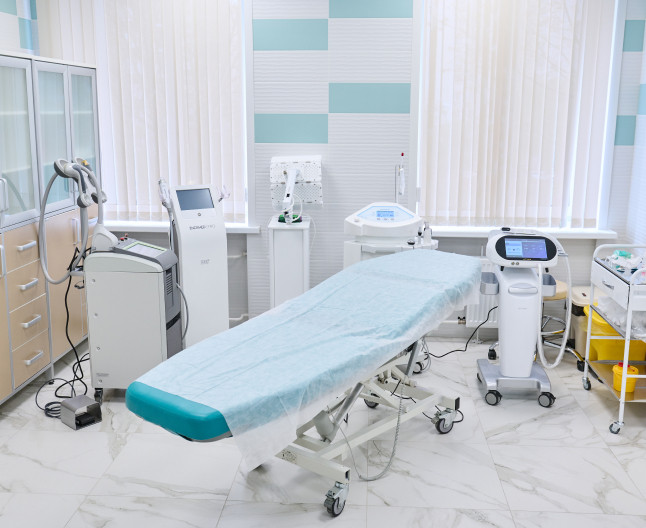
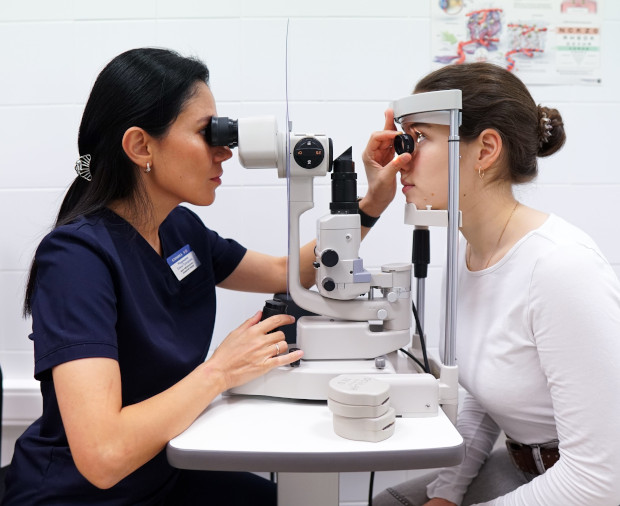
- Modern equipment allows for accurate diagnosis and identification of the cause of the problem.
- The clinic offers a cozy and welcoming atmosphere—we care about your comfort.
- We use advanced, safe treatment methods that have proven their effectiveness in practice.
The K+31 Clinic staff will do everything possible to quickly restore your health and help you return to a full life.
Vaginal prolapse treatment prices in Moscow
The cost of treating a pathology in the capital is determined by several key factors:
- The method of diagnosis and treatment – the choice of a specific medical strategy has a direct impact on the price.
- The stage of the disease – early detection and timely initiation of therapy ensure minimal financial investment.
- Additional services – the cost increases when including consultations with related specialists, additional laboratory tests, etc.
It is important to understand that the exact cost of treatment is determined only after a comprehensive examination and agreement on an action plan with the patient. The cost of an obstetrician-gynecologist appointment at the K+31 clinic starts at 6,300 rubles. You can find out the approximate cost of a full treatment by calling +7 (495) 104-49-42, downloading the price list, or visiting the doctor at K+31.
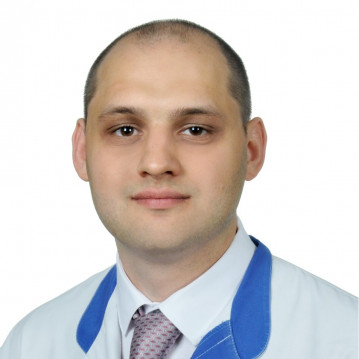
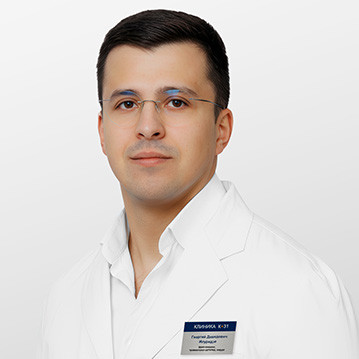
Our doctors
























































This award is given to clinics with the highest ratings according to user ratings, a large number of requests from this site, and in the absence of critical violations.

This award is given to clinics with the highest ratings according to user ratings. It means that the place is known, loved, and definitely worth visiting.

The ProDoctors portal collected 500 thousand reviews, compiled a rating of doctors based on them and awarded the best. We are proud that our doctors are among those awarded.
Make an appointment at a convenient time on the nearest date
Price
Other services

Appointment to the doctor
Reviews













Our clinics


Application “Personal Account K+31”












What is vaginal wall prolapse?
Prolapse of the pelvic organ is characterized by its abnormal downward displacement, which can lead to prolapse of the vaginal walls. Prolapse is accompanied by abnormal positioning of the uterus and is classified as a specific defect of the supporting structures of the pelvic floor.
The first signs of the disease include an unpleasant sensation of a foreign body in the genital area and discomfort in the genital area. Over time, the symptoms worsen, leading to problems with defecation, urinary incontinence, and lower abdominal pain.
Experts distinguish two types of vaginal wall displacement:
Diagnosis is made through a medical history and a physical examination by a gynecologist. The initial stage of prolapse is treated with medication, but in severe cases, surgery is required to restore normal tissue structure.