
Removal of leg bones (surgery)
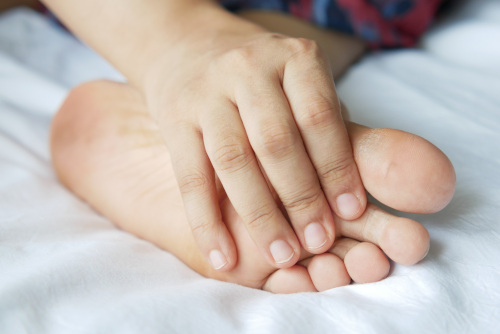
Hallux valgus deformity of the big toe, or the bones on the legs, is a pathological condition that causes not only an aesthetic defect, but also physical discomfort, pain, and limited mobility. According to statistics, this problem occurs 2-3 times more often in women than in men. This trend is due to weaker ligaments, wearing uncomfortable shoes, and hormonal changes during pregnancy and menopause. The most effective treatment is surgery to remove a bone in the leg.

specialists

equipment

treatment






Classification and stages of development of deformity of the big toe
The angles of deformation are distinguished by:
- HVA is the angle between the axis of the first metatarsal and the proximal phalanx of the thumb
- IMA is the angle between the axes of the first and second metatarsal bones
Measuring angles is the most objective method of assessing the degree of pathology. They allow the doctor to choose the optimal treatment strategy, to track the dynamics of changes after therapy or surgery. The higher the angle values, the more pronounced the functional disorders of the foot.
There are 3 degrees of finger deviation:
- Light — HVA does not exceed 20°, IMA — up to 11°
- Average — HVA ranges from 20-40°, IMA — up to 11°
- Severe — HVA exceeds 40 °, IMA — more than 18°
With a mild form, orthopedic correction is sufficient. In moderate and severe cases, surgical intervention is required.
Due to the development, the following types of deformity are distinguished:
- Static — occurs due to flat feet, weakness of the ligamentous apparatus, wearing tight shoes
- Congenital (constitutional) — genetic predisposition
- Post—traumatic - after injury to bones and joints
- Neurogenic — in violation of innervation and muscle balance
- Metabolic — in gout, rheumatoid arthritis
According to clinical manifestations, pathology passes through 4 stages:
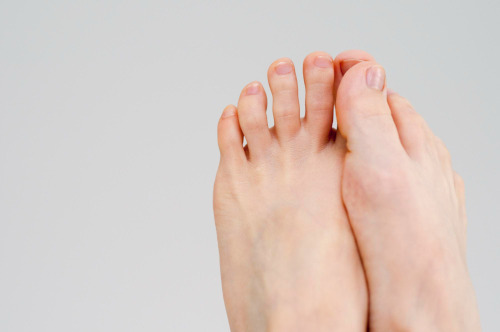
- The initial one. There is a slight displacement of the thumb, slight soreness when walking, redness of the skin at the base of the finger
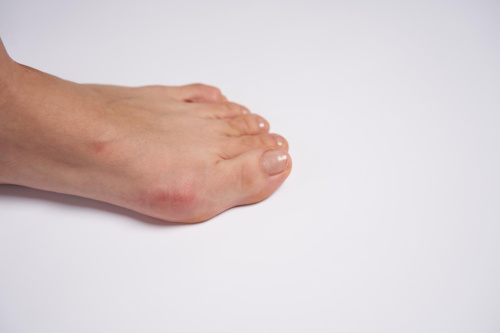
- Developing deformity. A bony protrusion forms, constant pain appears, inflammation of the mucous sac (bursitis), and gait changes
- Pronounced deformation. The finger deviates noticeably, the load distribution is disrupted, calluses and corns form
- It's late. It becomes impossible to wear ordinary shoes, severe pain syndrome, chronic inflammation, and arthrosis of the 1st metatarsophalangeal joint are noted
Without treatment, deformity of the thumb leads to progressive deterioration of the foot: gradual destruction of articular structures, decreased ability to work and quality of life of the patient.

With a static form, it is important to strengthen the ligamentous-muscular system and choose the right shoes. It is important for people with a congenital predisposition to pay attention to early prevention of deformity. In case of post-traumatic pathology, physiotherapy procedures, massage, and physical therapy are prescribed. Neurogenic deformity requires treatment of the underlying neurological disease. Orthopedic devices are used to stabilize the foot and correct gait. In case of metabolic deformity, treatment is aimed at normalizing metabolism, controlling uric acid levels, and reducing stress on the metatarsophalangeal joint
Indications for surgery
Surgery on the thumb bone is performed in cases where conservative therapy has no effect and the deformity continues to progress. Among the indications:
- Change in gait, inability to lean on the foot
- Rapid fatigue when walking
- Secondary deformations of neighboring fingers
- Swelling, redness in the area of the bone protrusion
- Chronic bursitis
- Recurrence of deformity
Contraindications to surgery
The removal of bones on the legs is not carried out under the following restrictions:
- Acute infectious diseases
- Heart attack, decompensated heart failure
- Bronchial asthma in the acute stage
- Coagulopathies, hemophilia, thrombocytopenia
- Taking anticoagulants without the possibility of safe withdrawal
- Purulent infections of the skin and soft tissues of the foot
- Osteomyelitis
- Severe mental disorders
Surgery is also contraindicated in patients with chronic foot ischemia, severe varicose veins, and diabetic angiopathy. Insufficient blood supply slows down regeneration, increases the risk of skin necrosis and infection.
Types of operations for deformity of the big toe
Operation with screws
It is prescribed for moderate and severe deformity. During the intervention, the bone is cut, its fragments are shifted to the desired position, fixed with screws to fuse in the correct position. The operation allows you to restore the anatomy of the foot, improve the load distribution when walking, and reduce pain.
Knitting operation
It is performed for mild to moderate pathology. After correcting the bones of the foot, the position of the finger is fixed with thin metal spokes that are brought out through the skin. They hold the bones until they are completely healed (within 4-6 weeks). Surgery is considered less traumatic than with screws, and is often used in adolescents and young patients with soft bones.
Laser bone removal
It is performed with a mild form of deformation. It involves pinpoint removal of a lump using a laser. It does not require significant dissection of soft tissues, provides a rapid healing process, and reduces the risk of complications.
General information
Preparation for surgery
Before removing a lump, it is important to prepare for the intervention. The general rules of preparation include:
- Consultation with an orthopedic surgeon. The doctor examines the foot, evaluates the degree of deformity, and discusses possible options for surgery X-ray and instrumental diagnostics. To measure the angles of HVA and IMA, an X-ray of the foot is performed in straight and lateral projections. If necessary, computed tomography is required to study the bone structure
- Laboratory tests. To assess the general condition, a general and biochemical blood test, a coagulogram, a general urinalysis, and an ECG are prescribed. In the presence of chronic diseases, consultation with a cardiologist, endocrinologist, neurologist, rheumatologist is required
- Hygienic treatment of the foot 1-2 days before surgery. Skin treatment with antiseptics on the day of the intervention
Careful preparation ensures the safety and effectiveness of the operation, facilitates and accelerates rehabilitation.

Prices for surgery for deformity of the big toe
The price of the intervention depends on the degree of deformity, the chosen method of correction, the amount of intervention and the need for additional procedures. Anesthesia and the length of stay at the clinic also affect the cost.
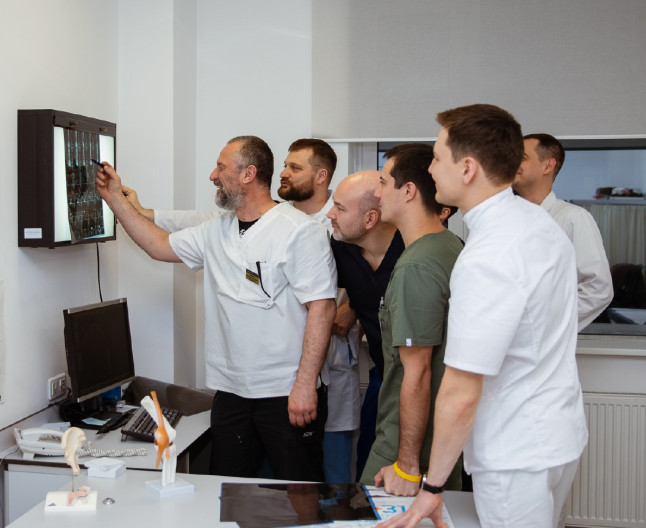
You can have an operation in Moscow at the K+31 clinic. Experienced orthopedic surgeons use low-trauma techniques in their work that minimize soft tissue damage and shorten the rehabilitation period. You can check the current prices in the price list on the website.
Our doctors


























































This award is given to clinics with the highest ratings according to user ratings, a large number of requests from this site, and in the absence of critical violations.

This award is given to clinics with the highest ratings according to user ratings. It means that the place is known, loved, and definitely worth visiting.

The ProDoctors portal collected 500 thousand reviews, compiled a rating of doctors based on them and awarded the best. We are proud that our doctors are among those awarded.
Make an appointment at a convenient time on the nearest date
Price
Other services

Appointment to the doctor
Reviews













Our clinics


Application “Personal Account K+31”












Causes and risk factors of deformity of the big toe
The deformation occurs against the background of the following reasons:
The risk of developing pathology increases with a hereditary predisposition, frequent wearing of high-heeled shoes and with a narrow nose. Excess weight also leads to deformation, which creates additional stress on the joints of the feet. Finger bones are often diagnosed in people whose work involves prolonged stress on the lower extremities.