
Treatment of a broken finger
Finger injuries are one of the most common upper extremity injuries. Although a fracture may seem minor, it can seriously limit hand movement and impact quality of life. To restore normal hand function, it is important to recognize the injury promptly and begin proper treatment under the supervision of a traumatologist.

specialists

equipment

treatment





Causes and risk factors
A finger fracture can occur in a variety of situations, from everyday incidents to serious injuries. To understand how to prevent injury and choose the right treatment, it's important to understand what causes a fracture and what circumstances increase the risk.
Main causes of fracture
The main cause is mechanical trauma. Most often, a finger fracture occurs due to:
- Falling on an outstretched hand
- Hitting the hand with a heavy object
- Pinching a finger in a door or mechanism
- Direct impact during sports (football, basketball, boxing)
- Traffic accidents
A fracture with or without displacement of the fragments is possible. In severe cases, the bone may be shattered, requiring surgery.
Provocative factors
There are a number of factors that increase the risk of fracture:
- Age-related changes – decreased bone density in older people
- Calcium and vitamin D deficiency, osteoporosis
- Chronic joint diseases
- Professional and sports activities that frequently impact the finger
- Unsuccessful falls in children, who are active and often injured
It is important to remember: the sooner a person seeks medical attention, the higher the likelihood that treatment will be successful without surgery and long-term casting.
Fracture classification
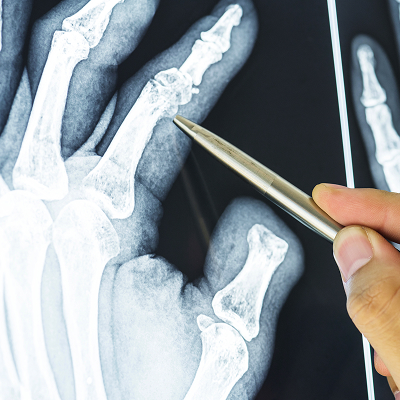
Finger fractures vary by the nature of the injury, the position of the bone fragments, and the condition of the soft tissues. This classification helps the doctor choose the optimal treatment method and accurately determine the prognosis for restoration of hand function.
Types of fractures
By the nature of the bone injury, finger fractures are classified as:
- Closed – the skin is intact, the fragments are not visible. This is the most common type of injury.
- Open – the skin is damaged, bleeding is possible, and bone fragments are visible. Immediate care and wound treatment are required.
- Non-displaced fracture – the phalanx maintains its correct position, the bone lines align.
- Displaced fracture – the fragments are displaced, disrupting the axis of the finger, leading to deformation and shortening.
- Comminuted (multi-comminuted) – several small fragments are formed.
- Subperiosteal – typical in children: the periosteum is intact, but the bone tissue is damaged.
There are also fractures of the distal, middle, and proximal phalanges. Damage to the distal portion is the most severe – it causes severe pain, swelling, limited motion, and often requires the use of a special bandage or fixation.
Symptoms and diagnosis
After an injury, it's important to correctly recognize the signs of a fracture so you can seek medical attention promptly. Clinical symptoms allow a doctor to suspect a phalanx injury and determine the need for X-rays or other tests.
Clinical symptoms
The main symptom is sharp pain in the finger, which intensifies with movement. Other symptoms include:
- Swelling and redness of the skin
- Change in shape – the finger may appear shortened or crooked
- Difficulty flexing and extending
- Audible crunching at the moment of injury (crepitus)
- Limited mobility of the entire hand
An open fracture creates a wound through which a bone fragment is visible. Sometimes the nail bed is damaged, causing a bruise under the nail.
Additional symptoms
Some patients report numbness and loss of sensation, which indicates nerve injury. Bluish discoloration of the skin and severe swelling, spreading to adjacent fingers, are also possible. In severe cases, the finger "droops" and becomes inactive.
First aid for a fracture
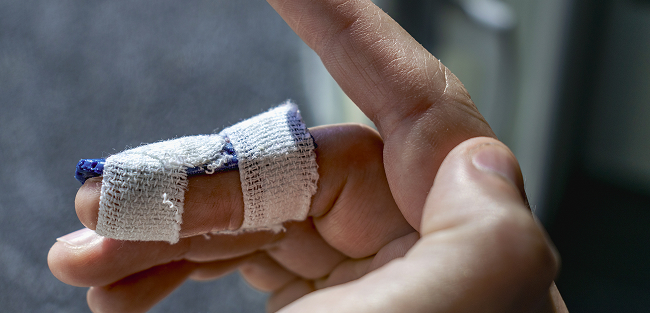
First aid for a broken finger involves proper immobilization and pain relief. The following is a suggested treatment:
- Immobilize the finger
- Apply cold
- Treat the wound (for an open fracture)
- Do not attempt to straighten the finger yourself.
- Consult a traumatologist.
Diagnostic methods
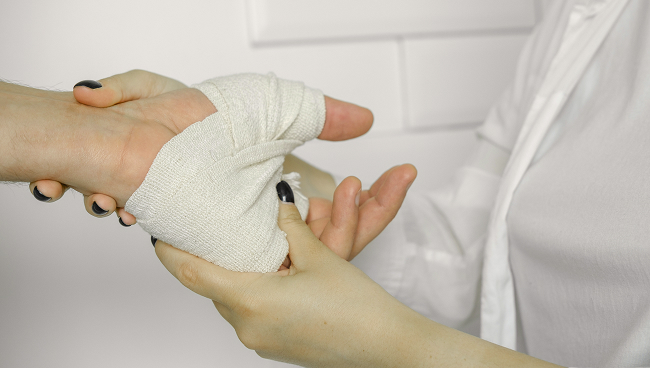
To establish an accurate diagnosis, the following is used:
- Examination by a traumatologist. The doctor assesses the position of the finger, the presence of swelling, and joint mobility.
- Radiography. The primary method for visualizing the fracture line and displacement.
- Computed tomography (CT). Used for complex, comminuted phalanx fractures.
- MRI of the hand. Helps identify damage to soft tissues and ligaments.
Based on the diagnostic results, the doctor decides whether a cast is sufficient or surgery is required.
Methods for treating a finger fracture
Treatment for a finger fracture is individualized, depending on the nature of the injury, the degree of displacement, and the condition of the tissue. The doctor's primary goal is to restore the proper position of the bone fragments, ensure their healing, and restore normal mobility to the finger. Treatment options include conservative and surgical.
Conservative treatment
This method is used for uncomplicated, non-displaced fractures. After confirming the diagnosis, the doctor applies a plaster cast or a modern plastic splint to immobilize the finger in a physiological position.
Immobilization lasts an average of 3-4 weeks; slightly less for a distal phalanx fracture, and longer for a proximal phalanx fracture. It is important not to remove the cast prematurely, as incomplete bone healing can lead to a recurrence of the fracture or deformity.
During treatment, the patient undergoes follow-up X-rays so the doctor can assess the healing process. For severe swelling, painkillers and anti-inflammatory medications, physical therapy, and UHF are prescribed.
Repositioning with displacement
If the finger fracture is displaced, the traumatologist performs manual reduction—aligning the bone fragments under local anesthesia. A cast is then applied to the mid-forearm, immobilizing the injured finger and adjacent phalanges.
A follow-up x-ray is taken immediately after the procedure. If the dislocation persists, the doctor may recommend surgery.
Fracture surgery
For complex injuries, when bone fragments cannot be repositioned conservatively, surgical treatment is indicated.
Main types of surgeries:
- Kirschner osteosynthesis – Thin metal pins are inserted through the phalanx, securing the fragments. After the bone has healed, the pins are removed.
- Miniplate and screw fixation – Used for comminuted fractures and injuries with significant displacement. Allows for precise restoration of the anatomical shape of the phalanx and joint.
- Intra-articular osteosynthesis – Used for injuries to the articular surfaces, especially on the thumb, where movement is crucial for the function of the entire hand.
The surgery is performed under local anesthesia, sometimes with a nerve block. After fixation, the doctor applies a light plaster cast, and the patient is monitored as an outpatient.
Rehabilitation after surgery takes 4-6 weeks. With proper surgical technique, finger movement is fully restored.
General information
Rehabilitation and recovery
After the cast or pins are removed, a key stage begins – restoring hand function. Neglecting this can lead to joint stiffness and impaired fine motor skills.
Key stages of rehabilitation:
- Physical therapy (exercise therapy) – Special exercises to restore mobility. First, flexion and extension without weight bearing, then with a ball and rubber rings.
- Physical Therapy – Magnetic therapy, electrophoresis, UHF, and paraffin applications promote rapid bone healing and reduce swelling.
- Wrist Massage – Improves circulation, prevents contractures.
- Medicational Support – Calcium, vitamin D, and chondroprotectors for bone tissue restoration.
Full recovery of function with an uncomplicated finger fracture takes 4 to 8 weeks. With a displaced fracture or surgery, it can take up to 10–12 weeks.
The doctor recommends temporarily limiting weight bearing and avoiding strong impacts and hypothermia.

Prices for treating a broken finger in Moscow
The cost of treating a finger fracture in Moscow depends on the severity of the injury, the chosen fixation method, and the need for surgery. At the K+31 Clinic, the price is determined individually after a consultation with a traumatologist and an X-ray.
The average cost includes:
- Initial doctor's appointment – from 2,500 rubles.
- Hand X-ray – from 1,500 rubles.
- Plaster cast or plastic orthosis application – from 3,000 rubles.
- Repositioning for a displaced fracture – from 6,000 rubles.
- Osteosynthesis of the phalanx (surgery with pins) – from 20,000 rubles.
- Miniplate installation – from 35,000 rubles.
- Physiotherapy and rehabilitation course – from 5,000 rubles.
The final price depends on the number of injured fingers, the nature of the fracture (open, closed, or displaced), and the need for a hospital stay.
The K+31 Clinic works with both private patients and those with voluntary health insurance policies. When you contact us, you can receive a consultation about payment options and a personalized treatment plan.
A finger fracture is an injury that requires attention and accurate diagnosis. Even a minor blow to the hand can cause bone damage, displacement of fragments, and limited mobility.
Modern treatment methods used at the K+31 clinic allow for quick and uneventful restoration of bone anatomy and restoration of hand function. Here, patients receive a full range of care:
- Diagnostics (X-ray, CT scan, MRI of the hand)
- Consultation with a traumatologist and surgeon
- Conservative or surgical treatment
- Rehabilitation with physiotherapy and exercise therapy
Thanks to modern equipment, the experience of our doctors, and a personalized approach, treatment for a finger fracture with or without displacement at K+31 is as comfortable and effective as possible.
If you have been injured, are experiencing pain, or suspect a fracture, don't delay your visit. The sooner treatment begins, the higher the chance of fully regaining hand mobility and avoiding complications.
Fracture prevention

A broken finger is an injury that is often preventable. To reduce the risk of hand bone damage, follow these simple guidelines:
- Be careful during physical activity. When playing sports, wear protective gloves and wrist wraps.
- Strengthen your bones. Regularly include foods rich in calcium and vitamin D in your diet: dairy products, fish, and leafy greens.
- Monitor your joint health. If you experience chronic pain or stiffness, consult a doctor – this can help detect osteoporosis or arthritis early.
- Avoid falls and impacts. Injuries often occur at home, such as an unfortunate blow or a jammed door. Monitor your movements, especially on slippery floors and stairs.
- Get preventative screening. If you experience frequent injuries or feel your bones are fragile, it's worth getting a bone density test.
Simple preventative measures can help maintain hand health and avoid finger fractures, which can lead to long-term loss of hand function.
FAQ
How long does it take to regain mobility?
The recovery period depends on the severity of the fracture.
- For a non-displaced fracture, the cast is removed after 3-4 weeks, and movement is restored within 7-10 days after the cast is removed.
- For a displaced fracture or surgery involving the insertion of pins, rehabilitation takes up to 8-10 weeks.
- If the nail phalanx is damaged, movement returns more quickly, but decreased sensitivity in the nail may remain for some time.
The doctor will develop an individualized program of exercise therapy, physiotherapy, and exercises to restore full hand mobility.
What to do if left untreated?
Failure to seek medical attention after an injury can lead to serious consequences:
- Malunion of the phalanx bones
- Limited finger movement
- Chronic pain and deformity of the hand
- Pseudarthrosis
- Constant sensitivity to cold or stress
Self-applying a bandage or attempting to straighten the finger without X-ray control often leads to secondary displacement of the fragments, which requires subsequent surgery.
Therefore, if you suspect a finger fracture—even if the pain is moderate—you should consult a traumatologist and have your hand X-rayed.
Our doctors


























































This award is given to clinics with the highest ratings according to user ratings, a large number of requests from this site, and in the absence of critical violations.

This award is given to clinics with the highest ratings according to user ratings. It means that the place is known, loved, and definitely worth visiting.

The ProDoctors portal collected 500 thousand reviews, compiled a rating of doctors based on them and awarded the best. We are proud that our doctors are among those awarded.
Make an appointment at a convenient time on the nearest date
Price
Other services

Appointment to the doctor
Reviews




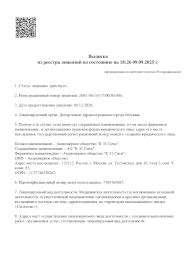
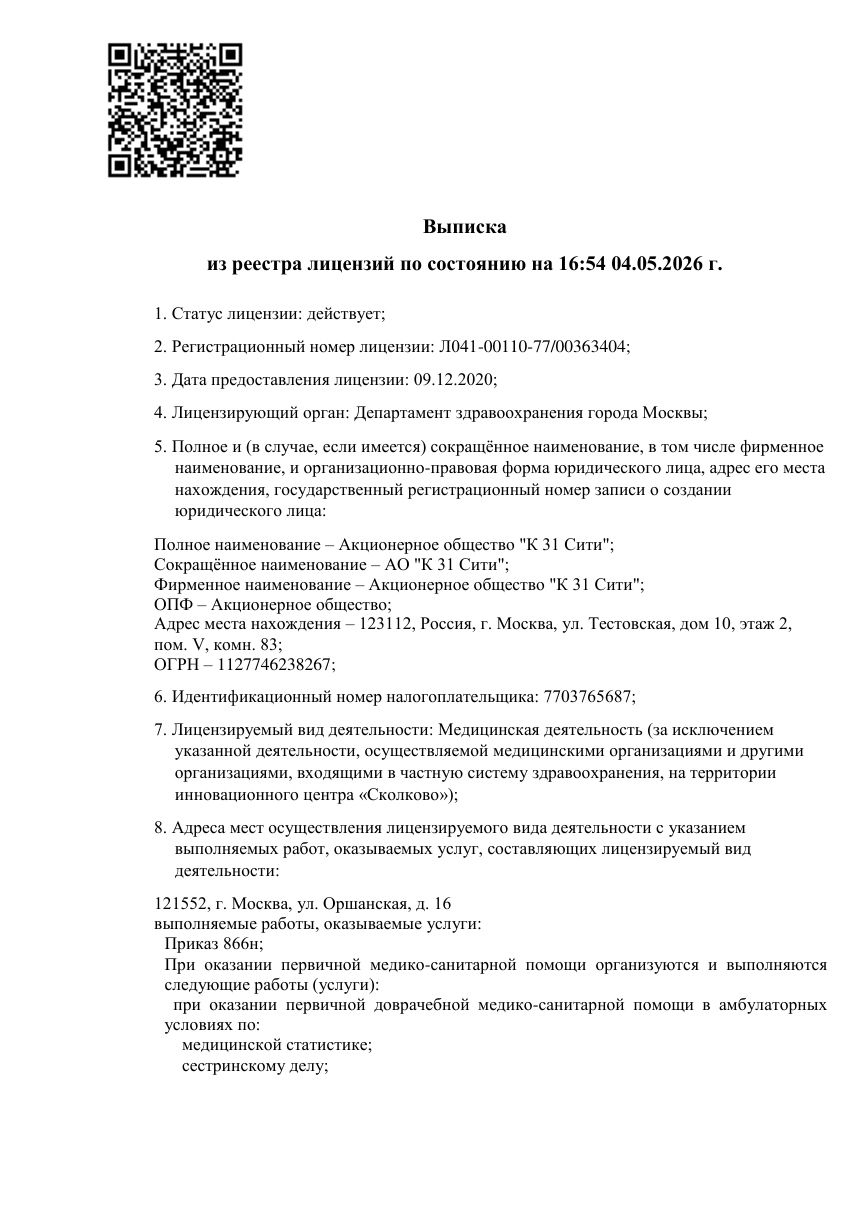
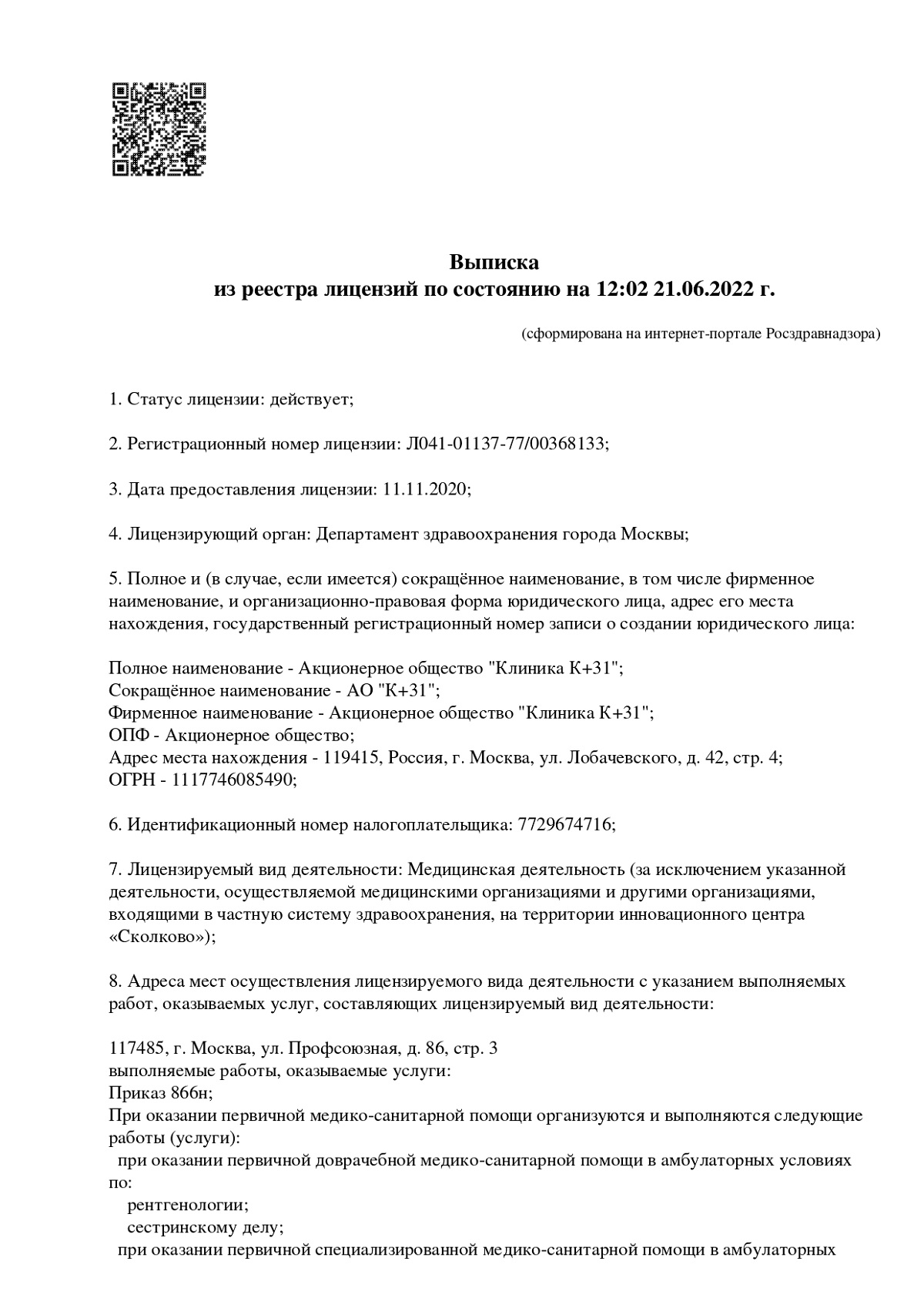
Our clinics


Application “Personal Account K+31”












General information about finger fractures
A finger fracture is one of the most common upper limb injuries. Phalangeal injuries occur due to a fall, a blow to the hand with a heavy object, or an awkward movement during sports or everyday activities. Despite the small size of the bone, a fracture can significantly limit hand mobility and cause severe pain.
Fingers consist of three phalanges: the proximal, middle, and distal. The exception is the thumb, which has two phalanges. Any of them can be damaged. A traumatologist distinguishes between closed and open fractures, with and without displacement. Proper and timely treatment determines how quickly hand function and precision are restored.
A phalanx injury requires professional diagnosis. Even a small bone fragment, if displaced, can disrupt tendon movement, leading to finger curvature and permanent limitation of hand function.