Prostate adenoma removal surgery

Prostate adenoma is one of the most common diseases of the male genitourinary system. The likelihood of its occurrence increases with age. According to statistics, at 60 years of age, the disease occurs in about 50% of men, and after 70 years, the figure reaches 80%. Adenoma develops quickly and in advanced conditions requires surgical intervention. The surgery center of the K+31 clinic diagnoses and treats prostate pathologies using advanced technologies. Low-trauma surgeries are performed on an outpatient basis and require a minimum rehabilitation period.

Best
specialists
Expert
equipment
Advanced diagnostic
treatment
Sign up
Fill out the entry form on the page and we will call you back
Sign up Позвонить
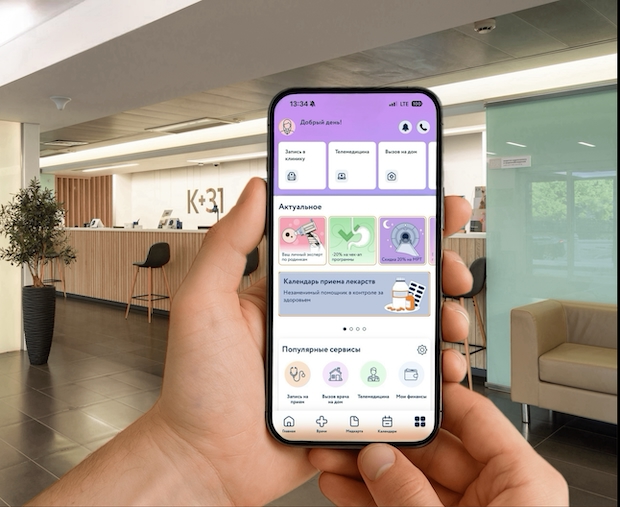
Download the application “Personal Account K+31”
Everything about your health in one click!
Subscribe to social networks K+31
To keep up to date with current offers and receive useful advice about your health.

Why you should see a doctor if you have prostate adenoma

The prostate is an accessory sex gland and is normally small in size. It is located at the bottom of the bladder and covers the space around the base of the penis. The communicating channels of the prostate gland have an outlet into the bladder and urethra. The main function of the organ is to secrete a secretion to liquefy the ejaculate under the influence of androgenic hormones and to maintain reproductive function.

Prostate adenoma is a benign neoplasm that consists of overgrown prostate tissue. The tumor rarely develops into a malignant one, but it leads to disruption of the male genitourinary system and is dangerous due to the risk of complications.

If you ignore and do not treat the problem, the following conditions are possible:

  • Compression of the urethra with its complete blockage and the inability to urinate
  • Urolithiasis
  • Inflammation of the bladder, prostatitis, cystitis
  • Addition of a bacterial infection
  • Backflow of urine, which leads to the development of pyelonephritis
  • Severe renal failure, up to complete failure of the kidneys

Hyperplasia of the prostate gland also disrupts sexual function. Erection becomes difficult, and constant urge to urinate causes nervous disorder and reduces quality of life.

Timely visit to a urologist allows you to detect the problem at the initial stages and treat it with medication. If the prostate is greatly enlarged, medication alone will not do, surgery is prescribed. It helps to stop its growth and get rid of the problem once and for all. Modern methods of prostate removal show high efficiency and guarantee the absence of relapse.

Why you should see a doctor if you have prostate adenoma

Prostate adenoma: causes and symptoms
Causes of prostate adenoma development

Hyperplasia with tissue proliferation of the prostate gland can occur in both elderly and young men. The causes of the disease will be different, and the main symptoms affect the urinary system.

The main prerequisites that contribute to the development of the disease can be divided into two groups:

  • Hormonal disorders. They appear with age against the background of a decrease in the level of testosterone hormones, an increase in prolactin and estradiol. They occur in men after 50-60 years. Hormonal imbalance provokes chaotic cell division and an increase in the glandular epithelium in size
  • Chronic inflammatory processes in the pelvic organs and urinary system. Violation of the outflow of urine and infections in the bladder provoke prostatitis, which can lead to hyperplasia. This factor is most often the cause of the disease in young men (over 40 years old)

Risk factors for the development of prostate adenoma also include heredity, a sedentary lifestyle and endocrine disorders.

Until now, scientists have not been able to determine exactly what provokes the proliferation of glandular epithelium of the prostate, but there is a clear relationship with hormonal imbalance and blood circulation in the pelvis. The likelihood of adenoma is higher in men who have close relatives with a similar problem, as well as after infectious and inflammatory diseases of the genitourinary system.
Symptoms of prostate adenoma

Prostatic hyperplasia goes through three stages in its development. As the tissue grows, the compression of the urethra increases, leading to characteristic symptoms that can be used to suspect adenoma.

Adenoma symptoms depending on the stage:

  • Initial. The gland is slightly enlarged, but does not compress the canal. There are no symptoms. At an early stage, the disease can be detected by chance, during a routine examination by a urologist
  • Compensated. The urethral canal is compressed, urination is difficult, the tissues of the bladder grow. The main symptom is frequent urge to urinate at night, intermittent stream, you have to strain for complete emptying
  • Subcompensated. The muscles of the bladder are hypertrophied, the sphincter works worse, the urine cannot come out completely. After visiting the toilet there is a feeling of incomplete emptying. Erectile function is impaired
  • Decompensated. The bladder walls are stretched, the urethra is blocked. Urination is dripping with leakage. Acute urinary retention syndrome develops, which leads to irreversible changes in the kidneys
At the early and compensated stage, the disease is successfully treated with medications and lifestyle changes. At later stages, urinary retention becomes the main severe symptom and requires surgical intervention.

Symptoms that should be a reason to see a doctor for examination:

  • Urination takes longer, you need to strain to completely empty the bladder
  • Urine has become cloudy, sometimes with blood streaks
  • At night and in the morning, the urge to go to the toilet is more frequent than during the day
  • After emptying the bladder, pain, burning, or a feeling of incomplete emptying of the bladder are felt
  • During ejaculation, there are unpleasant sensations in the penis

General symptoms such as dry mouth, weakness, loss of appetite, frequent constipation may also be of concern.

Important! At an advanced stage of prostate adenoma, the patient constantly feels the need to urinate, but cannot urinate. Urine flows in drops or is absent altogether. In this case, it is necessary to urgently go to the clinic for hospitalization and installation of a catheter. Any delay can cause acute pyelonephritis and lead to death.

Methods of removing prostate adenoma

Previously, prostate tumors were removed using the classic open method. Modern medical technologies allow for minimally invasive surgeries, which significantly reduces the risk of complications and the recovery period. After prostatectomy, the patient returns to normal life, restores sexual function, and engages in physical activity. Each method has its own characteristics and a list of indications/contraindications.

Transurethral surgery (TUR)

Involves inserting microsurgical instruments through the urethra without external incisions or punctures. The technique is effective and in demand. It is indicated for removing tumors of various sizes.

Proceedings of the operation:

  • The doctor inserts the endoscopic tube through the urethra of the penis and advances it to the bladder. At the end of the endoscope there is a backlight, optics and a camera that displays the image on the screen
  • After removing residual urine from the bladder, the doctor dissects the glandular tissue using a knife with an electric loop. Fragments of the epithelium are brought out through the endoscope tube
  • The endoscopic equipment is removed from the urethra, a urinary catheter is installed. Through it, the area of the operation is washed and urine is drained on the 2-3 day

During the operation, the surgeon monitors the movement of the electric knife on the screen, which allows him to control the volume of work and not affect adjacent tissues. The electric knife enucleates the adenoma and simultaneously “seals” the tissue vessels, which minimizes blood loss. The method is a modern alternative to laparoscopic or open surgery.

Laser enucleation

It is considered the "gold standard" for adenomectomy. Surgical equipment is inserted to the site of pathology through the urethra, as in the previous method. The excision instrument is a holmium laser.

Procedure of the operation:

  • Installation of endoscopic equipment through the urethra of the penis
  • Excision of altered tissues with a laser knife and their removal to the bladder under video surveillance using a resectoscope
  • Introduction of a morcellator into the bladder to crush tumor fragments and remove them using the suction function
  • Installation of a urinary catheter and rinsing of the operated area

Using optical magnification and a laser, it is possible to excise the damaged gland with extreme precision without affecting healthy cells. The laser heats the tissue and "seals" the damaged vessels, which eliminates bleeding and the risk of infection. The technique allows for the removal of a large overgrown gland. Suitable for diabetics and patients with impaired blood clotting.

Laparoscopic intervention

It provides access to the tumor through punctures in the peritoneum, after the operation there are small (1 cm) scars. The gland is removed using a microscopic scalpel.

Proceedings of the operation:

  • Punctures in the peritoneum in several places and installation of endoscopic equipment
  • Insertion of a scalpel through the endoscope, tissue dissection and their extraction through the tube. Stopping bleeding by diathermoregulation (cauterization)
  • Installation of a urinary catheter and washing of the surgical site
  • Removal of endoscopic equipment and suturing

Laparoscopy can be performed both manually and using robotic technology. This method is not suitable for patients with blood clotting disorders and autoimmune pathologies. It is used in cases where the introduction of instruments transurethrally is impossible.

Vaporization method

A laser beam of light is used to remove the enlarged gland, which heats the tissue and evaporates moisture from it. During the treatment, cells are removed in millimeter-sized layers. First, the middle lobe is treated, then the lateral ones, and so on until the pathological focus has completely “disappeared.” The laser is inserted through a tube in the urethra, without external damage to the skin or mucous membranes.

Unlike laser resection, vaporization involves more thorough surface treatment, and there is no need for additional grinding or removal of contents. The technique is bloodless, with minimal time for complete healing.

Other methods of adenoma removal

Open adenomectomy, which involves an incision in the groin area, can also be used. Cavity surgery is prescribed in special cases when other methods are unavailable. The disadvantages of this method include the risk of bleeding, the need to install drainage, and a long recovery period. A urinary catheter is installed for 7 days. It is also necessary to bandage the wound.

General information

Indications for prostate adenoma removal surgery

If drug treatment does not bring results or the disease is detected at a late stage, the doctor prescribes surgery. Partial or complete removal of the prostate gland is performed.

Total prostatectomy is prescribed to patients with signs of oncology. In case of cancer, not only the prostate gland is removed, but also the capsules with the seminal vesicles and nearby lymph nodes.

A radical method of treating prostate adenoma is prescribed for:

  • Prostatic hyperplasia of the prostate gland at the stage of decompensation
  • Progressive tumor growth
  • Development of complications such as urolithiasis, infection of the genitourinary system, bleeding from the vessels of the gland, acute urinary retention or chronic renal failure

In many cases, complex therapy is carried out, including drug therapy and surgical intervention.

Absolute contraindications for surgical intervention include: severe pathologies of the cardiovascular and respiratory systems, intolerance to anesthesia, HIV/AIDS infection. The limitation for the operation is the exacerbation of infectious and inflammatory diseases, cystitis, prostatitis. In this case, drug treatment is required first.

Prostate Adenoma Diagnosis

Difficulty urinating can be caused by various reasons, including different types of neoplasms. The following methods are used for differential diagnosis:

  • IPSS Symptom and Lifestyle Survey
  • Blood tests for prostate-specific antigen
  • Uroflowmetry (assessment of urine flow rate)
  • Ultrasound of the bladder (through the abdominal wall) for residual urine
  • Transrectal examination of the prostate (through the rectum) - digital and TRUS
  • General blood and urine tests

If cancer is suspected, a fine-needle biopsy is prescribed with further examination of the tissue sample in the laboratory.

Drug treatment of prostate adenoma

Conservative therapy is aimed at relieving inflammation caused by genitourinary infections, pain relief, stopping tumor growth and restoring hormonal balance.

After examination and determining the stage of the disease, hormonal status and the presence of complications, the doctor may prescribe:

  • Antibiotic therapy (to relieve inflammation and destroy pathogenic bacteria)
  • 5α reductase inhibitors (to reduce the size of the gland)
  • α blockers (to relax the muscles)
  • Hormonal drugs (to restore hormonal balance)

If there is no result after a course of drug therapy and the symptoms return, the doctor selects a surgical intervention method.

Preparation for surgery

At the preparatory stage, the patient takes blood and urine tests, undergoes fluorography, pelvic ultrasound and ECG. A week before the surgery, you should stop taking blood thinners. Consultation with a therapist, urologist and anesthesiologist is required.

Before the surgery, you should:

  • Shave the hair in the groin
  • Limit the consumption of heavy food
  • Do a cleansing enema

At the time of surgery, the patient must be healthy. Therefore, before setting the date of the surgery, inflammatory diseases should be cured, all indicators should be stabilized. The surgery is performed on an empty stomach.

Postoperative recovery

The operation to remove the adenoma takes an average of 1 hour. After its completion, the patient is transferred to a ward, where early rehabilitation takes place for 3 days. During this time, the doctor individually prescribes antibiotics, painkillers and other drugs.

After discharge, the patient returns home, where he undergoes subsequent rehabilitation. After abdominal and laparoscopic appendectomy, the wound heals within a week. During this time, it is necessary to treat the wound surface with antiseptics and apply dressings. A urinary catheter is installed for 3-7 days. Bed rest is recommended. Full recovery takes about 3 months.

After minimally invasive TUR and laser adenomectomy, recovery is faster. The catheter is removed in the hospital before discharge, dressings are not required. The patient can return to normal life in a few days.

Possible complications and preventive measures

Any surgical intervention may be accompanied by complications such as infection or injury to surrounding tissues. However, taking precautions, having a highly qualified surgeon, and following treatment protocols reduce these risks to a minimum.

After prostate surgery, the following are possible:

  • Bleeding
  • Adhesions
  • Frequent urination
  • Thromboembolism
  • Incontinence of urine and feces
  • Painful urination
  • Reflection of ejaculate into the bladder

To prevent possible complications, the doctor monitors the patient and prescribes appropriate postoperative therapy.

Prognosis after surgery

Early diagnosis and timely treatment give a positive prognosis for the outcome of the disease. To prevent relapse and speed up rehabilitation, the patient should follow the doctor's recommendations:

  • Abstain from sex in the first weeks after surgery (especially after open adenomectomy)
  • Limit physical activity and stress
  • Monitor your weight
  • Switch to a healthy diet
  • Exclude alcohol consumption, smoking
  • Regularly undergo diagnostics with a urologist, monitor hormone levels

After laser surgery, the risk of relapse is lower compared to other methods, it is less than 2%.

Prices for prostate adenoma removal surgery

In the K+31 clinic, surgical intervention is performed using modern video endoscopic equipment according to international standards. The operations are performed by urological surgeons with extensive clinical experience.

The cost of prostate adenoma removal surgery is affected by:

  • Method of surgical intervention
  • Complexity and volume of work
  • Presence of complications

You can see the current prices for our clinic's services in the price list. The website also provides information about the department's doctors, patient reviews, and the opening hours of branches in Moscow. To make an appointment for a consultation, you can use the phone or WhatsАpp chat. The full cost of the operation can be found out during an appointment with a urologist.

Frequently asked questions

When can you resume intimate life after prostate adenoma removal?

Doctors recommend returning to sexual life only after complete healing of postoperative wounds. The recovery period depends on the chosen method of surgery. On average, you can have sex after 1-1.5 months. In some cases, a decrease in libido persists after surgery, which is restored within a year.

What should be the diet after prostate adenoma removal?

In the postoperative period, constipation should be avoided, therefore, fatty, fried, spicy, salty foods, flour products and alcohol are excluded. You should also adhere to the principles of healthy eating, consume more fiber and vitamins.

What is prohibited after prostate adenoma removal?

In the first month after surgery, you should avoid lifting weights, playing sports, straining the pelvic area, visiting open water bodies and staying in the sun for a long time. In the first week, you should lie down and rest more, you cannot drive, ride a bicycle or horseback, play sports.

Our doctors

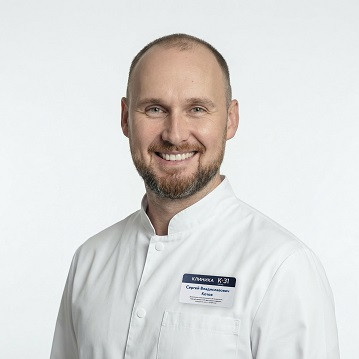
Kotov Sergey Vladislavovich
Experience 22 years
Make an appointment
Kotov
Sergey Vladislavovich
Deputy chief physician of K+31 for urology, chief urologist of K+31, urologist-andrologist, oncourologist, doctor of medical sciences, professor
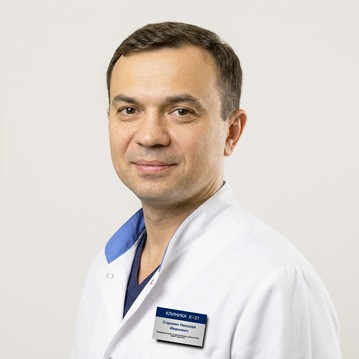
Sorokin Nikolay Ivanovich
Experience 24 years
Make an appointment
Sorokin
Nikolay Ivanovich
Head of the urology department, urologist
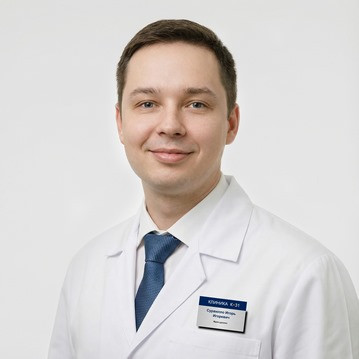
Survillo Igor Igorevich
Experience 13 years
Make an appointment
Survillo
Igor Igorevich
Urologist
Tereshchenko Suren Alexandrovich
Experience 28 years
Make an appointment
Tereshchenko
Suren Alexandrovich
Doctor urologist-andrologist
Dzhabrailov Jabrail Abdulazizovich
Experience 25 years
Make an appointment
Dzhabrailov
Jabrail Abdulazizovich
Urologist, andrologist
Pshikhachev Ahmed Mukhamedovich
Experience 23 years
Make an appointment
Pshikhachev
Ahmed Mukhamedovich
Urologist, Oncologist
Gomberg Mikhail Alexandrovich
Experience 43 years
Make an appointment
Gomberg
Mikhail Alexandrovich
Dermatovenereologist
Valeev Danil Ravilovich
Experience 6 years
Make an appointment
Valeev
Danil Ravilovich
Urologist
Dzhalilov Dmitry Olegovich
Experience 17 years
Make an appointment
Dzhalilov
Dmitry Olegovich
Urologist
Alferov Anton Sergeevich
Experience 16 years
Make an appointment
Alferov
Anton Sergeevich
Leading urologist, andrologist
Gabaraev Alan Petrovich
Experience 13 years
Make an appointment
Gabaraev
Alan Petrovich
Urologist, andrologist
Nemenov Alexander Alexandrovich
Experience 7 years
Make an appointment
Nemenov
Alexander Alexandrovich
Urologist, oncologist (oncourologist)
All specialists
2GIS Award
2GIS Award

This award is given to clinics with the highest ratings according to user ratings, a large number of requests from this site, and in the absence of critical violations.

«Good place» according to Yandex

This award is given to clinics with the highest ratings according to user ratings. It means that the place is known, loved, and definitely worth visiting.

Our doctors are laureates of the ProDoctors Award

The ProDoctors portal collected 500 thousand reviews, compiled a rating of doctors based on them and awarded the best. We are proud that our doctors are among those awarded.

Make an appointment at a convenient time on the nearest date

Price

Reception
Price
Primary urologist appointment
from 5 460 ₽
Repeated appointment with a urologist
from 5 460 ₽
Scheduled remote online consultation with a urologist using telemedicine technologies

Other services

Diagnosis and treatment of prostate adenoma in Moscow Andrological operations Balanoposthitis Prostate biopsy Peyronie's disease - causes of the disease, symptoms, stages of development, diagnosis and treatment in Moscow Varicocele, hydrocele (hydrocele) Inflammatory diseases of the urinary system Second opinion of a urologist Overactive bladder Diagnostic operations and manipulations in urology in Moscow Bladder diverticulum, bladder neck sclerosis Curvature of the penis Kidney stones: treatment of urolithiasis Urethral stones Kidney cyst Testicular cysts, epididymis, spermatic cord Complex urodynamics Short bridle CT in urology in Moscow Laser lithotripsy Laparoscopic surgery LOD therapy Minimally invasive surgery Urolithiasis disease Urolithiasis, nephrolithiasis MRI in urology in Moscow Male infertility; diagnostics and treatment in Moscow Nephroptosis Operations on the prostate gland Operations for urolithiasis Diagnosis and treatment of bladder tumors in Moscow Tumors of the ureter Kidney tumors: diagnosis and treatment in Moscow Orchitis Acute and chronic urinary retention Paraurethral cyst; diagnostics and treatment in Moscow Paraphimosis Pyelonephritis Polyps of the bladder and urethra Renal colic Premature ejaculation Urologist Admixture of blood in the urine Prostatitis Da Vinci prostatectomy Prostate cancer: diagnosis and treatment in Moscow Urinary disorders in women and men; diagnostics and treatment in Moscow Reconstructive urology Reconstructive plastic surgery X-ray in urology in Moscow Robot-assisted operations in urology in Moscow Fistulas of the genitourinary system Ureteral strictures Transurethral surgery of the prostate and bladder Ultrasound in urology Ureterocele Urethritis Ureteroscopy Urodynamics Uroflowmetry Physiotherapy treatment Phimosis (narrowing of the foreskin) Cystitis Bladder cystoscopy Electromagnetic stimulation of the pelvic floor muscles Endoscopic transurethral surgery Epididymitis Erectile disfunction
Make an appointment

Appointment to the doctor

Fill out the form, our managers will contact you within 15 minutes

Reviews

Wonderful doctor, I am very grateful to him.
21.12.2025
T. Alexandra Alexandrovna
Nikolai Ivanovich Sorokin performed the stone removal surgery. Postoperative examinations showed complete clearance! The surgeon was finally able to rid me of the bladder growths I'd been struggling with for a year. I'm very grateful to Nikolai Ivanovich for the work he did.
05.12.2025
Sergey
I went to the doctor because my sperm analysis results weren't very good. They started running diagnostic tests and discovered I had bilateral varicoceles. It was decided to perform surgery. Throughout our entire conversation, Mikhail Borisovich never gave me any doubt that we would definitely solve my problem. As a result, after a month of rehabilitation, I no longer feel any discomfort and am looking forward to the scheduled appointment to have my tests done again.
05.12.2025
Rostislav
I express my deepest gratitude to Sergey Vladislavovich for the stone removal surgery! He is a true professional, dedicated to helping his patients and minimizing postoperative risks. I also want to thank Mikhail Borisovich Denshchikov, who helped me prepare for the surgery and then the doctor himself during the operation.
My father suffered for a long time from prostate adenoma. Finally, we were fortunate enough to see Nikolai Ivanovich. The doctor explained the procedure and rehabilitation process. As a result, my father is now undergoing rehabilitation after laser enucleation of the prostate. If anyone has the same problem, I highly recommend Sorokin!
05.12.2025
Nina
I went to see Darya Yuryevna for an inflammation. The doctor examined me, took swabs, and told me what tests I needed to do. Based on the results, she prescribed a course of medication. After several months of treatment, the pain really did stop. I highly recommend her!
05.12.2025
Konstantin
I went to see Igor Igorevich after cancer treatment. I was immediately impressed by his politeness and tact. I'm quite old, but I've never met such a pleasant doctor. He listened to all my concerns and answered all my fears. He then removed a stent from my ureter and prescribed medications to mitigate the effects. Afterwards, we monitored my kidney function for several weeks. Thank God, everything is fine, and I don't regret trusting such a wonderful specialist.
05.12.2025
Olga Nikolaevna

About doctor:

Survillo Igor Igorevich

I had a difficult case – a tumor that was very difficult to operate on, and if it failed, I would have lost the kidney. But Sergey Vladislavovich took on the case, and what's more, he set me up for success. And that's exactly what happened! My recovery was quick, and now I can live a normal life. A huge thank you to Sergey Vladislavovich and the entire medical staff for literally saving lives and giving them a second chance at a happy life.
05.12.2025
Igor Konstantinovich
Почему К+31?
К + 31 — full-cycle multidisciplinary medical centers, including the possibility of providing medical services of European quality level.
К + 31 — are leading doctors and diagnostics using high-tech equipment from world manufacturers (Karl Storz, Olympus, Siemens, Toshiba, Bausch&Lomb, Technolas, Zeiss, Topcon).
К + 31 — is ethical. The staff of K+31 clinics maintain open relationships with patients and partners. An individual approach to each patient is the basis of our service standards.
К + 31 — is modernity. On call 24/7: call center operators will answer your questions at any time and book you an appointment with doctors. Contact us by phone, through the feedback form on the website and Max.

Our clinics

K+31 on Lobachevskogo

st. Lobachevskogo, 42/4

+7 499 999-31-31

Subway
1
11
Prospect Vernadsky Station
By a car
Lobachevsky, we pass the first barrier (security post of the City Clinical Hospital No. 31), turn right at the second barrier (security post K+31)
Parking pass
Opening hours
Mon-Fri: 08:00 – 21:00
Saturday: 09:00 – 19:00
Sunday: 09:00 – 18:00
K+31 Petrovskie Vorota

1st Kolobovsky pereulok, 4

74999993131

Subway
9
Tsvetnoy Bulvar
10
Trubnaya
By a car
Moving along Petrovsky Boulevard, turn onto st. Petrovka, right after - on the 1st Kolobovsky per. Municipal parking
Opening hours
Mon-Fri: 08:00 – 21:00
Sat-Sun: 09:00 – 19:00
K+31 West

Orshanskaya, 16/2; Ak. Pavlova, 22

74999993131

Subway
3
Molodezhnaya
By a car
Moving along Orshanskaya street, we turn to the barrier with the guard post K+31. You do not need to order a pass, they will open it for you
Opening hours
Mon-Fri: 08:00 – 21:00
Sat-Sun: 09:00 – 18:00
Didn't find the service you were looking for?

Экстренная помощь