
Gestational trophoblastic disease (choriocarcinoma and other forms)
After pregnancy, cells that would become the placenta sometimes remain in the uterus and begin dividing uncontrollably. This results in gestational trophoblastic disease (GTD)—a group of rare conditions ranging from nearly benign to aggressive choriocarcinoma.
Even malignant forms are highly treatable and often result in a full recovery. At K+31, these patients are managed jointly by an oncologist and a gynecologist.

specialists

equipment

treatment




Causes and risk factors

The exact cause cannot be determined, but certain conditions are known to increase the risk. All of these are related to pregnancy characteristics.
Factors that increase the likelihood of the disease
The risk is higher at the end of reproductive age. Pregnancy before 20 and after 40, a previous molar pregnancy, and certain dietary factors play a role.
The Role of Pregnancy and Trophoblastic Tissue
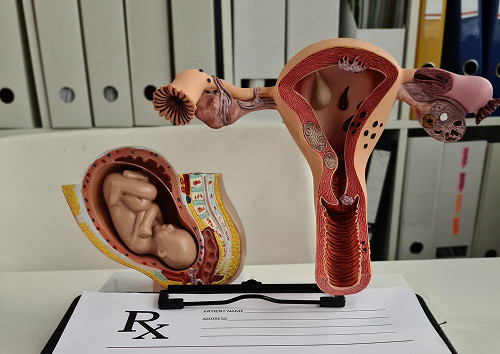
The basis of the disease is a failure of fertilization. When genetic material is distributed abnormally, trophoblastic tissue begins to proliferate instead of normal fetal development.
Symptoms of gestational trophoblastic disease

Manifestations vary depending on the form, but there is a common and most common sign. Symptoms of gestational trophoblastic disease usually appear shortly after pregnancy or termination.
Bloody discharge
This is the most common sign. Bloody discharge from the genital tract after childbirth, abortion, or during pregnancy is a reason to see a doctor immediately.
Changes in hCG levels
The hormone can tell you a lot. A persistently high or rising hCG level where it should be declining is a characteristic sign of the disease.
Pain and other symptoms
Other complaints may also occur: lower abdominal pain, rapidly enlarging uterus, nausea, and sometimes signs of hyperthyroidism.
Symptoms of tumor spread
When metastases occur, new symptoms are added: if the lungs are affected, this includes cough and shortness of breath, while other sites may present with corresponding complaints; these symptoms of choriocarcinoma should not be ignored.
General information
Types of Gestational Trophoblastic Disease
Let's examine the main trophoblastic tumors in more detail, from the most common and benign to the most aggressive. Treatment and prognosis depend on the type.
Hydatidiform Mole
This is the most common and benign form. A hydatidiform mole occurs when abnormal trophoblastic tissue grows in place of a normal embryo, and the uterus enlarges prematurely.
Invasive Hydatidiform Mole
Sometimes the mole grows deeper. It penetrates the uterine wall and can cause local complications, but metastasis is rare.
Choriocarcinoma
This is the most malignant trophoblastic tumor in the group. Choriocarcinoma grows rapidly, metastasizes early to the lungs and other organs, but is extremely sensitive to chemotherapy.
Placental Bed Tumor
This rare form grows more slowly, develops at the site of placental attachment, and responds less well to medications, therefore often requiring surgery.
Epithelioid Trophoblastic Tumor
This is the rarest type: similar to the previous one, it develops slowly and is also treated primarily with surgery. The main forms are conveniently compared in the table.
| Form of the disease | Nature of the process | HCG level | Risk of metastases |
|---|---|---|---|
| Hydatidiform mole | Benign | Elevated | Low |
| Invasive hydatidiform mole Mole | Locally aggressive | High | Moderate |
| Choriocarcinoma | Malignant | Very high | High |
HCG is the most important guide here: the higher it is, the more aggressive the process.
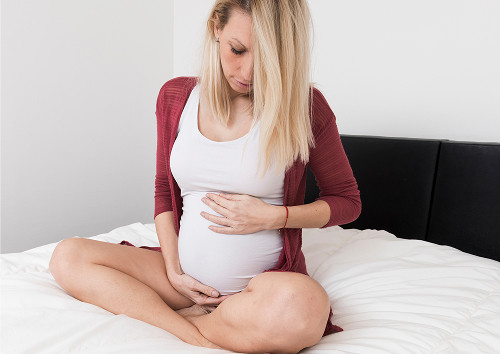

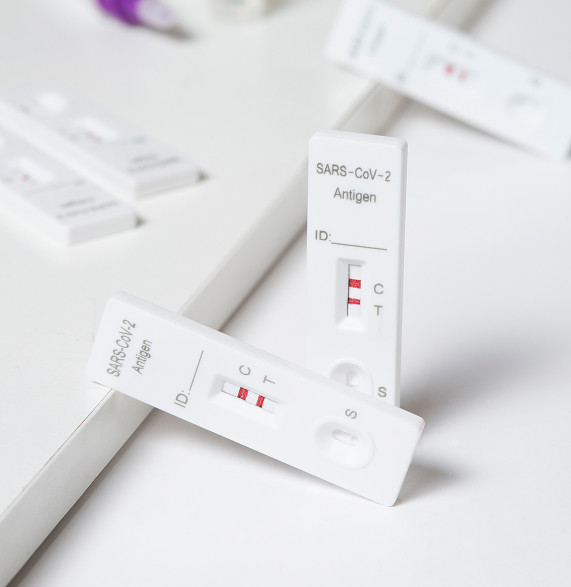
After treatment for trophoblastic disease, a woman remains under medical supervision for some time. This monitoring helps ensure that stable remission has been achieved and helps detect relapses early.
Monitoring hCG levels
The main monitoring tool is the same hormone. Regular hCG monitoring allows for the detection of relapses before any symptoms appear.
Routine examinations
Examinations and imaging are also performed. Routine monitoring typically includes:
- Regular hCG testing
- Oncologist and gynecologist examinations
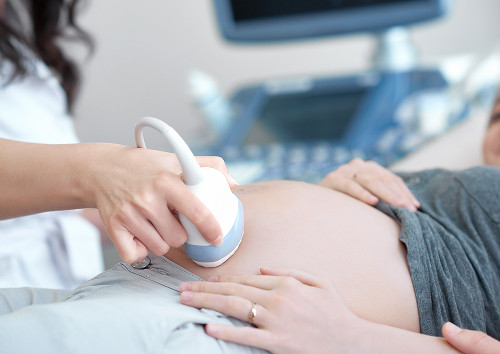
- Pelvic ultrasound
- If necessary, CT scan or chest X-ray
- Contraceptive recommendations during the monitoring period
While monitoring is ongoing, it is not recommended to plan another pregnancy, as this may interfere with hCG monitoring.

When to see a doctor
Any of these symptoms after pregnancy is a reason for an urgent visit. You should see a doctor if you experience:
- Bleeding after childbirth, abortion, or termination of pregnancy
- Elevated or rising hCG levels
- Lower abdominal pain
- Rapid enlargement of the uterus
- Symptoms indicating metastases include cough and shortness of breath
It is especially important not to delay if your hCG level remains elevated after pregnancy. This examination by an oncologist should be done as soon as possible.

The benefits of visiting a specialized oncology center
This is a rare diagnosis, and experience is crucial. Our center manages such cases using modern protocols, and complex situations are resolved by a consultation. What the patient receives:
- A specialized approach to rare oncological diseases
- Interdisciplinary care by an oncologist and gynecologist
- Modern diagnostics and precise hCG monitoring
- A personalized treatment plan based on clinical guidelines
- Comprehensive examination in one location
- Post-treatment follow-up
This format is especially important for rare tumors, where accuracy is crucial.

Answers to frequently asked questions
Below are frequently asked questions from patients.
What is gestational trophoblastic disease?
What symptoms may indicate choriocarcinoma?
Can gestational trophoblastic disease be cured?
Why monitor hCG levels after treatment?
HCG monitoring allows us to assess the effectiveness of treatment and detect relapses early, so treatment is continued even after recovery.
Gestational trophoblastic disease is a rare, but one of the most curable cancer diagnoses if treated promptly. The most important thing is not to delay your visit and to complete the follow-up. If you are concerned about spotting or high hCG levels after pregnancy, schedule a consultation with an oncologist at K+31.
References
- Clinical Guidelines of the Ministry of Health of the Russian Federation on Malignant Neoplasms of the Female Genital Organs — https://cr.minzdrav.gov.ru
- Category of Clinical Guidelines of the Ministry of Health of the Russian Federation — https://cr.minzdrav.gov.ru
- Russian Society of Clinical Oncology (RUSSCO) — https://rosoncoweb.ru
- Scientific Electronic Library eLIBRARY — https://www.elibrary.ru
- CyberLeninka (scientific publications on gynecological oncology) — https://cyberleninka.ru
- Federal Electronic Medical Library — https://femb.ru
- Central Scientific Medical Library — https://www.scsml.rssi.ru
- RLS Handbook (oncology section) — https://www.rlsnet.ru
- Doctor's Consultant Portal — https://www.rosmedlib.ru
- Russian Journal of Oncology (publication archive) — https://oncology-association.ru/library/zhurnaly-i-izdaniya.html
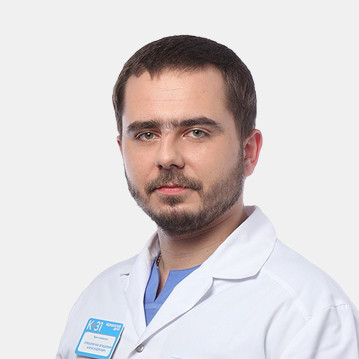
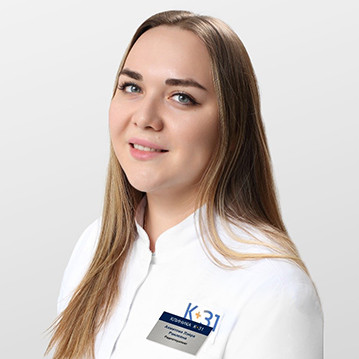
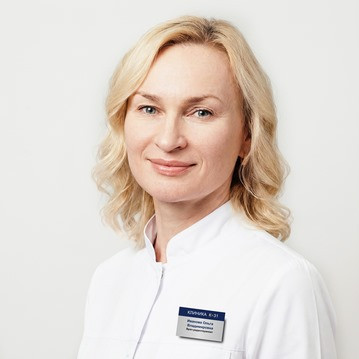
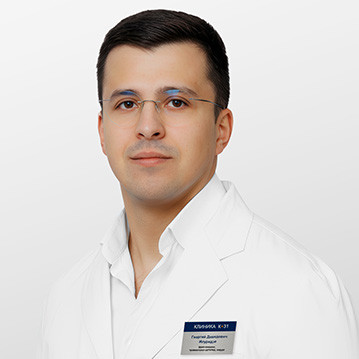
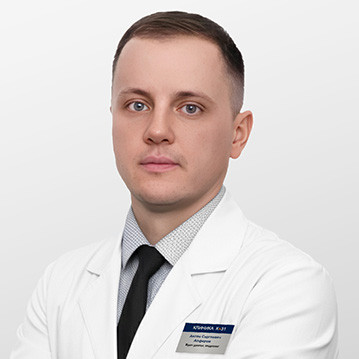
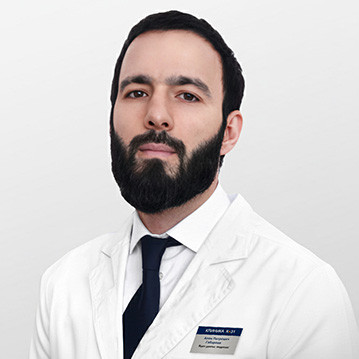
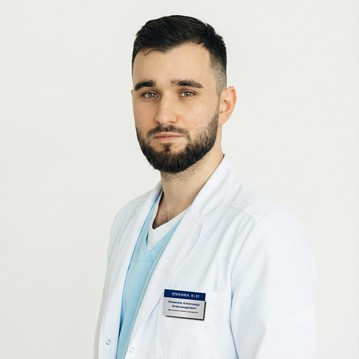
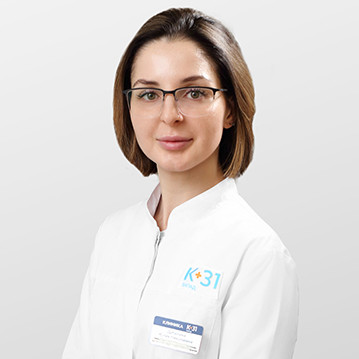
Our doctors





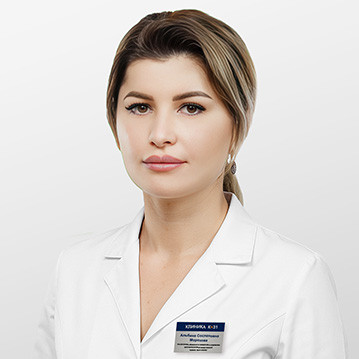








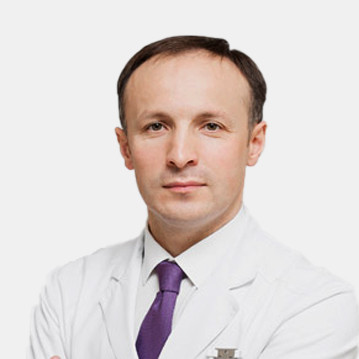
















This award is given to clinics with the highest ratings according to user ratings, a large number of requests from this site, and in the absence of critical violations.

This award is given to clinics with the highest ratings according to user ratings. It means that the place is known, loved, and definitely worth visiting.

The ProDoctors portal collected 500 thousand reviews, compiled a rating of doctors based on them and awarded the best. We are proud that our doctors are among those awarded.
Make an appointment at a convenient time on the nearest date
Price
Other services

Appointment to the doctor
Reviews

















Our clinics


Application “Personal Account K+31”












What is gestational trophoblastic disease?
This is a group of trophoblastic tumors that develop from the tissue that forms the placenta during pregnancy. Trophoblastic disease is always associated with pregnancy: normal, missed, or ectopic. They share one common feature: the cells produce the hormone hCG, which makes it easy to monitor the disease. This area of study is gynecologic oncology.
What diseases are included in this group?
This group covers several forms: hydatidiform mole and its invasive form, choriocarcinoma, placental bed tumor, and epithelioid trophoblastic tumor. All of these are trophoblastic tumors of varying degrees of malignancy.
Differences between benign and malignant forms
The forms vary greatly in behavior. Some are more often benign and resolve after removal; others are malignant, growing rapidly and metastasizing. This is why accurate diagnosis is important.