
Adrenal cancer (adrenocortical cancer)
The adrenal glands are paired glands above the kidneys that produce important hormones. Adrenal cancer is a rare and aggressive disease that often produces no symptoms for a long time. A tumor of the cortex is called adrenocortical cancer, and it is studied in the field of adrenal oncology. Our specialists select the appropriate treatment strategy on an individual basis.

specialists

equipment

treatment






What is it?
| Criteria | Benign tumor | Malignant tumor |
|---|---|---|
| Growth rate | Slow, often stable | Rapid, infiltrative growth |
| Hormonal activity | May occur, but is rarely aggressive | Often high, with severe symptoms |
| Risk of metastasis | None | High, lymphogenous, and hematogenous |
| Treatment methods | Observation or resection | Surgery, drug therapy, radiation therapy |
| Prognosis | Favorable | Dependent on the stage, requires aggressive treatment |
Symptoms of adrenal cancer

The clinical presentation depends on whether the tumor produces hormones. Symptoms of adrenal cancer vary between hormonally active and inactive tumors.
Hormonally active tumors
These tumors secrete excess hormones and significantly alter the body, from blood pressure to weight and muscle strength. These are classic signs of a hormonally active tumor.
Signs of hormonally inactive tumors
Hormonally inactive tumors remain asymptomatic for a long time: hormone levels remain normal. They are often discovered incidentally during an ultrasound or CT scan, and complaints arise when the adrenal tumor becomes large.

Symptoms in the late stages
Later, abdominal or lower back pain, loss of appetite, weight loss, and fatigue may develop. These symptoms are often mistaken for other illnesses.
Doctors identify the main symptoms of adrenal cancer that should raise concern:
- Increased blood pressure
- Unexplained weight gain
- Muscle weakness
- Abdominal or lower back pain
- Hormonal changes
- Increased fatigue
No single symptom alone proves a tumor, but a combination of them is a reason to schedule an appointment with an oncologist.
Stages of adrenocortical cancer
The stage is determined by the tumor size, its extension into structures, and the presence of metastases. Adrenal cancer stages are determined after a complete examination; the extent of surgery and prognosis depend on the stage.
Localized process
The adrenal tumor is limited to the adrenal tissue, and the tumor process does not extend beyond its boundaries. This is the most favorable scenario, in which radical surgery is often possible.
Locally advanced tumor
The tumor grows into surrounding tissues or organs, and lymph nodes may be involved. Treatment is a combination of these.
Metastatic cancer
The tumor has metastasized distantly, most often to the liver, lungs, or bones. Metastases in adrenal cancer mean that the oncological process has become systemic, and treatment is drug-based.

Diagnosis of adrenal cancer
The examination confirms the diagnosis and determines the activity and prevalence of the process in adrenal cortex cancer. Diagnosis of adrenal cancer is carried out according to the following scheme:
- Consultation with an oncologist and endocrinologist
- Laboratory tests
- CT and MRI
- PET-CT if indicated
- Histological examination
This sequence allows you not to miss a hormonally active tumor and accurately assess the prevalence of the neoplasm.
Consultation with an oncologist and endocrinologist
The first step is a consultation and examination. The doctor clarifies the patient's complaints and medical history, then develops a diagnostic plan with an endocrinologist.
Laboratory research
Blood and urine tests measure cortisol, aldosterone, and androgen levels. Abnormalities can help suspect a hormonally active tumor even before imaging.
CT and MRI
Computerized tomography and magnetic resonance imaging (MRI) show the size and structure of the tumor. CT scans of the adrenal glands are usually performed with contrast, and MRI of the adrenal glands is performed if tissue invasion is suspected.
PET-CT according to indications
Positron emission tomography with CT is prescribed selectively when metastases are suspected. The method is also useful for post-treatment monitoring.
Histological examination
The diagnosis is confirmed by a biopsy or tissue examination after surgery. The type of adrenal tumor is determined by its morphology—most often, adrenocortical carcinoma—and the degree of malignancy.
No single method replaces another; their combination provides a complete picture of the disease.
"In our practice, treatment success largely depends on timely diagnosis. If adrenocortical cancer is suspected, it is important not to delay examination. We review each case in a multidisciplinary consultation and develop a personalized treatment plan for each patient."
Stages of the disease

The course of the disease is assessed based on the extent of the tumor. The extent of surgery and prognosis depend on the stage, so it is determined before treatment begins.
Localized tumor process
In the early stages, the tumor is limited to the gland itself. In this case, surgical treatment results are most favorable.
Locally advanced process
When the tumor invades adjacent tissues, the scope of the intervention is expanded. This increases the demands on the surgeon's experience.
Metastatic disease
If detected late, metastases to the lymph nodes, lungs, or bones are possible. In this situation, treatment becomes complex and lengthy.
Treatment of adrenal cancer
The treatment strategy is individualized, taking into account the tumor's stage, hormonal activity, and the patient's condition. Treatment of adrenal cancer almost always requires several specialists.
Surgical treatment
Surgery remains the primary method for localized disease. Adrenalectomy, or adrenal gland removal, is performed en bloc whenever possible, without disrupting the tumor capsule.
Drug therapy
In cases of widespread disease or after surgery, drug therapy is used: it suppresses cell growth and controls hormone production.
Radiation therapy
This method is used less frequently—for bone or brain metastases, as well as when surgery is not possible. Radiation therapy reduces pain and slows the growth of tumors.
Combination treatment regimens
Most often, these methods are combined: surgery is supplemented with drug therapy and, if necessary, radiation therapy. This provides a more comprehensive treatment for adrenal cancer with a high risk of recurrence.
General information
Benefits of contacting our medical center
Treating adrenal cancer requires experience in rare cases and a well-coordinated team. Our center brings together oncologists, endocrinologists, surgeons, and radiologist specialists.
Multidisciplinary approach
Each case is reviewed by a team: an oncologist, endocrinologist, surgeon, and radiologist select a treatment plan based on clinical guidelines. Adrenal oncology requires this approach.
Modern diagnostics
The center offers adrenal cancer diagnostics using modern equipment: CT, MRI, hormone laboratory testing, and histological verification.
Individualized treatment programs
A treatment plan is tailored to the patient, taking into account the tumor type, hormonal activity, organ status, and comorbidities. The treatment plan is determined only after a comprehensive examination.
Patients who choose our center receive:
- Comprehensive diagnostics and treatment in one location
- Interdisciplinary consultation of specialists
- Individualized treatment plan for each patient
- Modern imaging methods and therapy monitoring
- Patient support at all stages of treatment
This format saves the patient time and reduces the risk of errors between specialists in rare tumors.



Answers to frequently asked questions
Below are the questions most frequently asked by patients.
How does this disease manifest itself?
Can adrenocortical cancer be cured?
What tests are needed if adrenal cancer is suspected?
What is the difference between a benign adrenal tumor and cancer?
Clinical guidelines of the Ministry of Health of the Russian Federation — https://cr.minzdrav.gov.ru/
Directory of clinical guidelines of the Ministry of Health of the Russian Federation — https://cr.minzdrav.gov.ru/
Portal of the All-Russian public organization "Russian Society of Clinical Oncology" (RUSSCO) — https://rosoncoweb.ru
Encyclopedia and reference materials of the Federal State Budgetary Institution "N.N. Sechenov National Medical Research Center of Oncology" Blokhin" - https://www.ronc.ru
Federal State Budgetary Institution "N.N. Blokhin National Medical Research Center of Oncology" Petrov National Research Center of the Ministry of Health of the Russian Federation — https://www.niioncologii.ru
CyberLeninka (scientific publications on adrenocortical cancer) — https://cyberleninka.ru/
Russian Medical Library PubMed in Russian (materials and reviews) — https://pubmed.ncbi.nlm.nih.gov/
Disease Directory on the RMS (Russian Medical Server) portal — https://www.rusmedserv.com
The Great Russian Encyclopedia — https://bigenc.ru
The Doctor's Consultant Portal — https://www.rosmedlib.ru
Our doctors












































This award is given to clinics with the highest ratings according to user ratings, a large number of requests from this site, and in the absence of critical violations.

This award is given to clinics with the highest ratings according to user ratings. It means that the place is known, loved, and definitely worth visiting.

The ProDoctors portal collected 500 thousand reviews, compiled a rating of doctors based on them and awarded the best. We are proud that our doctors are among those awarded.
Make an appointment at a convenient time on the nearest date
Price
Other cancer treatment services

Appointment to the doctor
Reviews


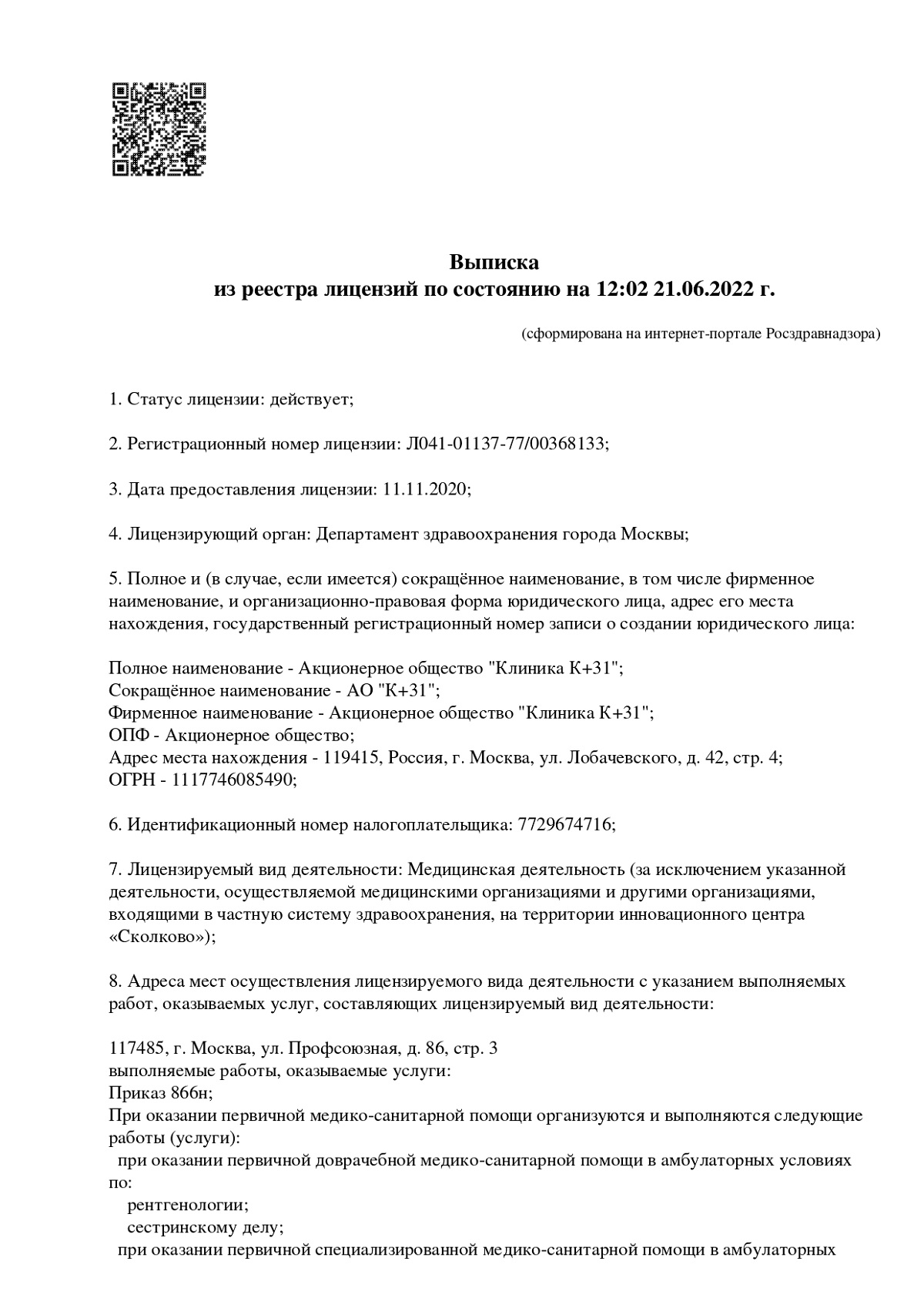
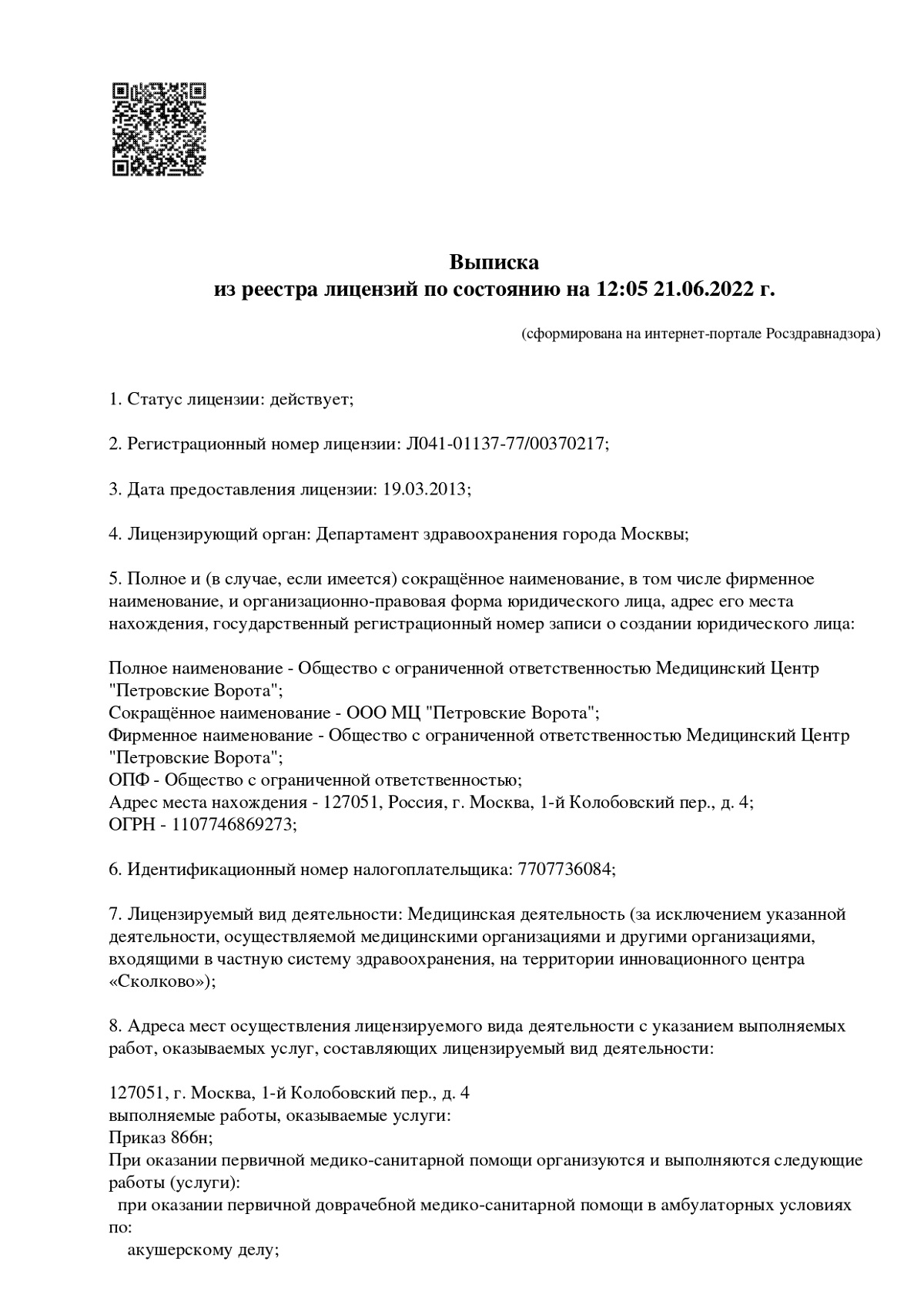
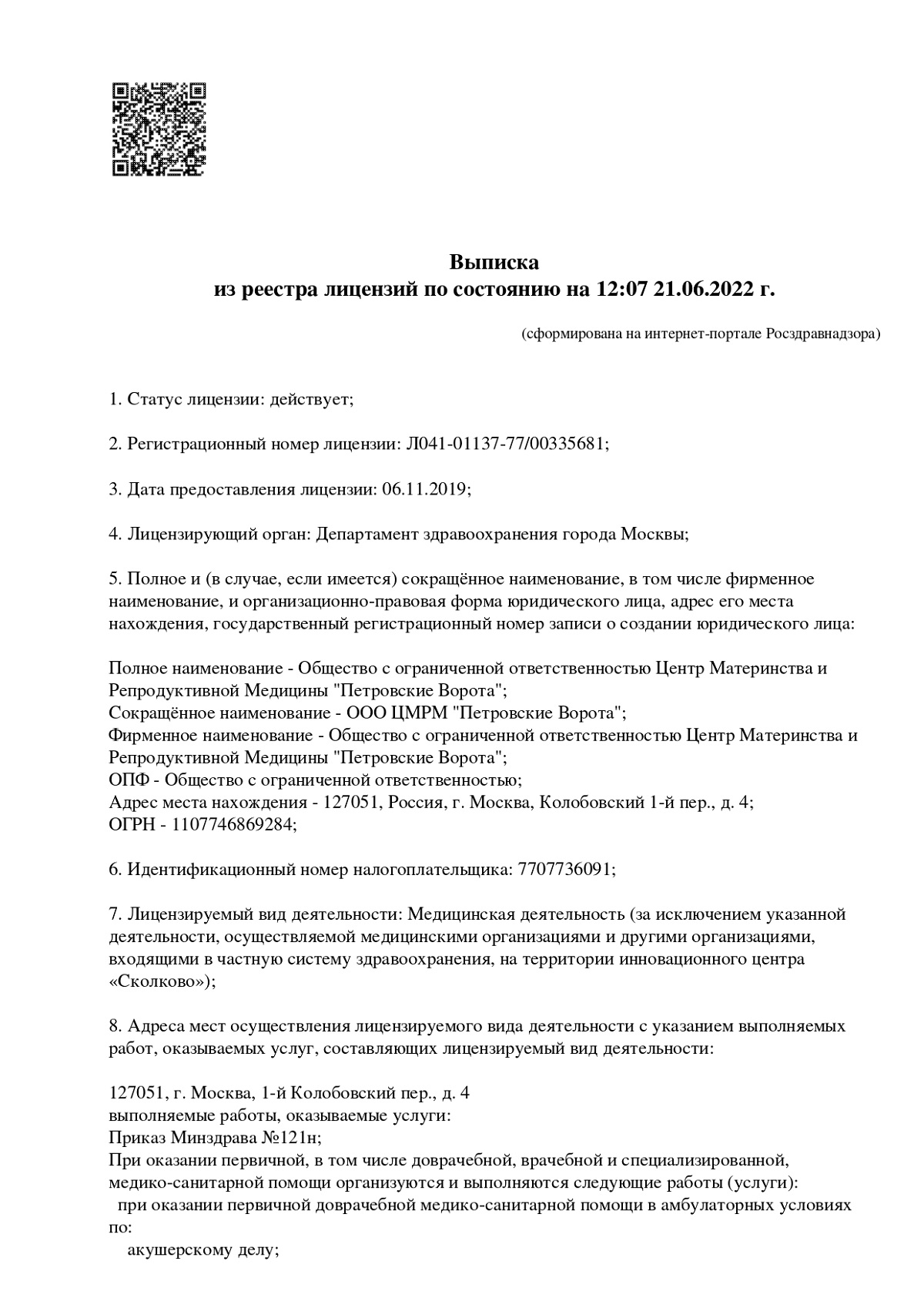



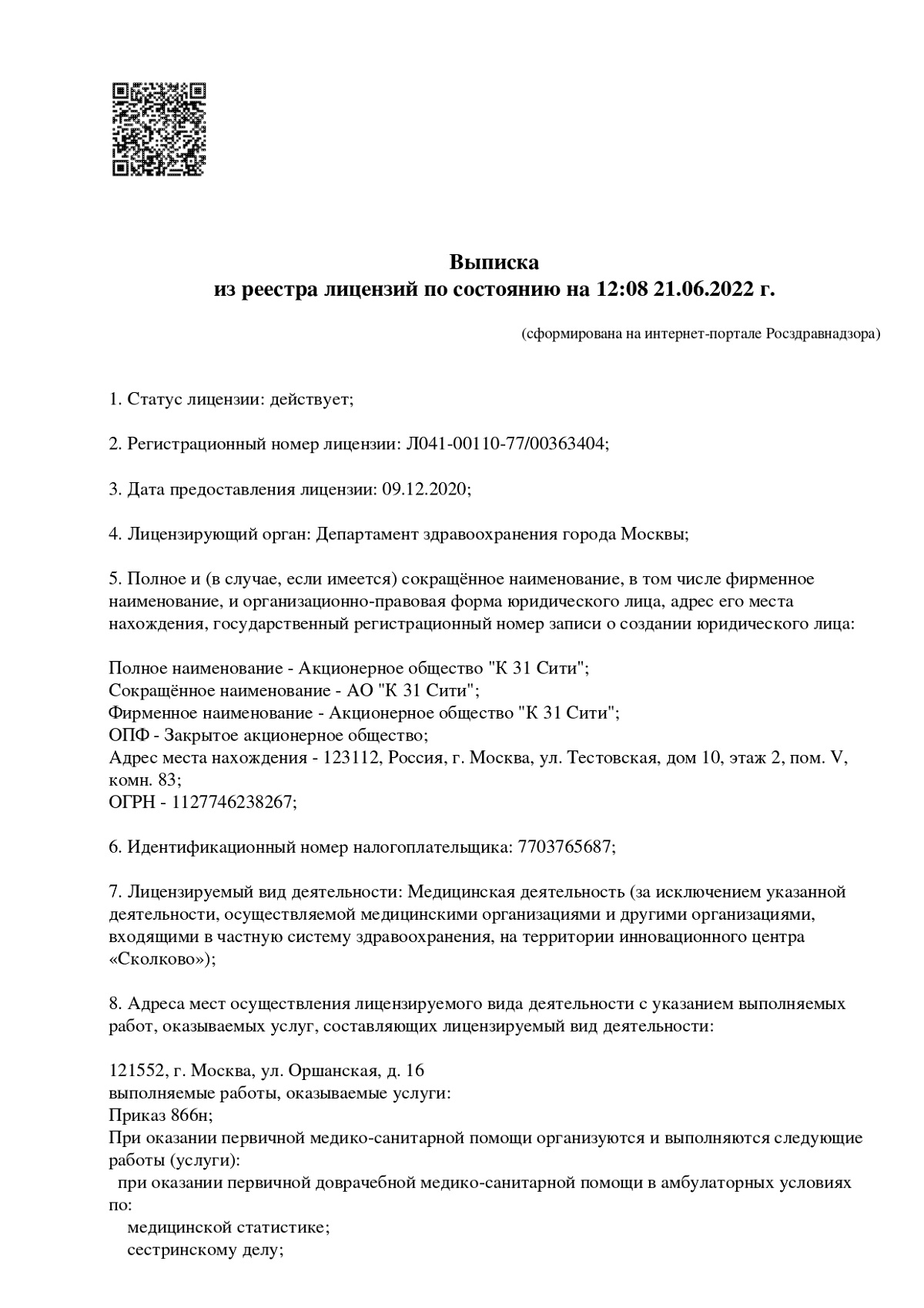






Our clinics


Application “Personal Account K+31”












Causes and risk factors for adrenocortical cancer
The exact cause cannot be determined, but a number of factors are known to increase the risk of adrenal cortex cancer. Some are related to heredity, while others are related to the endocrine system.
Hereditary syndromes
Some cases are associated with hereditary syndromes, such as Li-Fraumeni syndrome or multiple endocrine neoplasia syndrome. Genetic counseling may be recommended for relatives.
Hormonal disorders
Sometimes the tumor itself causes hormonal imbalances: excess production of cortisol, aldosterone, or androgens alters organ function before the tumor is detected on imaging.
Other risk factors
Age over 40, genetic mutations, and incidental adrenal tumors are also important. Smoking and excess weight also worsen the condition.