
Immunotherapy for Cancer

specialists

equipment

treatment
K+31 doctors successfully use immunotherapy to treat melanoma, lung cancer, kidney cancer, and other oncological diseases. You can find out the price of immunotherapy for oncology in Moscow on the clinic's website or by calling the administrator.
When is immunotherapy prescribed?

Studies have demonstrated the effectiveness of immune therapy in preventing tumor recurrence after radical anticancer treatment. Of equal interest is the use of immunotherapy in patients with distant cancer sites, or metastases. In the late stages, metastases penetrate organs and tissues, making surgical removal impossible. In this case, drug therapy is the only effective treatment.
This method is used alone or in combination with other treatments, specifically radiation therapy, chemotherapy, and targeted agents.
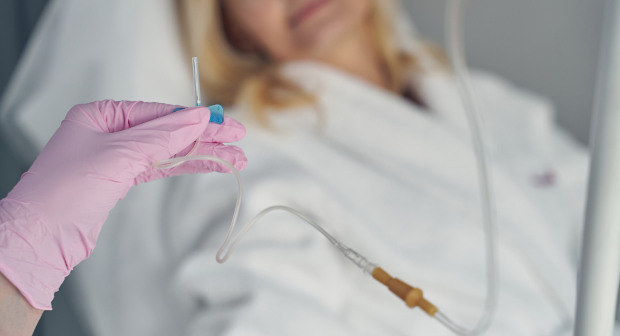
Immunotherapy is most often used to treat malignant tumors of the kidneys, lungs, bladder, uterus, and skin (melanoma). However, this list is not limited to these organs. In some cases, immunotherapy is effective in treating rectal cancer, head and neck tumors, and gastrointestinal tract tumors.
A doctor prescribes immunotherapy only when it can provide real benefit. Not only the type of tumor is important, but also certain characteristics, which, in some cases, require a specialized tumor examination. Based on these results, the doctor determines whether immunotherapy will be effective.
Immunoradiotherapy
Radiation therapy has become a promising partner for immunotherapy due to its ability to induce immunogenic tumor cell death and activate a systemic antitumor response.
Local irradiation induces multiple immunological effects, transforming the irradiated tumor into an in situ vaccine and leading to the death of tumor cells located outside the irradiated area—this is the abscopal effect.
Although the potential of combining radiation and immunotherapy has not been sufficiently studied, research and clinical practice show that this combination can significantly increase overall survival and reduce the risk of recurrence in advanced cancer.


How long does immunotherapy treatment last?
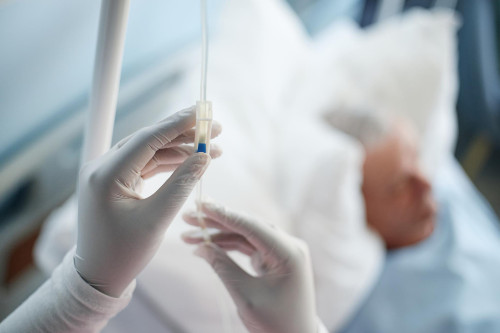
The drug is administered intravenously and can last from 1 to 2 hours, once every 2-4 weeks, depending on the drug used. It can take several weeks for the drug to take effect, meaning immunotherapy is a long-term treatment without significantly reducing the patient's quality of life during the treatment itself. Its effect lasts longer than with cytostatic drugs. Furthermore, this method has fewer complications.
The duration of immunotherapy after surgery is typically up to a year, and for the treatment of metastatic disease, at least 2 years.
Side effects of immunotherapy
Side effects from immunotherapy are significantly milder than those from chemotherapy. For example, alopecia (hair loss) is almost never seen. However, active drug stimulation of the immune system is not without its drawbacks. For example, an autoimmune reaction can occur, in which the body begins to attack its own healthy cells. This can lead to disruptions in the functioning of organs and systems.
The most common complications of immunotherapy are:
- Dryness, peeling, irritation, and swelling of the skin
- General weakness and lethargy
- Chills, sore throat
- Thyroid, liver, intestinal, and lung dysfunction
Monitoring for side effects, i.e., unfavorable manifestations of immunotherapy, is performed monthly through patient examinations and blood tests; in some cases, instrumental examinations are used.
Like other methods, immunotherapy has contraindications and limitations. Drugs in this group should be prescribed with caution in the presence of conditions such as:
- Type 1 diabetes
- Autoimmune diseases
- Tuberculosis
- Thyrotoxicosis
- Severe allergies
- Bronchial asthma
- Immunodeficiency
On the website of our medical center (K+31 Moscow), you can find out the cost of immunotherapy for oncology, learn about cancer treatment methods, and schedule a consultation.
Our doctors



































Make an appointment at a convenient time on the nearest date
Price
Other cancer treatment services

This award is given to clinics with the highest ratings according to user ratings, a large number of requests from this site, and in the absence of critical violations.

This award is given to clinics with the highest ratings according to user ratings. It means that the place is known, loved, and definitely worth visiting.

The ProDoctors portal collected 500 thousand reviews, compiled a rating of doctors based on them and awarded the best. We are proud that our doctors are among those awarded.

Appointment to the doctor
Reviews
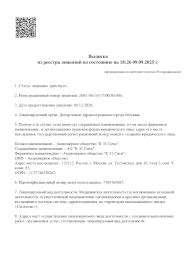
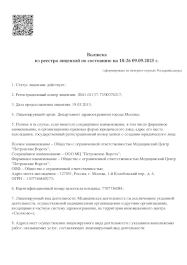
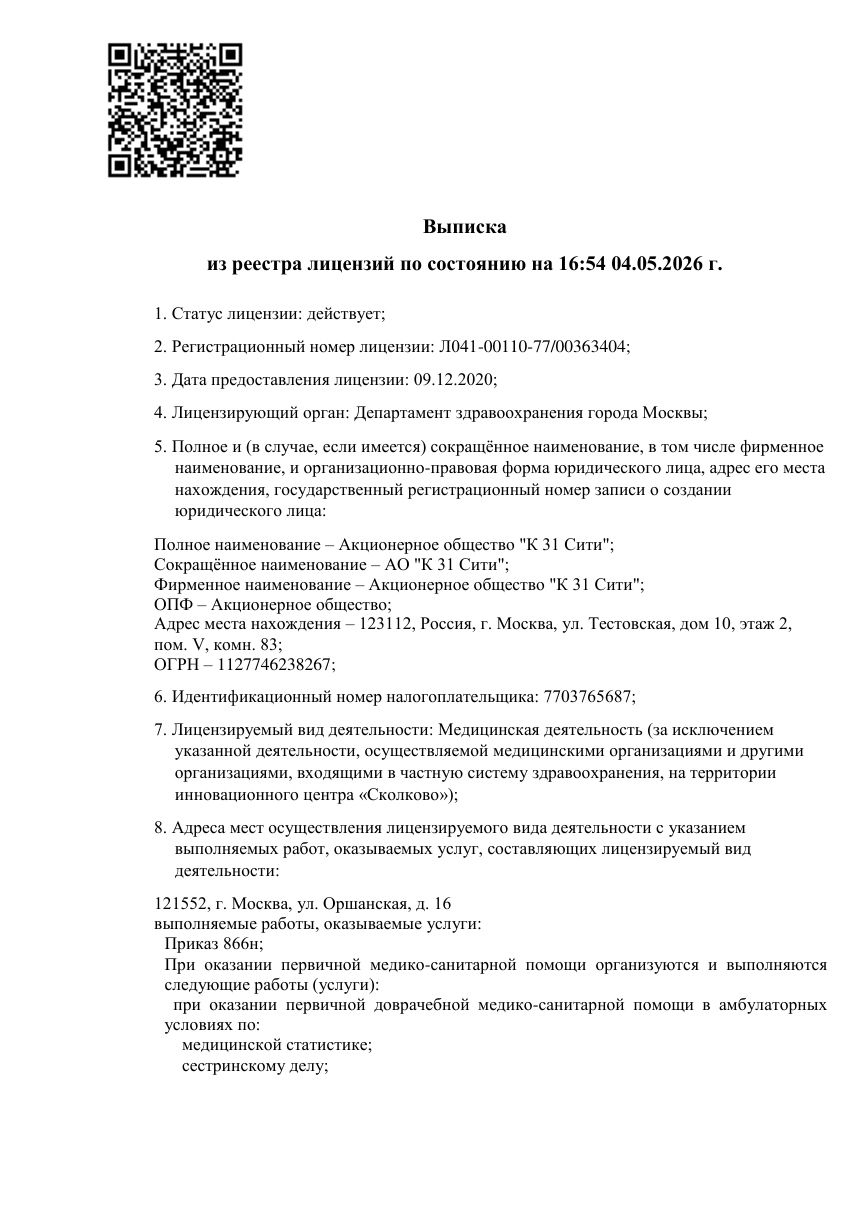
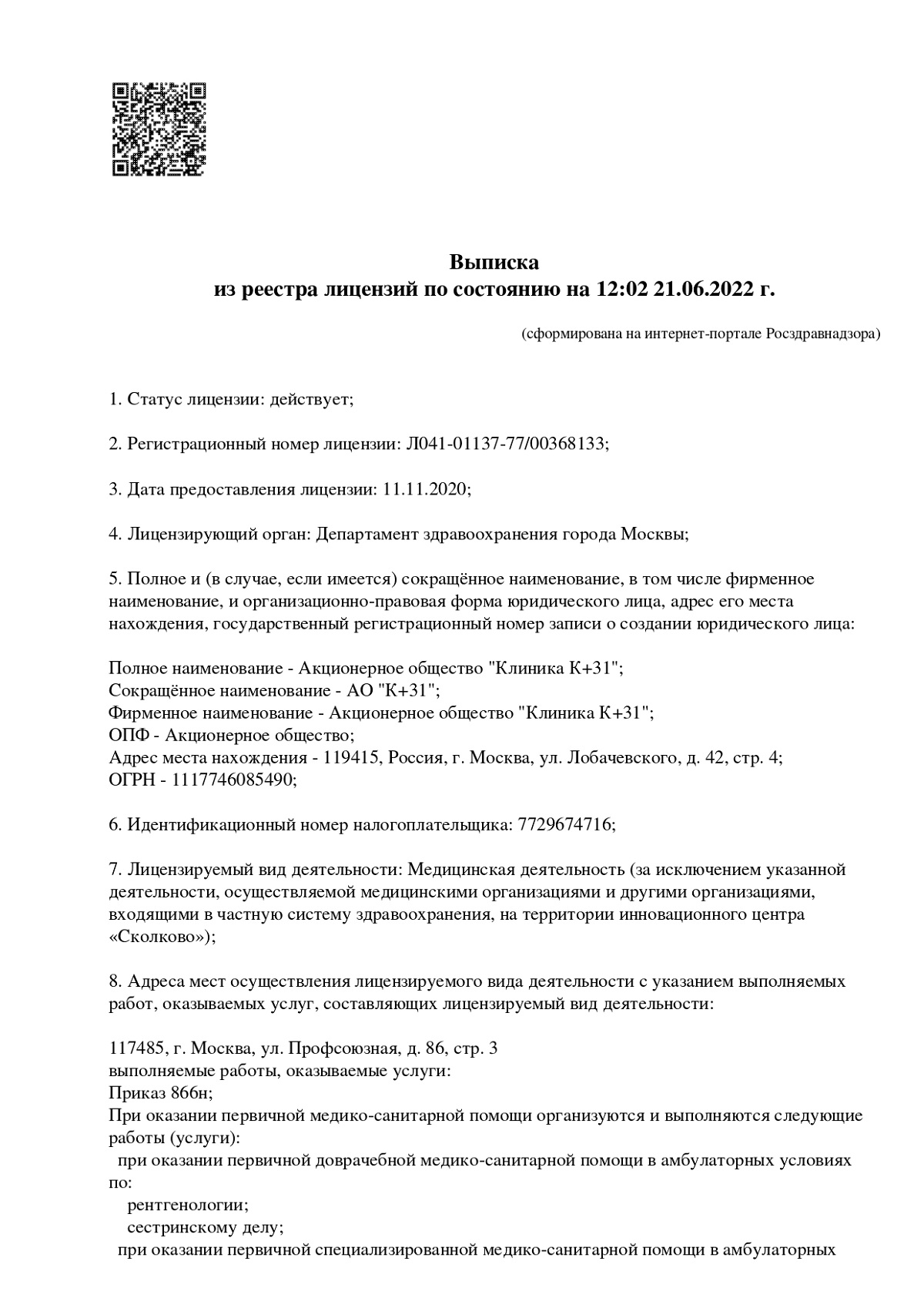


Our clinics


Application “Personal Account K+31”












What is immunotherapy?
Malignant cells arise from the degeneration (mutation) of normal, healthy cells in the human body. This process can be triggered by hereditary factors or external factors (bad habits, viruses, harmful occupational factors, etc.). Normally, a person produces a large number of cells with malignant characteristics every day, but due to intracellular mechanisms and the body's immune system, these altered cells die.
In some cases, the immune system loses the ability to distinguish and destroy tumor cells, leading to the development of a malignant tumor. As a result, the tumor grows and metastasizes, but the body doesn't recognize them because the tumor cells have learned to become invisible to the immune system. Scientists have identified so-called checkpoints on immune cells, which tumor cells act on to disable the immune system. Checkpoint inhibitors (from the Latin inhibere, meaning "to inhibit") have been developed that activate the immune system, essentially "unblocking" immune cells. These drugs enable the body to destroy tumors using the immune system.
The most common immunotherapeutic agents include Pembrolizumab, Nivolumab, Ipilimumab, Durvalumab, Trimelimumab, Atezolizumab, Nurulimab, and Prolgolimab.
At the clinics of the K+31 Medical Center in Moscow, patients undergo tumor immunotherapy to prevent relapse and to treat common cancers.