Treatment of lip cancer

Lip cancer is a malignant neoplasm that develops from the cells of the stratified squamous epithelium of the red border. The disease manifests itself as a persistent ulcer, lump, or fissure, which may be accompanied by pain, itching, and enlarged regional lymph nodes. Today, medicine offers a comprehensive treatment approach, including surgical removal of the tumor, radiation therapy, and drug therapy. A combination of different methods allows for high cure rates, especially with early diagnosis.

Modern organ-preserving surgeries aimed at minimizing cosmetic defects are successfully performed at the K+31 clinic in Moscow. Don't delay making an appointment with a specialist, as early diagnosis is one of the decisive factors for a favorable prognosis.

Best
specialists
Expert
equipment
Advanced diagnostic
treatment
Sign up
Fill out the entry form on the page and we will call you back
Sign up Позвонить
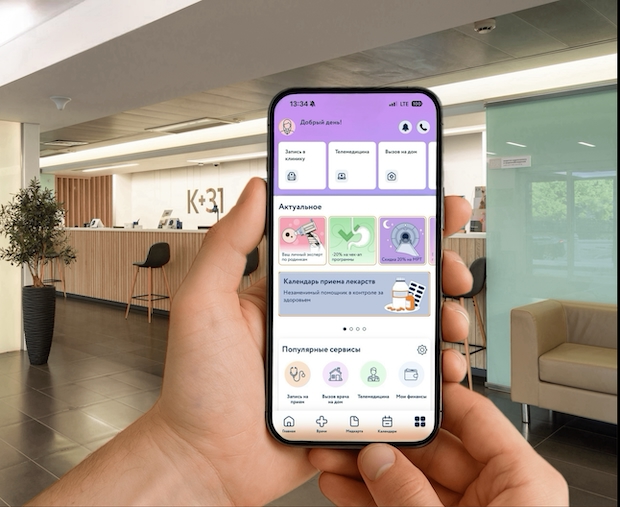
Download the application “Personal Account K+31”
Everything about your health in one click!
Subscribe to social networks K+31
To keep up to date with current offers and receive useful advice about your health.

General characteristics of the disease

A malignant tumor characteristic of lip cancer, it is usually formed predominantly by cells of the stratified squamous epithelium. Contrary to its common name, in the vast majority of cases (approximately 95%), the disease affects the lower lip. The upper lip and corners of the mouth are affected significantly less frequently, due to anatomical and functional differences. The lower lip is more susceptible to the negative impact of external factors.

The pathogenesis of the disease is based on the process of malignant transformation of normal cells. Under prolonged exposure to adverse factors, various mutations occur in their DNA. Damage to the genome leads to uncontrolled cell division, loss of normal cell functions, and the ability to undergo apoptosis—programmed cell death that acts as a protective mechanism. Gradually, a tumor nodule forms, which invades surrounding tissue and can metastasize—spread through the lymphatic and blood vessels. The submandibular and submandibular lymph nodes are typically the first to be affected.

From an epidemiological perspective, lip cancer is considered a disease of older men. They suffer from this pathology 3-7 times more often than women. The peak incidence occurs in the age group over 60-70 years.

Experts attribute this to the higher prevalence of risk factors among men, such as smoking, outdoor work, and alcohol abuse. However, recently, there has been a trend toward younger age groups and an increase in cases among women, which is explained by changing behavioral habits, including the rise in female smoking and the popularity of indoor tanning.

General characteristics of the disease

Causes causing pathology

The development of lip cancer is not the result of a single cause, but rather the result of a combination of several adverse factors that lead to damage to epithelial cells and their malignant transformation. Understanding these risk factors allows you to prioritize your treatment and take timely preventative measures.

  1. Tobacco smoking. Carcinogenic tars, nicotine, and combustion products, when directly exposed, irritate the mucous membrane and vermilion border of the lips, causing chronic inflammation and keratinization of cells (hyperkeratosis). Unfiltered cigarettes are especially dangerous. Chewing tobacco is no less harmful. In this case, carcinogens also come into direct contact with the mucous membrane.
  2. Alcohol abuse. Ethyl alcohol increases the permeability of mucous membranes, facilitating the penetration of other carcinogens into cells. Regular consumption of strong alcoholic beverages leads to atrophy of lip tissue, significantly increasing the risk of tumor development. The combination of smoking and alcohol greatly enhances the carcinogenic effect.
  3. Prolonged intense sun exposure. Exposure to ultraviolet radiation. Regular sun exposure is the most significant risk factor for people working outdoors, such as farmers, construction workers, and sailors. Ultraviolet B rays damage the DNA of cells in the basal layer of the epidermis, suppress local skin immunity, and trigger photoaging processes, which can ultimately lead to inflammation—actinic cheilitis—and subsequent malignant transformation.
  4. Mechanical Damage. Constant trauma to the lip creates a background for chronic inflammation, which can lead to swelling. This can be caused by poorly fitting dentures, sharp edges of crowns or broken teeth, the bad habit of biting or licking lips, chemical burns at work, or thermal burns from smoking, or regularly consuming excessively hot foods and drinks.
  5. Human papillomavirus. Certain oncogenic strains of the virus (particularly HPV-16 and HPV-18) play a role in the development of oral and lip cancer. The virus integrates its DNA into the host cell's genome, disrupting the normal cell division cycle and promoting malignant transformation.
  6. Occupational hazards and environmental pollution. Working in conditions of contact with carcinogenic substances, such as arsenic compounds, mercury, and petroleum products, increases the overall risk of developing cancer, including cancer of the oral cavity.

It is important to understand that the presence of one or even several risk factors does not necessarily mean the development of the disease, but it indicates the need for a more attentive attitude to one’s health and regular preventive examinations.

Pre-cancerous conditions

Lip cancer rarely occurs in completely healthy tissue. In most cases, it is preceded by so-called precancerous conditions—chronic diseases and changes in the mucous membrane or vermilion border of the lips—that have a high risk of developing into a malignant tumor.

  1. Leukoplakia. This is an optional precancerous condition characterized by increased keratinization of the mucous membrane due to chronic inflammation. It appears as whitish or grayish spots that do not clear when scraped. Cracks and erosions may develop within the white spots. This form is the most dangerous in terms of malignancy.
  2. Bowen's disease. This is an obligate precancerous condition that is an intraepidermal carcinoma—cancer in situ. Malignant cells arise and spread within the epidermis without penetrating the basement membrane into the underlying tissue. Visually, it appears as a single, irregularly shaped spot with clear, raised edges. Its surface may be scaly, crusty, or oozing. Removal of the crusts reveals a granular, velvety surface. The lesion grows slowly and can persist for years.
  3. Manganotti's cheilitis. This is an obligate precancerous condition, typical of older men. It manifests as one or more smooth, bright red erosions or oval-shaped ulcers. An important diagnostic feature is that the erosion is not crusted and does not bleed spontaneously, but may bleed when injured. It may periodically epithelialize and then reappear in the same location.
  4. Keratoacanthoma. A benign epithelial tumor that occurs on exposed skin, including the junction of the vermilion border of the lips and the skin. It is characterized by the rapid growth of a dome-shaped nodule with a crater-like depression in the center filled with keratinized cells. After a phase of active growth, spontaneous resolution often follows, with scar formation.
  5. Hyperkeratosis. This is not an independent disease, but a pathological process underlying many precancerous conditions. Hyperkeratosis is characterized by excessive thickening of the stratum corneum. The skin constantly peels. Hardening and roughness may form on the lips.

Clinical picture

Symptoms change as the disease progresses, from subtle changes to serious functional impairment. Initially, the disease often masquerades as other, harmless conditions, so many patients ignore them. Symptoms that persist for 2-3 weeks and are resistant to standard topical treatment are warning signs that require a specialist consultation.

Early signs:

  1. Formation of a lump or nodule. A small, painless, pea-shaped lump can be felt under the mucous membrane or on the vermilion border of the lip. It may be yellowish or whitish in color and gradually increases in size.
  2. The appearance of an ulcer, crack, or erosion. An area with a breach in the surface integrity appears, which takes a long time to heal. Its edges may be raised, forming a ridge, and the base is often covered with a grayish or brownish crust, which bleeds when removed.
  3. Peeling and tightness. The lip area begins to peel constantly, causing a dry, burning sensation that isn't relieved by moisturizers.
  4. Changes in the appearance of the lips. A small red, white, or dark spot may appear, along with roughness, persistent swelling, or loss of the clear border between the vermilion and the skin.
  5. Increased salivation. Irritation caused by an ulcer or lump can reflexively increase salivary gland activity. This is a nonspecific symptom, but when combined with other signs, it should raise concern.

Late symptoms:

  1. Increase in the size of the tumor. A small ulcer or nodule turns into a large, bumpy nodule or a deep ulcer with jagged edges.
  2. Bleeding and infection. The tumor becomes easily damaged and begins to bleed at the slightest touch, while eating, or talking. The ulcer often becomes infected, leading to the appearance of purulent discharge.
  3. Severe pain. As the tumor grows deeper, constant, intense pain develops, which can radiate to the ear, temple, or neck. The pain interferes with normal speech and eating.
  4. Loss of sensation. Numbness, tingling, or crawling sensations on the lip and chin indicate tumor damage to the nerve endings.
  5. Enlargement and hardening of regional lymph nodes. This is one of the main signs of metastasis. The submental and submandibular lymph nodes enlarge first, followed by the cervical ones.
  6. Functional impairments. These may include unclear articulation due to lip deformity, as well as difficulty chewing and swallowing food.
  7. General symptoms are signs of cancer intoxication. Advanced pathology is characterized by persistent weakness, fatigue, low-grade fever, loss of appetite, and anemia.

Classification

To determine treatment strategies and prognosis, doctors use a unified classification system that takes into account the tumor structure and its extent within the body.

About 95% of all malignant tumors of the lip are squamous cell carcinoma, which originates from the cells of the stratified squamous epithelium of the red border. Within this type, two main types are distinguished:

  1. Keratinizing, or differentiated. Tumor cells retain the ability to keratinize, like normal skin cells. They form specific structures – keratin clusters. This type of tumor grows relatively slowly and is less aggressive. It has a delayed onset of regional and distant metastases, which leads to a more favorable prognosis for the patient.
  2. Nonkeratinizing, or poorly differentiated. The tumor cells are heavily altered. They lose their ability to keratinize and are virtually untraceable. This type of cancer is more aggressive. It is characterized by rapid infiltrative growth and metastasizes earlier to lymph nodes and other organs, which worsens the prognosis.

Diagnosis of pathology

Diagnosing lip cancer is always a comprehensive approach aimed not only at confirming the malignant nature of the tumor, but also at accurately determining the extent of its spread.

Primary diagnostic methods include examination and palpation. The doctor evaluates the condition of the vermilion border of the lips, paying particular attention to:

  • The nature of the changes is the presence of seals, ulcers, cracks, plaques, peeling
  • Borders and shape of the neoplasm, its symmetry, clarity of contours, size
  • Lip color – presence of whitening, redness, hyperpigmentation
  • Condition of surrounding tissues: swelling, inflammation, presence of crusts or oozing

By palpation, the doctor determines the tumor's density, its mobility relative to the underlying tissue, and tenderness. They also carefully palpate the submental, submandibular, parotid, and cervical lymph nodes.

Next, the patient with suspected cancer undergoes a biopsy followed by histological examination. This is the only method that can confirm or refute the diagnosis with 100% accuracy.

Under local anesthesia, the doctor completely excises or removes a tissue core from the most suspicious area with a special instrument, including some healthy tissue. The resulting sample is sent to the laboratory, where it is processed, thinly sectioned, stained, and examined under a microscope. Histological examination allows us to determine and confirm:

  • Malignancy of the process
  • Histological type of tumor
  • Degree of cell differentiation
  • Depth of invasion into surrounding tissues

To determine the stage of the disease, additional imaging techniques may be required, such as ultrasound, CT, MRI, and PET-CT. These allow for the assessment of lymph nodes and the detection of even distant metastases.

Treatment Methods

Lip cancer is a local manifestation of the oncological process, which, in the absence of timely treatment, poses a serious threat to life due to the ability to metastasize.

The treatment strategy is developed strictly on an individual basis and depends on the stage of the disease, the histological type of the tumor, its location, the patient's age, and the presence of comorbidities. The main principle is a comprehensive approach, often combining several methods to reduce the risk of recurrence.

Surgical treatment

Surgical removal of the tumor is the primary and most radical treatment for lip cancer, especially in the early stages. The goal is complete excision of the tumor within healthy tissue.

Types of operations:

  • Wedge resection with reduction of the edges of the lip
  • Excision with reconstruction on a cheek flap with the transfer of a tissue fragment from the cheek to restore the shape and function of the lip
  • Mohs micrographic surgery with layer-by-layer removal of malignant neoplasms
  • Lymph node dissection with removal of cervical lymph nodes

Radiation therapy

This method uses high-energy radiation to disrupt the DNA of cancer cells and destroy them. It can be used alone or in combination with surgery. It is typically prescribed after surgery to destroy any remaining cancer cells, reduce the risk of recurrence, and in the presence of unfavorable factors.

Types of radiation therapy:

  1. External, or remote, radiation. Radiation is generated by a linear accelerator and directed through the skin to the tumor and areas of regional metastasis. Modern methods allow for targeted irradiation of the tumor while minimizing the impact on healthy tissue.
  2. Brachytherapy, intracavitary or contact. A radioactive source in the form of an applicator or needles is placed directly into the tumor or in close proximity to it. This allows for a high dose of radiation to be delivered to the target with minimal impact on surrounding organs. It is often used specifically for lip cancer.

Chemotherapy

This type of conservative therapy involves the use of cytostatic drugs that destroy rapidly dividing cells or stop their growth. It is rarely used as a stand-alone treatment for lip cancer.

Chemotherapy is used in combination with radiation therapy for locally advanced, inoperable tumors. Chemotherapy drugs increase the sensitivity of cancer cells to radiation, which increases the effectiveness of treatment.

In metastatic and recurrent cancer, this type of treatment is used systemically to control the spread of the disease, reduce the size of metastases and relieve symptoms.


Targeted therapy

This is a modern treatment method that uses specialized drugs that target specific molecular targets present in cancer cells and drive their growth. Most often, targeted drugs act on the epidermal growth factor receptor (EGFR), which is expressed in many squamous cell carcinomas of the head and neck. They block the signals that trigger tumor growth.

Targeted therapy is used for metastatic cancer that is resistant to standard chemotherapy. It is usually used in combination with chemotherapy or radiation therapy.


Immunotherapy

This is the most advanced method that doesn't attack the tumor directly. Atypical cells are targeted through the patient's own immune system. It is activated by specialized drugs, allowing the body to recognize and destroy cancer cells.

Checkpoint inhibitors—monoclonal antibodies that block the PD-1/PD-L1 proteins—are used for treatment. These proteins help the tumor camouflage itself from immune T cells. Immunotherapy is prescribed to patients with recurrent or metastatic lip cancer when previous treatment has been ineffective.


Palliative care

In the later stages, when multiple distant metastases form and radical treatment is not feasible, the main goal of therapy becomes not fighting the disease, but maintaining the patient's quality of life and alleviating symptoms.

Palliative care includes:

  • Pain relief – the WHO three-step pain relief scheme is used
  • Nutrition correction – a nasogastric tube or gastrostomy may be installed to provide the body with nutrients when normal food intake is impossible
  • Psychological support
  • Palliative radiation or chemotherapy to shrink the tumor and relieve associated symptoms

Recovery period after treatment

Rehabilitation after radical treatment for lip cancer is aimed at eliminating the physical consequences of therapy and promoting psychological and social adaptation. The primary goal is to maximally restore the anatomy, function, and aesthetics of the maxillofacial region.

The primary goal after extensive resections is to restore the integrity and shape of the lip. After a wedge resection, the lip is reconstructed immediately, carefully aligning the wound edges. Modern suturing techniques minimize the visibility of the scar. For extensive defects, complex techniques using skin flaps are used. Sometimes, reconstruction is performed in several stages to achieve optimal functional and aesthetic results.

After surgery, numbness in the lower lip and chin may occur, which usually gradually subsides over several months. To speed up the process, physical therapy and B vitamins, which have a neurotropic effect, may be prescribed.

To prevent tissue infection after suturing, it is extremely important to maintain good hygiene. Soft toothbrushes, irrigators, and antiseptic mouthwashes can be used for oral care.

Surgery and radiation therapy can temporarily impair lip mobility and articulation. To ensure rapid recovery, functional rehabilitation with a speech therapist is performed. Exercises begin immediately after the sutures are removed and the wound has healed.

The main areas of work of a speech therapist:

  • Articulatory gymnastics is a special set of exercises to strengthen the muscles of the lips, cheeks, and tongue, improving their mobility and coordination
  • Correction of dysarthria – work on the clarity of pronunciation of sounds, especially labial and labiodental sounds
  • Restoring symmetry and natural facial expressions

Lips and the healing process can make eating difficult, so the patient often requires dietary adjustments. Soft, pureed, or mashed foods are recommended, eliminating the need for vigorous chewing. Ensuring adequate nutritional intake is also important for recovery.

Another important aspect of rehabilitation is psychological support and social adaptation. Changes in appearance due to treatment and dysfunction of the maxillofacial structures have a negative psychological impact. Working with a clinical psychologist or psychotherapist can help you accept your body's changes, cope with anxiety and depression, and more quickly return to your normal social life.


Get a consultation

Side effects and complications

After surgical treatment the following are possible:

  • Pain and swelling are relieved with analgesics and usually go away within 1-2 weeks
  • Hematoma – usually occurs within the first day after surgery and resolves on its own
  • Addition of infection requires local treatment or the administration of antibiotics
  • Suture divergence – can occur due to excessive tissue tension or infection

Late complications include the formation of dense scars, which can limit lip mobility, making chewing and speech difficult, as well as sensory loss due to nerve damage. Lip symmetry, shape, and volume may be affected. This can be corrected through plastic and reconstructive surgery.

The following may develop against the background of radiation therapy:

  • Stomatitis is an ulceration of the mucous membrane of the oral cavity and lips
  • Dermatitis – redness, dryness, flaking, itching, and soreness of the skin in the irradiated area
  • Xerostomia is dry mouth due to damage to the salivary glands
  • Taste perception disorder

Complications from drug therapy are systemic in nature, as the medications affect the entire body. The most likely are:

  • Nausea and vomiting
  • Alopecia
  • Suppression of hematopoiesis function
  • Increased fatigue
  • Dry skin
  • Rashes
Get a consultation

Prognosis and patient survival

The prognosis for lip cancer is considered one of the most favorable among all malignant tumors of the head and neck. The stage at which the tumor is diagnosed and treatment is initiated is a key factor determining the outcome.

When the tumor is small and confined to the lip tissues with no signs of further spread, cure rates are high. Five-year survival rates for patients with this type of disease are close to the maximum. This is due to the possibility of radical and organ-preserving treatment with a minimal risk of recurrence.

The prognosis is significantly worsened by metastases in regional lymph nodes. Tumor cells that have spread beyond the primary site require more aggressive and comprehensive treatment—a combination of surgery, radiation, and drug therapy. The risk of relapse and further disease progression increases.

The worst prognosis is observed in cases where the tumor invades bone tissue, affects major nerves, and causes distant metastases. Treatment in this situation is primarily palliative, aimed at controlling symptoms and inhibiting tumor growth. Survival rates for this group of patients are the lowest.

This relationship clearly demonstrates the importance of early diagnosis. Lip cancer can be easily detected by the patient. Any persistent lesion on the lip (ulcer, crack, lump, flaky patch) that persists for more than two to three weeks is an indication for an immediate visit to the doctor.

Get a consultation

Preventive measures

Unlike many other oncological diseases, the risk of developing this pathology is largely manageable, making prevention effective. Following the rules is especially important for people at risk: men over 60, workers whose professions require prolonged exposure to the outdoors, smokers, tanning salon users, and those with precancerous conditions.

  1. UV protection. For your face, use a cream or lotion, and for your lips, use a balm with SPF. Apply the product 20-30 minutes before sun exposure and reapply every two hours, as well as after eating, drinking, or wiping your mouth.
  2. Comply with sun exposure regimen. Avoid exposure to direct sunlight during peak periods – from 11:00 a.m. to 4:00 p.m.
  3. Giving up bad habits – smoking and alcohol abuse
  4. Occupational Safety. Persons working with chemical carcinogens must strictly adhere to safety precautions—use personal protective equipment to prevent contact of harmful substances with the mucous membranes of the lips and mouth.
  5. Eliminating chronic lip trauma and maintaining oral health. Oral hygiene, denture adjustments, and avoiding the habit of biting and licking lips, especially in cold weather, are necessary.
Get a consultation

Questions and Answers

Is this disease fatal?

The prognosis for lip cancer depends directly on the stage at which it is detected. In the early stages, the disease is curable in most cases. Five-year survival rates with timely treatment approach 95-100%. This is one of the most favorable prognostic types of head and neck cancer.

Is lip cancer treatment painful?

We place great emphasis on high-quality pain relief and patient comfort at all stages. Biopsies are performed under local anesthesia and are completely painless. Surgeries are performed under general or potent local anesthesia, so you won't feel a thing during the procedure. Postoperative pain is normal, but it can be controlled with analgesics. During chemotherapy, your doctor will prescribe additional therapy in advance to minimize discomfort.

How will my appearance change after surgery?

After resection of small tumors, the scar is virtually invisible, as surgeons place incisions along the natural contours of the lip. After extensive surgeries, lip restoration is performed immediately using reconstructive plastic surgery techniques. Although swelling and a scar will remain immediately after surgery, the appearance will improve significantly over time.

Our doctors

Merkulov Igor Alexandrovich
Experience 33 years
Make an appointment
Merkulov
Igor Alexandrovich
Deputy Chief Physician for Oncology, Oncologist
Ershova Ksenia Igorevna
Experience 22 years
Make an appointment
Ershova
Ksenia Igorevna
Head of department, oncologist
Abashin Sergey Yuryevich
Experience 42 years
Make an appointment
Abashin
Sergey Yuryevich
Head of oncology projects, oncologist
Kalakutskaya Natalia Lvovna
Experience 27 years
Make an appointment
Kalakutskaya
Natalia Lvovna
Doctor-oncologist
Malygin Sergey Evgenyevich
Experience 30 years
Make an appointment
Malygin
Sergey Evgenyevich
Oncologist-mammologist, surgeon
Pshikhachev Ahmed Mukhamedovich
Experience 22 years
Make an appointment
Pshikhachev
Ahmed Mukhamedovich
Urologist, Oncologist
Shevchuk Alexei Sergeyevich
Experience 25 years
Make an appointment
Shevchuk
Alexei Sergeyevich
Oncogynecology consultant, obstetrician-gynecologist
Chichkanova Tatyana Vladimirovna
Experience 24 years
Make an appointment
Chichkanova
Tatyana Vladimirovna
Oncologist-mammologist, radiologist
Ovsiy Oksana Gennadievna
Experience 13 years
Make an appointment
Ovsiy
Oksana Gennadievna
Doctor-oncologist
Katz Ksenia Vladimirovna
Experience 11 years
Make an appointment
Katz
Ksenia Vladimirovna
Dermatovenerologist, oncologist
Korshikova Kamila Mukhtorovna
Experience 4 years
Make an appointment
Korshikova
Kamila Mukhtorovna
Radiotherapist
Ter-Arutyunyants Svetlana Andreevna
Experience 26 years
Make an appointment
Ter-Arutyunyants
Svetlana Andreevna
Radiotherapist, oncologist
Udin Oleg Ivanovich
Experience 31 year
Make an appointment
Udin
Oleg Ivanovich
Deputy chief physician for surgery, surgeon
Kogonia Lali Mikhailovna
Experience 51 year
Make an appointment
Kogonia
Lali Mikhailovna
Chemotherapist
Volkova Daria Mikhailovna
Experience 16 years
Make an appointment
Volkova
Daria Mikhailovna
Head of the Department of Radiation Therapy, Radiotherapist
Gomov
Mikhail Alexandrovich
Consultant in oncogynecology, obstetrician-gynecologist
Menkes (Ryabova) Yulia Alexandrovna
Experience 4 years
Make an appointment
Menkes (Ryabova)
Yulia Alexandrovna
Oncologist-chemotherapist
Grishin Igor Igorevich
Experience 32 years
Make an appointment
Grishin
Igor Igorevich
Obstetrician-gynecologist
Achba Maya Otarovna
Experience 17 years
Make an appointment
Achba
Maya Otarovna
Radiologist, ultrasound diagnostician, oncologist-mammologist
Lukyanenko Vladimir Alexandrovich
Experience 17 years
Make an appointment
Lukyanenko
Vladimir Alexandrovich
Oncologist-mammologist
Volenko Ivan Alexandrovich
Experience 14 years
Make an appointment
Volenko
Ivan Alexandrovich
Surgeon-oncologist-mammologist, plastic surgeon
Khailova Maria Sergeevna
Experience 4 years
Make an appointment
Khailova
Maria Sergeevna
Oncologist
Peshkova Marina Sergeevna
Experience 2 years
Make an appointment
Peshkova
Marina Sergeevna
Oncologist
Yakovleva Yana Sergeevna
Experience 7 years
Make an appointment
Yakovleva
Yana Sergeevna
Radiotherapist
Ivanova Olga Vladimirovna
Experience 25 years
Make an appointment
Ivanova
Olga Vladimirovna
Radiotherapist
Akhmerov Radmir Damirovich
Experience 10 years
Make an appointment
Akhmerov
Radmir Damirovich
Oncologist, obstetrician-gynecologist, plastic surgeon
Magdiev Arslan Khulatdaevich
Experience 13 years
Make an appointment
Magdiev
Arslan Khulatdaevich
Surgeon, oncologist, phlebologist
Morozova Albina Soslanovna
Experience 17 years
Make an appointment
Morozova
Albina Soslanovna
Acting head of the department of antitumor drug therapy, oncologist
Iluridze Georgy Davidovich
Experience 8 years
Make an appointment
Iluridze
Georgy Davidovich
Oncologist, traumatologist-orthopedist, surgeon
Alferov Anton Sergeevich
Experience 15 years
Make an appointment
Alferov
Anton Sergeevich
Urologist, andrologist
Gabaraev Alan Petrovich
Experience 12 years
Make an appointment
Gabaraev
Alan Petrovich
Urologist, andrologist
Balkarov Beslan Khasenovich
Experience 16 years
Make an appointment
Balkarov
Beslan Khasenovich
Surgeon, oncologist
Nemenov Alexander Alexandrovich
Experience 6 years
Make an appointment
Nemenov
Alexander Alexandrovich
Urologist, oncologist (oncourologist)
All specialists
2GIS Award
2GIS Award

This award is given to clinics with the highest ratings according to user ratings, a large number of requests from this site, and in the absence of critical violations.

«Good place» according to Yandex

This award is given to clinics with the highest ratings according to user ratings. It means that the place is known, loved, and definitely worth visiting.

Our doctors are laureates of the ProDoctors Award
The ProDoctors portal collected 500 thousand reviews, compiled a rating of doctors based on them and awarded the best. We are proud that our doctors are among those awarded.
Make an appointment at a convenient time on the nearest date

Price

Reception
Price
Primary oncologist appointment
from 5 900 ₽
Repeated appointment with an oncologist
from 5 900 ₽
Council (oncological)
from 18 500 ₽

Appointment to the doctor

Fill out the form, our managers will contact you within 15 minutes

Reviews 48

I am very grateful to the doctor for his attentive attitude!
04.12.2025
P. Natalia Leonidovna

About doctor:

Ershova Ksenia Igorevna

I put off the surgery for a long time, but then I took the plunge and chose the K+31 clinic. Everything went much faster and more painlessly than I expected. I felt fine the next day. The doctor gave me recovery recommendations, and the treatment was very attentive and friendly. Three months later, I had a sperm analysis—my results had improved, and I was no longer in pain.
24.11.2025
Andrey, 28 years old
I contacted K+31 on a colleague's recommendation. They performed Marmar surgery under local anesthesia. Recovery took about two weeks, but I quickly returned to work. Special thanks to the doctor for the detailed consultation and support.
22.11.2025
Maxim, 34 years old
I want to express my deepest gratitude to Darya Mikhailovna Volkova. She administered my radiation therapy. She is a very attentive and competent doctor. She explains everything and gives clear and helpful recommendations, which prompted positive changes in my treatment. She is a true professional. Thank you so much!
20.11.2025
N. Alexey Yurievich
Maya is super professional and very careful
15.11.2025
Ts. Natalia Yuryevna

About doctor:

Achba Maya Otarovna

I was admitted to the radiation therapy department after receiving a referral from the hospital for a stereotactic liver procedure. Before coming to your clinic, I had visited two other hospitals. At both, the doctors didn't even fully examine the CT disc and immediately agreed to perform the procedure. At the first, the doctor said they would hold a consultation, but only to complete the paperwork. The consultation refused, even though this same doctor was the only radiologist present. At the second, the head of the department, also without properly examining the CT scan, said he would remove the lesions in one session. Then I read the reviews... I was terrified. Then my attending physicians at the hospital (very good and caring) took matters into their own hands and discovered that there is a NAME in radiation therapy, and specifically in stereotactic liver surgery, in Moscow. It was Volkova from K+31. After dealing with empty spaces and medical scams, I had given up hope and was simply shocked. Darya Mikhailovna requested an MRI and carefully and thoroughly reviewed the CT and MRI scans. She planned the schedule. I attended the sessions for two weeks. There were no delays. The nursing staff is not only friendly and caring with patients, they are competent, and they offer helpful tips that they should know, but, unfortunately, in most clinics, they don't. The atmosphere in the department is amazing. Warmth, hope, professionalism, and a genuine interest in each patient. All of this is thanks to Darya Mikhailovna. Due to my illness, I visit many medical institutions, both free and private. I encounter arrogant, extremely unqualified, and simply not very smart doctors, and poorly trained, bordering on rude nursing staff. Unfortunately, it's all over the place. For the first time in many years, I've found a department whose director is not only a talented, highly qualified specialist, but also an excellent leader. Darya Mikhailovna is constantly at work. I've been managing intelligent people for many years, and I see that Volkova and the entire staff never waste a minute of their time. At the same time, you can always ask a question to Darya Mikhailovna, who is incredibly busy, and receive not a standard answer, but thoughtful, meaningful answers. I agree with the opinion of Moscow doctors and express the opinion of a patient. Volkova is a NAME. A doctor and a manager. And, unfortunately, a rare case among Moscow doctors. I would like to point out that today K+31 is perhaps one of the very few Moscow clinics where the quality of work of both doctors and nursing staff far exceeds that of other clinics.
24.10.2025
D. Ekaterina Yuryevna
A very sensitive and comfortable doctor
07.10.2025
G. Anna Alexandrovna

About doctor:

Achba Maya Otarovna

Excellent doctor, everything went as comfortably as possible!
04.10.2025
K. Arina Uruzmagovna

About doctor:

Achba Maya Otarovna

The doctor is a professional, that's clear right away. I'll definitely come back to him for my health.
01.10.2025
Sch. Irina Gennadievna
I express my deepest, most sincere gratitude to the K+31 clinic and personally to its highly skilled surgeon, Oleg Ivanovich Yudin! I want to share my amazing experience of treatment at your clinic. I had a gallbladder removal, and the results exceeded all my expectations. Oleg Ivanovich, you are a magician! Your professionalism, calm confidence, and attentive attention to all my questions before the surgery completely dispelled any fears. Thank you for your golden hands and sensitive heart. I especially want to highlight your unique approach to anesthesia. I couldn't have imagined such a gentle anesthesia! I woke up easily, without any unpleasant consequences. And the most incredible thing is that just two hours after the surgery, I was fully conscious, feeling great, and already participating in an online meeting! For me, this is the main indicator of the precision work of the entire team. A huge thank you to all the medical staff in the surgical department: the attentive and kind nurses, anesthesiologists, and orderlies. You surrounded me with such care that my hospital stay felt more like a vacation. I can't help but mention the amazing conditions in the ward: modern equipment, cleanliness, comfort, and attention to detail create an atmosphere that in itself promotes recovery. And, of course, thank you to the department managers and administrators. You are always available, and all issues are resolved quickly, efficiently, and with unfailing kindness. K+31 Clinic is an impeccable standard of medicine, where the patient, their comfort, and their health come first. I recommend you to everyone I know and wish you prosperity with all my heart!
30.09.2025
K. Julia

About doctor:

Udin Oleg Ivanovich

Good afternoon! I would like to express my sincere gratitude to Oleg Ivanovich Yudin, an excellent surgeon, highly qualified professional, and kind person. I would also like to thank Anton Ivanovich Grechin for his professionalism and attentiveness. Managers Yulia and Ekaterina effectively assist their colleagues and patients, and I thank them. Sincerely, S.I.
29.09.2025
S.I.
I trust Dr. Malygin, and this is the most important thing for a patient.
28.09.2025
A. Zarema Asulovna
I would like to express my sincere gratitude to Dr. Oleg Ivanovich Yudin (the operating surgeon) and Dr. Tigran Grachyaevich Dzavayal, as well as the clinic staff, for the surgery and the high level of medical care provided. The organization of the work deserves special praise: the doctors checked on my condition several times daily, explained everything in detail, and created an atmosphere of confidence. The rooms are modern, comfortable, and clean, with all the necessary amenities. I thank you for your professionalism and attentive care of your patients.
24.09.2025
U. Irina Viktorovna
I have been seeing S.E. Malygin for several years now. He is a great professional in his field.
20.09.2025
A. Zarema Asulovna
Attention to detail, professionalism and warmth
18.09.2025
D. Olga Vladimirovna
Everything went great. The doctor was very attentive. Thank you!
17.09.2025
G. Vera Ilyinichna
Thank you to the doctor for your attention and the most correct, professional, but at the same time warm attitude towards your patients!
12.09.2025
M. Anastasia Sergeevna

About doctor:

Achba Maya Otarovna

Thank you very much for the excellent operation!!!
11.09.2025
C. Natalia Nikolaevna
Everything is great. Thank you very much to the doctor.
08.09.2025
K. Elena Nikolaevna

About doctor:

Achba Maya Otarovna

The doctor consulted me and signed me up for a future operation. The doctor answered all my questions quite competently. I liked that Oleg Ivanovich has professionalism and human qualities.
25.08.2025
Anonymously

About doctor:

Udin Oleg Ivanovich

I went to Kalakutskaya Natalia Lvovna with a skin neoplasm. The specialist conducted a survey about what was troubling me, examined me and performed a dermatoscopy procedure. After the results, it was announced that the neoplasm was benign. She was polite with me at the appointment.
25.08.2025
Anonymously
I sincerely thank the oncologist for his support, professionalism and attentive attitude. From the first meetings I felt confidence and calm - the doctor explains everything clearly, with respect and participation. The prescribed treatment is effective, and the human warmth and calmness of the doctor help to go through this path with faith in the best. Thank you for the care and confidence that you give.
25.08.2025
Anonymously

About doctor:

Ovsiy Oksana Gennadievna

Ksenia Igorevna is a professional with a capital letter! My mother and I are very grateful to her for her work, patience and attention!
25.08.2025
Anonymously

About doctor:

Ershova Ksenia Igorevna

Hello! I accidentally got to see Maya Otarovna. The doctor is very empathetic, delicate and attentive. Maya Otarovna examined my mammary glands in detail using ultrasound and gave clear recommendations. It is a pleasure to come to such a doctor for an appointment! I definitely recommend her!
25.08.2025
Anonymously

About doctor:

Achba Maya Otarovna

A true professional in his field and always shows a sensitive attitude towards patients!
15.08.2025
M. Marina Gennadievna

About doctor:

Achba Maya Otarovna

Good day! My name is Olga. I am 58 years old. I was diagnosed with oncology. I would like to express my deepest gratitude to my gynecologist-oncologist Mikhail Aleksandrovich Gomov for the surgery he performed on me!!! This is the doctor who saved me from death! A professional sent by God to save lives!!! Very attentive, competent, friendly, optimistic!!! I was delighted with both my communication with him and his work!!! If you get to him, I can assure you that you will get the best surgeon possible on this earth!!!!!
15.08.2025
G. Olga Vladimirovna
On June 26, I visited Tatyana Chichkanova (mammologist-oncologist), on the recommendation of friends. I really liked the doctor, competent, calm, kind and friendly. She answered my questions patiently, without getting irritated (which is rare). She explained everything that interested me, calmed me down. She prescribed examinations, and based on the results, I went back to her. There is no doubt about the doctor's professionalism. The reception and the clinic itself are also excellent, but the main thing is the doctor. Thank you!
08.08.2025
Anonymously
Many thanks to the doctor Chichkanova Tatyana Vladimirovna for her thoughtful analytical approach, friendly personalized attitude to the patient. A real Doctor with a capital letter!
08.08.2025
Anonymously
In addition to high professionalism, a wonderful person! I am very grateful to Maya Otarovna for identifying my problem and for her clear explanation and appointment of therapy!
06.08.2025
P. Tatyana Ivanovna

About doctor:

Achba Maya Otarovna

Kamila Mukhtorovna is a very pleasant doctor to talk to, calm and attentive.
01.08.2025
S. Zulfiya Rashidovna
After the operation at the 62nd oncology hospital, I was referred under the compulsory medical insurance to the K 31+ clinic for a course of radiation therapy. I would like to express my gratitude to the doctor, Kamila Mukhtorovna Korshikova, for her courtesy, friendliness and patience with which she answered my endless questions. Many thanks also to the staff with whom I had to communicate directly during the radiation therapy sessions. Everyone was friendly, welcoming and positive, which is always so important for patients. Thank you all.
31.07.2025
M. Natalia Arkadyevna
A very nice person and an excellent specialist.
31.07.2025
M. Lilit Arturovna
I underwent 15 sessions of radiation therapy at the 31-K clinic on Orshanskaya. I would like to thank all the medical staff of this clinic. First of all, Leina Railyevna Akhmetova
24.07.2025
K. Zariola
Hello! I accidentally got to see Maya Otarovna. The doctor is very empathetic, delicate and attentive. Maya Otarovna examined my mammary glands in detail using ultrasound and gave clear recommendations. It is a pleasure to come to such a doctor for an appointment! I definitely recommend her!
21.07.2025
I. Madina Ruslanovna

About doctor:

Achba Maya Otarovna

Professional! Doctor with a capital letter! Attentive, cultured.
18.07.2025
V. Iveta Mikhailovna
I sincerely thank the oncologist for his support, professionalism and attentive attitude. From the first meetings I felt confidence and calm - the doctor explains everything clearly, with respect and participation. The prescribed treatment is effective, and the human warmth and calmness of the doctor help to go through this path with faith in the best. Thank you for the care and confidence that you give.
09.07.2025
B. Elena Alexandrovna

About doctor:

Ovsiy Oksana Gennadievna

I would like to express my gratitude to the radiotherapist Kamila Mukhtorovna Korshikova for her professionalism, sensitive and attentive attitude. I was treated in the radiation therapy department in May-June 2025. Kamila Mukhtorovna gave comprehensive explanations to all questions that arose during the treatment, and recommendations for further recovery of the body. A caring, attentive doctor who does everything possible to support the patient. Thank you for your professionalism and responsiveness. I wish you further success in your professional activities.
07.07.2025
Vitaly S.
I would like to express my deep gratitude to Oleg Ivanovich Yudin and Denis Lvovich Ivanov for the excellent gallbladder removal surgery they performed on my mother. The preparation was very difficult for my mother, given her advanced age and concomitant diseases. But, thanks to the remarkable personal and professional qualities of Oleg Ivanovich and Denis Lvovich, everything went great. Denis Lvovich was always in touch, answered all questions and set a positive mood. Oleg Ivanovich was also extremely friendly and attentive at every appointment. This is a rarity these days. I would like to wish all the best to such wonderful doctors!! Health and prosperity to you!!!
06.07.2025
N. Marina Alexandrovna

About doctor:

Udin Oleg Ivanovich

Ksenia Igorevna is a professional with a capital letter! My mother and I are very grateful to her for her work, patience and attention!
01.07.2025
P. Natalia Vladimirovna

About doctor:

Ershova Ksenia Igorevna

I would like to thank Oksana Gennadyevna for her time, professional and flexible approach and competent consultation. It is very important to identify and competently comprehensively resolve various conditions at an early stage of development, and with the help of detailed analyses to understand and monitor the processes in your body.
16.06.2025
Ch. Irina Alexandrovna

About doctor:

Ovsiy Oksana Gennadievna

I would like to express my gratitude to Ovsiy Oksana Gennadievna for her high professionalism, sensitive, caring attitude towards patients, and informal approach to all issues. Thank you very much for your professional treatment and psychological support!
25.05.2025
E. Olga Gennadievna

About doctor:

Ovsiy Oksana Gennadievna

Oksana Gennadyevna Doctor with a capital letter!!! Treats her patients with special care. Very competent specialist, thank you very much for your work and professionalism!
24.05.2025
Ekaterina Sh.

About doctor:

Ovsiy Oksana Gennadievna

Being a foreign citizen and as a result not using "word of mouth" I will say that I was simply lucky with the doctor I made an appointment with - Ovsiy Oksana Gennadyevna. I will note the doctor's thorough study of the results of the tests and procedures prescribed to me and necessary for the treatment of the disease. In addition, it is wonderful that the doctor also has knowledge in the field of nutrition in symbiosis with medical. I consider it necessary to note this, because perhaps it will help someone. Heartfelt thanks for your professionalism, goodwill and desire to help.
19.05.2025
Larisa P.

About doctor:

Ovsiy Oksana Gennadievna

I express my deepest gratitude to Oksana Gennadyevna for her professionalism, sensitivity and attention during my treatment. The doctor's skill, her psychological support and dedication to her work helped me cope with the problem and return to a healthy life. I wish the doctor good health, well-being and success in her noble work. I recommend the doctor with pleasure!
13.05.2025
Nina M.

About doctor:

Ovsiy Oksana Gennadievna

Oksana Gennadyevna is a very competent and sensitive specialist! During consultations she listens attentively. The treatment is effective! Excellent doctor
13.05.2025
B. Alexander Yuryevich

About doctor:

Ovsiy Oksana Gennadievna

I would like to thank Oksana Gennadievna. She was attentive and polite, provided detailed and clear advice, and provided a treatment plan and additional recommendations.
12.05.2025
Y. Wahid

About doctor:

Ovsiy Oksana Gennadievna

I contacted Oksana Gennadyevna with my problem. The doctor has a wonderful attitude to her work. An excellent specialist, a sensitive and attentive doctor. She gave clear recommendations on how to deal with side effects after chemotherapy. She provided great psychological support. I want to express my deep gratitude! Thank you!
10.05.2025
Alexander S.

About doctor:

Ovsiy Oksana Gennadievna

I want to thank the wonderful doctor Svetlana Andreyevna. God sent her to us. Thanks to her professional knowledge and human attitude, my mother is alive. If all doctors were like this, the fates of many sick people would have turned out completely differently. This is the doctor to whom I will be grateful all my life. May God grant you health and long life.
22.04.2025
Natalia G.
Write a review
Почему К+31?
К + 31 — full-cycle multidisciplinary medical centers, including the possibility of providing medical services of European quality level.
К + 31 — are leading doctors and diagnostics using high-tech equipment from world manufacturers (Karl Storz, Olympus, Siemens, Toshiba, Bausch&Lomb, Technolas, Zeiss, Topcon).
К + 31 — is ethical. The staff of K+31 clinics maintain open relationships with patients and partners. An individual approach to each patient is the basis of our service standards.
К + 31 — is modernity. On call 24/7: call center operators will answer your questions at any time and book you an appointment with doctors. Contact us by phone, through the feedback form on the website and WhatsApp.

Our clinics

K+31 on Lobachevskogo

st. Lobachevskogo, 42/4

+7 499 999-31-31

Subway
1
11
Prospect Vernadsky Station
By a car
Lobachevsky, we pass the first barrier (security post of the City Clinical Hospital No. 31), turn right at the second barrier (security post K+31)
Parking pass
Opening hours
Mon-Fri: 08:00 – 21:00
Saturday: 09:00 – 19:00
Sunday: 09:00 – 18:00
K+31 Petrovskie Vorota

1st Kolobovsky pereulok, 4

74999993131

Subway
9
Tsvetnoy Bulvar
10
Trubnaya
By a car
Moving along Petrovsky Boulevard, turn onto st. Petrovka, right after - on the 1st Kolobovsky per. Municipal parking
Opening hours
Mon-Fri: 08:00 – 21:00
Sat-Sun: 09:00 – 19:00
K+31 West

Orshanskaya, 16/2; Ak. Pavlova, 22

74999993131

Subway
3
Molodezhnaya
By a car
Moving along Orshanskaya street, we turn to the barrier with the guard post K+31. You do not need to order a pass, they will open it for you
Opening hours on holidays

01.11: 09:00—20:00

02.11—04.11: 09:00—18:00

Didn't find the service you were looking for?

Экстренная помощь