
Ulcerative colitis (UC)
Treatment strategies for UC are always individualized. At the K+31 Medical Center in Moscow, we use long-term drug therapy combined with nutritional modifications, and in severe cases, surgical interventions. Thanks to advances in modern gastroenterology, most patients achieve stable disease control.

specialists

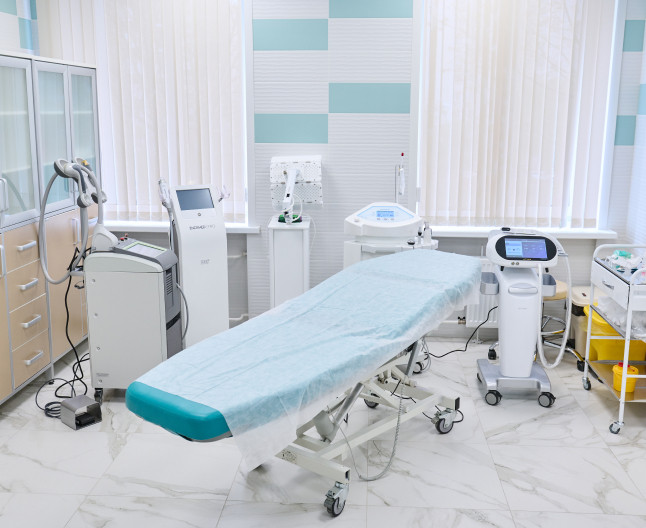
equipment

treatment





Etiology and pathogenesis
Despite intensive research, the exact cause remains unknown. Modern medicine views it as a multifactorial disease, based on a combination of genetic predisposition, immune system dysfunction, and environmental influences.
Evidence of the significant influence of heredity is the high frequency of familial cases of the disease and the identification of over 200 gene loci associated with the risk of developing UC. These genes are responsible for regulating the immune response, intestinal barrier function, and interaction with microbial antigens. However, a genetic defect does not guarantee development; it merely increases the likelihood.
According to one of the leading theories, the disease is autoimmune in origin. It develops as the body's own immune system produces antibodies and attacks intestinal cells, causing inflammation.
The pathogenesis of ulcerative colitis, according to the autoimmune theory, is a cascade of events:
- Violation of the integrity of the intestinal mucosal barrier
- Penetration of antigens into the submucosal layer
- Abnormal activation of the immune response with the release of proinflammatory mediators
- Damage to mucosal cells and ulceration
- Impaired absorption and motility
- Manifestation of the main symptoms
Risk and protective factors
The development of colitis is determined by a complex interaction of various factors, which can be roughly divided into those that increase risk and those that have a protective effect. Understanding these factors is important for identifying risk groups and developing preventive approaches.
Predisposing factors:
- Intestinal dysbiosis. Disruption of the normal composition and diversity of the intestinal microbiota can serve as a trigger. A decrease in the number of bacteria that produce butyric acid and other short-chain fatty acids leads to a disruption of the integrity of the mucosal barrier.
- Previous intestinal infections. Diseases caused by pathogens such as Salmonella, Shigella, or Campylobacter can disrupt the integrity of the intestinal barrier and trigger an abnormal immune response.
- Environmental factors. Living in urban areas or regions with high levels of industrial pollution can contribute to immune system dysregulation.
- Uncontrolled use of NSAIDs. Nonsteroidal anti-inflammatory drugs, when taken chronically, can damage the intestinal mucosa and increase its permeability, potentially contributing to the onset or exacerbation of the disease.
- Stress. Psycho-emotional overstrain can trigger exacerbations and influence the severity of the disease through the brain-gut axis.
Protective factors:
- Breastfeeding. Breastfeeding promotes healthy microbiota and proper immune system development, which, in the long term, reduces the risk of developing not only UC but also other immune-mediated diseases.
- A diet high in dietary fiber and omega-3 fatty acids. A diet rich in fruits, vegetables, and fish supports a diverse microbiome and has natural anti-inflammatory potential.
- Appendectomy at a young age. Removal of the appendix statistically significantly reduces the risk of developing ulcerative colitis. It is suggested that this portion of the intestine may play a role in the immunopathogenesis of the disease.
Epidemiology
The prevalence of ulcerative colitis varies significantly across geographic regions and continues to change over time. Traditionally, UC is most commonly diagnosed in industrialized countries of North America and northern and western Europe, where prevalence rates are among the highest in the world, reaching 250-500 cases per 100,000 population.
However, over the past two decades, there has been a significant increase in the incidence of ulcerative colitis in countries of Eastern Europe, Asia, South America, and the Middle East, where ulcerative colitis was previously rare. This trend is associated with urbanization and lifestyle changes. In Russia, according to federal statistical data, the prevalence of ulcerative colitis has also shown a steady upward trend, approaching the global average.
The peak onset occurs in young adults—20-40 years of age—with a second, less pronounced increase observed in the age group after 50-55 years. Gender prevalence varies somewhat: among adult patients, the pathology is more often diagnosed in men, while in pediatric practice, conversely, girls are slightly more prevalent.
Particular attention is paid to two critical periods during the course of the disease:
- First year of illness. Particularly dangerous in the fulminant (lightning-fast) stage, which is associated with a high risk of life-threatening complications, such as toxic megacolon (increased intestinal diameter), intestinal perforation, and extensive bleeding.
- Tenth year of illness and beyond. From this point on, the risk of developing colorectal cancer increases significantly. This complication necessitates mandatory regular endoscopic monitoring.
Classification
To determine patient management tactics and assess the prognosis, a comprehensive classification of ulcerative colitis is used, based on three key criteria: the prevalence of the inflammatory process, the nature of the course, and the severity.
Classification by prevalence – reflects the anatomical localization:
- Proctitis. The inflammatory process is limited exclusively to the rectum. This is the most localized form of the disease.
- Left-sided colitis (distal). The lesion involves the rectum, sigmoid colon, and descending colon, extending no further than the splenic flexure.
- Total colitis (pancolitis). Inflammation affects the entire colon, proximal to the splenic flexure, including the transverse and ascending colon, and often the cecum.
Classification by nature of the flow:
- Acute. Diagnosed if the duration from the onset of symptoms does not exceed six months.
- Fulminant (lightning). An acute, highly aggressive form characterized by sudden onset, severe symptoms, and a high risk of life-threatening complications.
- Chronic and continuous. There are no clear periods of remission. Disease activity remains constant, despite ongoing therapy. The period of clinical improvement, if it occurs, lasts less than six months.
- Chronic relapsing. The most common course of the disease, in which periods of exacerbation alternate with periods of remission lasting more than six months. Within this form, the following are distinguished:
- rarely recurring: frequency of exacerbations is once a year or less
- frequently recurring: frequency of exacerbations is twice a year or more
The exacerbation severity classification evaluates the current disease activity based on a combination of clinical, laboratory, and endoscopic criteria. Mild, moderate, and severe forms are distinguished.
Symptoms of ulcerative colitis

The clinical presentation of ulcerative colitis varies considerably and depends directly on the location of the pathological process, the severity of the inflammation, and the nature of the disease. Symptoms can range from mild discomfort to life-threatening conditions.
Main manifestations
Key symptoms of the disease:
- Stool disorders. The most characteristic symptom is diarrhea mixed with mucus and pus. Bowel movements can reach 10-20 times a day, or more during a severe exacerbation. In contrast, isolated proctitis may cause constipation due to spasm of the upper intestinal tract due to rectal inflammation.
- Rectal bleeding. The nature can vary from streaks of scarlet blood on the surface of the stool to significant blood loss with clots.
- Urgent urge. Patients experience a painful, excruciating urge to defecate, often resulting in only a small amount of blood and mucus. This is due to inflammation and increased sensitivity of the rectum.
- Pain Syndrome. Abdominal pain is usually cramping. It is of moderate intensity and localized primarily in the left iliac region and lower abdomen. Pain often intensifies before defecation and subsides afterward. Severe, persistent pain is an alarming symptom that may indicate complications.
- Changes in general condition. The active phase of the disease is characterized by weakness, increased fatigue, decreased appetite, and weight loss, caused by impaired nutrient absorption in the gastrointestinal tract, chronic inflammation, and blood loss. Total colitis is the most severe.
Stages of the disease
The disease occurs in two stages: exacerbation and remission.
- Exacerbation (attack, active phase). The period of manifestation or intensification of disease symptoms. Duration and intensity vary.
- Remission. A period of absence or significant weakening of clinical symptoms.
The acute stage involves four successive stages, at each of which the intensity of clinical manifestations increases:
- Grade I – mild inflammation. Moderate swelling of the mucosa is visible. The intestinal wall becomes easily vulnerable, manifested by pinpoint hemorrhages.
- Grade II – moderate inflammation. The first-degree picture is accompanied by pronounced granularity of the mucosal surface, which takes on a sandpaper-like appearance. Against this background, superficial defects begin to form – erosions that do not penetrate the muscular layer. Dense deposits of fibrinous plaque may form on the intestinal walls.
- Grade III – severe inflammation. The inflammatory process worsens. Numerous erosions merge, forming deeper and more extensive ulcers. The intestinal lumen is filled with large amounts of turbid mucus, purulent exudate, and fresh blood. The mucous membrane is extremely fragile and bleeds spontaneously.
- Grade IV – extremely severe inflammation. In addition to widespread ulceration and purulent-hemorrhagic contents, signs of chronic tissue remodeling appear. Pseudopolyps – growths of granulation tissue at the site of long-standing ulcers or in regenerative zones – form.
Diagnostics
To diagnose ulcerative colitis, a comprehensive series of procedures is required, including clinical, laboratory, endoscopic, and histological examinations. The primary goal of diagnosis is not only to confirm the presence of chronic inflammation in the colon but also to rule out other conditions with similar symptoms, such as infectious colitis, Crohn's disease, diverticulitis, and ischemic colitis. It also determines the extent and activity of the condition, as well as identifies potential complications.
The Importance of Early Diagnosis
Timely detection of ulcerative colitis is a crucial factor for a favorable prognosis and a high quality of life for the patient. Early diagnosis allows:
- Start effective therapy before irreversible changes develop
- Prevent the development of serious complications
- Reduce the risk of colorectal cancer
- Achieve remission quickly and return to normal social and professional activities, avoiding the psychosocial consequences of chronic illness
Diagnostic methods
-
Clinical and anamnestic examination
The doctor thoroughly analyzes the patient's complaints, the duration of symptoms, the presence of extraintestinal manifestations, and clarifies the family history. The physical examination includes an assessment of the general condition, temperature and heart rate measurements, abdominal palpation for tenderness or distension, and a rectal examination.
- Laboratory diagnostics A complete blood count (CBC) can detect anemia, elevated white blood cell count, and elevated ESR as markers of active inflammation. A biochemical analysis evaluates C-reactive protein, albumin, and electrolyte levels. A stool test is also performed to measure fecal calprotectin, a biomarker of intestinal inflammation. Microbiological testing (culture) is mandatory.
-
Endoscopic diagnostics
Colonoscopy with multiple biopsies from different segments of the colon, including the terminal ileum, is the primary method for verifying the diagnosis. Biopsies are mandatory, even from macroscopically normal areas, to confirm the diagnosis histologically and rule out dysplasia.
-
Histological examination
Microscopic analysis of biopsies reveals changes characteristic of UC.
-
Visualization methods
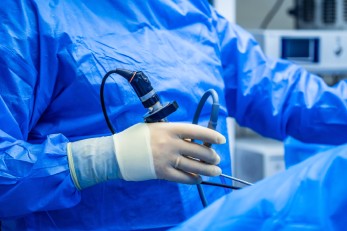
An ultrasound of the intestine may be performed to assess the thickening of the intestinal wall, the extent of the process, and to identify complications.
Treatment
Therapeutic strategy for ulcerative colitis is a comprehensive, individualized, and stepwise approach aimed at achieving and prolonging remission, preventing complications, and improving quality of life. The choice of strategy depends on the extent of the disease, the severity of the pathology, the nature of the disease, and the response to previous therapy. Modern treatment approaches for ulcerative colitis are aimed not only at relieving symptoms but also at achieving mucosal healing, which is associated with a more favorable long-term prognosis.
Drug treatment
The goal of conservative therapy is to relieve exacerbations. To achieve this, the doctor may prescribe various medications:
- 5-Aminosalicylic acid preparations. They are becoming a first-line treatment for mild to moderate forms of the disease. The dosage form (oral or topical suppositories) depends on the location of the inflammation. Proctitis is often effectively treated with topical forms alone, while more widespread conditions require a combination of suppositories and oral medications.
- Corticosteroids. Used for rapid relief of moderate to severe exacerbations due to their anti-inflammatory effects. They can be administered either orally or intravenously. They are often combined with aminosalicylates.
- Immunosuppressants. These are prescribed to patients with hormone-dependent disease or frequently recurring exacerbations, when it is impossible to reduce the corticosteroid dose without recurrence of symptoms. These medications modify the immune system, require regular blood testing due to potential side effects, and have a delayed onset of action.
- Biological agents. A modern class of targeted therapy designed to treat moderate to severe forms of UC that are resistant to standard therapy. They specifically block molecules or cells involved in the inflammatory cascade. They are prescribed when other medications are ineffective or intolerable and demonstrate high efficacy in achieving and maintaining remission.
Diet therapy
Diet is not a standalone treatment for ulcerative colitis, but it serves as an important adjunct, helping to reduce symptoms and correct nutritional deficiencies. Patients are recommended to follow Pevzner's diets No. 4, 4B, and 4V. The main goals of dietary modification are to suppress inflammation, eliminate excess fermentation and putrefaction in the intestines, and restore normal function to all parts of the gastrointestinal tract.
During an exacerbation, it is important to maintain a gentle digestive regimen. A low-fiber diet is recommended. Raw vegetables, fruits, whole grains, and legumes are excluded. Small, frequent meals are recommended. During severe exacerbations, enteral nutrition with special formulas may be temporarily used to ensure gastrointestinal tract comfort and correct protein-energy malnutrition.
During periods of remission, the body requires a complete and balanced diet to restore body weight and eliminate nutrient deficiencies. Fiber-rich foods are gradually introduced, but this is done carefully and on an individual basis. It is recommended to keep a food diary to identify individual food triggers that may cause discomfort.
When ulcerative colitis is diagnosed, regardless of the form, stage and nature of damage to the mucous membranes, the following are not recommended:
- Rich broths
- Baked goods
- Canned goods
- Smoked meats
- Sausages
- Confectionery
- Milk
- Coffee
- Alcoholic drinks
Surgical treatment
Surgical intervention is indicated when conservative therapy is ineffective, high-grade dysplasia is present, or life-threatening complications develop.
The main methods of performing the operation:
- Radical surgery is proctocolectomy with the creation of an ileoanal pouch anastomosis (J-pouch surgery). This is the most common type of procedure, during which the affected colon and rectum are completely removed, and a pouch is created from a portion of the small intestine, which is sutured to the anal canal. This allows for the preservation of the natural bowel movement and a high quality of life.
- Proctocolectomy with permanent ileostomy. This is performed when creating a pouch is technically impossible or undesirable due to the patient's age or sphincter insufficiency. A portion of the ileum is brought out onto the anterior abdominal wall, creating a stoma through which the intestinal contents are evacuated into a special colostomy bag.
Postoperative complications
Surgical treatment is usually associated with the risk of developing specific complications.
Early postoperative complications include:
- Anastomotic failure is the divergence of the sutures when connecting parts of the intestine.
- Inflammation in the pelvic area - abscess
- Bleeding
- Thromboembolism.
However, despite the risks, for many patients with severe forms of UC, surgical treatment becomes the only method that allows them to get rid of the debilitating symptoms of the disease and return to an active life.
Complications of ulcerative colitis
The course of ulcerative colitis can be accompanied by the development of serious complications, which are conventionally divided into local (intestinal) and systemic (extraintestinal). Their occurrence is directly related to the activity and duration of the inflammatory process, as well as the extent of mucosal damage.
Local complications
This group of complications develops directly within the gastrointestinal tract and is a consequence of progressive damage to the intestinal walls.
The most common consequences are:
- Toxic megacolon. One of the most serious complications, it is a paralytic dilation of the colon to 6 cm or more in diameter with thinning of the colon wall. It develops during a severe exacerbation. Motility is severely impaired, intestinal evacuation ceases, and intoxication increases. There is a high risk of intestinal perforation, which can lead to peritonitis and sepsis. It requires immediate surgical intervention.
- Perforation (breakthrough) of the intestinal wall. This can occur as a result of toxic megacolon or spontaneously with deep ulceration. It leads to the release of intestinal contents into the abdominal cavity and the development of peritonitis. It manifests as severe abdominal pain and a sharp deterioration in condition. Emergency surgery is required.
- Massive intestinal bleeding. Deep ulcers can damage large vessels in the submucosa, leading to profuse bleeding. Clinically, this manifests as profuse blood in the stool, weakness, dizziness, a drop in blood pressure, tachycardia, and signs of severe anemia. This requires urgent intervention.
- Narrowing of the intestinal lumen. Long-term chronic inflammation and scarring lead to the formation of strictures, which can cause partial or complete intestinal obstruction. It is important to differentiate these from malignant strictures.
- Colorectal cancer. The most serious long-term complication. The risk of malignancy increases significantly with total bowel involvement and disease duration of more than 8-10 years. Regular colonoscopy with multiple biopsies is essential for early detection of precancerous changes (dysplasia).
Systemic complications
Extraintestinal manifestations can affect virtually any organ or system, often impairing quality of life more than intestinal symptoms.
- From the musculoskeletal system – arthralgia, peripheral arthritis (usually migratory and asymmetrical), ankylosing spondylitis (inflammation of the spine)
- On the skin side – erythema nodosum (painful red nodules on the skin, most often on the shins), gangrenous pyoderma (severe skin ulceration with necrosis)
- On the part of the visual organs – eye pain, redness, photophobia, deterioration of vision
- On the liver side – primary sclerosing cholangitis – a chronic cholestatic disease leading to fibrosis and cirrhosis of the liver
- On the kidney side – urolithiasis with predominant formation of oxalate stones
Prevention
In the context of ulcerative colitis, preventive measures are particularly important, as primary prevention, aimed at preventing the onset of the disease, is often difficult due to its poorly understood and complex etiology. Therefore, the primary focus of modern medicine is secondary and tertiary prevention, aimed at preventing exacerbations, achieving stable remission, protecting against complications, and maintaining quality of life in patients with an established diagnosis.
Primary prevention
It is aimed at individuals with a potentially high predisposition (e.g., a strong family history) and involves minimizing exposure to controllable risk factors.
- Dietary adjustments. A balanced diet rich in omega-3 fatty acids, fiber, and probiotics is recommended to support a healthy microbiome.
- Avoiding uncontrolled medication use. Particular attention is paid to limiting the unnecessary use of nonsteroidal anti-inflammatory drugs, which can damage the intestinal mucosa, as well as antibiotics, which negatively affect the microflora.
- Stress management. Since chronic stress is considered a possible trigger, stress management practices such as breathing exercises, yoga, and cognitive behavioral therapy can be effective.
Medical rehabilitation
This is a set of measures aimed at maximizing the restoration of bodily functions after an exacerbation of the disease or surgery.
- Physical rehabilitation. Includes an individually tailored set of therapeutic exercises to strengthen the abdominal and pelvic floor muscles, especially in patients who have undergone surgery.
- Psychological support. Ulcerative colitis significantly impacts psychoemotional well-being. Working with a psychotherapist, individually or in support groups, helps patients accept the diagnosis, learn to live with a chronic condition, reduce anxiety, and protect against depression.
- Nutrition support. Gastrointestinal dysfunction inevitably leads to deficiencies of important nutrients, including proteins, amino acids, iron, vitamins D and B12, and calcium. Specialized medications aimed at compensating for this deficiency will be required.
Dispensary observation
Regular follow-up with a gastroenterologist is important for secondary prevention and is aimed at maintaining remission and early detection of complications.
The monitoring plan includes:
- Routine examinations. Even in remission, patients should be seen by a doctor at least 1-2 times a year, and more often if necessary.
- Monitoring laboratory and instrumental tests. These include a complete blood count and biochemical blood test, a fecal calprotectin test to assess inflammatory activity, and an abdominal ultrasound.
- Endoscopic monitoring. If indicated, the doctor may recommend regular endoscopy with biopsy for the early detection of dysplasia and bowel cancer. This is extremely important for patients with long-standing pancolitis and left-sided colitis.
Prognosis and quality of life with ulcerative colitis

Key factors influencing the prognosis:
- Prevalence of the lesion – patients with proctitis have a more favorable prognosis and a lower risk of systemic complications and malignancy compared to patients with total colitis
- Character of the course – a rarely recurring course is associated with a better long-term prognosis, while a continuous and frequently recurring course requires more intensive therapy, often entailing side effects
- Timeliness and adequacy of treatment – early administration of effective therapy to achieve not only clinical but also endoscopic remission significantly improves long-term results
- The presence of complications – the development of toxic megacolon, perforation or colorectal cancer worsens the prognosis
- Response to therapy – patients who achieve sustained remission have a better prognosis than those who are resistant to treatment
According to statistics, the risk of developing life-threatening complications without timely treatment reaches 81%. With adequate therapy, this figure drops to 8-12%.
Improving the quality of life is facilitated by strict adherence to all medical recommendations, regular monitoring, and a healthy lifestyle.
Clinical guidelines
Patient management for ulcerative colitis is based on international and national clinical guidelines, which are regularly updated based on the latest scientific evidence. These guidelines standardize the approach to diagnosis, treatment, and monitoring of the disease, ensuring maximum effectiveness and patient safety.
Key principles for managing patients with UC:
- Confirmation of the diagnosis. The diagnosis should be verified by colonoscopy and histological examination of biopsy specimens to differentiate from Crohn's disease and other colitis.
- Assessment of severity and prevalence. The choice of therapy is based on endoscopic prevalence and the severity of the attack based on objective indices.
- Risk stratification. This involves determining the risk group for severe disease progression and the need for intensive care based on prognostic factors (age, extensive lesion, deep ulcers).
- Treatment to target. A modern strategy in which treatment tactics can be modified until clearly defined results are achieved: first, clinical and laboratory remission, then endoscopic remission. Evaluation of effectiveness is carried out at regular intervals.
- Monitoring the safety of therapy. Patients receiving immunosuppressants and biological therapy should undergo regular screening to promptly identify side effects.

Question and Answer
Is it true that treatment for ulcerative colitis must be continued for life, even when there is no further discomfort?
Yes, this is the main rule for successful disease control. Ulcerative colitis is a chronic condition, and medications for maintaining remission are aimed at suppressing latent inflammation in the mucosa. If you stop taking the medication when you're feeling well, there's a high risk of a rapid relapse.
Is it possible to engage in sports and physical activity?
Not only is it possible, but it's also necessary. During remission, regular moderate physical activity (swimming, walking, yoga, Pilates) helps reduce stress, strengthen the body, and improve overall well-being. During flare-ups, avoid intense exercise and focus on recovery; only light activity, as needed, is acceptable.
Are ulcerative colitis and pregnancy compatible?
Yes, with proper planning. It's best to become pregnant when the pregnancy is in stable remission, achieved with therapy approved for pregnancy (most 5-ASA medications, many immunosuppressants, and some biologics are considered safe). Pregnancy should be monitored jointly by an obstetrician-gynecologist and a gastroenterologist.
Is ulcerative colitis hereditary? Can it be prevented if there is a history of the disease in the family?
When should medications for UC be injected or administered intravenously, rather than taken as pills?
Injectable medications are usually prescribed for moderate to severe forms of ulcerative colitis when oral therapy is ineffective. The decision is always made by a doctor on an individual basis for each patient.
Our doctors



































Sources and literature
- Клинические рекомендации – Язвенный колит – 2024-2025-2026 (29.05.2024) – Утверждены Минздравом РФ.
- Григорьева Г.А., Мешалкина Н.Ю. О проблеме системных проявлений воспалительных заболеваний кишечника. Фарматека. 2011; N 15, с. 44-49.
- Абдулхаков С. Р., Абдулхаков Р. А. Неспецифический язвенный колит: современные подходы к диагностике и лечению // Вестник современной клинической медицины. 2009. №1.
- Главнов Павел Викторович, Лебедева Надежда Николаевна, Кащенко Виктор Анатольевич, Варзин Сергей Александрович Язвенный колит и болезнь Крона. Современное состояние проблемы этиологии, ранней диагностики и лечения (обзор литературы) // Вестник Санкт-Петербургского университета. Медицина. 2015. №4.
- Князев О. В., Болдырева О. Н., Парфенов А. И., Ефремов Л. И., Гусейнзаде М. Г., Ручкина И. Н., Коноплянников А. Г., Сагынбаева В. Э., Грибанов И. И. Качество жизни больных воспалительными заболеваниями кишечника // ЭиКГ. 2011. №9.
- Raine T, Bonovas S, Burisch J, Kucharzik T, Adamina M, Annese V, Bachmann O, Bettenworth D, Chaparro M, Czuber-Dochan W, Eder P, Ellul P, Fidalgo C, Fiorino G, Gionchetti P, Gisbert JP, Gordon H, Hedin C, Holubar S, Iacucci M, Karmiris K, Katsanos K, Kopylov U, Lakatos PL, Lytras T, Lyutakov I, Noor N, Pellino G, Piovani D, Savarino E, Selvaggi F, Verstockt B, Spinelli A, Panis Y, Doherty G. ECCO Guidelines on Therapeutics in Ulcerative Colitis: Medical Treatment. J Crohns Colitis. 2022 Jan 28;16(1):2-17. doi: 10.1093/ecco-jcc/jjab178. PMID: 34635919.
- Rubin DT, Ananthakrishnan AN, Siegel CA, Sauer BG, Long MD. ACG Clinical Guideline: Ulcerative Colitis in Adults. Am J Gastroenterol. 2019 Mar;114(3):384-413. doi: 10.14309/ajg.0000000000000152. PMID: 30840605.

This award is given to clinics with the highest ratings according to user ratings, a large number of requests from this site, and in the absence of critical violations.

This award is given to clinics with the highest ratings according to user ratings. It means that the place is known, loved, and definitely worth visiting.

The ProDoctors portal collected 500 thousand reviews, compiled a rating of doctors based on them and awarded the best. We are proud that our doctors are among those awarded.
Make an appointment at a convenient time on the nearest date
Price
Other services

Appointment to the doctor
Reviews
Our clinics


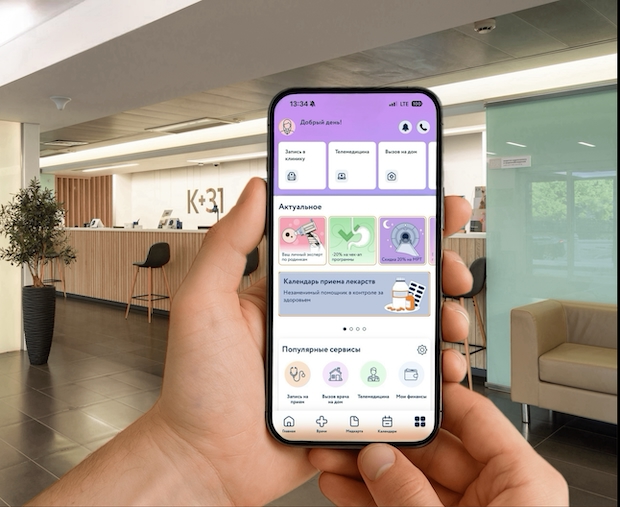
Application “Personal Account K+31”












General definition and information
Nonspecific ulcerative colitis is characterized by diffuse inflammation of the colonic mucosa. The key characteristic is reflected in the term "nonspecific," which indicates the lack of a clearly established cause, unlike infectious or ischemic colitis, which have a known origin.
The pathological process in UC always begins in the rectum and steadily spreads to the proximal colon, affecting its mucosal and submucosal layers. Inflammation leads to the formation of ulcers and erosions, which are the primary symptoms of the disease.
Ulcerative colitis (UC) alternates between periods of exacerbation and remission, requiring constant medical monitoring and individually tailored therapy. Although UC is a lifelong diagnosis, modern treatment approaches allow for long-term remission.