Chronic leukemia (CML and CLL): diagnosis, monitoring and treatment

Blood tumors develop differently. Some progress rapidly, while others progress for years with virtually no symptoms. The second group includes chronic leukemia.

Let's explore the differences between chronic myeloid leukemia and chronic lymphocytic leukemia, how chronic leukemia is diagnosed, and the benefits of seeing a hematologist-oncologist.

Best specialists
Best
specialists
Expert equipment
Expert
equipment
Advanced diagnostic treatment
Advanced diagnostic
treatment
Sign up
Fill out the entry form on the page and we will call you back
Sign up Позвонить
Download the application “Personal Account K+31”
Everything about your health in one click!
Subscribe to social networks K+31
To keep up to date with current offers and receive useful advice about your health.

What is chronic leukemia

This group includes blood tumors that disrupt cell maturation in the bone marrow. The changes are only noticeable through blood tests for a long time, and two types are most common: CML and CLL.

How do chronic leukemias differ from acute forms?

The main difference is speed. In acute leukemia, cells accumulate within weeks. Slower forms can take years. Therefore, accurate diagnosis and monitoring are more important than immediate treatment.

Chronic myeloid leukemia (CML)

This variant is based on a genetic defect—the Philadelphia chromosome and the BCR-ABL protein. Chronic myeloid leukemia is often discovered incidentally by high white blood cell counts in a blood test. In this case, targeted therapy is the leading treatment option.

Chronic lymphocytic leukemia (CLL)

Another variant involves the accumulation of altered lymphocytes in the blood and lymph nodes. Chronic lymphocytic leukemia is more common in older patients and can remain stable for a long time.

To make the differences clearer, we'll summarize the key parameters in a table.

Parameter CML CLL
Origin Myeloid lineage of bone marrow B lymphocytes
Target cells Granulocytes, myeloid precursors Mature lymphocytes
Symptoms Weakness, weight loss, large spleen Enlarged nodes, anemia, infections
Diagnosis Philadelphia chromosome, PCR Immunophenotyping, FISH
Treatment Tyrosine kinase inhibitors Observation, targeted drugs, chemoimmunotherapy
Observation Molecular response every 3-6 months Lymphocyte monitoring, ultrasound of nodes

The table makes it clear why the approaches to the two diseases differ.

Symptoms of chronic leukemia

Symptoms of chronic leukemia

The presentation depends on the form and stage. Early symptoms may be asymptomatic, but as the disease progresses, signs of impaired hematopoiesis and organ enlargement appear.

Early signs of the disease

The initial symptoms are nonspecific and can easily be attributed to fatigue or age. The following complaints deserve attention:

  • Unexplained weakness and fatigue
  • Night sweating
  • Low fever without a cold
  • Heaviness in the left hypochondrium
  • Frequent infections

No single symptom alone confirms the diagnosis, but their combination is a reason to have a blood test.

Symptoms of chronic leukemia

Symptoms of progression

As the process progresses, complaints become more noticeable. Weakness increases, weight loss occurs, lymph nodes enlarge, and in the myeloid variant, the spleen also enlarges; anemia and bleeding are possible.

When to see a doctor

And here's when you need to schedule a consultation with a hematologist without delay:

  • Persistent changes in blood tests
  • Enlarged lymph nodes
  • Increased fatigue and night sweats
  • Unexplained weight loss
  • Enlarged spleen
  • The need to clarify or verify the diagnosis

The sooner a person sees an oncohematologist, the more accurate the treatment plan can be.

Causes and risk factors

The exact cause is often unclear: it involves random genetic changes in bone marrow cells, not infection. However, there are circumstances that increase the risk of developing the disease.

Possible mechanisms of disease development

The underlying cause is a defect in a hematopoietic cell, which divides uncontrollably and passes the defect on to its offspring. In the myeloid variant, BCR-ABL plays a key role, while in the lymphocytic variant, changes in lymphocytes play a key role. Understanding this has enabled the development of antitumor therapy.

Factors that increase risk

There are few controllable factors, but it is important to list them:

  • Age over 50-60 years
  • Exposure to ionizing radiation
  • Contact with certain chemicals, such as benzene
  • Certain hereditary traits

The presence of a factor does not necessarily indicate the disease—it is merely a reason to pay closer attention to routine blood tests.

Causes and risk factors

Diagnosis of chronic leukemia

The examination is structured in stages, from simple to complex. Typically, the diagnosis of chronic leukemia proceeds in the following sequence:

  1. Consultation with an oncologist-hematologist and examination
  2. Laboratory blood tests with cell count
  3. Cytogenetic study and molecular genetic analysis
  4. Bone marrow examination - puncture, if necessary, trephine biopsy
  5. Instrumental diagnostics: ultrasound, CT scan if indicated

This procedure helps to immediately collect the data needed to prescribe therapy.

Consultation with an oncologist-hematologist at "K+31"

The first step is a consultation and examination. The doctor evaluates the lymph nodes, liver, and spleen, and the consultation with the hematologist determines the further plan.

Laboratory blood tests

The basic method is a complete blood count and biochemical blood test. This shows the number of leukocytes and lymphocytes, and any deviations in blood counts are often the first sign of trouble.

Molecular genetic diagnostics

To clarify the nature of the tumor, genetic testing is used: for myeloid leukemia, BCR-ABL is tested using PCR, and for lymphocytic leukemia, markers are assessed using immunophenotyping. Molecular diagnostics confirm the diagnosis and help monitor the response.

Bone marrow examination

In some cases, bone marrow specimens are needed—this is obtained through a puncture or trephine biopsy. A bone marrow biopsy reveals the extent of the hematopoietic disorder.

Instrumental diagnostics

Visualization methods complement the picture. Ultrasound assesses the size of the spleen and liver, and a CT scan is prescribed if necessary.

"In practice, we often see chronic leukemias detected incidentally—through a routine blood test. Therefore, timely diagnosis, molecular genetic analysis, and regular treatment monitoring are so important. Comprehensive support allows for timely adjustments to treatment strategy,"

— oncologist-hematologist.

General information

Treatment of chronic myeloid leukemia (CML)

The approach to the myeloid variant has changed significantly: targeted drugs have made the disease manageable for years. The mainstay of CML treatment is tyrosine kinase inhibitors.

Therapy selection

The regimen is selected individually, taking into account the stage, age, and tolerance. Targeted therapy is taken in tablets long-term, with the goal of achieving remission.

Monitoring the molecular response

During treatment, BCR-ABL levels are regularly measured to monitor effectiveness, or the molecular response. Disease monitoring is performed every 3-6 months.

Long-term monitoring

Even with a good outcome, monitoring is not discontinued. This type of treatment monitoring allows for early detection of diminishing effectiveness and the appropriate adjustment of the regimen.

Treatment of chronic myeloid leukemia (CML)

Treatment of chronic lymphocytic leukemia (CLL)

The approach for the lymphocytic variant is different: if the disease progresses quiescently, observation is more reasonable. Treatment for CLL begins when it is truly justified.

When treatment is required

Disease activity, not the diagnosis itself, is the indication. This is indicated by rapid lymph node growth, anemia, and decreased platelet count; until then, the doctor actively monitors the patient.

Modern therapy methods

The choice has expanded to include targeted therapy, chemoimmunotherapy, and, for certain mutations, targeted drugs. The decision depends on the tumor's genetics, so molecular genetic analysis is also important here.

Evaluation of treatment effectiveness

The outcome is assessed based on tests, node size, and the patient's overall well-being. If remission is achieved, they move on to observation.

Treatment of chronic lymphocytic leukemia (CLL)

Monitoring after diagnosis

Working with a diagnosis doesn't end with treatment selection—long-term monitoring lies ahead. Regularity is more important than intensity.

Regular checkups at "K+31"

The schedule of visits is determined individually: typically, examinations and tests are done every few months. This regular monitoring helps to detect changes.

Test monitoring

Between visits, laboratory data are used as a reference: blood count changes, white blood cell counts, and, in myeloid leukemia, molecular markers. These help determine whether the effect is continuing.

Prevention of complications

Special attention is paid to the prevention of complications. For patients with lymphocytic leukemia, protection from infections is important, and for everyone, monitoring of concomitant diseases is essential.

Monitoring after diagnosis

Advantages of integrated patient management

When all stages are brought together in one place and managed by a unified team, the patient feels more at ease. In practice, this format provides:

  • An integrated approach to diagnosis and treatment
  • Consultations with an oncologist-hematologist
  • Modern molecular genetic testing
  • Personalized treatment plan
  • Dynamic patient monitoring and treatment effectiveness monitoring
  • Support at all stages

This way, the patient understands what is happening and why.

Advantages of integrated patient management

Answers to frequently asked questions

We've compiled a list of frequently asked questions; the answers are general in nature and do not replace an in-person consultation with a hematologist.

What is chronic myeloid leukemia?

This is a blood cancer caused by a genetic defect in bone marrow cells. Modern treatment with targeted drugs allows most patients to control the disease.

Does chronic lymphocytic leukemia always need to be treated?

No. In this case, active surveillance is often chosen, with therapy initiated when signs of progression are detected.

What tests are needed for diagnosis?

General and biochemical blood tests, immunological and molecular genetic studies, bone marrow examination and visualization.

Is it possible to keep the disease under control for a long time?

Yes. With regular monitoring and adherence to treatment, many patients maintain remission for years.
Make an appointment with an oncologist-hematologist at K+31

If there are changes in the analyzes or you want to double-check the finished conclusion, it is wise to see a specialist. Diagnosis of chronic leukemia and further treatment of chronic leukemia are built into a single route - from the first appointment to long-term observation.

Sign up for a consultation with an oncologist-hematologist, and we will figure out the situation together.

List of sources

Category of Clinical Guidelines of the Ministry of Health of the Russian Federation — https://cr.minzdrav.gov.ru/

Portal of the All-Russian Public Organization "Russian Society of Oncohematologists" — https://oncohematology.ru/

Russian Society of Clinical Oncology (RUSSCO) — https://rosoncoweb.ru

National Medical Library PubMed (Russian-language materials and reviews on the topic) — https://pubmed.ncbi.nlm.nih.gov

Disease Directory on the Doctor's Consultant Portal — https://www.rosmedlib.ru

Encyclopedia and Reference Materials of the Russian Medical Society — https://www.rmj.ru

Federal State Budgetary Institution "National Medical Research Center of Hematology" of the Russian Ministry of Health — https://blood.ru

A large medical encyclopedia and specialized materials on hematology — https://www.mediasphera.ru

Our doctors
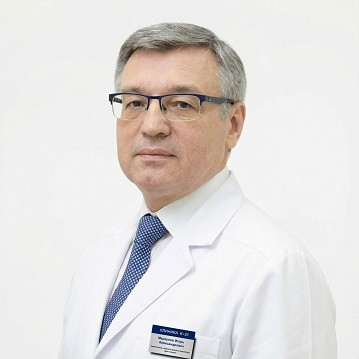
Merkulov Igor Alexandrovich
Experience 34 years
Make an appointment
Merkulov
Igor Alexandrovich
Deputy Chief Physician for Oncology, Oncologist
Ershova Ksenia Igorevna
Experience 23 years
Make an appointment
Ershova
Ksenia Igorevna
Head of department, oncologist
Abashin Sergey Yuryevich
Experience 43 years
Make an appointment
Abashin
Sergey Yuryevich
Head of oncology projects, oncologist
Balkarov Beslan Khasenovich
Experience 17 years
Make an appointment
Balkarov
Beslan Khasenovich
Surgeon, oncologist, acting head of the surgical department
Volkova Daria Mikhailovna
Experience 17 years
Make an appointment
Volkova
Daria Mikhailovna
Head of the Department of Radiation Therapy, Radiotherapist
Morozova Albina Soslanovna
Experience 18 years
Make an appointment
Morozova
Albina Soslanovna
Acting head of the department of antitumor drug therapy, oncologist
Chudnykh Sergey Mikhaylovich
Experience 42 years
Make an appointment
Chudnykh
Sergey Mikhaylovich
Rukovoditel Tsentra Endokrinologii I Korrektsii Metabolicheskikh Narusheniy
Glotov Egor Maksimovich
Experience 11 years
Make an appointment
Glotov
Egor Maksimovich
Thoracic surgeon
Khromov Roman Aleksandrovich
Experience 22 years
Make an appointment
Khromov
Roman Aleksandrovich
Urologist
Berestok Tatyana Sergeevna
Experience 11 years
Make an appointment
Berestok
Tatyana Sergeevna
Oncologist, Mammologist, Plastic Surgeon
Pereverzev Maksim Andreevich
Experience 11 years
Make an appointment
Pereverzev
Maksim Andreevich
Oncologist-Mammologist, Plastic Surgeon
Kalakutskaya Natalia Lvovna
Experience 28 years
Make an appointment
Kalakutskaya
Natalia Lvovna
Doctor-oncologist
Malygin Sergey Evgenyevich
Experience 31 year
Make an appointment
Malygin
Sergey Evgenyevich
Oncologist-mammologist, surgeon
Pshikhachev Ahmed Mukhamedovich
Experience 23 years
Make an appointment
Pshikhachev
Ahmed Mukhamedovich
Urologist, Oncologist
Shevchuk Alexei Sergeyevich
Experience 26 years
Make an appointment
Shevchuk
Alexei Sergeyevich
Oncogynecology consultant, obstetrician-gynecologist
Chichkanova Tatyana Vladimirovna
Experience 25 years
Make an appointment
Chichkanova
Tatyana Vladimirovna
Oncologist-mammologist, radiologist
Ovsiy Oksana Gennadievna
Experience 14 years
Make an appointment
Ovsiy
Oksana Gennadievna
Doctor-oncologist
Katz Ksenia Vladimirovna
Experience 12 years
Make an appointment
Katz
Ksenia Vladimirovna
Dermatologist, oncologist, cosmetologist
Korshikova Kamila Mukhtorovna
Experience 5 years
Make an appointment
Korshikova
Kamila Mukhtorovna
Radiotherapist
Ter-Arutyunyants Svetlana Andreevna
Experience 27 years
Make an appointment
Ter-Arutyunyants
Svetlana Andreevna
Radiotherapist, oncologist
Udin Oleg Ivanovich
Experience 32 years
Make an appointment
Udin
Oleg Ivanovich
Deputy chief physician for surgery, surgeon
Kogonia Lali Mikhailovna
Experience 52 years
Make an appointment
Kogonia
Lali Mikhailovna
Chemotherapist
Gomov
Mikhail Alexandrovich
Consultant in oncogynecology, obstetrician-gynecologist
Menkes (Ryabova) Yulia Alexandrovna
Experience 5 years
Make an appointment
Menkes (Ryabova)
Yulia Alexandrovna
Oncologist-chemotherapist
Grishin Igor Igorevich
Experience 33 years
Make an appointment
Grishin
Igor Igorevich
Obstetrician-gynecologist
Achba Maya Otarovna
Experience 18 years
Make an appointment
Achba
Maya Otarovna
Radiologist, ultrasound diagnostician, oncologist-mammologist
Lukyanenko Vladimir Alexandrovich
Experience 18 years
Make an appointment
Lukyanenko
Vladimir Alexandrovich
Oncologist-mammologist
Volenko Ivan Alexandrovich
Experience 15 years
Make an appointment
Volenko
Ivan Alexandrovich
Surgeon-oncologist-mammologist, plastic surgeon
Yakovleva Yana Sergeevna
Experience 8 years
Make an appointment
Yakovleva
Yana Sergeevna
Radiotherapist
Ivanova Olga Vladimirovna
Experience 26 years
Make an appointment
Ivanova
Olga Vladimirovna
Radiotherapist
Magdiev Arslan Khulatdaevich
Experience 14 years
Make an appointment
Magdiev
Arslan Khulatdaevich
Surgeon, oncologist, phlebologist
Iluridze Georgy Davidovich
Experience 9 years
Make an appointment
Iluridze
Georgy Davidovich
Oncologist, traumatologist-orthopedist, surgeon
Alferov Anton Sergeevich
Experience 16 years
Make an appointment
Alferov
Anton Sergeevich
Leading urologist, andrologist
Gabaraev Alan Petrovich
Experience 13 years
Make an appointment
Gabaraev
Alan Petrovich
Urologist, andrologist
Nemenov Alexander Alexandrovich
Experience 7 years
Make an appointment
Nemenov
Alexander Alexandrovich
Urologist, oncologist (oncourologist)
Melkonyan Lia Eduardovna
Experience 13 years
Make an appointment
Melkonyan
Lia Eduardovna
Oncologist, oncologist-mammologist, surgeon, radiologist, ultrasound diagnostician
Sokorutov Vasily Ivanovich
Experience 22 years
Make an appointment
Sokorutov
Vasily Ivanovich
Oncologist
Ivanov Alexey Mikhailovich
Experience 22 years
Make an appointment
Ivanov
Alexey Mikhailovich
Oncologist
Mashkey Maria Igorevna
Experience 2 years
Make an appointment
Mashkey
Maria Igorevna
Oncologist
Dubinina Yulia Nikolaevna
Experience 13 years
Make an appointment
Dubinina
Yulia Nikolaevna
Oncologist, hematologist
Ilyukhov Alexey Nikolaevich
Experience 23 years
Make an appointment
Ilyukhov
Alexey Nikolaevich
Oncologist
All specialists
2GIS Award
2GIS Award

This award is given to clinics with the highest ratings according to user ratings, a large number of requests from this site, and in the absence of critical violations.

«Good place» according to Yandex

This award is given to clinics with the highest ratings according to user ratings. It means that the place is known, loved, and definitely worth visiting.

Our doctors are laureates of the ProDoctors Award
The ProDoctors portal collected 500 thousand reviews, compiled a rating of doctors based on them and awarded the best. We are proud that our doctors are among those awarded.
Make an appointment at a convenient time on the nearest date

Price

Reception
Price
Primary oncologist appointment
from 6 450 ₽
Repeated appointment with an oncologist
from 5 700 ₽

Other cancer treatment services

Breast Cancer Treatment (BC) Colon and rectal cancer Oncologists' council Chemotherapy Second opinion in oncology Diagnosis, Treatment, and Removal of Skin Melanoma Tumors of the head and neck PET-CT (positron emission tomography) in Moscow Targeted therapy Diagnostics Biopsy under ultrasound guidance Genetic tests for cancer Palliative care Treatment of oncology (tumors, cancer) of the lung and mediastinum Ovarian cancer Soft tissue tumors Endocrine therapy Immunotherapy Pancreas cancer Rehabilitation Prevention of hair loss during chemotherapy Port system Surgery Consultation with an oncologist CHI treatment Liver cancer Cancer rehabilitation Chemoembolization Radioembolization for liver cancer Progress in oncology: modern approaches and best practices Round table: Personalized approach to the assessment and treatment of pain in cancer patients Healing from within: how to build nutrition for cancer patients Oncology in K+31 West Diagnosis and treatment of throat cancer (larynx) Diagnosis and treatment of Crohn's disease Treatment of oncology (tumors, cancer) of the brain Skin cancer treatment Treatment of lip cancer Ulcerative colitis Cervical cancer: diagnosis and treatment BCG therapy in K+31: effective treatment for bladder cancer HIPEC Cytoreductive surgeries Treatment of laryngeal cancer Tongue cancer Soft tissue tumors (soft tissue sarcomas) Oral cancer Acute leukemia Oncogenetics Hodgkin's lymphoma Non-Hodgkin's lymphoma Myeloma Diet for cancer Head tumors Bone tumors Tissue tumors Prevention of alopecia MDS Polycythemia and thrombocythemia Thyroid cancer Cholangiocarcinoma Parathyroid cancer Adrenal cancer NETs
SIGN UP FOR A CONSULTATION

Appointment to the doctor

Fill out the form, our managers will contact you within 15 minutes

Reviews

Attentive and careful approach Thank you
13.08.2026
Nataliya N.

About doctor:

Achba Maya Otarovna

Anton Sergeevich received me earlier than the appointed time, conducted all the necessary research, politely and easily explained certain aspects that interested me. The doctor gave the impression of being a very professional specialist.
13.08.2026
Georgiy M.

About doctor:

Alferov Anton Sergeevich

A wonderful doctor!!! I've told you everything, explained it! Helped!
13.08.2026
Antonina L.

About doctor:

Alferov Anton Sergeevich

A very warm welcome, administrator Antonina, very attentive, patient and correct, makes out and charges with positivity! Dr. Ivanov Alexey Mikhailovich is attentive and friendly, Nurse Irina is in the treatment room, she is also very pleasant and helpful, overall, the clinic has a pleasant impression!!!
12.08.2026
Marina L.
I would like to express my deep gratitude to the doctors: Morozova A.S. and Ivanov M.A. for high professionalism, literacy, sensitive and caring attitude towards patients..
10.08.2026
Irina I.
He performed laparoscopic removal of the gallbladder. I note the highest professionalism of the doctor. He was discharged three days after the operation. There was practically no temporary disability. Two years have passed since the operation. I feel great. Doctor: Magdiev A.H. 08.08.2026
07.08.2026
Konstantin Z.
As always, at the highest level!
07.08.2026
Tatyana V.

About doctor:

Melkonyan Lia Eduardovna

Почему К+31?
К + 31 — full-cycle multidisciplinary medical centers, including the possibility of providing medical services of European quality level.
К + 31 — are leading doctors and diagnostics using high-tech equipment from world manufacturers (Karl Storz, Olympus, Siemens, Toshiba, Bausch&Lomb, Technolas, Zeiss, Topcon).
К + 31 — is ethical. The staff of K+31 clinics maintain open relationships with patients and partners. An individual approach to each patient is the basis of our service standards.
К + 31 — is modernity. On call 24/7: call center operators will answer your questions at any time and book you an appointment with doctors. Contact us by phone, through the feedback form on the website and Max.
Our clinics

Address K+31 on Lobachevskogo

st. Lobachevskogo, 42/4

Contacts

+7 499 999-31-31

Opening hours
Mon-Fri: 08:00 – 21:00
Weekend: 09:00 – 19:00

Address K+31 West
Orshanskaya, 16/2; Ak. Pavlova, 22

Contacts

+7 499 999-31-31

Opening hours

Mon-Fri: 08:00 – 21:00
Sat-Sun: 09:00 – 18:00
K+31 West
Didn't find the service you were looking for?

Экстренная помощь