
Head and Neck Tumors
Hoarseness that lasts a month, a non-healing mouth ulcer, a hard lump in the neck—these complaints can easily be mistaken for a cold or fatigue. Sometimes they conceal head and neck tumors, and the sooner they are detected, the more reassuring the patient can be about treatment.

specialists

equipment

treatment







What organs are part of the head and neck area?
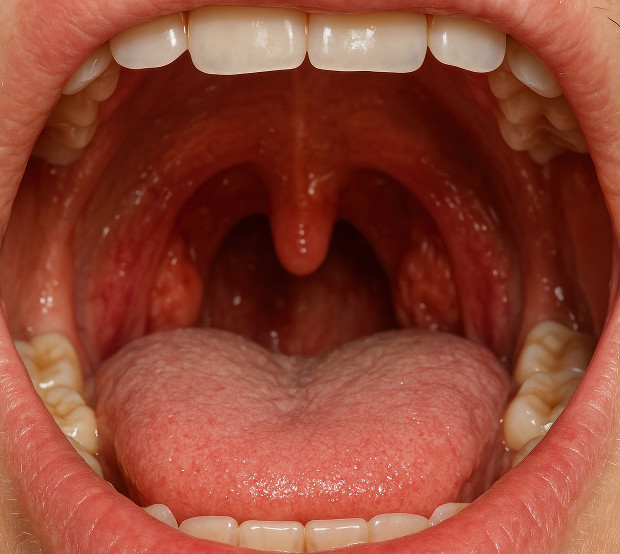
The head and neck area encompasses several zones, each with its own type of tumor:
- Oral cavity – tongue, gums, buccal mucosa
- Larynx and pharynx – vocal cords and airway
- Nose and paranasal sinuses
- Salivary glands
- Thyroid gland
Each zone has its own characteristic complaints, so we'll look at them separately.
Oral tumors
Here, non-healing ulcers, white or red spots on the mucosa, and lumps are of concern. Oral cancer is often associated with smoking and trauma to the mucous membrane from sharp teeth.
Laryngeal and Pharyngeal Tumors
The main warning sign is persistent hoarseness and a lump in the voice when swallowing. Laryngeal cancer is more often diagnosed in long-term smokers, and the voice changes long before pain occurs.

Nasal and Sinus Tumors
They can masquerade for a long time as a persistent runny nose, congestion on one side of the nose, and recurring nosebleeds.
Salivary Gland Tumors
Usually, this is a painless lump near the ear or under the jaw. Salivary gland tumors can be benign, but they require examination, as their nature cannot be determined by appearance.
Thyroid Tumors
They are often a nodule noticed by chance or on ultrasound; most are harmless, but some require clarification to rule out malignancy.

Manifestations depend on the organ affected, but head and neck cancer often has no symptoms. Symptoms of head and neck tumors are long-lasting and do not resolve with conventional treatment.
Early Signs
Initially, these include hoarseness lasting longer than three weeks, difficulty swallowing, a slight lump in the neck, and a persistent runny nose on one side. Early detection at this stage yields the best results.
Symptoms requiring urgent medical attention
You should see an oncologist without delay if you experience the following signs:
- Hoarseness lasts longer than three weeks
- You have a mouth ulcer that is taking a long time to heal
- A lump or swelling has appeared in the neck
- Swallowing has become difficult and painful
- Frequent nosebleeds
- Swollen lymph nodes
These signs of cancer can also occur in other conditions, but they should be checked by a specialist: malignant tumors of the head and neck metastasize to the lymph nodes of the neck.
General information
Diagnosis of Head and Neck Tumors
The examination is structured step by step: diagnosis of head and neck tumors progresses from examination to visualization and confirmation.
Oncologist Consultation
It all begins with a conversation and examination. A consultation with a head and neck oncologist helps you understand which tests are needed and avoid wasting time on unnecessary ones.
Endoscopic Examinations
A thin, flexible endoscope examines the pharynx, larynx, and nasal cavity from the inside. Endoscopy reveals lesions inaccessible to the naked eye and immediately helps identify a biopsy site.
Ultrasound Diagnostics
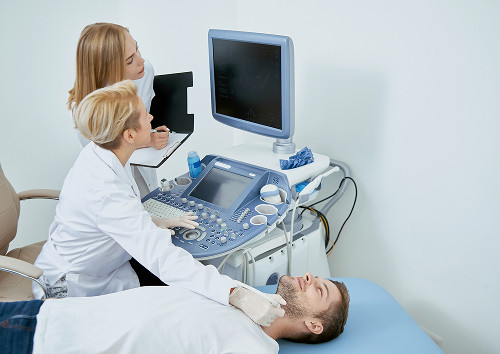
Ultrasound evaluates the soft tissues of the neck, salivary glands, thyroid gland, and lymph nodes—it is a quick and safe first-line method.
CT and MRI
Imaging methods show the size of the lesion and its relationship to adjacent structures. CT better visualizes bone, MRI soft tissue, and together they determine the stage of the disease.
Biopsy and Morphological Verification
A tumor biopsy is the final step: the doctor takes a tissue sample, and a morphological examination under a microscope confirms the diagnosis. Treatment is not started without it.
How the methods complement each other is evident from the comparison.
| Method | What it allows to evaluate | Features |
|---|---|---|
| Ultrasound | Soft tissues and lymph nodes | Rapid examination |
| CT | Bone and extent | High detail |
| MRI | Soft tissues | High Informativeness |
| Biopsy | Nature of cells | Gold standard |
The doctor puts the results together.



Why it's important to seek medical attention at the first symptoms
Early-stage head and neck cancer is easier to treat. When the lesion is small, the doctor has more options and a higher chance of preserving speech, which is why treating head and neck tumors and early detection are so important.
Doctor's quote:
"In our practice, we regularly encounter situations where early patient consultation allows us to detect a tumor at a stage when the most effective treatment options are available. Therefore, any long-term symptoms in the head and neck area require professional evaluation by a specialist."

Schedule an oncologist consultation at K+31
Scheduling an appointment is easier than putting off anxiety. A few steps are all it takes:
- Submit a request by phone or through the form on the website
- Prepare your medical records and previous test results
- Come for an examination and consultation with a specialist
- Receive a personalized examination plan
The doctor will determine the exact diagnosis and treatment plan after an in-person examination, while the method and prognosis depend on the type of lesion, stage, and patient condition.

Frequently Asked Questions
We have collected frequently asked questions from patients:
What symptoms may indicate a head and neck tumor?
What tests are needed to make a diagnosis?
Can a tumor be detected at an early stage?
Why is a biopsy necessary?
References
- Clinical Guidelines of the Ministry of Health of the Russian Federation on Oncology: https://cr.minzdrav.gov.ru
- Category of Clinical Guidelines of the Ministry of Health of the Russian Federation: https://cr.minzdrav.gov.ru/#!/rubricator
- Russian Society of Clinical Oncology (RUSSCO): https://rosoncoweb.ru
- Scientific Electronic Library eLIBRARY: https://elibrary.ru
- CyberLeninka: https://cyberleninka.ru
- MSD Manual (Russian version): https://www.msdmanuals.com/ru
- N.N. Sechenov National Medical Research Center of Oncology Blokhin: https://www.ronc.ru
- National Medical Research Center of Radiology of the Ministry of Health of the Russian Federation: https://nmicr.ru
- PubMed (materials with available Russian-language reviews and links): https://pubmed.ncbi.nlm.nih.gov
- RLS Encyclopedia: https://www.rlsnet.ru
- Russian Society of Head and Neck Tumor Specialists: https://hnonco.ru
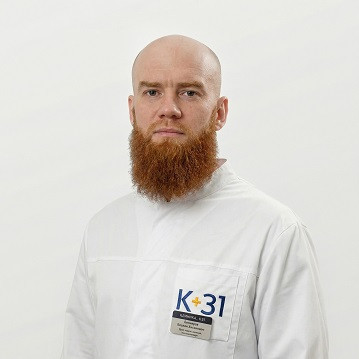
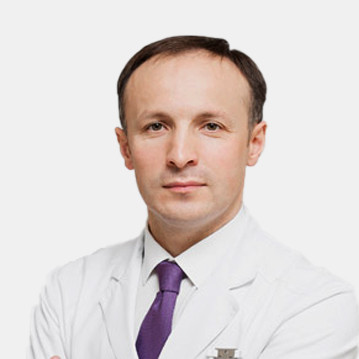
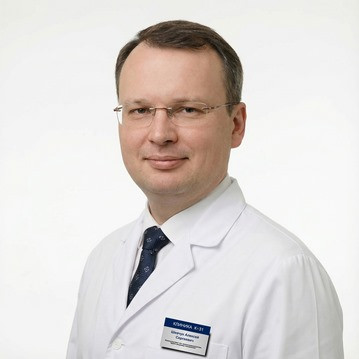
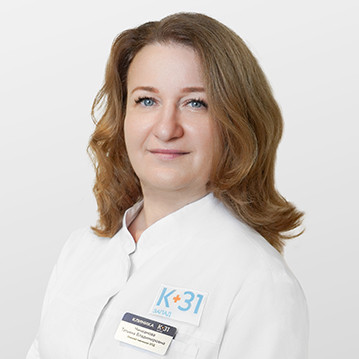
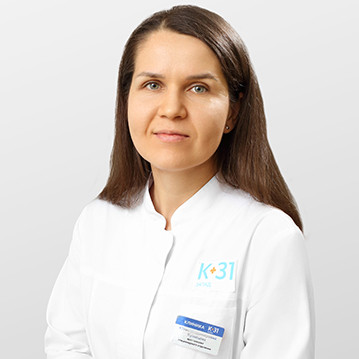
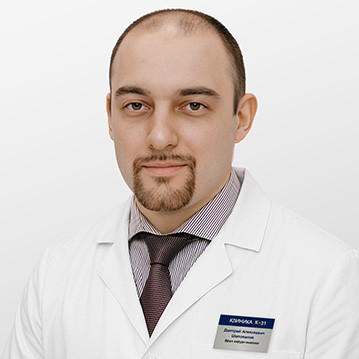
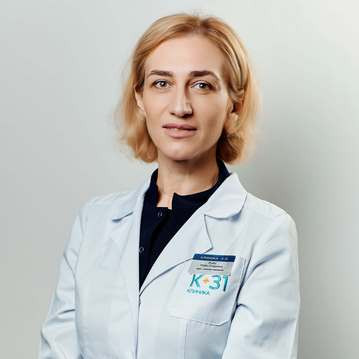
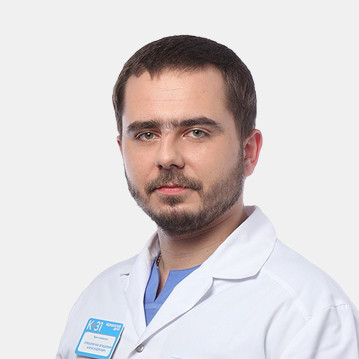
Our doctors



















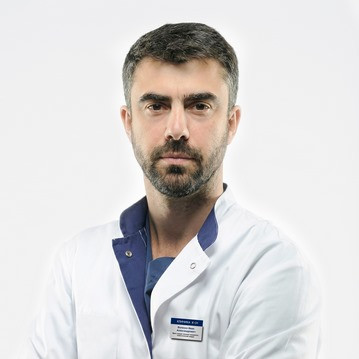




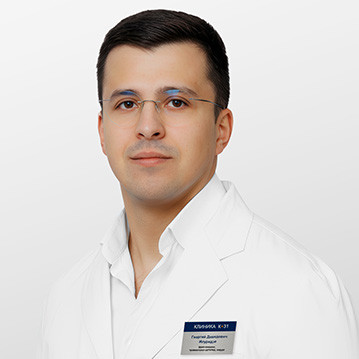
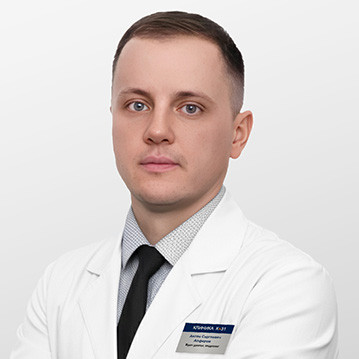
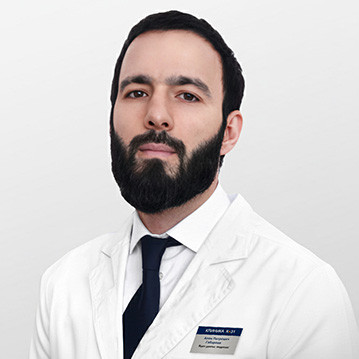
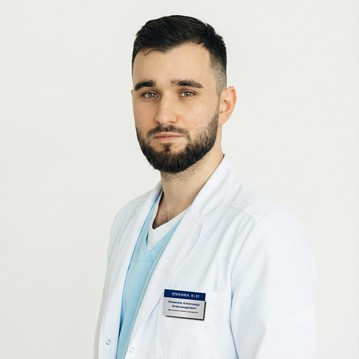





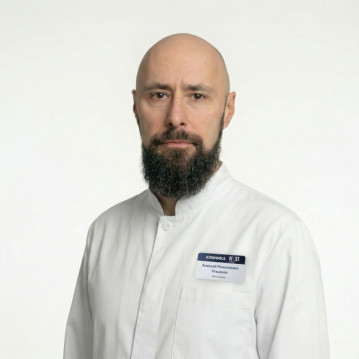

This award is given to clinics with the highest ratings according to user ratings, a large number of requests from this site, and in the absence of critical violations.

This award is given to clinics with the highest ratings according to user ratings. It means that the place is known, loved, and definitely worth visiting.

The ProDoctors portal collected 500 thousand reviews, compiled a rating of doctors based on them and awarded the best. We are proud that our doctors are among those awarded.
Make an appointment at a convenient time on the nearest date
Price
Other services

Appointment to the doctor
Reviews


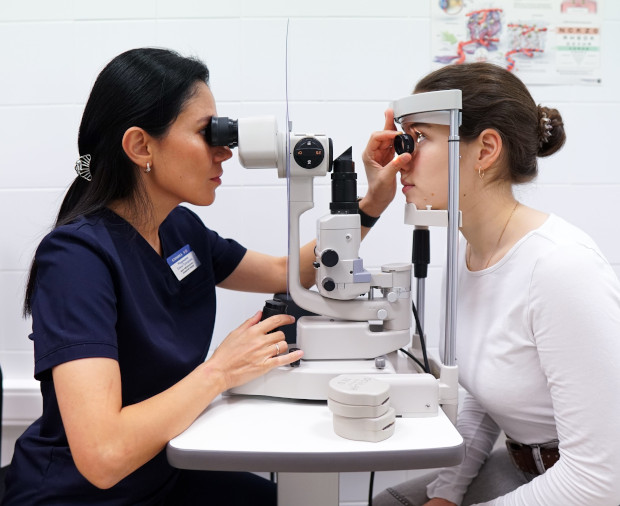












Our clinics


Application “Personal Account K+31”












Causes and risk factors
There is no single cause of head and neck cancer: there are factors that increase the risk, some of which can be influenced.
Smoking and alcohol consumption
These are the main controllable factors. Tobacco and strong alcohol together are more damaging than either alone, and can damage the mucous membranes over the course of years.
Viral infections
The human papillomavirus is associated with some pharyngeal tumors, and the Epstein-Barr virus is associated with nasopharyngeal tumors.
Occupational hazards
Wood and metal dust, formaldehyde vapors, and nickel compounds increase the risk in those who inhale them for years at work.
Hereditary predisposition
There is no direct inheritance, but family histories of cancer slightly increase the risk. This is a reason to pay more attention to prevention and undergo screening.