
Tongue Cancer
Tongue cancer is a serious oncological disease that affects the mucous membrane and muscles of this key organ of the oral cavity. It is a leading cause of head and neck cancer, with squamous cell carcinoma being the most common type diagnosed in the majority of patients.

specialists

equipment

treatment
Causes and Risk Factors for Disease Development
The development of malignancy is caused by the combined effects of external carcinogens and internal factors.
Smoking and Alcohol Consumption
Smoking and alcohol are the main triggers. These chemical compounds cause mutations in the DNA of mucosal cells.
Viral and Chronic Oral Diseases
The human papillomavirus, which can integrate into the genetic apparatus of cells, plays a role. Chronic inflammatory processes, including leukoplakia and erythroplakia, pose a danger.
Other Risk Factors
Constant mechanical trauma to the edges of the organ from sharp edges of decayed teeth or improper fillings creates conditions for non-healing damage.
Stages of tongue cancer
The extent of the process is determined using the TNM system, which takes into account the size of the lesion and the involvement of the lymphatic system.
First stage
At this stage, the tongue tumor is up to two centimeters in size. The pathological process is localized within the mucous membrane, and there are no metastases in the cervical lymph nodes.
Second stage
This stage of tongue cancer is characterized by an increase in the diameter of the tumor node from two to four centimeters.
The Third Stage
In stage three tongue cancer, the tumor size exceeds four centimeters, or the tumor grows into adjacent areas.
The Fourth Stage
At stage four of tongue cancer, distant secondary lesions may be detected in the lungs or other organs.
|
Stage |
Tumor size |
Lymph node involvement |
Presence of metastases |
Main treatment approaches |
|---|---|---|---|---|
|
Stage I |
Up to 2 cm |
No |
No |
Organ-preserving surgery / radiation therapy |
|
Stage II |
2–4 cm |
No or isolated microlesions |
No |
Surgery + possible radiation therapy |
|
Stage III |
More than 4 cm or Tissue invasion |
Ipsilateral nodes up to 3 cm |
No |
Combination treatment (surgery + radiation/chemotherapy) |
|
Stage IV |
Any size with bone invasion |
Multiple or bilateral |
Distant foci |
Palliative care, targeted/immunotherapy |

Symptoms of Tongue Cancer
The clinical picture of the disease changes as the tumor grows in size and invades surrounding structures.
Early Signs
In the initial stages, the signs of tongue cancer may be subtle and difficult to notice, leading patients to dismiss them.
Characteristic early signs of tongue cancer include localized discomfort, mild tingling, or a burning sensation that does not subside with topical antiseptics.
Symptoms of Disease Progression
As the disease progresses to the invasive phase, full-blown symptoms of tongue cancer develop, causing significant physical discomfort. A deep, bleeding ulcer with hard edges appears on the lateral surface of the tongue and gradually increases in size.
At this stage, the obvious signs of tongue cancer are accompanied by limited tongue mobility, leading to speech impairment and difficulty swallowing.

When to see a doctor
Timely treatment allows us to rule out the diagnosis or begin necessary treatment for tongue cancer, which can impact survival prognosis.
The main symptoms that require consultation with an oncologist are:
- A non-healing ulcer on the tongue
- A lump or growth
- Pain when swallowing
- Bleeding from the mucous membrane
- Speech changes
- Swollen lymph nodes
- Numbness of the tongue

Types and localization of tongue tumors
The anatomical location of the tumor determines the clinical manifestations and surgical approach.
Body of the Tongue Cancer
This area is accessible for examination, so symptoms of tongue cancer can be detected before it spreads.
Base of the Tongue Cancer
This area is located in the oropharynx, making developing root of the tongue cancer difficult to detect early. Due to its hidden location, root of the tongue cancer remains asymptomatic for a long time. Due to the peculiarities of lymph drainage in this area, root of the tongue cancer is prone to early bilateral metastasis.
Characteristics of Various Forms of the Disease
Oncologists distinguish between an exophytic form, in which the tongue tumor grows into the lumen of the oral cavity, and an endophytic form, characterized by growth into the muscular layer. Endophytic tumors of the tongue are considered more aggressive, as they quickly cause organ fixation and lead to pain.
Benefits of contacting our specialists
At the K+31 Clinic, patients receive expert-level oncology care that meets leading global standards.
- A comprehensive approach to diagnosis and treatment. All necessary examinations and treatment procedures are performed in a single medical center.
- An interdisciplinary team of specialists. Oncosurgeons, radiologists, chemotherapists, and rehabilitation specialists participate in the discussion of treatment strategies.
- Modern examination methods. The K+31 Clinic is equipped with expert-class diagnostic equipment.
- Individualized treatment plans. Therapy regimens are tailored to the individual needs of the patient.
- Available for a second expert opinion. Patients can provide existing medical documents to verify the diagnosis.
Diagnosis of Tongue Cancer
A comprehensive examination allows us to verify the diagnosis and develop a detailed treatment plan.
Oncologist Consultation
The initial consultation is conducted by a specialized oncologist (a specialist in head and neck tumors), who listens to the patient's complaints, collects a medical history, and assesses the nature of speech and swallowing impairment.
Oral Examination
The doctor conducts a thorough visual and palpatory examination of the oral cavity, assessing the density and mobility of the affected tissue areas.
Biopsy and Histological Examination
If a suspicious tongue tumor is detected during the examination, a targeted tongue biopsy is mandatory. The tissue sample is sent to a laboratory for histological verification.
Radiological Diagnostic Methods
To assess the depth of tumor invasion into muscle structures, magnetic resonance imaging of the neck with contrast is prescribed. Computed tomography of the facial skeleton can rule out or confirm destruction of jaw bone tissue.
Assessing the Extent of the Disease
To rule out distant tumor progression, patients undergo a chest CT scan or abdominal ultrasound.




Early diagnosis of tongue cancer is crucial in our practice. The sooner a patient seeks medical attention when suspicious changes in the mucous membrane appear, the greater the chances for effective treatment and maintaining quality of life. We assess each case individually and select the optimal treatment strategy based on a comprehensive examination.
If you experience an ulcer, lump, or other changes on the tongue that persist for a long time, we recommend consulting a specialist for a diagnosis. Please remember that the information provided is for informational purposes only, does not replace an in-person consultation with your doctor, and should not be used for self-diagnosis. Make an appointment at the K+31 Clinic to be examined by qualified oncologists and take timely care of your health.
Answers to frequently asked questions
What are the first symptoms of tongue cancer?
Early signs include a persistent ulcer, a lump on the tongue, discomfort when speaking or eating, a burning sensation, and pain.
Can tongue cancer be cured?
Treatment effectiveness depends on the stage of the disease, tumor location, and the patient's overall condition.
How is tongue cancer diagnosed?
Diagnosis includes a physician examination, instrumental studies, a biopsy followed by histological analysis, and imaging techniques to assess the extent of the process.
Our doctors












































This award is given to clinics with the highest ratings according to user ratings, a large number of requests from this site, and in the absence of critical violations.

This award is given to clinics with the highest ratings according to user ratings. It means that the place is known, loved, and definitely worth visiting.

The ProDoctors portal collected 500 thousand reviews, compiled a rating of doctors based on them and awarded the best. We are proud that our doctors are among those awarded.
Make an appointment at a convenient time on the nearest date
Price
Other cancer treatment services

Appointment to the doctor
Reviews



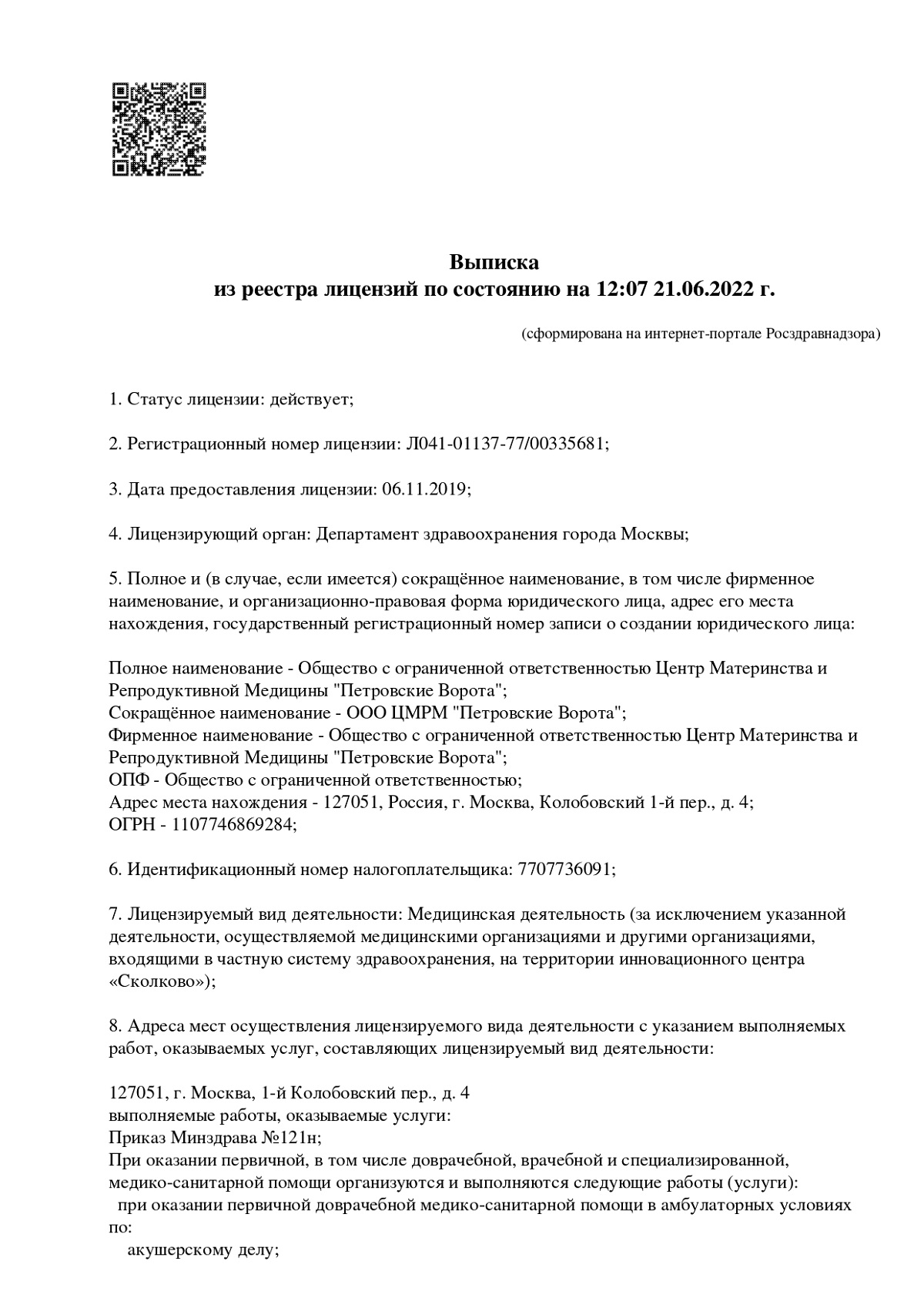



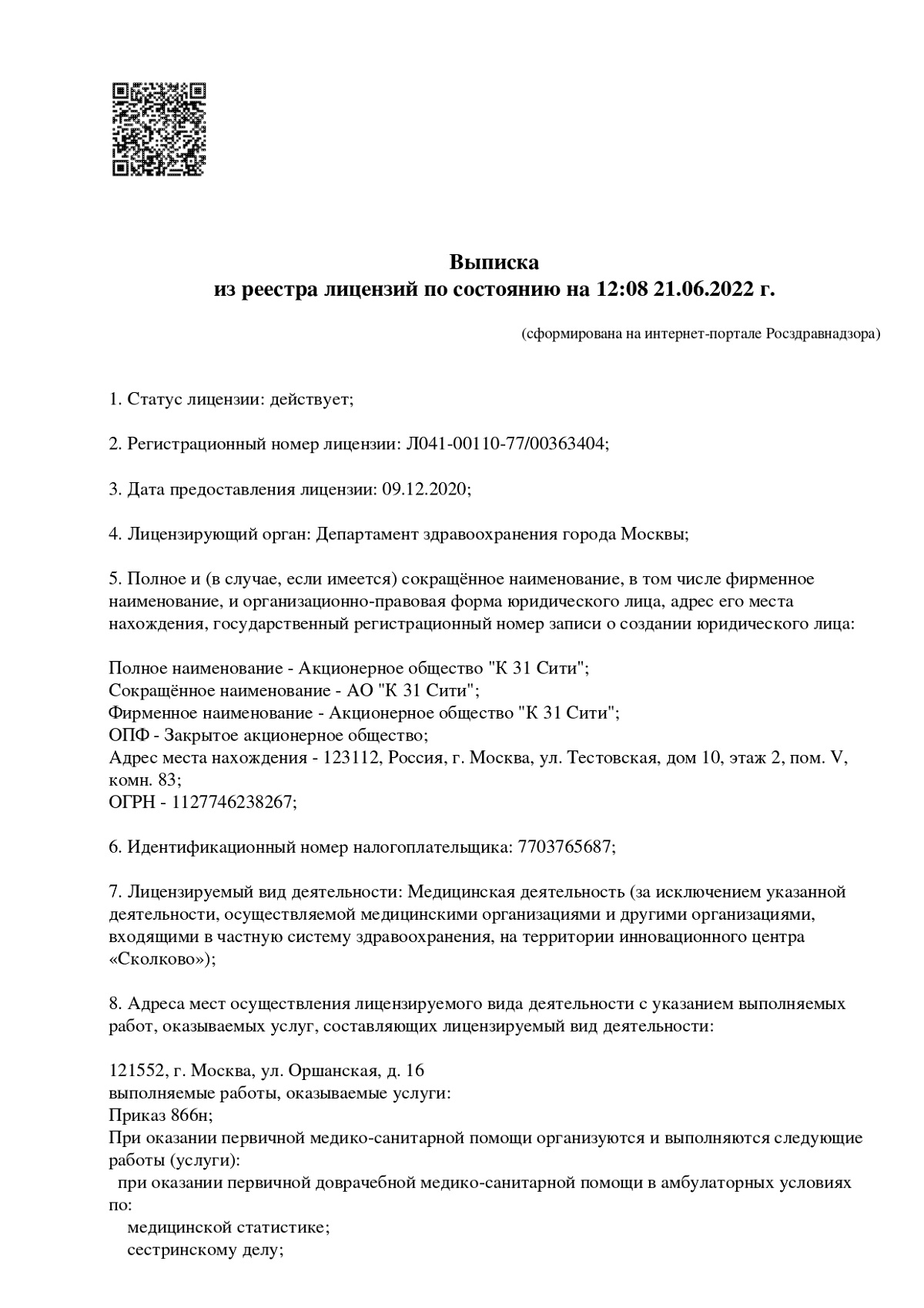
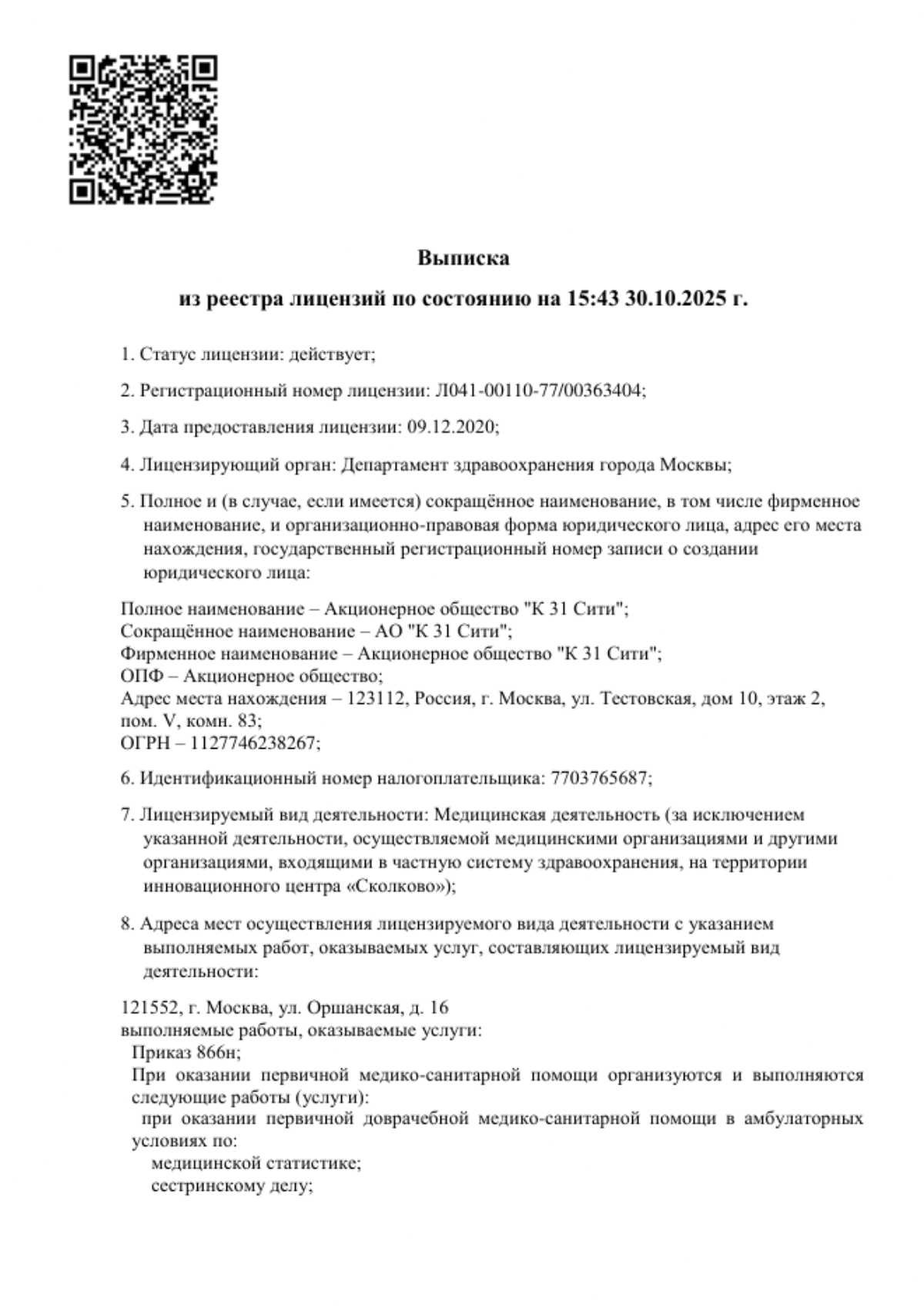








Our clinics


Application “Personal Account K+31”












What is tongue cancer?
When tongue cancer develops, atypical cells begin dividing within its tissues, destroying healthy structures and impairing chewing, swallowing, and speech. This type of lesion is classified as oral cancer, requiring immediate intervention, as the tumor process in this area is characterized by an aggressive progression.
Due to its abundant blood supply, malignant tongue tumors can spread early to nearby structures, complicating treatment. Comprehensive early diagnosis is crucial for preserving life.