
HIPEC (Hypec) – Hyperthermic Intraperitoneal Chemotherapy
Cancer that has spread through the lining of the abdominal cavity is one of the most challenging oncological situations. Just a few decades ago, a diagnosis of peritoneal carcinomatosis meant a patient had six weeks to six months to live. Today, this is no longer a death sentence.

specialists

equipment

treatment
HIPEC (Hyperthermic Intraperitoneal Chemotherapy), or Hypec, is an innovative technique that combines radical surgery with the local administration of a heated chemotherapy drug directly into the abdominal cavity. The combination of heat and a high concentration of cytostatic agent destroys microscopic tumor foci, invisible to the naked eye, which are responsible for relapses and disease progression.
At the K+31 Clinic, the HIPEC procedure is performed by Beslan Khasenovich Balkarov, a surgical oncologist with over 17 years of experience and the head of the surgical department. The surgery is performed in the modern inpatient facility on Lobachevsky Street and in the K+31 West building.
Who is HIPEC indicated for?

Indications for HIPEC
The method is used for oncological diseases complicated by peritoneal carcinomatosis (carcinomatosis)—metastatic lesions of the peritoneal layers:
- Ovarian cancer is the most common and well-studied indication; a study in the New England Journal of Medicine (2018) showed an average survival increase of 12 months compared to standard treatment.
- Colorectal cancer (colon and rectal cancer) with peritoneal spread
- Stomach cancer with peritoneal involvement
- Peritoneal mesothelioma is a primary malignant tumor of the peritoneum; Median overall survival after HIPEC is more than 8 years versus 6 months without treatment.
- Pseudomyxoma peritonei is a mucinous tumor of the appendix with peritoneal extension.
- Appendiceal cancer (including mucinous cystadenocarcinoma)
- Small intestinal tumors and other primary peritoneal tumors

Patient selection factors and contraindications
Patient Selection Factors
The decision to perform HIPEC is made by a multidisciplinary oncology board based on:
- Peritoneal Carcinomatosis Index (PCI) — assessment of tumor spread across 13 abdominal zones (optimally PCI ≤ 20)
- Technical resectability of all lesions
- Absence of distant metastases outside the abdominal cavity
- Sufficient patient functional reserve (ECOG assessment, cardiac and anesthetic status)
Contraindications
- Severe decompensated organ failure (cardiac, renal, hepatic)
- Distant metastases to the brain, bones, and lungs (spread beyond the abdominal cavity)
- Total "frozen" carcinomatosis with the inability to achieve complete cytoreduction
- Severe cachexia and critically low functional status
Efficacy and Survival after HIPEC
Before the advent of HIPEC, peritoneal carcinomatosis was considered a terminal disease with a life expectancy of 6 weeks to 6 months. Today, the evidence base for this method includes large international randomized trials:
| Nosology | Median survival without HIPEC | Median survival with HIPEC |
|---|---|---|
| Peritoneal mesothelioma | ~6 months | >8 years |
| Ovarian cancer | ~18 months | +12 months (NEJM 2018 data) |
| Pseudomyxoma Peritoneal cancer | 2–3 years | 5–10 years or more |
| Colorectal cancer with PC | ~6–12 months | 62.7 months vs. 23.9 months without HIPEC |
| Stomach cancer with PC | <12 months | Increase in 2–3-year survival to 48–62% |
In some cases (pseudomyxoma, mesothelioma with favorable PCI), a complete cure is possible. Mortality rates directly related to the procedure in specialized centers do not exceed 3%.

We recently completed surgery on a patient with advanced ovarian cancer. Her PCI score was 18, and the surgery lasted approximately 11 hours. She's now home with her family. Every time I see such a patient at their one-year follow-up—active, with good test results—I understand why spending half a day in the operating room is worth it. The result isn't measured in minutes of surgery, but in the years a person gets to live with their loved ones.
How is HIPEC treatment performed in K+31?
Step 1. Initial consultation with a surgical oncologist
During the consultation with B.Kh. Balkarov, the available reports, CT/MRI images, and histology results are analyzed. A preliminary strategy is determined and a follow-up examination plan is developed.
Step 2. Preoperative examination
- CT of the abdomen and pelvis with contrast (or PET-CT if necessary)
- MRI to clarify local spread
- Calculation of the PCI index based on radiographic data
- Functional status assessment: ECG, echocardiography, spirometry, laboratory tests
- Oncology consultation (surgeon, chemotherapist, anesthesiologist)
Step 3. Preoperative preparation
Mechanical bowel preparation, nutritional status correction, discontinuation/adjustment of concomitant therapy, thromboprophylaxis.
Step 4. Surgery (cytoreduction + HIPEC)
General anesthesia lasts 6–18 hours, depending on the extent of the lesion. During the perfusion phase, the surgeon manually redistributes the solution, ensuring contact with every area of the peritoneum.
Step 5. Postoperative Period
- 1–3 days in the intensive care unit
- 7–14 days in the hospital (K+31)
- Follow-up examinations after 1, 3, and 6 months
- Further monitoring by an oncologist and, if necessary, adjuvant chemotherapy



Frequently Asked Questions about HIPEC
What is HIPEC?
HIPEC is an abbreviation for Hyperthermic Intraperitoneal Chemotherapy. This is a treatment method for cancers affecting the peritoneum. First, the surgeon removes all visible tumors (cytoreductive surgery), and then the abdominal cavity is irrigated with a hot chemotherapy solution (42–43°C) for 60–90 minutes. It is commonly known as "hot chemotherapy."
What types of cancer are treated with HIPEC?
Main indications: ovarian cancer, colorectal cancer (colon and rectum cancer), stomach cancer, peritoneal mesothelioma, pseudomyxoma peritonei, and appendiceal cancer—provided the malignant process has spread through the peritoneal layers (carcinomatosis/carcinomatosis). The decision is made by a panel of oncologists.
Is HIPEC chemotherapy or surgery?
This is a combined procedure: it includes a surgical stage (cytoreductive surgery) and a therapeutic stage (chemotherapy perfusion). HIPEC is not performed as a standalone procedure, but only in combination with surgery.
How long does HIPEC surgery take?
The entire procedure takes 6 to 18 hours, depending on the extent of the lesion and the extent of the required resection. The perfusion phase itself lasts 60–90 minutes.
How many days do you need to spend in the clinic?
Typically, 7-14 days. The patient spends the first 1-3 days in the intensive care unit, then is transferred to the hospital. The timeframe varies from person to person.
What are the side effects of HIPEC?
The risk of severe complications with proper patient selection is low: the mortality rate in specialized centers does not exceed 3%. Postoperative complications typical of any major abdominal interventions are possible, including wound inflammation and intestinal obstruction. The systemic toxicity of the chemotherapy drug is significantly lower than with intravenous administration—more than 90% of the dose remains in the abdominal cavity.
Does HIPEC help with stage IV cancer?
HIPEC is used specifically for advanced cancer, typically stages 3–4 with peritoneal involvement. It is not intended for the treatment of distant metastases in other organs (brain, lungs, bones). In properly selected patients, HIPEC significantly prolongs life: from 24 to 63 months for colorectal cancer and over 8 years for peritoneal mesothelioma.
Is it possible to get HIPEC for free under compulsory health insurance or high-tech medical care?
At state-run cancer centers (such as the Herzen Moscow Oncology Institute), HIPEC is performed free of charge with a high-tech medical care (HMC) coupon, subject to availability and waiting lists. At K+31, the procedure is performed privately, allowing you to skip the waiting list and receive treatment at a convenient time.
How do I schedule a HIPEC consultation at K+31?
Call +7 (499) 999-31-31 (calls accepted 24/7) or use the online booking form on our website. During your consultation, B.Kh. Balkarov will review your existing examination results and determine whether HIPEC is right for you.
Make an appointment at a convenient time on the nearest date
Price
Other cancer treatment services

This award is given to clinics with the highest ratings according to user ratings, a large number of requests from this site, and in the absence of critical violations.

This award is given to clinics with the highest ratings according to user ratings. It means that the place is known, loved, and definitely worth visiting.

The ProDoctors portal collected 500 thousand reviews, compiled a rating of doctors based on them and awarded the best. We are proud that our doctors are among those awarded.

Appointment to the doctor
Reviews




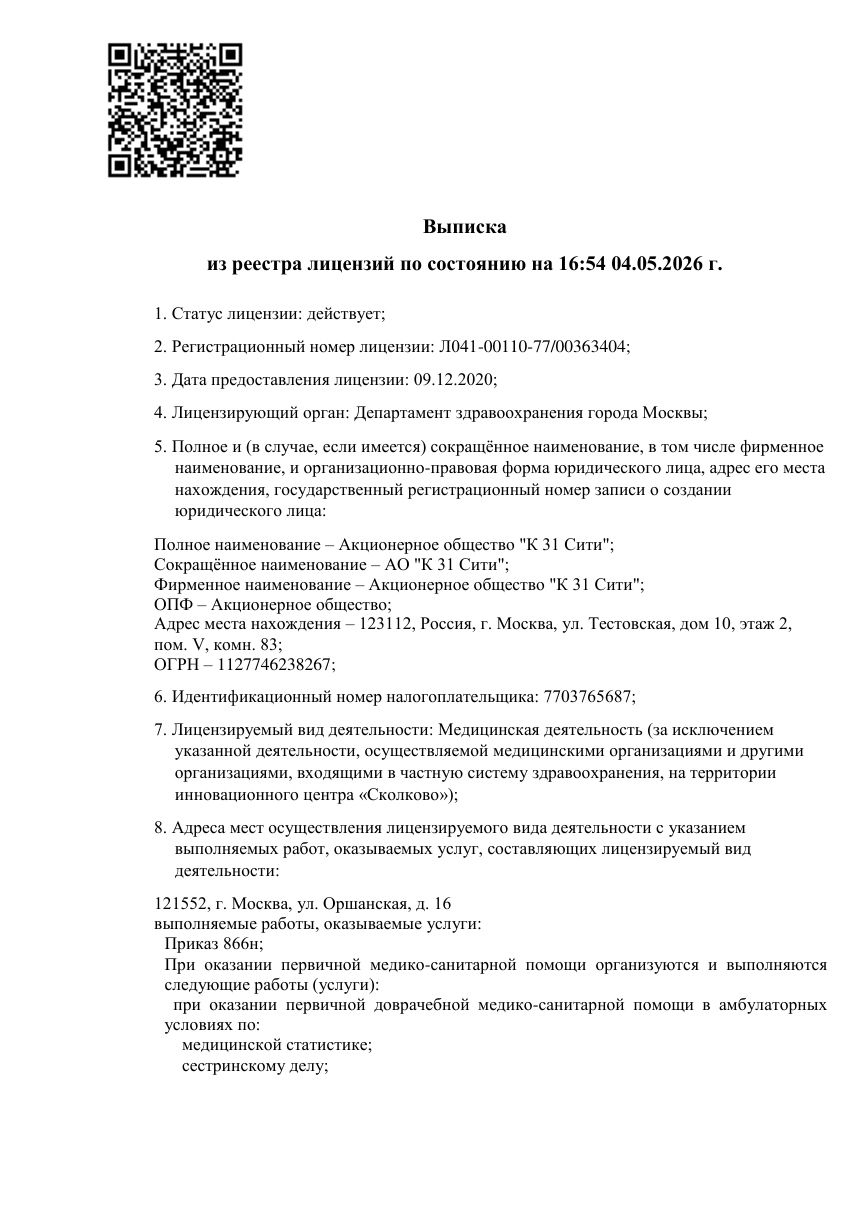
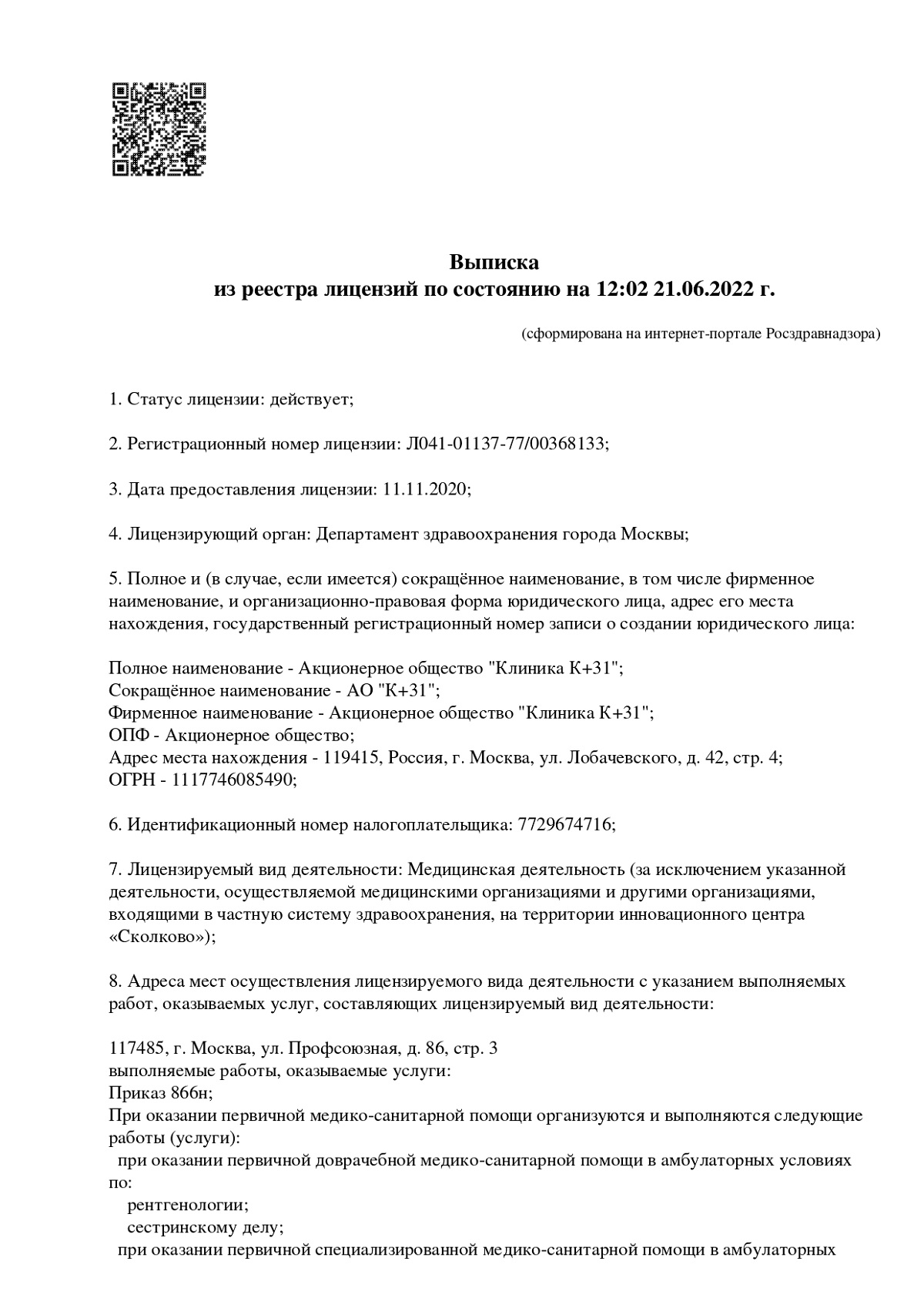
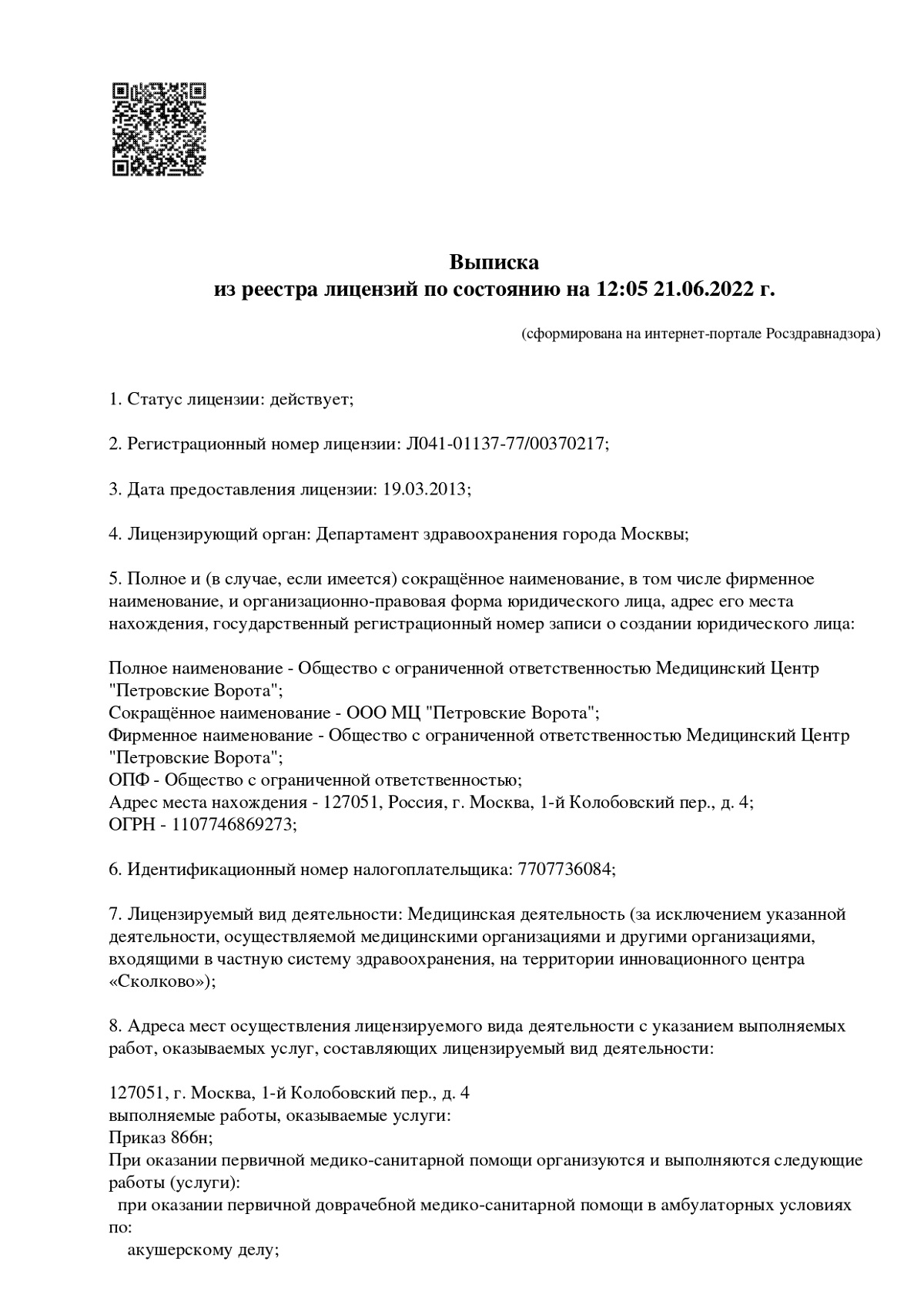
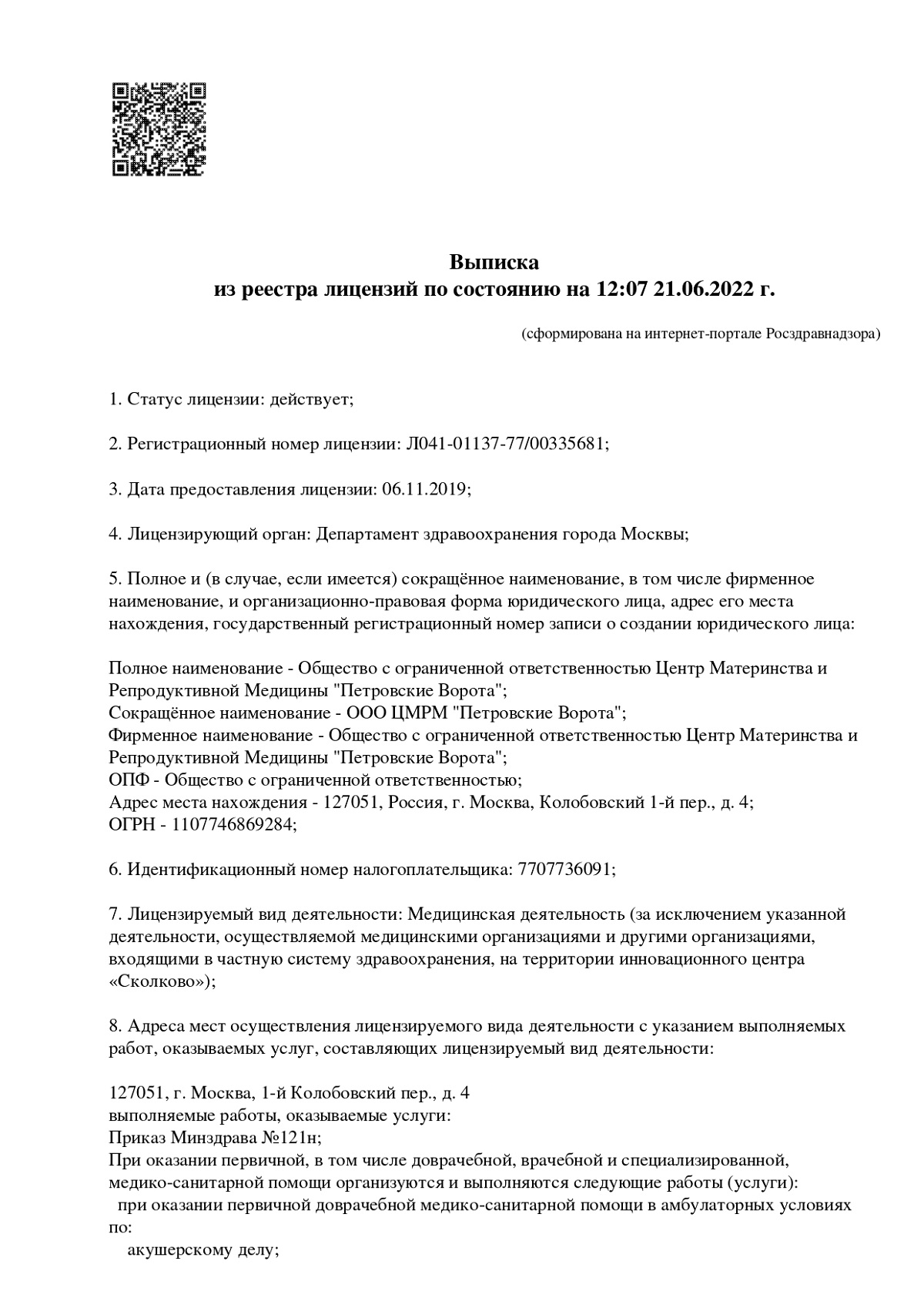











Our clinics


Application “Personal Account K+31”












How does hyperthermic intraperitoneal chemotherapy work?
HIPEC is a two-phase procedure that is always performed in the operating room as a single session:
Phase 1. Cytoreductive surgery
The surgical oncologist sequentially examines all 13 anatomical zones of the abdominal cavity and removes every visible tumor lesion: affected areas of the peritoneum, organ nodules, and metastatic implants. If necessary, resections of the intestine, stomach, and pelvic organs are performed. The goal is "zero remnant" visible tumor (complete cytoreduction, CC-0).
Phase 2. Hyperthermic perfusion
Immediately after surgery, without closing the abdominal cavity, a chemotherapy solution, preheated to 42–43°C, is injected through catheters. Temperature sensors monitor the uniformity of heating. Perfusion lasts 60–90 minutes.
Heat:
After perfusion, the solution is evacuated, the abdominal cavity is washed with saline, and sutures are applied. The total duration of the procedure is from 6 to 12–18 hours, depending on the extent of cytoreduction.
The key advantage of HIPEC over systemic chemotherapy is that the drug concentration in the peritoneal cavity is 20-1000 times higher than with intravenous administration, while no more than 10% of the dose enters the systemic circulation—systemic toxicity is minimal.