
Treatment of laryngeal cancer
A diagnosis of laryngeal cancer often causes intense fear and is associated with the loss of the ability to speak or breathe independently. Malignant tumors in the neck can be completely cured. Modern medicine has advanced significantly, so today's laryngeal cancer treatment is aimed not only at destroying the tumor but also at maximally preserving all organ functions.
If a patient seeks medical attention at the first signs of the disease, our specialists can perform organ-preserving treatment. This allows the patient to return to their normal life, preserve their vocal cords, and avoid severe disability.

specialists

equipment

treatment
Causes and risk factors for the development of laryngeal tumors
Malignant cell transformations do not occur without a reason, and in most cases, the development of pathology is preceded by many years of negative impacts on the mucous membrane of the respiratory tract.
Smoking, alcohol and lifestyle
Carcinogens from cigarette smoke constantly settle on the mucous membranes, damaging cell structure and causing dangerous cell degeneration. If a person smokes and regularly drinks strong alcohol, these risks are compounded and increase several times over.
Human papillomavirus (HPV) and occupational hazards
In recent years, oncologists have increasingly linked the development of upper respiratory tract carcinoma to infection with certain strains of the human papillomavirus. HPV can integrate into cellular DNA and stimulate uncontrolled cell division. Also at risk are people whose jobs expose them to coal or asbestos dust, acid fumes, alkaline fumes, and other chemical irritants.
Warning signs: when you need to urgently see an oncologist
Many people make the dangerous mistake of mistaking the first signs of a serious illness for a common cold, the effects of hypothermia, or simple fatigue.
Voice change (hoarseness) and discomfort when swallowing
If the tumor begins to grow in the vocal folds, the person develops hoarseness that does not resolve with rest or anti-inflammatory lozenges.
When the tumor is located in the epiglottis or upper part of the throat, persistent pain when swallowing occurs, resembling a sore throat.
Cough, radiating ear pain and swollen lymph nodes
As the tumor grows, the patient develops a dry cough, and the discomfort in the throat begins to radiate to the ear on the affected side. This is due to irritation of the common nerve endings.
Red Flags: When You Shouldn't Delay a Visit
When you need to urgently make an appointment with an oncologist:
- If hoarseness or hoarseness of the voice persists for more than 2-3 weeks
- If you experience pain when swallowing, radiating to the ear
- If streaks of blood regularly appear in your sputum
- If you feel a painless lump in your neck (an enlarged lymph node)
- If you feel a constant "lump" in your throat, making it difficult to swallow
For clarity, let's look at the differences between common inflammatory processes and dangerous oncopathology.
|
Symptom |
Chronic laryngitis |
Laryngeal cancer |
|---|---|---|
|
Hoarseness |
Intermittent, resolves with rest or treatment |
Persistent, progressive, unresponsive to conventional therapy |
|
Pain |
Soreness, discomfort |
Pain when swallowing, often radiating to the ear |
|
General condition |
Usually not suffering |
Weakness and unexplained weight loss may occur. |
|
Lymph nodes |
Not enlarged |
May be enlarged, dense, Painless |
|
Actions |
Monitoring and treatment by an ENT specialist |
Urgent laryngoscopy and biopsy by an oncologist |
If blood appears in the sputum, there is sudden difficulty breathing, or a rapidly growing mass in the neck, emergency medical attention is required. Remember that symptoms of laryngeal cancer require immediate examination, as delays reduce the chances of a full recovery.

How we diagnose laryngeal cancer in K+31
The success of treatment depends entirely on the accuracy of the diagnosis, which is why our clinic's examination follows strict international protocols.
Laryngeal Endoscopy and Video Laryngoscopy
The primary examination method is digital laryngoscopy. Using a flexible, thin endoscope with a high-resolution video camera, the doctor examines the mucous membrane in detail, assesses the mobility of the vocal folds, and identifies abnormal areas of tissue.
Targeted Biopsy and Urgent Histological Examination
If the doctor discovers a suspicious area during the examination, a biopsy is performed—a small tissue sample is removed for analysis. Histology is then performed in our in-house laboratory.
CT, MRI, and PET-CT for accurate staging
To assess the true size of the tumor and determine how deeply it has invaded surrounding structures, a CT scan of the neck with contrast is prescribed. MRI of the neck is used to examine soft tissues, and PET-CT helps us rule out the presence of distant lesions in other organs.

Modern methods of treating laryngeal cancer: how we help patients
At the K+31 Clinic, we take a personalized approach to each case. We combine surgical, radiological, and medicinal methods to achieve complete tumor eradication.
Organ-preserving surgeries (including robotic and laser)
Gone are the days when, upon diagnosis of a laryngeal tumor, a patient would always have the entire organ removed. Today, our priority is organ-preserving surgery. Using laser technology and microsurgical equipment, surgeons carefully excise diseased tissue within healthy margins.
Radiation therapy (IMRT, stereotactic)
Modern radiation therapy allows for precise targeting of the affected area. We use intensity-modulated radiation therapy (IMRT), which allows us to deliver the maximum dose of radiation precisely to the tumor site, with minimal damage to healthy tissue, major vessels, and the spinal cord. In the early stages, radiation therapy can be used as a standalone treatment, replacing surgery.

Systemic therapy: chemotherapy, targeted drugs, and immunotherapy
Chemotherapy can be used before surgery to shrink a tumor or as part of complex chemoradiation therapy to enhance the effects of radiation. For advanced tumors, we incorporate modern targeted drugs and immunotherapy. These medications act specifically on molecular targets in cancer cells or stimulate the patient's own immune system to fight the disease.
Multidisciplinary Tumor Board to Select Treatment Tactics
Each clinical case at our clinic is reviewed by a multidisciplinary board. This includes oncology surgeons, chemotherapists, radiologists, and pathologists. This collaborative discussion eliminates medical errors.
Rehabilitation and Voice Restoration after Treatment
Beating the disease is only half the battle. After surgery or radiation therapy, the mucous membrane needs to be restored. The rehabilitation program at our clinic begins immediately after the main stage of treatment. Patients work with a speech therapist/phoniatrist, who helps retrain the vocal apparatus using specialized exercises.
Advantages of oncology treatment at the K+31 clinic
The main advantages of our clinic:
- Expert oncology surgeons and radiologists. Our doctors regularly undergo internships at major international centers and have extensive experience performing complex neck surgeries.
- Our in-house pathology laboratory. We conduct expert-grade tests, guaranteeing accurate diagnosis verification within a few days without the risk of errors.
- Psychological support. A cancer diagnosis is extremely stressful. Medical psychologists support the patient and their family members throughout all stages of treatment, helping them maintain a positive outlook on recovery.

At the K+31 Clinic, we see patients treating laryngitis for months, wasting precious time. Laryngeal cancer is not a death sentence, especially in the early stages. Our primary goal is not simply to remove the tumor, but to preserve the patient's voice and quality of life, using advanced organ-preserving technologies and the coordinated work of a team of surgeons, radiologists, and chemotherapists.
Laryngeal cancer is successfully treated in the early stages, so delaying professional diagnosis can be life-threatening and can damage your voice. If you experience prolonged throat discomfort, don't wait for it to worsen, and don't try to manage the problem on your own. Schedule a consultation with our specialists for a prompt examination, to rule out dangerous risks, or to get a second expert opinion.
Frequently Asked Questions (FAQ)
Is laryngeal cancer curable?
Yes, with early diagnosis (stages I-II), the five-year survival rate exceeds 80-90%. Even in the later stages, modern treatment methods at K+31 allow for disease control and quality of life.
What are the first symptoms that should alert you?
The main symptom is hoarseness of the voice or a change in its timbre that does not go away for more than 2-3 weeks. Also warning signs are pain when swallowing, the sensation of a foreign body in the throat and an unreasonable cough.
Is it necessary to remove the larynx completely?
No. At the K+31 clinic, we do everything possible to perform organ-preserving surgeries (laser, endoscopic, or partial resections) to preserve the patient's ability to speak and breathe naturally.
How quickly can treatment begin after treatment?
Diagnostics (including histology) are performed as quickly as possible, and treatment plans are approved at a consultation within a few days.
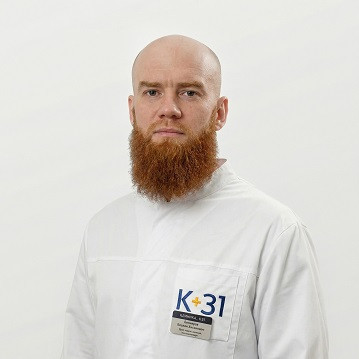
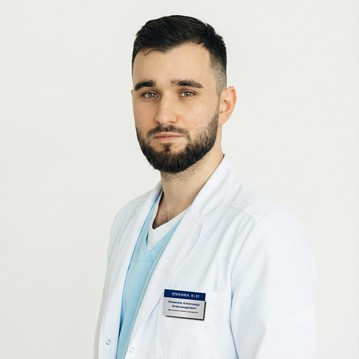
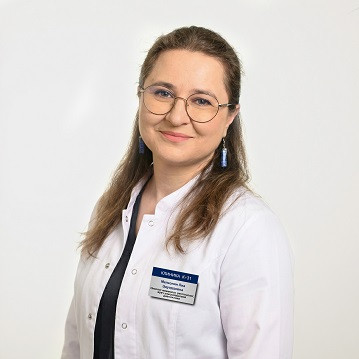
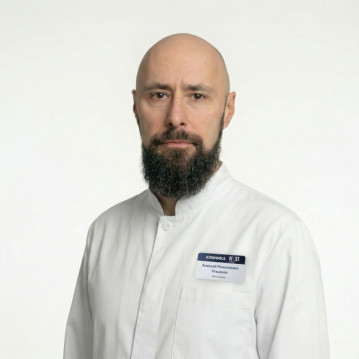
Our doctors

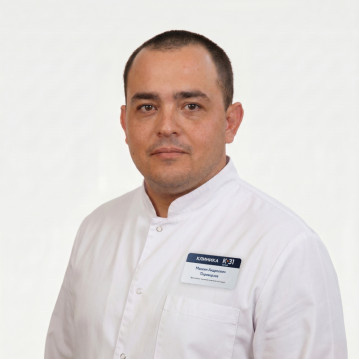







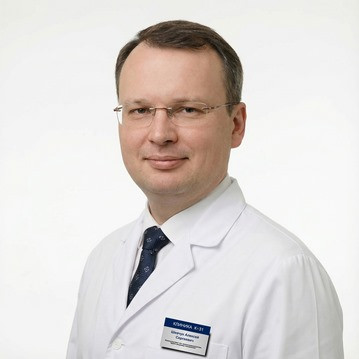
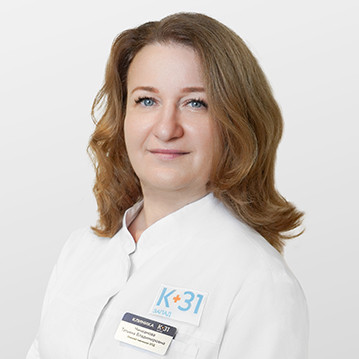









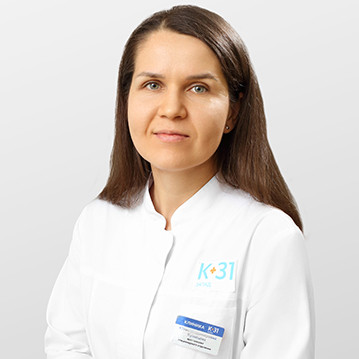
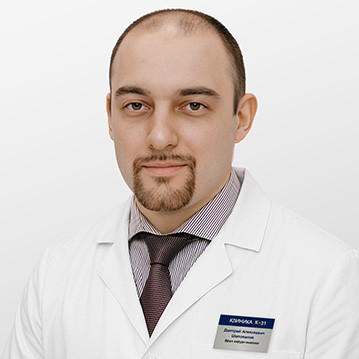

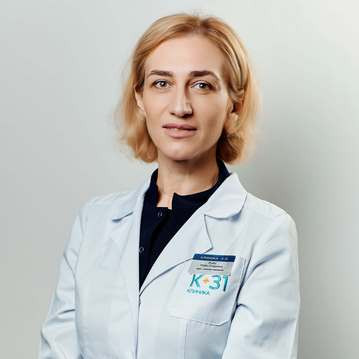
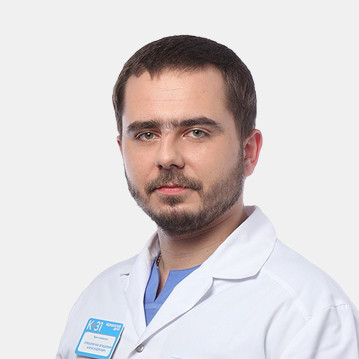
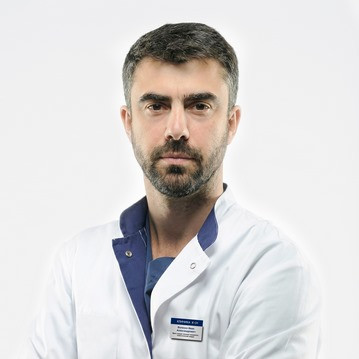




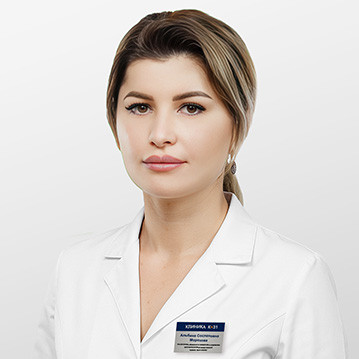
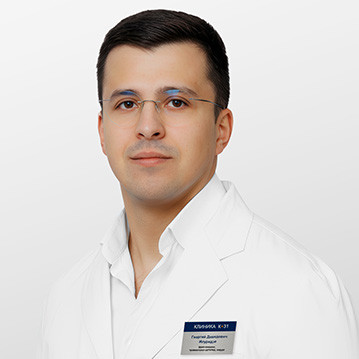
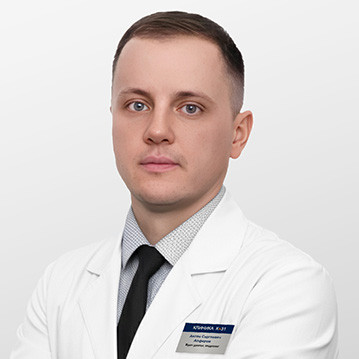
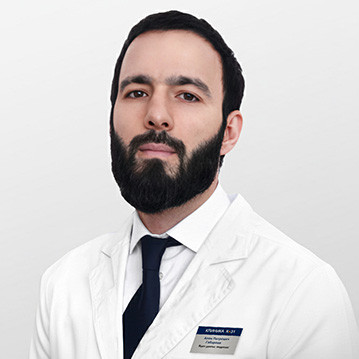






This award is given to clinics with the highest ratings according to user ratings, a large number of requests from this site, and in the absence of critical violations.

This award is given to clinics with the highest ratings according to user ratings. It means that the place is known, loved, and definitely worth visiting.

The ProDoctors portal collected 500 thousand reviews, compiled a rating of doctors based on them and awarded the best. We are proud that our doctors are among those awarded.
Make an appointment at a convenient time on the nearest date
Price
Other cancer treatment services

Appointment to the doctor
Reviews



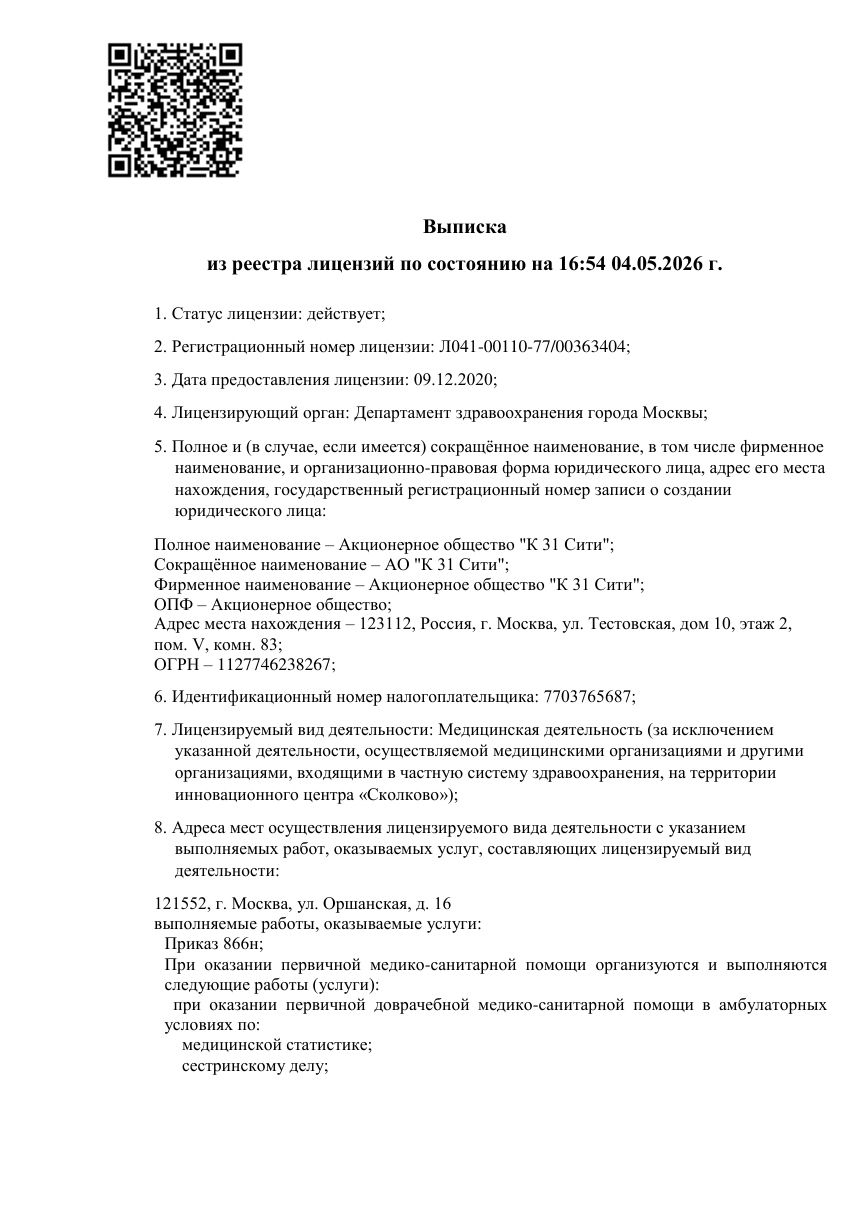

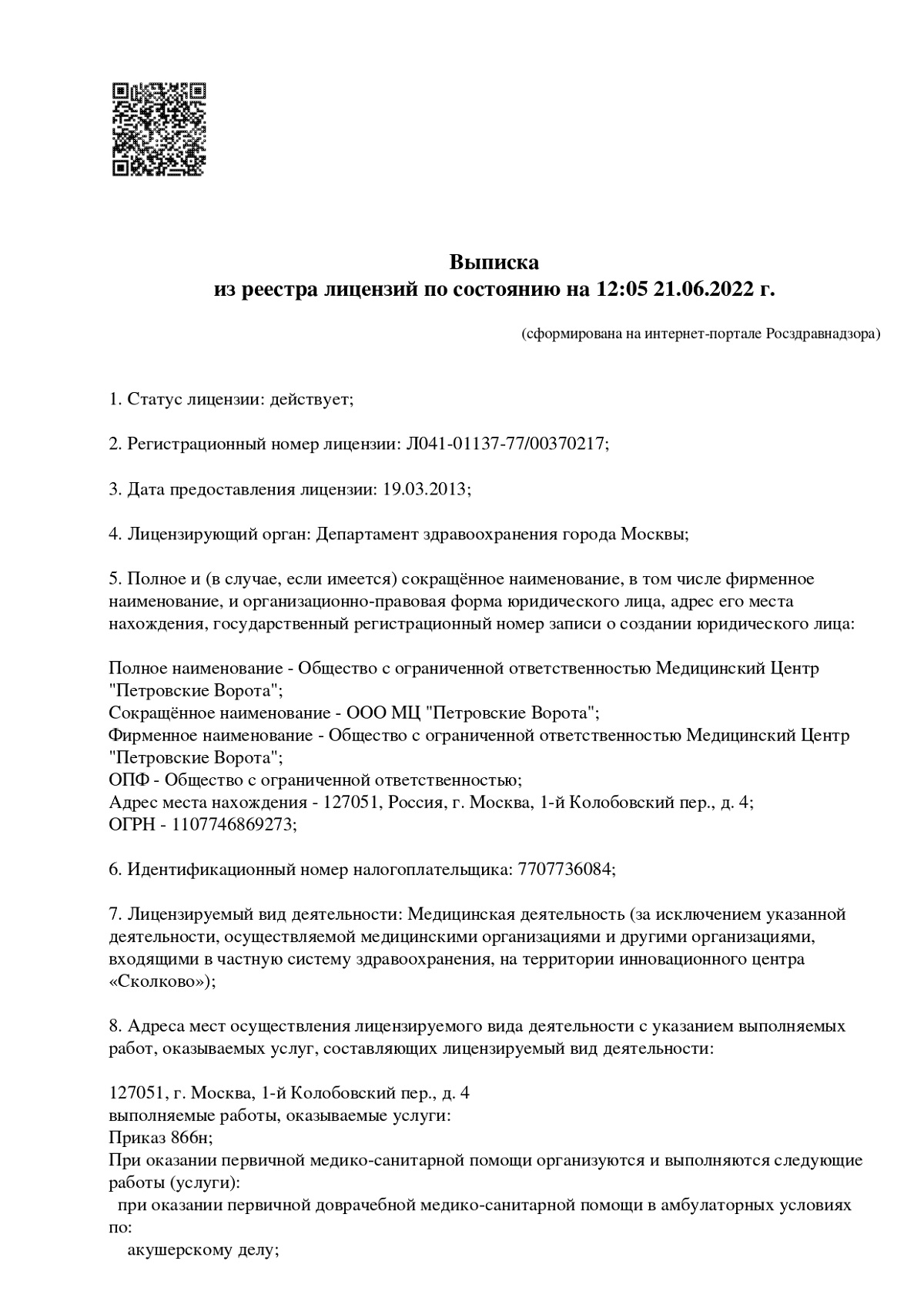
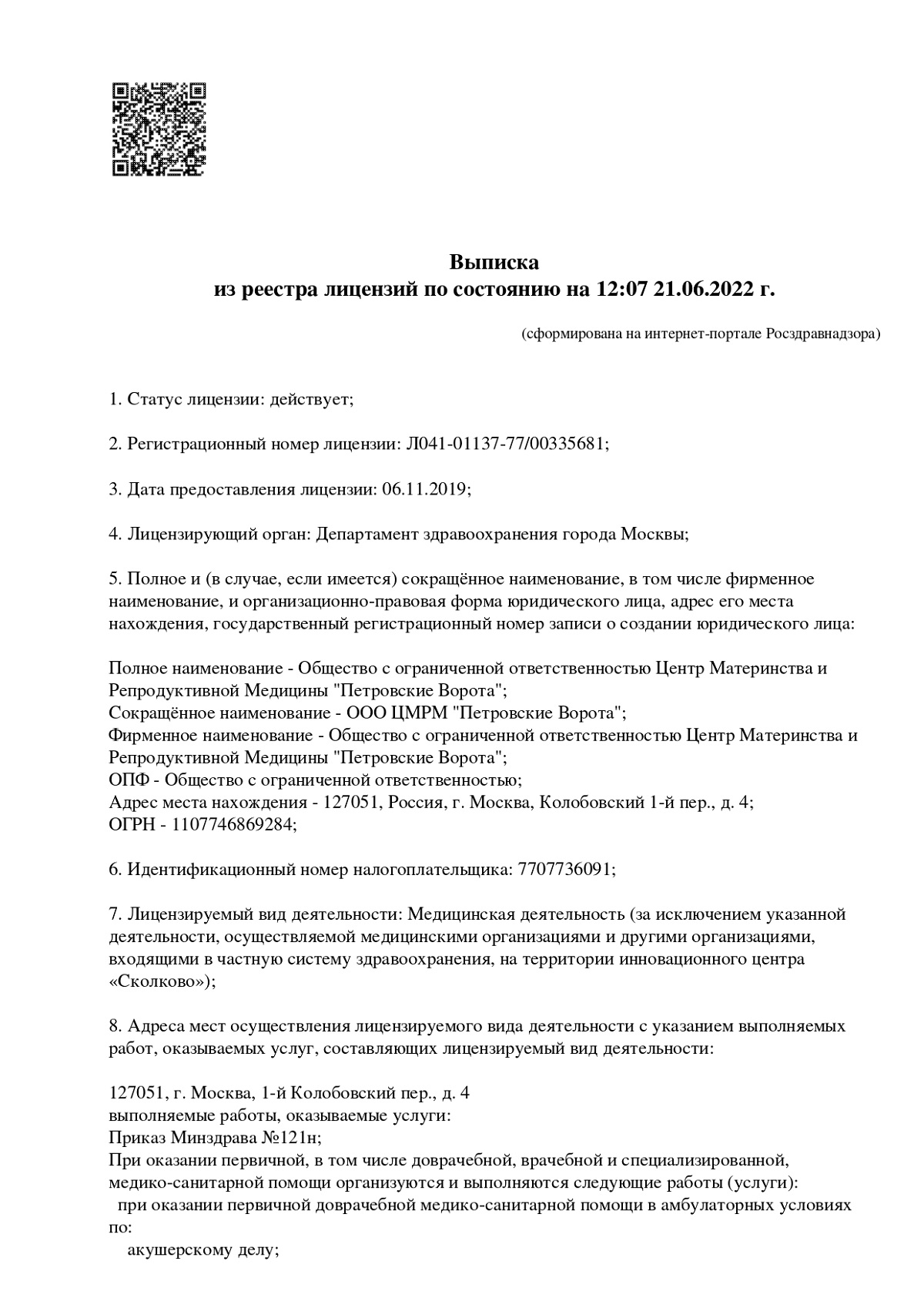











Our clinics


Application “Personal Account K+31”












What is laryngeal cancer and why is early detection critical?
This is a squamous cell carcinoma that develops from the epithelial cells of the mucous membrane. Laryngeal tumors can be located in various parts of the organ:
The time of onset of symptoms and the subsequent prognosis depend on the precise location of the tumor.
In stages I and II, the malignant process is limited to the organ itself, and there is no metastasis to regional lymph nodes. During this period, laryngeal cancer treatment is most effective. Five-year survival rates for patients with timely treatment exceed 80–90%. If a person ignores the symptoms for a long time, the tumor grows in size, invades adjacent tissues, and metastasizes.