
Parathyroid cancer
Among endocrine tumors, parathyroid cancer is one of the rarest, and it's not always immediately detected: it manifests through bone and kidney disease. Oncologists and endocrine surgeons at K+31 conduct a complete examination and tailor treatment to your specific case.
Below is how this tumor manifests itself, how it is detected, and what parathyroid cancer treatment involves.

specialists

equipment

treatment






What is parathyroid cancer?
| Criteria | Benign adenoma | Pathogenetic carcinoma |
|---|---|---|
| Frequency | High, up to 85–90% | Extremely rare, less than 1% |
| Calcium level | Moderate increase | Often very high |
| Parathyroid hormone | Elevated, variable | Sharply elevated, 3-10 times |
| Metastases | Absent | Possible |
| Surgery | Simple parathyroidectomy | Extended resection |
| Recurrence | Low risk | Relatively high |
Symptoms of parathyroid cancer

Most symptoms are not related to the tumor itself, but to excess calcium in the blood. Therefore, parathyroid cancer symptoms often affect the bones, kidneys, and general health.
Signs of hypercalcemia
Excess calcium causes a whole host of symptoms. The most common symptoms are:
- Intense thirst and frequent urination
- Nausea and loss of appetite
- Constipation
- Weakness and fatigue
- Confusion and decreased concentration
These symptoms are nonspecific, but when combined with high calcium levels, they require investigation.

Bone changes
Calcium is lost from bones, causing them to become brittle. Bone pain occurs, and in severe cases, pathological fractures can occur.
Kidney damage
High calcium overloads the kidneys. Stones form, and over time, kidney function is impaired.
General symptoms
In addition to specific symptoms, general complaints are also common. These include weight loss, constant fatigue, and depressed mood.
When is it necessary to contact endocrine oncology?
There are complaints that require immediate examination. It's worth making an appointment with an oncologist in the following cases:
- Persistent weakness and fatigue
- Elevated calcium levels in blood tests
- Frequent kidney stones
- Bone and joint pain
- Pathological fractures
- Unexplained weight loss
Early consultation helps determine the cause of hypercalcemia and prevent missed tumors.

Diagnosis of parathyroid cancer
The examination combines tests, visualization, and morphology. At our center, parathyroid cancer diagnosis is carried out in stages:
- Consultation with an oncologist and endocrine surgeon
- Laboratory tests for calcium and parathyroid hormone
- Neck ultrasound
- CT, MRI, and scintigraphy as indicated
- Morphological confirmation of the diagnosis
This procedure allows us to assess both the prevalence of the process and the nature of the formation.
Initial consultation with a specialist
It all begins with an appointment and analysis of your complaints. The doctor evaluates your symptoms, medical history, and previous tests, and then outlines an examination plan.
Laboratory diagnostics
Blood tests are the basis for diagnosis. They measure calcium, parathyroid hormone, and creatinine levels, which helps detect tumors and assess kidney function.
Neck ultrasound
The first imaging method is ultrasound. It shows the size of the malignant tumor and its location relative to the thyroid gland.
CT and MRI
Tomography is used to clarify the tumor's boundaries. Computed tomography and magnetic resonance imaging reveal spread to adjacent tissues.
Scintigraphy and additional studies
Isotope testing occupies a special place. Scintigraphy helps locate active parathyroid tissue, including those with atypical locations.
Morphological confirmation of diagnosis
The final diagnosis is made based on tissue analysis. Only histological examination can differentiate a malignant parathyroid tumor from a benign one.
"In our practice, we pay special attention to the early diagnosis of parathyroid tumors. A comprehensive assessment of laboratory parameters, imaging data, and specialist opinions allows us to accurately determine the stage and select a personalized treatment strategy,"
— oncologist.
Stages of the disease

The course of the disease is assessed based on the extent of the tumor. The extent of surgery and prognosis depend on the stage, so it is determined before treatment begins.
Localized tumor process
In the early stages, the tumor is limited to the gland itself. In this case, surgical treatment results are most favorable.
Locally advanced process
When the tumor invades adjacent tissues, the scope of the intervention is expanded. This increases the demands on the surgeon's experience.
Metastatic disease
If detected late, metastases to the lymph nodes, lungs, or bones are possible. In this situation, treatment becomes complex and lengthy.
Treatment of parathyroid cancer
Surgery is the foundation of care, and other methods complement it. We develop an individualized plan for each patient.
Surgical treatment
The primary method is removal of the parathyroid gland within the healthy tissue. If necessary, surgery for parathyroid cancer is performed with removal of part of the thyroid gland and lymph nodes.
Repeat operations in case of relapse
If the disease returns, repeat surgery is considered. Removing recurrent lesions helps bring calcium levels back under control.
Drug therapy
In cases of widespread disease, drug therapy is used. Its goal is to restrain tumor growth and control calcium metabolism.
Radiation therapy
Radiation is used as indicated, often in addition to surgery. It helps reduce the risk of local recurrence of the disease.
Symptomatic treatment of hypercalcemia
A separate goal is to reduce dangerously high calcium levels. This is accomplished through infusions and special medications that reduce calcium levels.
General information
Advantages of integrated treatment
When oncology care is provided by a unified team, the patient receives the full cycle in one place. This format significantly simplifies the examination and treatment process.
Multidisciplinary approach
An oncologist, endocrinologist, and surgeon work together on the case. A joint discussion helps choose the most informed approach.
Modern diagnostic methods
We use a full range of tests—from blood tests to scintigraphy. This provides an accurate picture even before surgery.
Individualized treatment plan
The treatment plan is tailored to the individual patient, taking into account the stage, age, and condition of the kidneys and bones.
Taken together, contacting us provides the patient with:
- Comprehensive diagnostics within a single process
- Participation of oncologists, endocrinologists, and surgeons
- Personalized treatment plan
- Modern imaging and laboratory monitoring methods
- Support at all stages of treatment and monitoring
This format helps make decisions based on a complete picture of the disease.



Answers to frequently asked questions
We've compiled the most frequently asked questions from patients. The answers are general and do not replace an in-person consultation.
What symptoms may indicate parathyroid cancer?
Is it possible to detect the disease at an early stage?
What is the primary treatment method?
Is follow-up necessary after treatment?
Parathyroid cancer is rare, but with careful testing, it can be detected early. Accurate diagnosis of parathyroid cancer, timely surgery, and specialist monitoring help manage the disease and maintain quality of life.
Clinical guidelines of the Russian Ministry of Health. Malignant neoplasms of the endocrine glands — https://cr.minzdrav.gov.ru/
Category of clinical guidelines of the Ministry of Health of the Russian Federation — https://cr.minzdrav.gov.ru/
Encyclopedia and reference book of the Russian Medical Server — https://www.rusmedserv.com/
MSD Manual (Russian version) — https://www.msdmanuals.com/ru
CyberLeninka (scientific publications on endocrine oncology) — https://cyberleninka.ru/
Russian Association of Endocrinologists — https://rae-org.ru/
Scientific Electronic Library eLIBRARY — https://www.elibrary.ru/
Federal State Budgetary Institution "National Medical Research Center of Endocrinology" Ministry of Health of the Russian Federation — https://www.endocrincentr.ru/
PubMed (materials with accessible Russian-language reviews and translations) — https://pubmed.ncbi.nlm.nih.gov/
Large Medical Encyclopedia and specialized materials on endocrine oncology — https://meduniver.com/
Our doctors






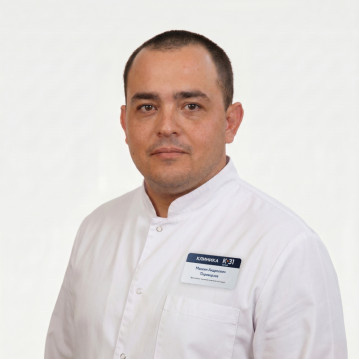

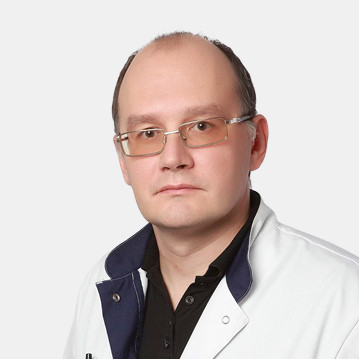
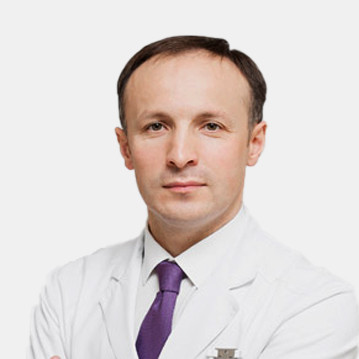
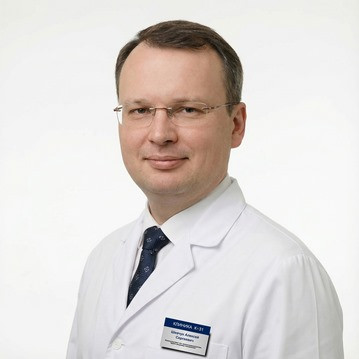




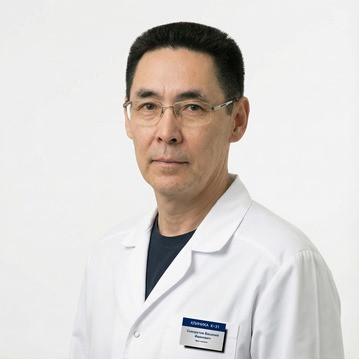



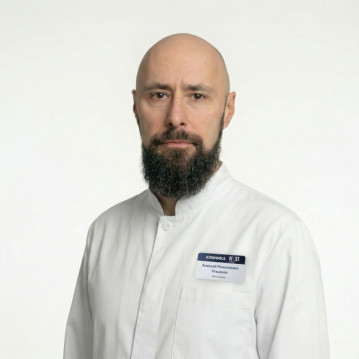

This award is given to clinics with the highest ratings according to user ratings, a large number of requests from this site, and in the absence of critical violations.

This award is given to clinics with the highest ratings according to user ratings. It means that the place is known, loved, and definitely worth visiting.

The ProDoctors portal collected 500 thousand reviews, compiled a rating of doctors based on them and awarded the best. We are proud that our doctors are among those awarded.
Make an appointment at a convenient time on the nearest date
Price
Other cancer treatment services

Appointment to the doctor
Reviews



Our clinics


Application “Personal Account K+31”












Causes and risk factors
The exact cause of the disease is rarely determined. However, circumstances that increase the likelihood of tumor development are known.
Hereditary syndromes
Some cases are associated with genetic syndromes. Hereditary forms of hyperparathyroidism and multiple endocrine tumor syndromes are significant.
Hormonal disorders
Long-term excess parathyroid hormone plays a special role. Chronic hyperparathyroidism and persistently elevated calcium levels create the basis for tumor development.
Other risk factors
External factors also contribute to the list. These include radiation to the neck area and long-term kidney disease with impaired calcium metabolism.