
Diet for Oncology
During treatment, the body especially needs energy, so nutrition is crucial. A personalized diet for oncology patients can help prevent weight loss and better manage stress. The patient chooses a suitable diet in consultation with an oncologist and nutritionist.

specialists

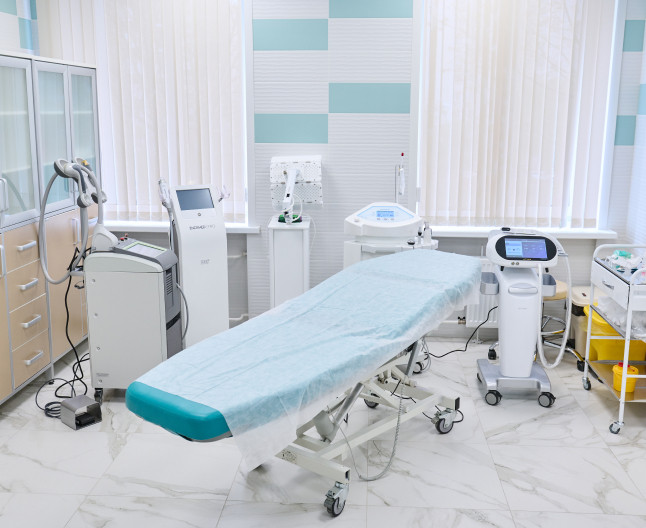
equipment

treatment



Basic principles of diet for oncology
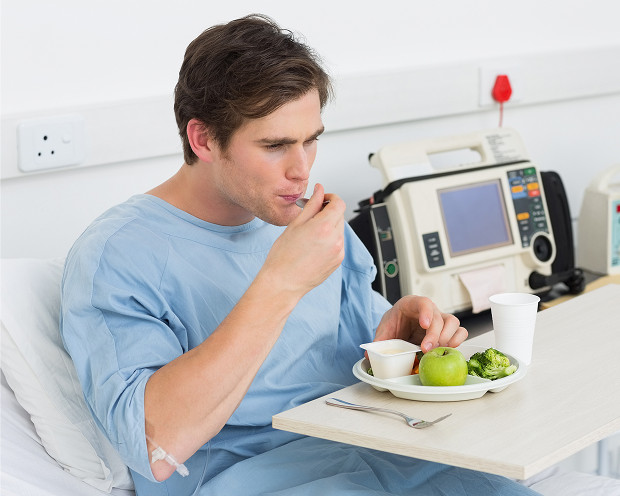
There's no one-size-fits-all plan—here are the basic guidelines our specialists follow:
- Adequate daily protein intake
- Eat small meals regularly
- Monitor your weight and its dynamics
- Follow a fluid regimen
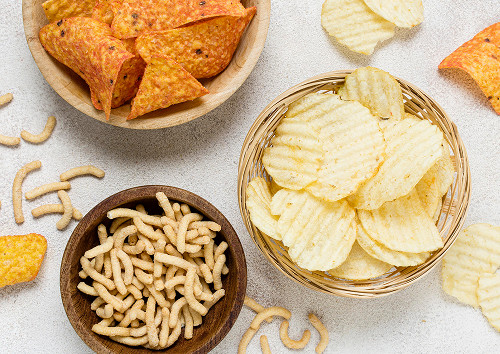
- Limit ultra-processed foods
- Safe food handling and storage
- Monitor your calorie intake
- Eat fruits and vegetables
- Maintain your appetite in accessible ways
- Follow your doctor's recommendations
The rules sound simple, but each person faces their own unique challenges, and our specialists develop a step-by-step approach to therapeutic nutrition for oncology.
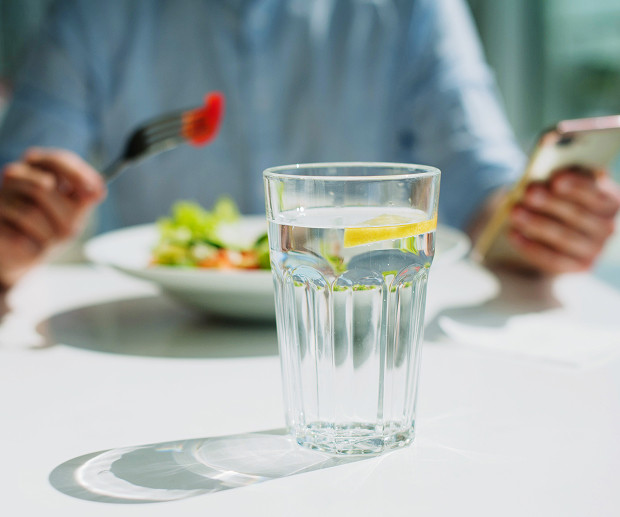
Balance of proteins, fats, and carbohydrates
Protein for tumors You need more than usual; fats provide dense energy, while carbohydrates provide quick energy. Protein is important for those losing weight, and a balanced diet is all about variety.
Sufficient Caloric Intake
Calorie intake is calculated individually based on weight, activity level, and type of therapy, as a lack of energy causes the body to burn muscle.
Drinking Regimen
Dehydration increases weakness and nausea, so drink water in small sips throughout the day.
Food Safety
The immune system is weakened during therapy, and familiar foods can lead to infection. A weakened body has a weaker resistance to germs, so raw eggs and unwashed vegetables are removed—this is a rule for cancer patients.
General information
Nutrition During Cancer Treatment
Each type of treatment changes your relationship with food in its own way: chemotherapy causes nausea, radiation can cause bowel problems, and surgery requires a special diet. Nutrition during chemotherapy differs from that during radiation, and each anticancer therapy has its own rules—the diet for cancer is adjusted to the current stage, accompanying the anticancer treatment.
Diet During Chemotherapy
Nausea, taste changes, and an aversion to meat are common symptoms of chemotherapy. Proper nutrition during chemotherapy reduces weight loss between cycles, so we discuss the menu for IV days in advance. And nutrition after chemotherapy restores appetite and protein reserves.
Nutrition During Radiation Therapy
Radiation has a targeted effect: swallowing and bowel function are affected, so food is made soft and high in calories.
Nutrition After Surgery
After surgery, the body needs material for suture healing, so eat little and often. Proper nutrition during cancer treatment accelerates healing and promotes recovery after treatment.
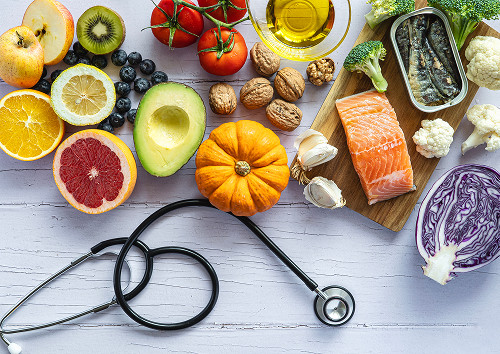
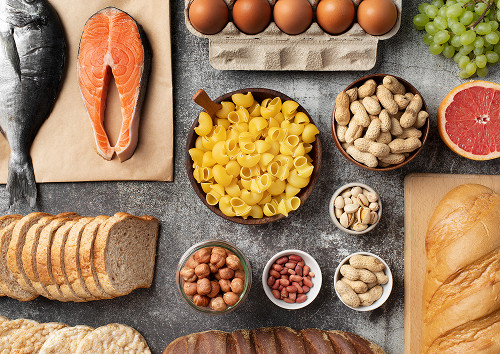


Navigating through conflicting advice alone is difficult. What you get by working with us:
- Individualized dietary selection based on diagnosis and stage
- Interdisciplinary approach: oncologist, dietitian, and nutritionist
- Recommendations based on clinical guidelines
- Support during chemotherapy and radiation therapy
- Support for weight loss and appetite
- Advice considering concomitant illnesses
- Monitoring of progress at every stage
Working together reduces anxiety: people understand what they eat and why. We document dietary recommendations in writing, and we tailor nutritional advice for oncology patients individually.
Quote from a doctor:
"In our practice, we regularly see that timely nutritional adjustments help patients better tolerate treatment and maintain their quality of life. Therefore, our specialists develop individualized recommendations based on the specifics of the disease, the treatment being administered, and the body's needs," — oncologist.
Answers to frequently asked questions
We've compiled the questions that patients and their families ask most frequently.
Is there a universal diet for cancer?
Can I fast if I have cancer?
Should I increase protein in my diet?
Do special anti-cancer diets help?
Conclusion
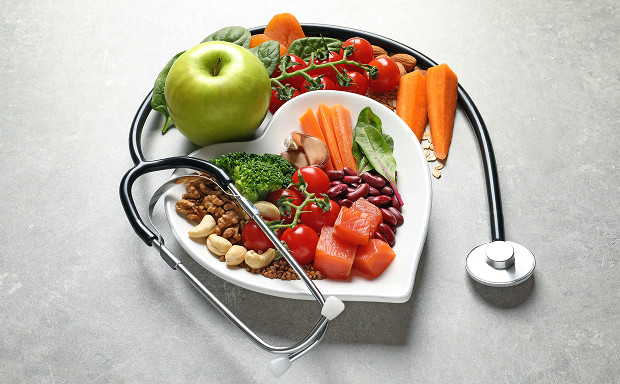
Food doesn't cure a tumor, but it does determine how a person copes with therapy. A cancer diet focuses on adequate protein, reasonable restrictions, and attention to weight, and nutritional recommendations for cancer are always individualized. Well-thought-out body support and nutritional support help better tolerate cancer treatment. A cancer diet reduces the risk of malnutrition.
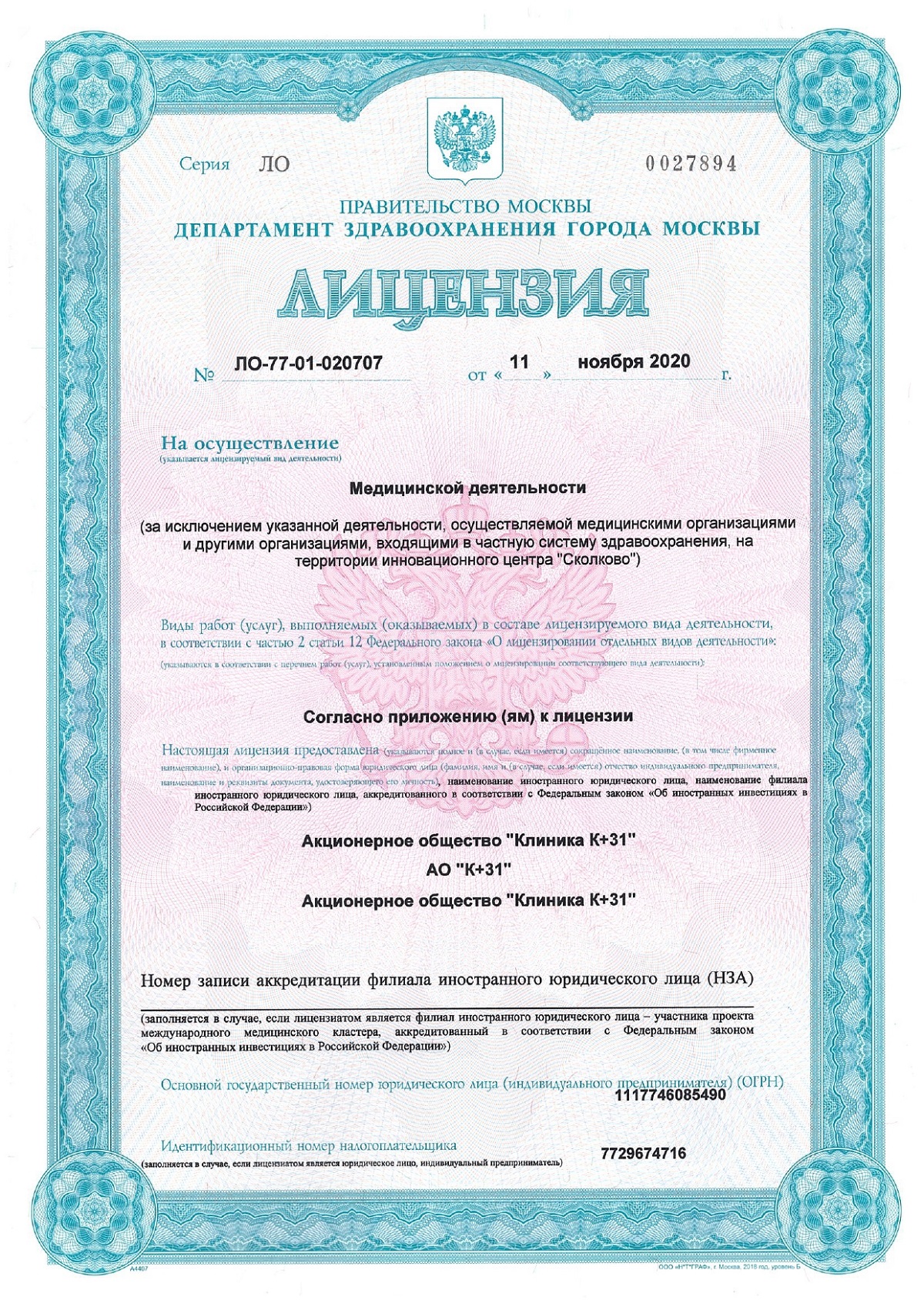
When to seek a consultation at "K+31"
Don't put off talking about food if your appetite is declining or treatment is difficult. An early consultation with a nutritionist and oncologist can help maintain strength—make an appointment with our center, and a doctor will determine your treatment plan after an in-person examination.
References
- Category of Clinical Guidelines of the Russian Ministry of Health — https://cr.minzdrav.gov.ru
- The "Tak Zdorov" portal of the Russian Ministry of Health — https://www.takzdorovo.ru
- Russian Society of Clinical Oncology (RUSSCO) — https://rosoncoweb.ru
- Association of Oncologists of Russia — https://oncology-association.ru
- CyberLeninka (scientific publications on nutritional support in oncology) — https://cyberleninka.ru
- Russian State Library of Medical Publications — https://www.rsl.ru
- PubMed (Russian-language reviews and materials with translations) — https://pubmed.ncbi.nlm.nih.gov
- Russian Medical Academy of Continuous Professional Education — https://rmapo.ru
- Federal Project "Oncoportal" — https://onco-life.ru
- National Medical Library of Russia — https://www.nlr.ru/coll/medica/
Our doctors




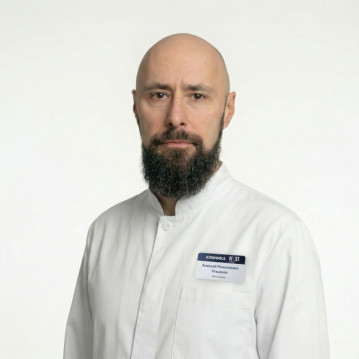

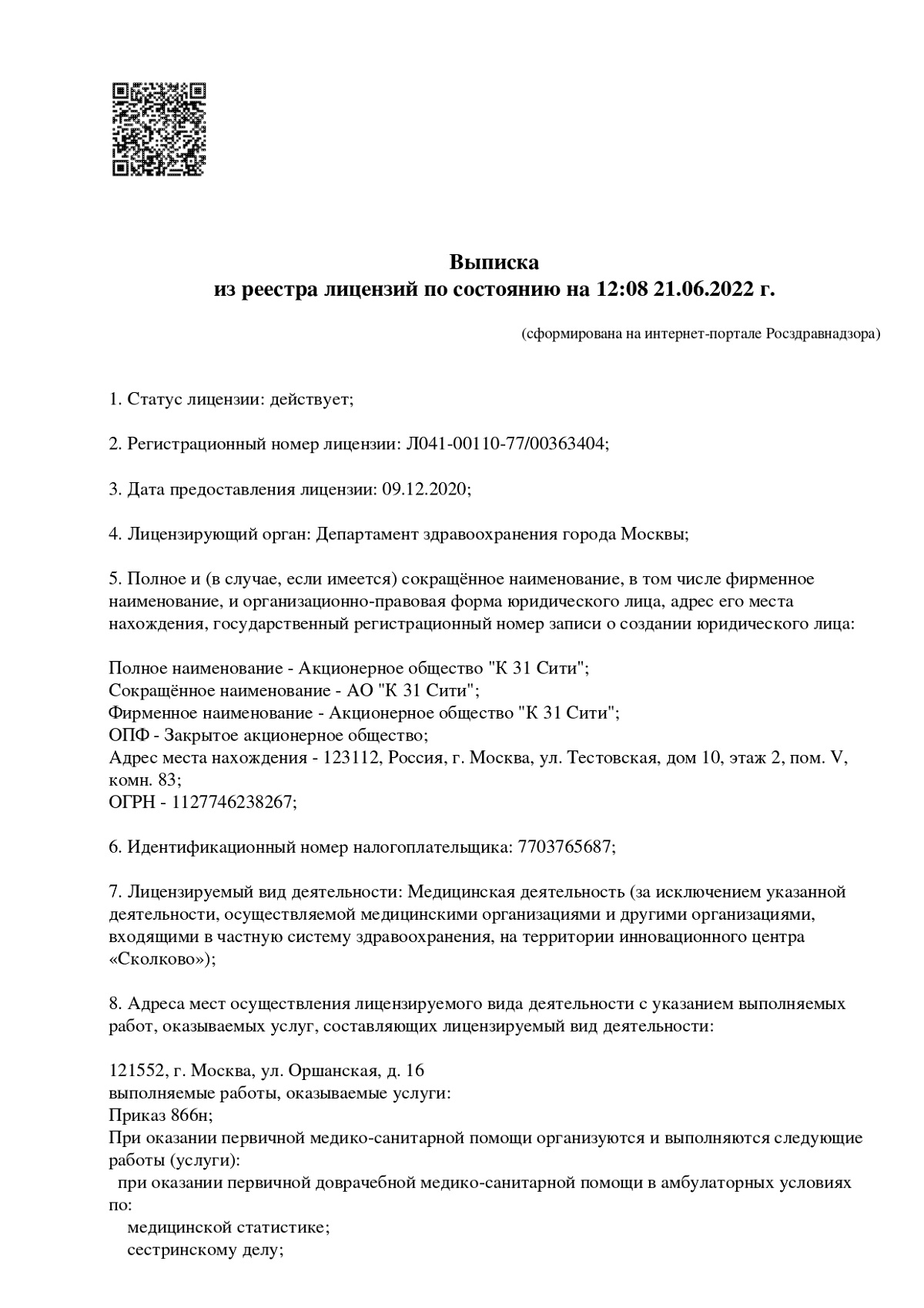
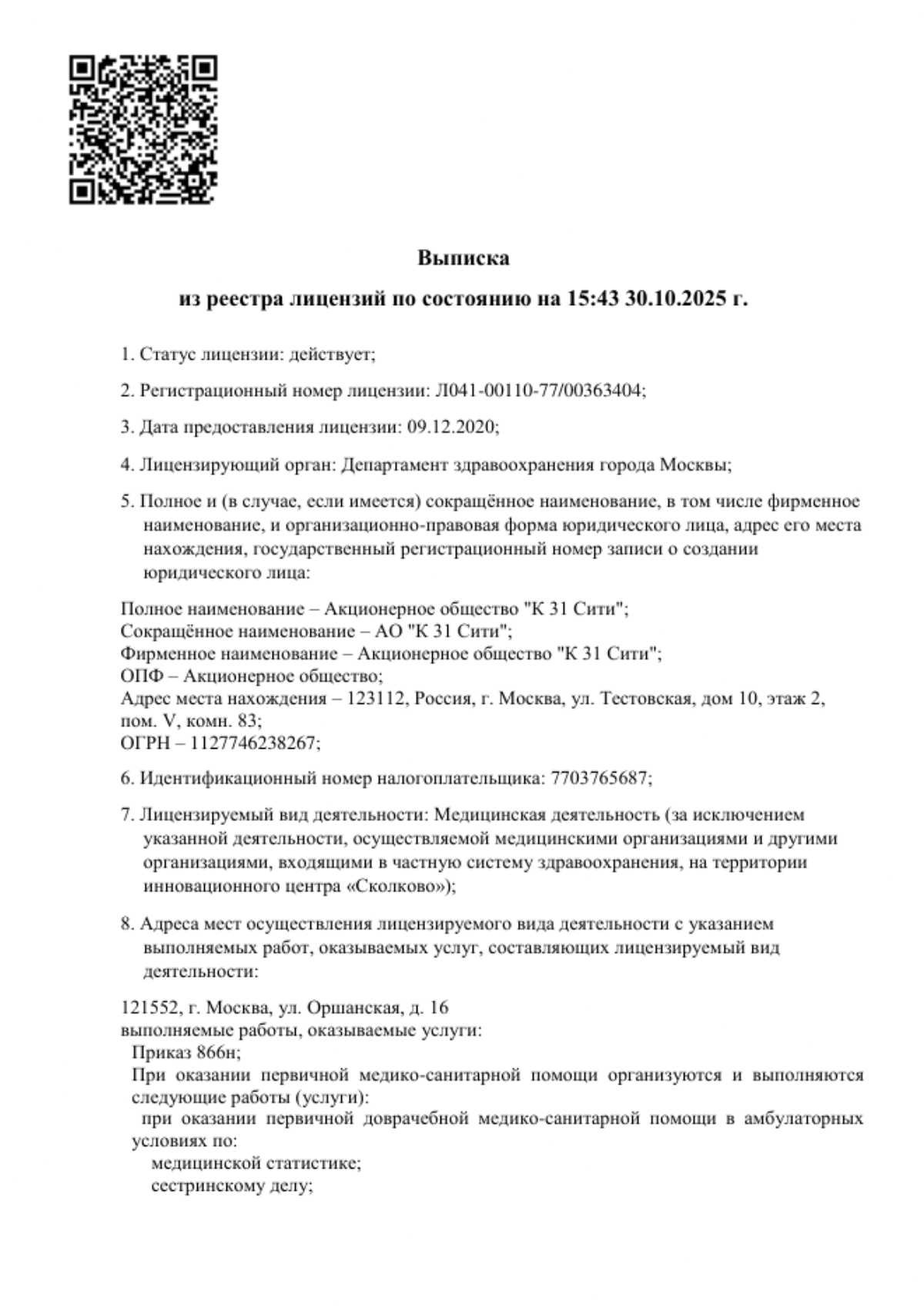
This award is given to clinics with the highest ratings according to user ratings, a large number of requests from this site, and in the absence of critical violations.

This award is given to clinics with the highest ratings according to user ratings. It means that the place is known, loved, and definitely worth visiting.

The ProDoctors portal collected 500 thousand reviews, compiled a rating of doctors based on them and awarded the best. We are proud that our doctors are among those awarded.
Make an appointment at a convenient time on the nearest date
Price
Other services

Appointment to the doctor
Reviews
Our clinics


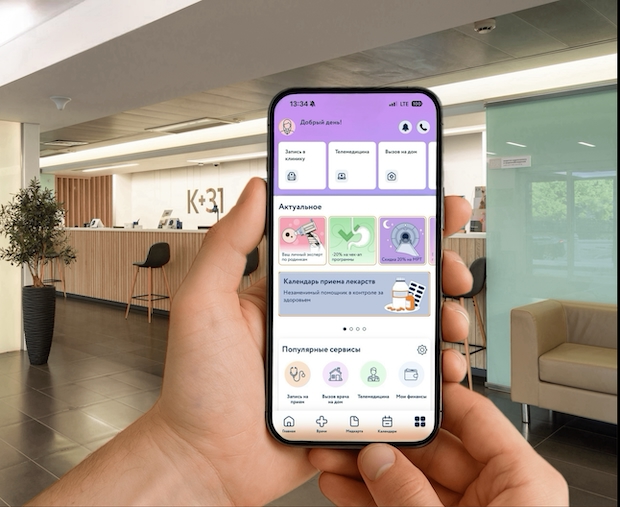
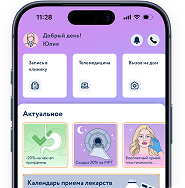
Application “Personal Account K+31”











Why Nutrition Is Important for Cancer Patients
During treatment, nutrition takes on a completely different meaning. It's a daily support system for the body—for tissue repair, maintaining muscle mass, and maintaining normal immune system function. Malnutrition can be far more dangerous than strict restrictions. Therefore, the topic of nutrition in oncology cannot be reduced to a list of prohibitions.
The Impact of Nutrition on the Overall Health
What's on your plate affects your well-being and tolerance of treatments. We consider nutrition in oncology to be part of treatment, and a well-balanced diet during cancer maintains strength over the long term.
The Role of Protein, Energy, and Micronutrients
Protein promotes wound healing and muscle maintenance. Micronutrients and vitamins are also important: iron, zinc, and magnesium are involved in hematopoiesis. Adequate nutrition during cancer treatment reduces the risk of infections.
Risks of Malnutrition
A lack of calories and protein triggers a chain reaction: a person loses weight, becomes weaker, and tolerates therapy less well. Nutritional status should be assessed early to avoid missing weight loss associated with cancer.