Bile Duct Cancer (Cholangiocarcinoma)
Bile flows from the liver into the intestines through thin channels called the biliary tract. When a malignant tumor develops in the bile duct wall, the outflow is disrupted, and the first signs are mistaken for liver disease. Bile duct tumors develop surreptitiously, so it's important to recognize warning signs early.

specialists

equipment

treatment



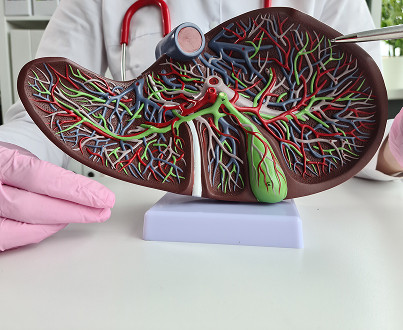
Causes and risk factors for the development of the disease

The exact cause that triggers carcinogenesis in the biliary system is not always known. Bile duct cancer most often develops as a result of long-standing illnesses and chronic inflammation.
Chronic Biliary Diseases
Long-term biliary diseases are the most significant factor. Primary sclerosing cholangitis, cysts, and gallstones can injure the biliary wall for years and maintain inflammation, which leads to epithelial degeneration.
Inflammatory Processes and Associated Pathologies
Chronic inflammation is a common mechanism for many oncological diseases. It is supported by parasitic infections, viral hepatitis, and liver cirrhosis.
Other Risk Factors
Some factors are within a person's control, while others are not. Doctors evaluate them together to understand individual risk:
- Age over 50
- Smoking and exposure to industrial chemicals
- Overweight and physical inactivity
- Hereditary liver disease
Even a few of these items doesn't necessarily indicate disease—it's a reason to be more careful during your examination.
Symptoms of disease progression

Manifestations depend on the location of the lesion and the degree of obstruction. The disease progresses unnoticed for a long time, and symptoms develop later.
Early Signs
The first symptoms of bile duct cancer are nonspecific and are easily attributed to fatigue. Warning signs include heaviness in the right upper quadrant, weakness, weight loss, and sometimes itching.
Symptoms of Disease Progression
When a node obstructs the lumen, mechanical jaundice develops. Jaundice associated with bile duct cancer is immediately noticeable: the skin and sclera turn yellow, urine darkens, stools become lighter, and pain and liver metastases later occur.
When to See a Doctor
Yellowing of the skin and dark urine are reasons to see a doctor immediately. There are signs that require an immediate consultation with an oncologist:
- Jaundice and yellowing of the whites of the eyes
- Dark urine
- Light-colored stool
- Itchy skin
- Pain in the right upper quadrant
- Weight loss
- General weakness
These symptoms can also be associated with other liver diseases, so you shouldn't self-diagnose. The earlier the symptoms of bile duct cancer are noticed, the higher the chance of receiving prompt treatment.
General information
Types and Stages of Cholangiocarcinoma
Based on the location of the lesion, three forms are distinguished. Treatment and prognosis for cholangiocarcinoma depend on this location, so it is important to accurately determine the form.
Intrahepatic Bile Duct Cancer
The intrahepatic form occurs in small ducts within the liver tissue. This bile duct tumor is differentiated from primary liver cancer by biopsy and morphological examination.
Perihilar Form
This variety, known as Klatskin tumor, is located in the porta hepatis. Outflow is blocked early, so jaundice is one of the first to appear.
Distal Form
The lower form is located closer to the intestine. Its manifestations resemble pancreatic tumors, so endoscopic methods are required.
Disease Stages
The stage is determined by the size of the nodule, vascular invasion, and the presence of metastases. Cholangiocarcinoma stages—from I to IV—form the basis of the treatment plan.
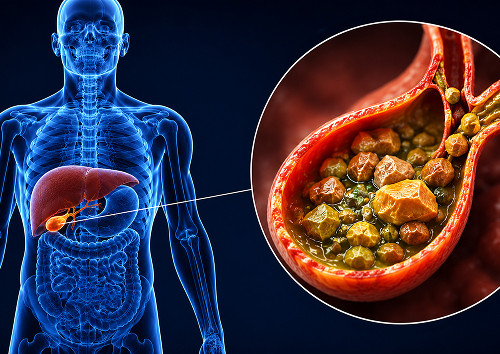




Prevention and Patient Monitoring
There is no specific prevention, but the risk can be reduced by promptly treating liver disease, quitting smoking, and monitoring your weight. After completing treatment for bile duct cancer, monitoring continues as scheduled:
- Routine examination by an oncologist every few months
- Monitoring tumor markers dynamically
- CT or MRI to assess the condition of the ducts
- Adjusting the plan at the first signs of recurrence
This regimen helps detect recurrence of the disease earlier.
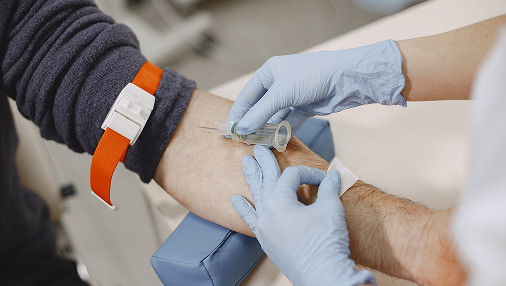
The benefits of contacting K+31
We have established a full service cycle: bile duct cancer diagnosis, treatment, and monitoring are all carried out in a single center. Bile duct cancer requires experience and a well-coordinated team. What this provides the patient:
- A panel of oncologists, surgeons, chemotherapy, and radiation therapists
- Modern diagnostics and in-house morphology
- An individualized plan based on current clinical guidelines
- Support at all stages and a second opinion if in doubt
A team, not a single doctor, stands behind every decision, and bile duct cancer in this format is no longer intimidating.

Answers to frequently asked questions
We've collected what patients ask most frequently.
How to recognize bile duct cancer in its early stages?
What diagnostic methods are used if cholangiocarcinoma is suspected?
Can bile duct cancer be cured?
Which doctor treats bile duct cancer?
References
- Clinical Guidelines of the Ministry of Health of the Russian Federation "Malignant Neoplasms of the Biliary Tract" — https://cr.minzdrav.gov.ru
- Directory of Clinical Guidelines of the Ministry of Health of the Russian Federation — https://cr.minzdrav.gov.ru
- Portal of the Directory of Clinical Guidelines — https://cr.minzdrav.gov.ru/schema
- RMS (Russian Medical Server) Handbook on Oncology — https://www.rusmedserv.com
- CyberLeninka: publications on cholangiocarcinoma — https://cyberleninka.ru
- Scientific electronic library eLIBRARY — https://elibrary.ru
- Oncology.ru portal — https://www.oncology.ru
- Russian Society of Clinical Oncology (RUSSCO) — https://rosoncoweb.ru
- PubMed (Russian-language reviews and translations of studies) — https://pubmed.ncbi.nlm.nih.gov
- RLS Encyclopedia: Oncological Diseases — https://www.rlsnet.ru
- MSD Manual (Russian version) — https://www.msdmanuals.com/ru
- FSBI "National Medical Research Center of Oncology" of the Ministry of Health of Russia - https://www.ronc.ru
Our doctors




















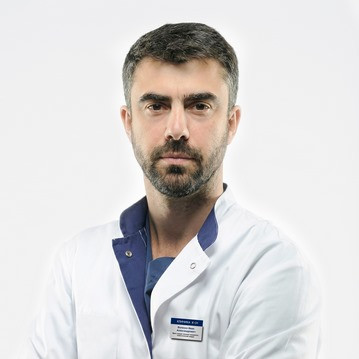




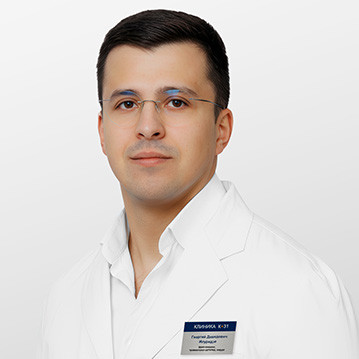
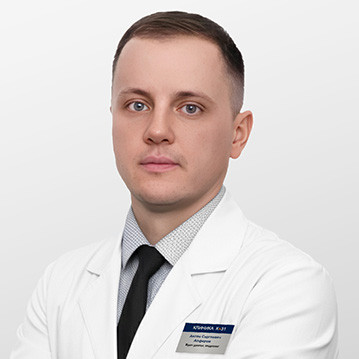
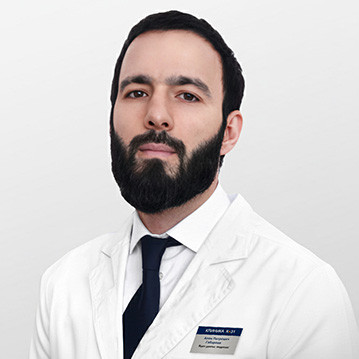







This award is given to clinics with the highest ratings according to user ratings, a large number of requests from this site, and in the absence of critical violations.

This award is given to clinics with the highest ratings according to user ratings. It means that the place is known, loved, and definitely worth visiting.

The ProDoctors portal collected 500 thousand reviews, compiled a rating of doctors based on them and awarded the best. We are proud that our doctors are among those awarded.
Make an appointment at a convenient time on the nearest date
Price
Other services

Appointment to the doctor
Reviews






Our clinics


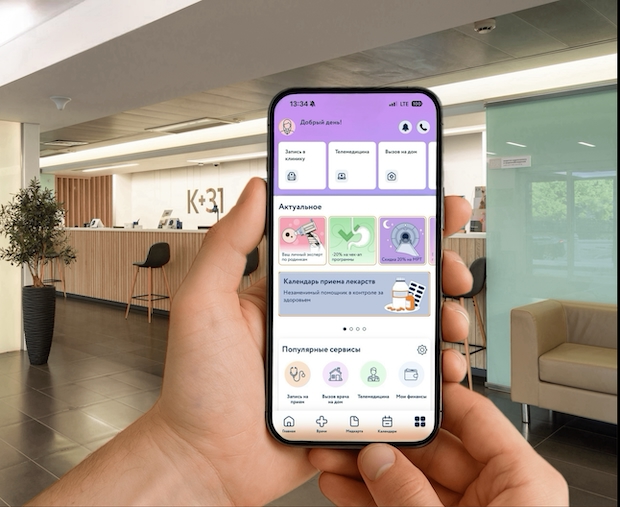
Application “Personal Account K+31”