
Polycythemia vera and essential thrombocythemia
High hemoglobin or persistently elevated platelets in a blood test are a reason to take a closer look. These numbers may indicate polycythemia vera and essential thrombocythemia.
Below, an oncologist and hematologist at "K+31" explains what these blood disorders are, why early diagnosis is necessary, and why monitoring is important even when you feel well.

specialists

equipment

treatment




What are myeloproliferative neoplasms
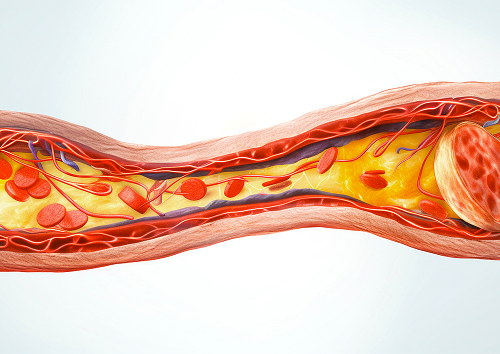
This is a group of chronic bone marrow diseases in which the bone marrow produces too many mature blood cells. Myeloproliferative neoplasms include several diseases united by common developmental mechanisms.
The place of true polycythemia and essential thrombocythemia among blood diseases
Both diseases are classified in this group and are considered chronic. The first is often called Vaquez's disease, and both are associated with excessive hematopoiesis, not inflammation or infection.
How do these diseases differ from each other?
The difference lies in which cells become overly numerous. In one disease, the number of red blood cells increases and hemoglobin rises, while in the other, the number of platelets increases.
To make the comparison clearer, we'll summarize the main differences in a table.
| Parameter | Polycythemia vera | Essential thrombocythemia |
|---|---|---|
| Blood changes | Increased red blood cells and hemoglobin | Increased platelets |
| Common symptoms | Redness of the skin, itching, headaches | Often latent course, microthrombosis |
| Major mutations | JAK2 in almost all cases | JAK2, CALR, MPL |
| Thrombosis risk | High | Moderate or high |
| Diagnosis | Complete blood count, JAK2, bone marrow | Complete blood count, genetics, bone marrow |
| Monitoring | Bleeding, hematocrit monitoring | Platelet monitoring, risk assessment |
Despite the differences, the approach to both diseases is built around risk assessment and regular monitoring.

Symptoms of polycythemia vera
Manifestations are associated with an excess of red blood cells and blood thickening. Some complaints appear early, others reflect already developed blood flow disorders.
Early signs of the disease
At the start, there are often no complaints, and elevated hemoglobin is found by chance during a routine analysis. Sometimes you are worried about weakness, heaviness in the head and redness of the face.

Symptoms associated with increased blood viscosity
When blood thickens, its flow through the vessels is impaired. Characteristic complaints appear:
- Headaches and dizziness
- Itchy skin, especially after a warm shower
- Redness of the face and palms
- Flickering spots before the eyes
- Numbness or tingling in the fingers
These symptoms are nonspecific, but together with changes in the blood test, they form a recognizable picture.
Possible complications
The main danger is the formation of blood clots in the vessels. Due to blood thickening, the risk of circulatory problems increases, so the disease should not be left unchecked.

Symptoms of essential thrombocythemia
Excess platelets play a leading role here. Symptoms depend on their number and the blood's tendency to form blood clots.
Manifestations of increased platelet count
The disease often proceeds latently and is detected by blood tests. Elevated platelet counts may include:
- Headaches
- Dizziness
- Tingling in the hands and feet
Thrombotic and hemorrhagic complications
This disease can cause both thrombosis and bleeding. Overactive but defective platelets disrupt hemostasis in both directions, which determines the monitoring strategy.
There are reasons to schedule an appointment without delay. Consulting an oncohematologist is worthwhile in the following cases:
- High hemoglobin levels based on blood test results
- Persistently elevated platelet counts
- Headaches and dizziness are a concern
- Have had episodes of thrombosis
- Enlarged spleen
- Myeloproliferative disease is suspected
Early consultation allows for risk assessment and prevention of dangerous complications.
Diagnosis of myeloproliferative neoplasms
The diagnosis is based on a combination of data, not a single indicator. At our center, the examination is carried out in stages:
- Consultation with an oncohematologist and examination
- Complete blood test with an assessment of all germs
- Biochemical tests
- Molecular genetic testing for JAK2, CALR, MPL
- Bone marrow examination and comparison with criteria
This procedure helps distinguish the disease from other causes of changes in blood counts.
Complete blood test
The first and most accessible method is a complete blood count. It measures hemoglobin, red blood cell, and platelet levels and is usually the first to indicate a problem.
Biochemical studies
Metabolism and internal organ function are also assessed. This data is needed to rule out secondary causes of elevated levels.
Molecular genetic diagnostics
Genetics plays a key role in confirmation. Detection of a JAK2 mutation or other markers helps to confidently establish a diagnosis and choose treatment options.
Bone marrow examination
In some cases, bone marrow sampling is necessary. Its analysis reveals the nature of hematopoiesis and helps differentiate one disease from another.
Diagnosis criteria
The final diagnosis is based on international criteria. The doctor compares the results of the tests, genetics, and bone marrow analysis, using WHO diagnostic criteria.
"In our practice, changes in blood tests are often discovered incidentally. Early diagnosis of myeloproliferative neoplasms makes it possible to assess the risk of complications and develop an individualized monitoring program for each patient."
— oncologist-hematologist.
General information
Modern approaches to treatment and monitoring
The goal of therapy is to reduce the risk of complications and maintain blood counts within safe limits. The program is selected individually, taking into account age and risk factors.
Risk assessment of complications
Before prescribing treatment, the doctor assesses the likelihood of thrombosis. This assessment determines whether observation alone or active therapy is recommended.
Drug therapy
For high-risk patients, medications that reduce cell count and blood viscosity are used. This cytoreductive treatment reduces the load on blood vessels.
Blood count monitoring
Blood counts are regularly monitored during treatment. Constant monitoring of blood counts helps maintain hemoglobin and platelet levels within the target range.
Long-term patient monitoring
These illnesses are chronic, so monitoring continues for years. Regular visits and tests help detect changes early and adjust treatment.


Answers to frequently asked questions
We've compiled the most frequently asked questions from patients. The answers are general and do not replace an in-person consultation with a hematologist.
Why is true polycythemia dangerous?
Is it possible to confirm the diagnosis with just a blood test?
What does finding a JAK2 mutation mean?
Should I be monitored if I feel well?
Polycythemia vera and essential thrombocythemia are chronic diseases that are easily managed if detected early. Regular monitoring by a hematologist-oncologist, risk assessment, and treatment for polycythemia vera or essential thrombocythemia can help reduce the risk of complications and maintain a normal lifestyle.
Clinical Guidelines of the Ministry of Health of the Russian Federation — https://cr.minzdrav.gov.ru/
Category of Clinical Guidelines of the Ministry of Health of the Russian Federation — https://cr.minzdrav.gov.ru/
Scientific Electronic Library eLIBRARY — https://elibrary.ru/
CyberLeninka — https://cyberleninka.ru/
Portal of the All-Russian Public Organization "Russian Society of Oncohematologists" — https://oncohematology.ru/
RLS Directory — https://www.rlsnet.ru/
Medical Portal for Physicians "Consilium Medicum" — https://con-med.ru/
Russian Journal of Hematology and Transfusiology — https://htjournal.ru/
Federal Electronic Medical Library — https://femb.ru/
Breast Cancer Encyclopedia — https://www.rmj.ru/
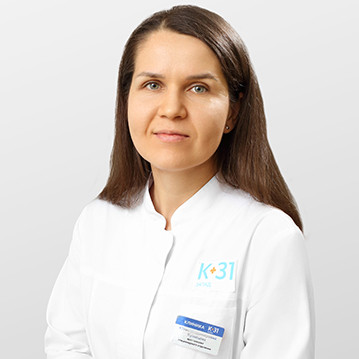
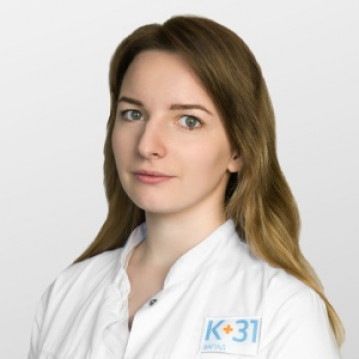
Our doctors










































This award is given to clinics with the highest ratings according to user ratings, a large number of requests from this site, and in the absence of critical violations.

This award is given to clinics with the highest ratings according to user ratings. It means that the place is known, loved, and definitely worth visiting.

The ProDoctors portal collected 500 thousand reviews, compiled a rating of doctors based on them and awarded the best. We are proud that our doctors are among those awarded.
Make an appointment at a convenient time on the nearest date
Price
Other cancer treatment services

Appointment to the doctor
Reviews






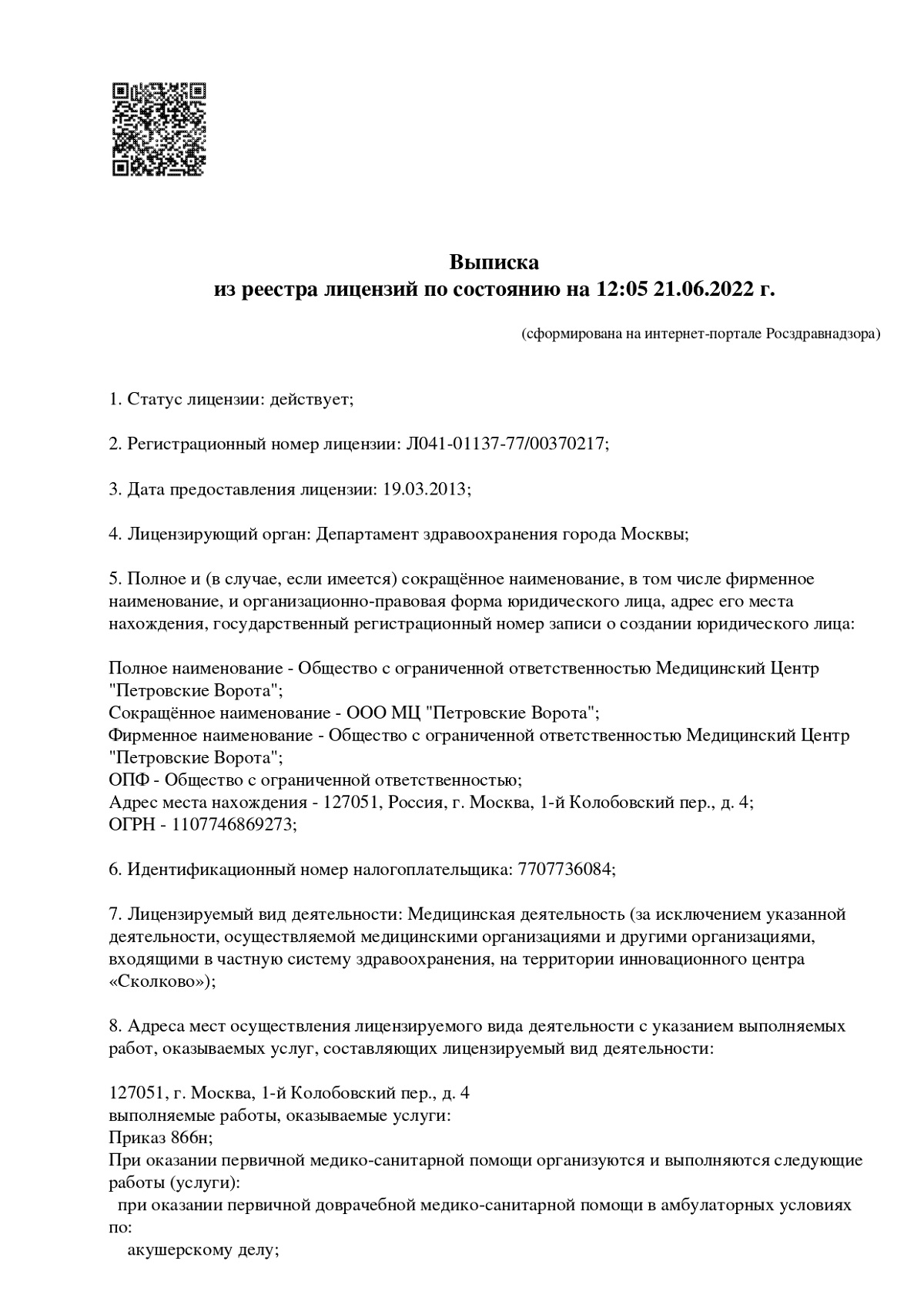





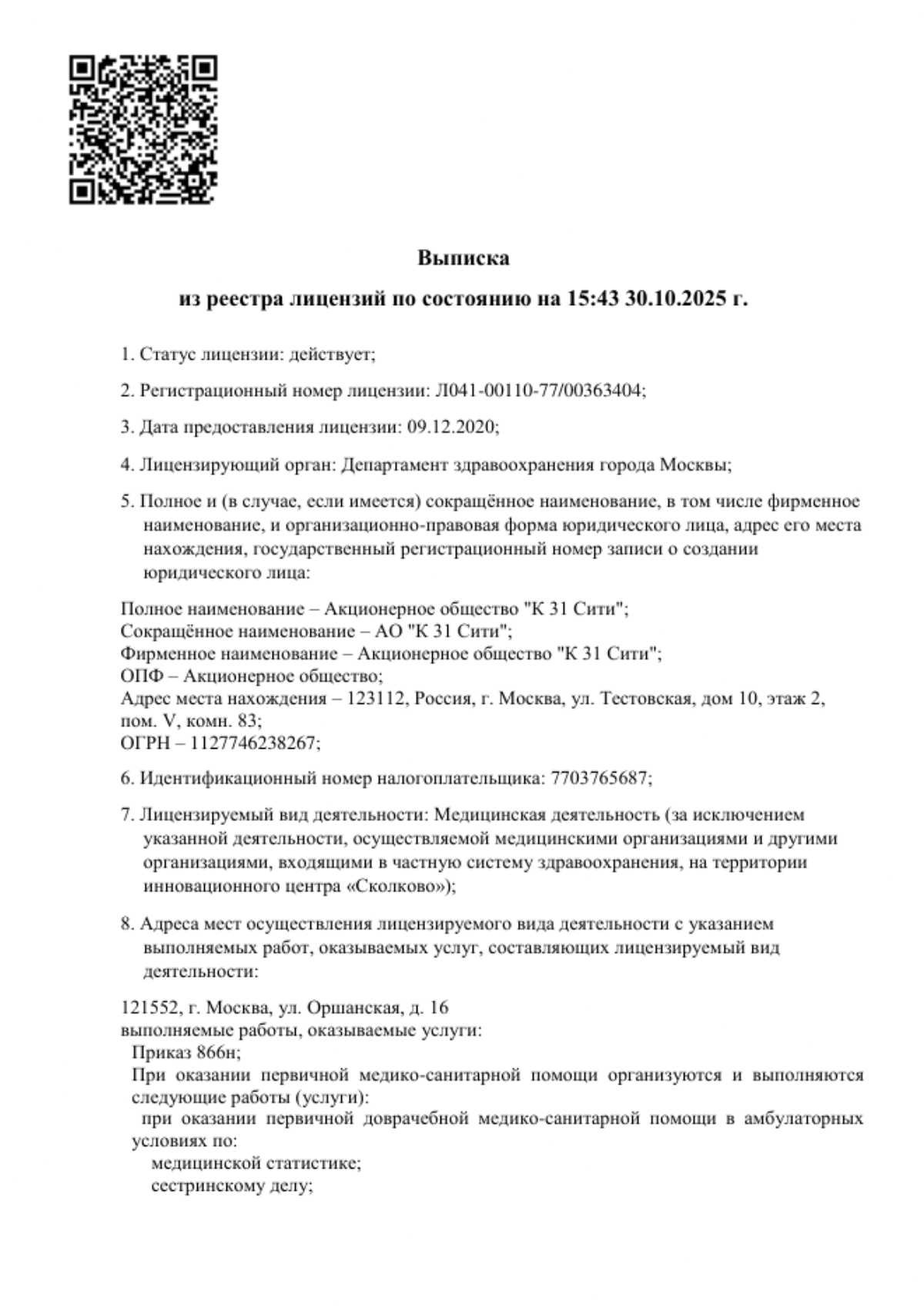






Our clinics


Application “Personal Account K+31”












Causes and mechanisms of disease development
These are caused by acquired genetic defects in bone marrow cells. They are not transmitted through everyday life and usually arise during life.
Genetic mutations of JAK2, CALR, and MPL
Changes in certain genes play a key role. The most common mutation is JAK2. Less common are CALR or MPL, which trigger excessive cell division.
Risk factors and course characteristics
The disease develops slowly and is often diagnosed in the second half of life. Age and a history of thrombosis increase the risk, and the disease itself remains stable for a long time.