
Myelodysplastic syndromes (MDS)
Sometimes a routine blood test reveals a persistent decrease in hemoglobin or platelets, and the usual causes are not confirmed. Myelodysplastic syndromes may be behind such changes.
Below, K+31 oncohematologists explain what MDS is, how it is detected, and the options available for modern MDS treatment.

specialists

equipment

treatment






Causes and risk factors for the development of MDS
The exact cause is often unknown. It involves the accumulation of genetic changes in bone marrow cells, and certain circumstances increase the likelihood of the disease.
Age-related changes in hematopoiesis
With age, bone marrow function becomes less stable. This is why myelodysplasia is more common in people over 60.
Exposure to chemicals and radiation
External factors play a significant role. Exposure to benzene and certain solvents, as well as previous radiation exposure, are also significant.
Secondary myelodysplastic syndromes
Sometimes the disease develops after previous treatment. These forms are associated with previous chemotherapy or radiation therapy for other tumors.
Symptoms of myelodysplastic syndromes

Manifestations are associated with a lack of adequate blood cells. The range of symptoms depends on which hematopoietic system is missing, so MDS symptoms vary from patient to patient.
Manifestations of anemia
A lack of red blood cells is the first symptom. Weakness, pallor, dizziness, and shortness of breath during exertion are typical symptoms of MDS.
Signs of decreased immunity
A deficiency of normal white blood cells weakens the body's defenses. As a result, colds, inflammation, and other infections become more frequent.
Bleeding and clotting disorders
Low platelet levels lead to increased bleeding. Frequent bruising, bleeding gums, and small hemorrhages on the skin are possible.
Diagnostics of MDS
The examination combines blood tests and bone marrow examination. At our center, MDS diagnosis is carried out in stages:
- Consultation with an oncohematologist and examination
- General and biochemical blood test
- Bone marrow puncture and examination
- Cytogenetic study and molecular tests
- Risk group and prognosis assessment
This procedure allows not only to confirm the disease but also to determine its form.
Laboratory blood tests
They begin with a general blood test, which reveals cytopenia—a decrease in cell count. This test evaluates hemoglobin, leukocyte, and platelet levels.
Bone marrow examination
The key method is collecting bone marrow by puncture. Analysis of the material reveals cell dysplasia and the proportion of blast cells, confirming the diagnosis.
Cytogenetic and molecular genetic studies
Genetic analysis is used to clarify the nature of the disease. Cytogenetics and molecular diagnostics identify mutations and help assess the prognosis.
Assessment of disease prognosis
Based on all the data, the doctor assigns the patient to a specific risk group. This is done using international prognostic scales that take into account tests and genetic changes.
To illustrate the role of each method, we provide a summary table of diagnostics.
| Method | What it reveals | Meaning |
|---|---|---|
| Complete blood count | Blood cell changes | Initial assessment |
| Bone marrow puncture | Hematopoiesis disorder | Diagnosis confirmation |
| Cytogenetics | Genetic changes | Prognosis assessment |
| Molecular testing | Mutations | Treatment tactics |
Only a combination of these methods provides a complete and reliable picture.
"In our practice, early detection of myelodysplastic syndrome allows us to promptly select therapy and monitor the progression of the disease. Comprehensive diagnostics and an individualized approach help us make an informed decision for each patient."
— oncohematologist.
General information
Classification of myelodysplastic syndromes
The disease is heterogeneous and encompasses several variants. The prognosis and treatment options directly depend on the form.
Main forms of MDS
Several variants are distinguished depending on which hematopoietic lineages are affected and the number of blast cells in the bone marrow. They can be roughly divided as follows:
- Forms with predominant anemia
- Forms with damage to multiple hematopoietic lineages
- Forms with excess blast cells
- Variant with an isolated genetic defect (deletion 5q)
The exact variant is determined based on bone marrow examination and genetic testing.
Risk groups
For prognosis, patients are divided into risk groups. This division helps determine how aggressively to treat and which treatment method to choose.
Long-term monitoring
Even with a good result, monitoring is continued. This type of treatment monitoring allows for early detection of diminishing returns and the appropriate treatment plan.




Answers to frequently asked questions from patients
What is myelodysplastic syndrome?
What symptoms may indicate MDS?
How is the disease diagnosed?
Can MDS be treated with modern methods?
Timely consultation with a specialist if persistent changes in blood tests are observed is the key to disease control. Accurate diagnosis, risk group determination, and individualized treatment help keep MDS under observation and maintain the patient's quality of life.
Category of Clinical Guidelines of the Ministry of Health of the Russian Federation — https://cr.minzdrav.gov.ru/
Russian Society of Clinical Oncology (RUSSCO) — https://rosoncoweb.ru
Association of Oncologists of Russia — https://oncology-association.ru
Federal Electronic Medical Library — https://femb.ru
CyberLeninka — publications on oncohematology — https://cyberleninka.ru
Scientific electronic library eLIBRARY — https://elibrary.ru
MSD Manual (Russian version) — https://www.msdmanuals.com/ru
PubMed (Russian-language reviews and materials with the ability to search for publications) — https://pubmed.ncbi.nlm.nih.gov
National Medical Research Knowledge Base of the Eurasian Association of Therapists — https://euat.ru
Encyclopedia and Reference Materials of the Russian Medical Association — https://www.rmj.ru
Continuous Medical Education Portal of the Ministry of Health of the Russian Federation — https://edu.rosminzdrav.ru
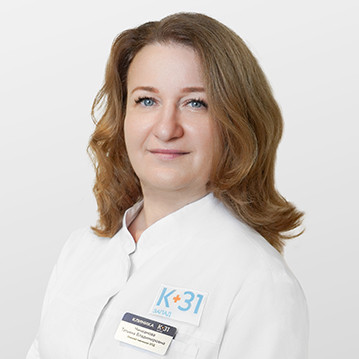
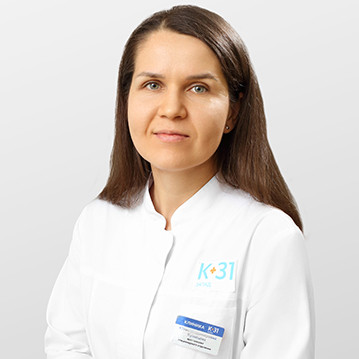
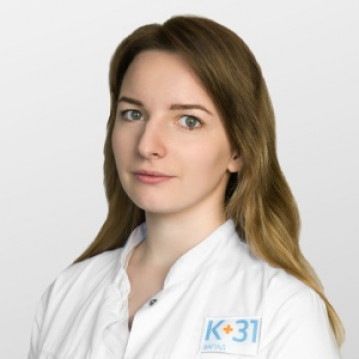
Our doctors










































This award is given to clinics with the highest ratings according to user ratings, a large number of requests from this site, and in the absence of critical violations.

This award is given to clinics with the highest ratings according to user ratings. It means that the place is known, loved, and definitely worth visiting.

The ProDoctors portal collected 500 thousand reviews, compiled a rating of doctors based on them and awarded the best. We are proud that our doctors are among those awarded.
Make an appointment at a convenient time on the nearest date
Price
Other cancer treatment services

Appointment to the doctor
Reviews


















Our clinics


Application “Personal Account K+31”












When is it necessary to consult an oncohematologist?
There are some complaints that require immediate attention. Schedule a consultation with an oncohematologist in the following cases:
Even with minor abnormalities, do not self-diagnose – the cause is determined only after an examination.