Soft Tissue Tumors
Connective tissue, fatty tissue, blood vessels, and nerves lie beneath the skin and between the muscles. Sometimes a soft tissue tumor—a nodule—grows in these tissues, which can be harmless or, less commonly, malignant. An oncologist determines what exactly has grown and whether it is dangerous.
We explain how these nodules manifest, how they are detected and treated, and why it is important to see a doctor immediately.

specialists

equipment

treatment




What types of soft tissue tumors are there?

Based on their growth pattern, soft tissue tumors are divided into two groups: benign and malignant. The type of tumor determines the treatment and prognosis. Sometimes malignant soft tissue tumors are almost indistinguishable in appearance from harmless ones, so it's impossible to judge based on their appearance alone.
Malignant Tumors (Soft Tissue Sarcomas)
Soft tissue sarcoma is a malignant tumor that can grow and spread rapidly. These malignant soft tissue tumors invade adjacent structures and metastasize, most often to the lungs. Early signs of sarcoma are subtle, and detection directly impacts treatment outcomes. We explain each step in simple terms and maintain communication with the patient.
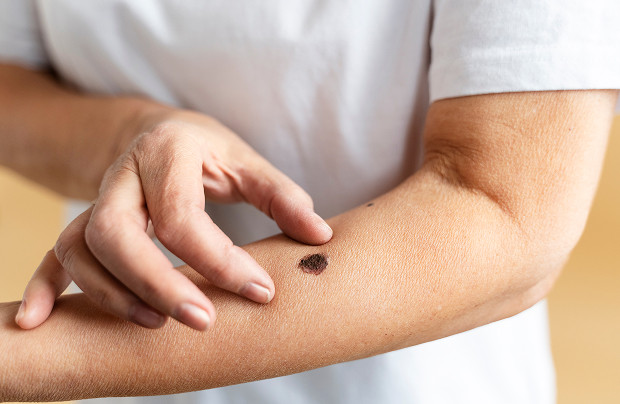
Benign Tumors
A benign tumor grows slowly, has clear boundaries, and does not metastasize. It is usually not life-threatening, but sometimes it is removed if it is bothersome, painful, or cosmetically noticeable. There are several most common types:
- Lipoma - made of fatty tissue
- Fibroma - made of connective tissue
- Hemangioma - made of blood vessels
- Neurinoma - made of nerve sheaths
Even a harmless-looking tumor should be examined by a doctor. Similar formations sometimes turn out to be malignant, and only an examination provides a definitive answer.
General information
Causes and Risk Factors
The exact cause of tumor development is rarely determined. Certain factors increase the risk, although none makes the disease inevitable. It most often occurs in adults, but it can also occur in children, and age alone is not a death sentence.
Hereditary Predisposition
Some cases are associated with hereditary syndromes, such as neurofibromatosis or Li-Fraumeni syndrome. If there is a family history of soft tissue sarcoma or other tumors, the risk is higher. Such patients should closely monitor new nodules and regularly schedule checkups. The doctor may suggest scheduled monitoring to detect changes early.
Exposure to External Factors
The risk is increased by previous radiation therapy, exposure to certain chemicals, and repeated trauma. Sometimes a nodule appears in the area of an old scar or radiation exposure. There's usually no direct connection with everyday injuries—bruises and bumps resolve on their own after a blow.
Chronic Diseases and Conditions
Long-term limb swelling, certain viral infections, and weakened immunity are also considered risk factors. They don't directly cause the disease, but they create an unfavorable background. Therefore, managing chronic conditions is part of sound prevention. A healthy weight, quitting smoking, and physical activity reduce the overall risk. Simple habits don't cure the disease, but they do conserve energy.

The benefits of early diagnosis in K+31
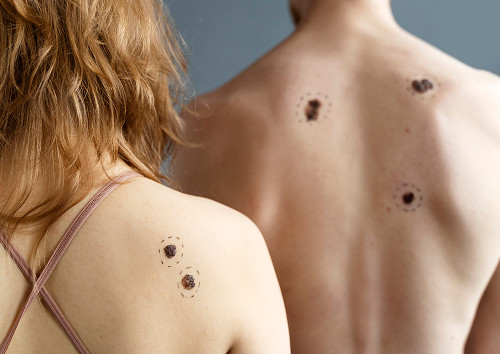
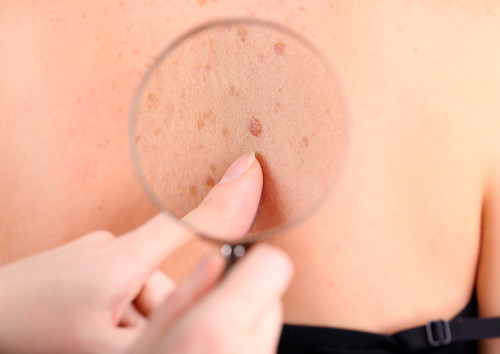
The earlier a nodule is detected, the greater the chances. Early diagnosis allows for the removal of a soft tissue sarcoma while it's small and hasn't metastasized, and more often than not, limb preservation. A small nodule is easier to remove, requiring less extensive surgery, and the recovery time is shorter; in later stages, treatment is more difficult, and the prognosis is worse. Therefore, we recommend showing any new nodule to your doctor without delay.
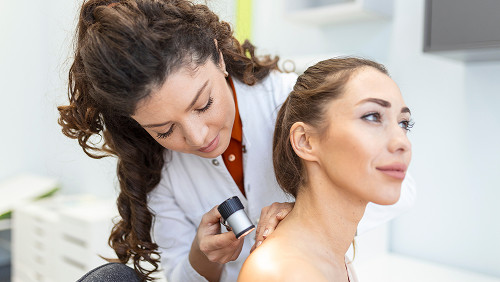
How an oncologist appointment works
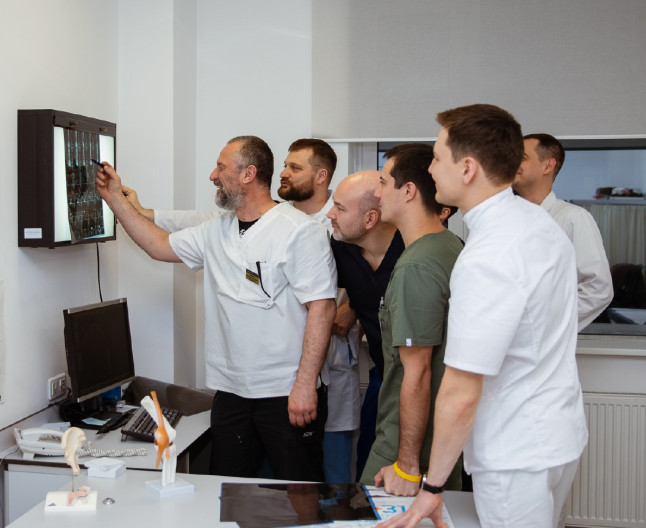
We structured the appointment so that patients receive maximum clarity in one visit. A soft tissue oncologist examines the nodule, reviews the images, and develops a plan. The tumor examination is scheduled for the same day. The appointment is structured in steps:
- Examination and collection of complaints
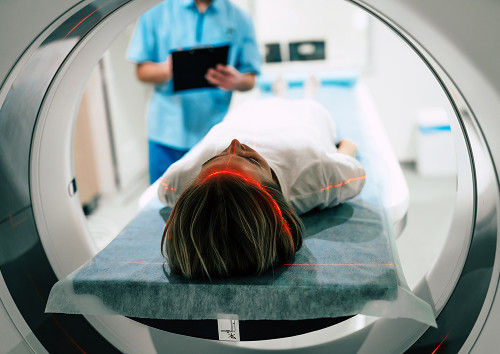
- Evaluation of MRI or CT images
- If necessary, a nodule biopsy
- Development of a personalized treatment plan
This format saves time and reduces anxiety. The patient leaves with a completed plan, clear deadlines, and answers to their questions, rather than vague advice. We can also schedule all procedures for you, if desired.
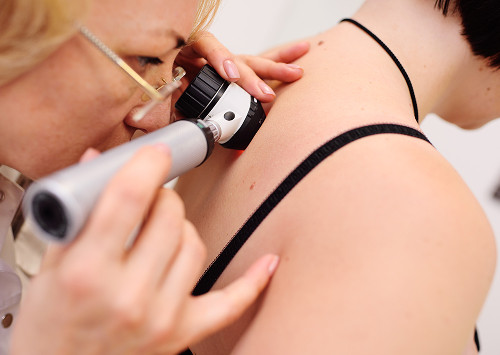
Our approach to treating soft tissue tumors
We build care on teamwork and evidence-based medicine. Soft tissue oncology requires experience, so decisions are made by a team of oncologists, surgeons, and radiation therapists. What the patient receives:
- Specialist consultation and a second opinion if in doubt
- Modern imaging—MRI, CT, PET/CT
- Morphological verification before treatment
- Individualized plan and support at all stages
If necessary, soft tissue tumor removal and subsequent therapy are performed in a single center. This ensures qualified medical care is provided without wasted time or unnecessary travel between clinics. The patient and their family always know who to contact.
Answers to frequently asked questions
We've collected what patients ask most frequently.
Are soft tissue tumors dangerous?
What symptoms may indicate a soft tissue tumor?
How are soft tissue tumors diagnosed?
Can a soft tissue tumor be completely cured?

References
- Clinical Guidelines of the Ministry of Health of the Russian Federation "Soft Tissue Sarcomas" — cr.minzdrav.gov.ru
- Category of Clinical Guidelines of the Ministry of Health of the Russian Federation
- National Medical Library (CyberLeninka)
- Russian Society of Clinical Oncology (RUSSCO)
- Scientific Electronic Library eLIBRARY
- Federal State Budgetary Institution "N.N. Sechenov National Medical Research Center of Oncology" Blokhin Cancer Research Center of the Russian Ministry of Health
- Oncology of Russia Portal
- Directory of Diseases and Clinical Guidelines of the Russian Ministry of Health
- Russian State Library of Medical Publications
- Federal Electronic Medical Library (FEMB)
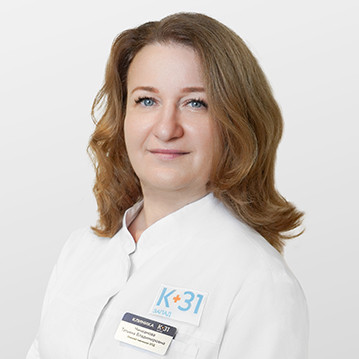
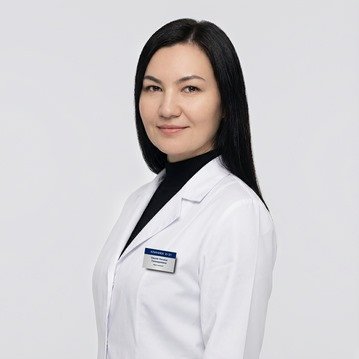
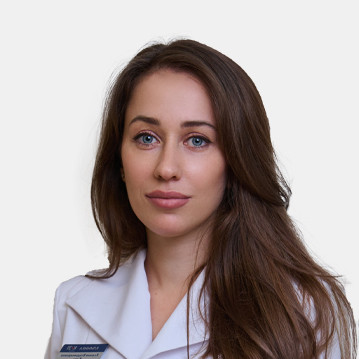
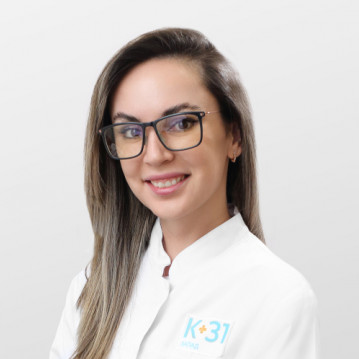
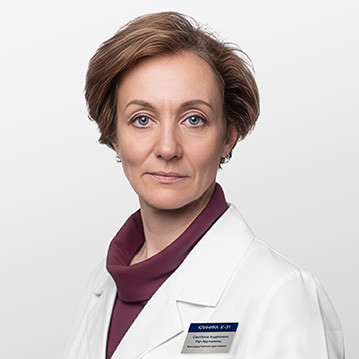
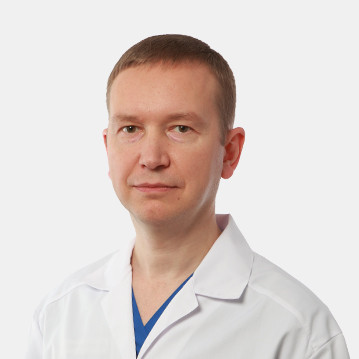
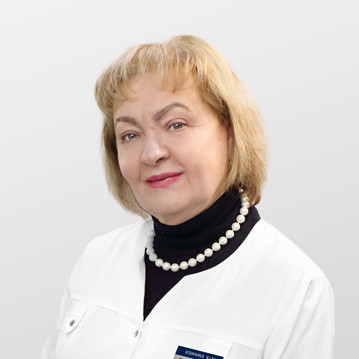
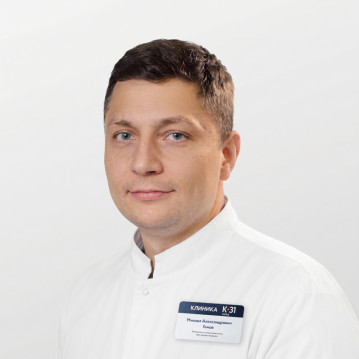
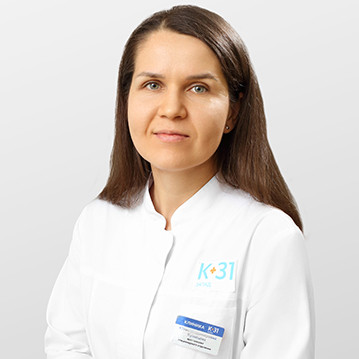
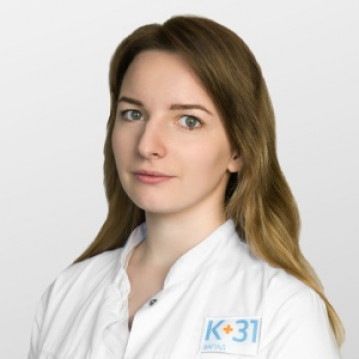
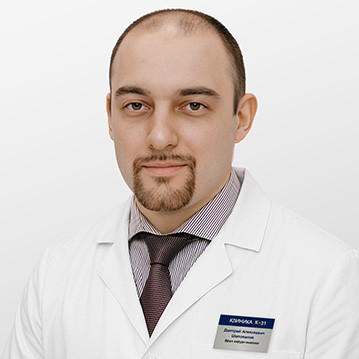
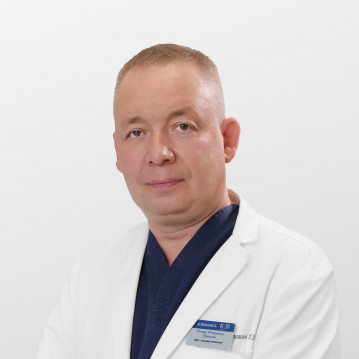
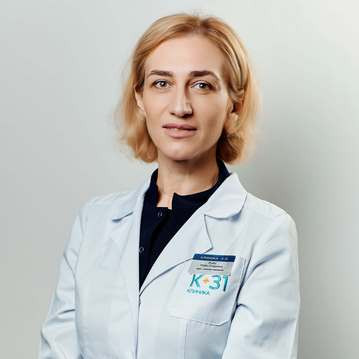
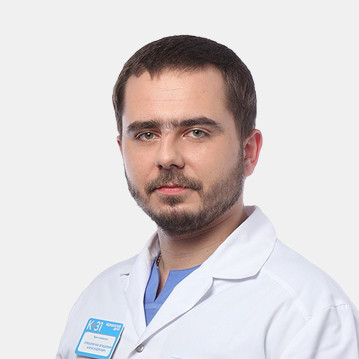
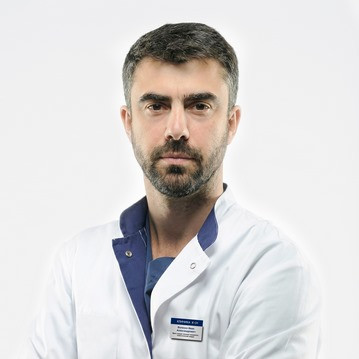
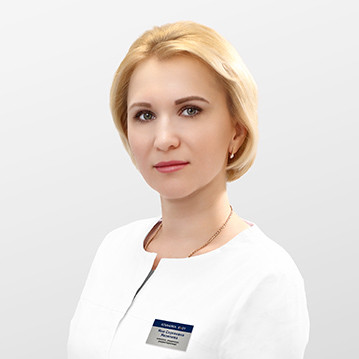
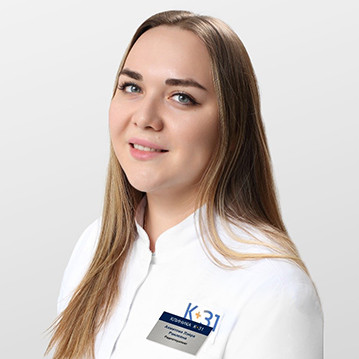
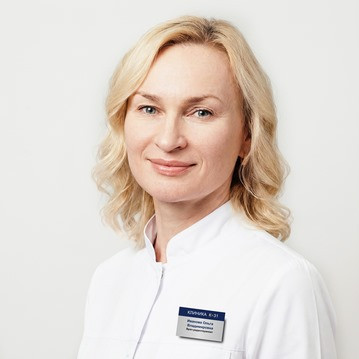
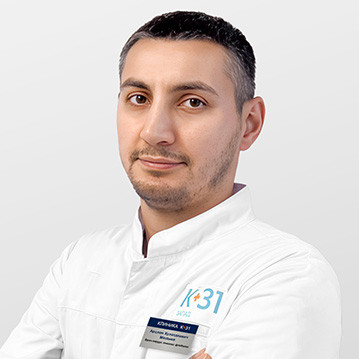
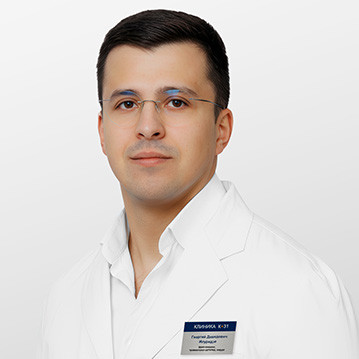
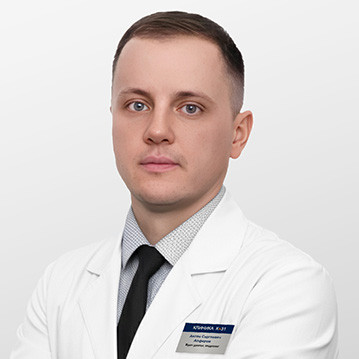
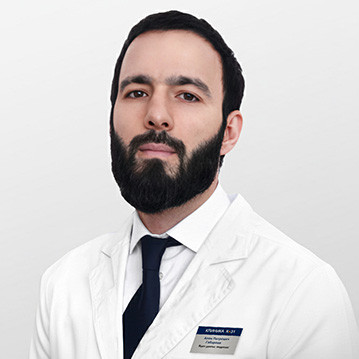
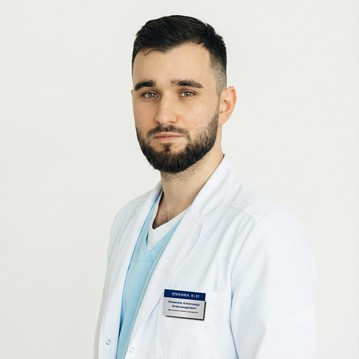
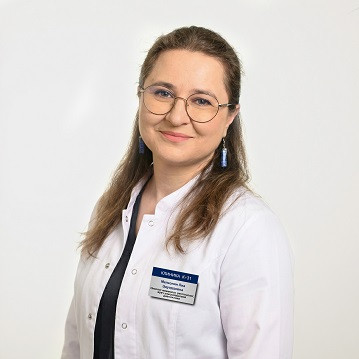
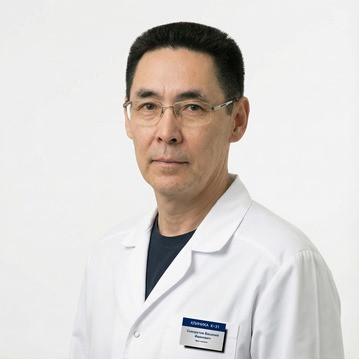
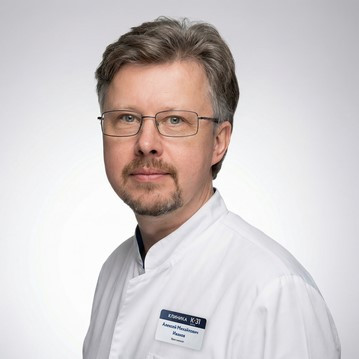
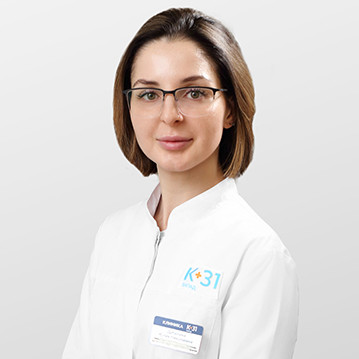
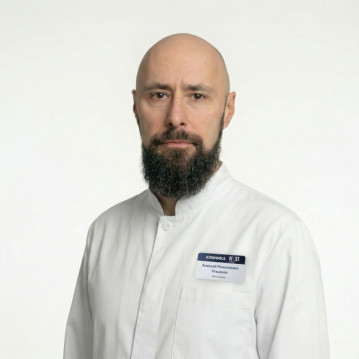
Our doctors

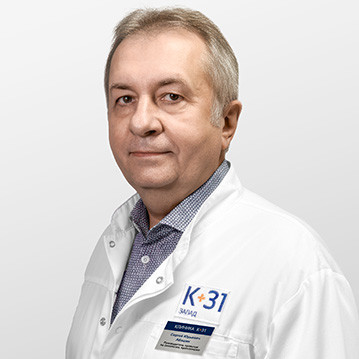
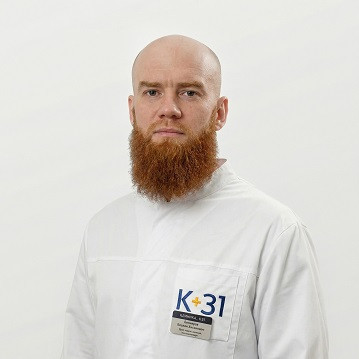
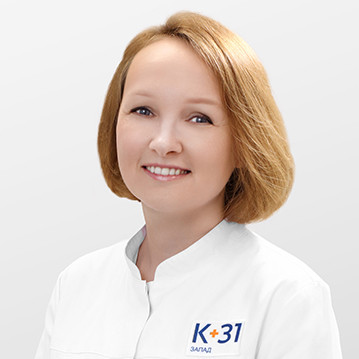
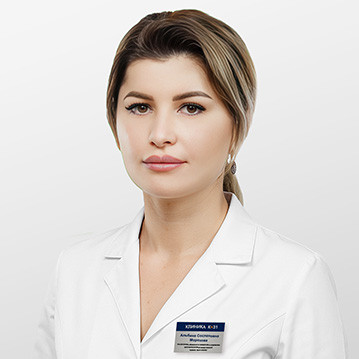
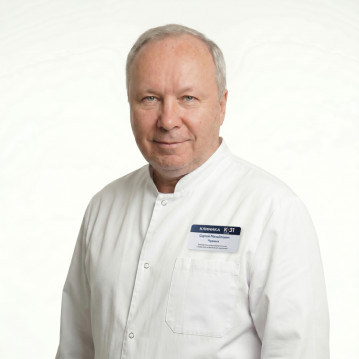
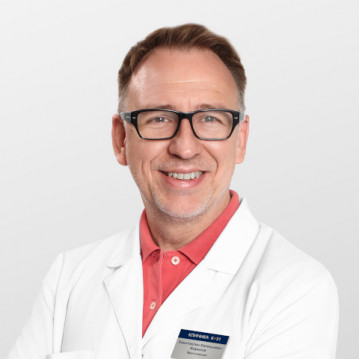
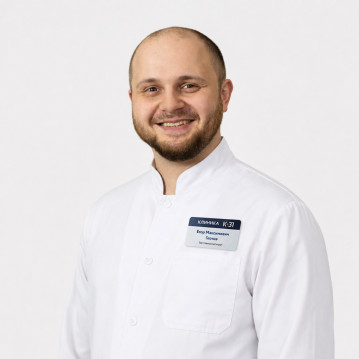

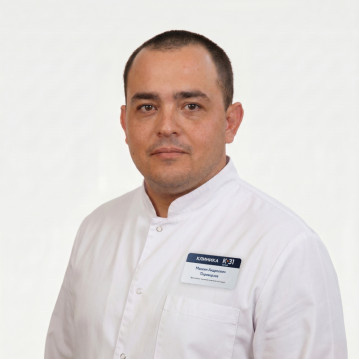


This award is given to clinics with the highest ratings according to user ratings, a large number of requests from this site, and in the absence of critical violations.

This award is given to clinics with the highest ratings according to user ratings. It means that the place is known, loved, and definitely worth visiting.

The ProDoctors portal collected 500 thousand reviews, compiled a rating of doctors based on them and awarded the best. We are proud that our doctors are among those awarded.
Make an appointment at a convenient time on the nearest date
Price
Other services

Appointment to the doctor
Reviews




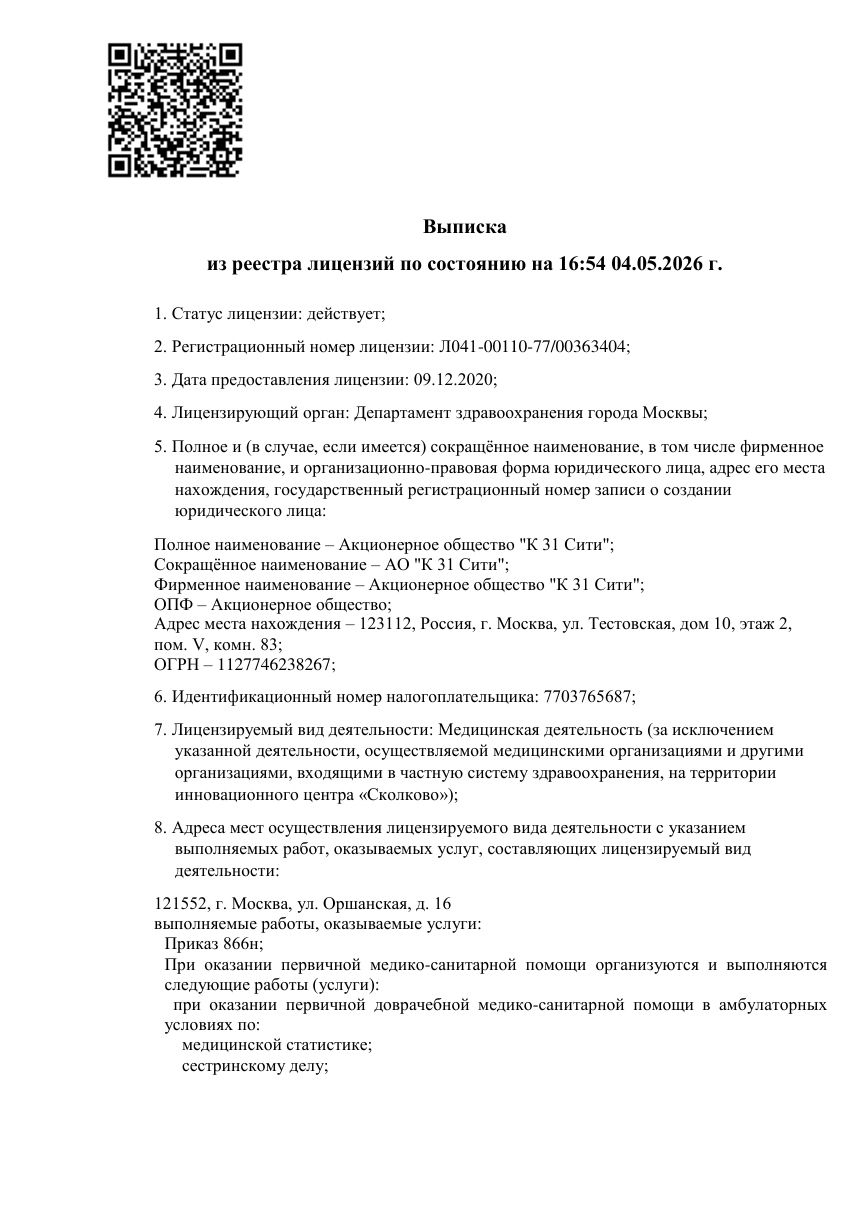

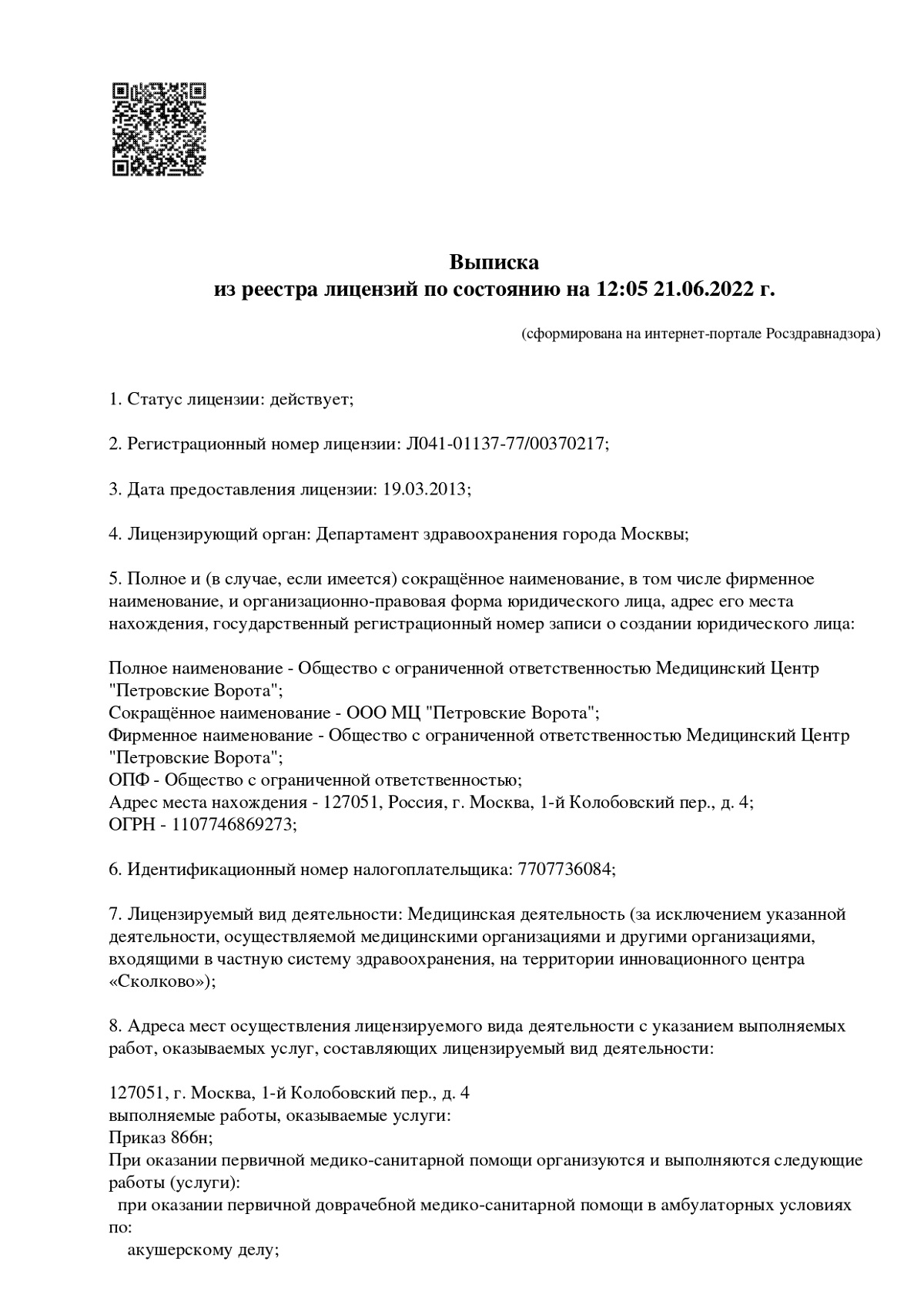
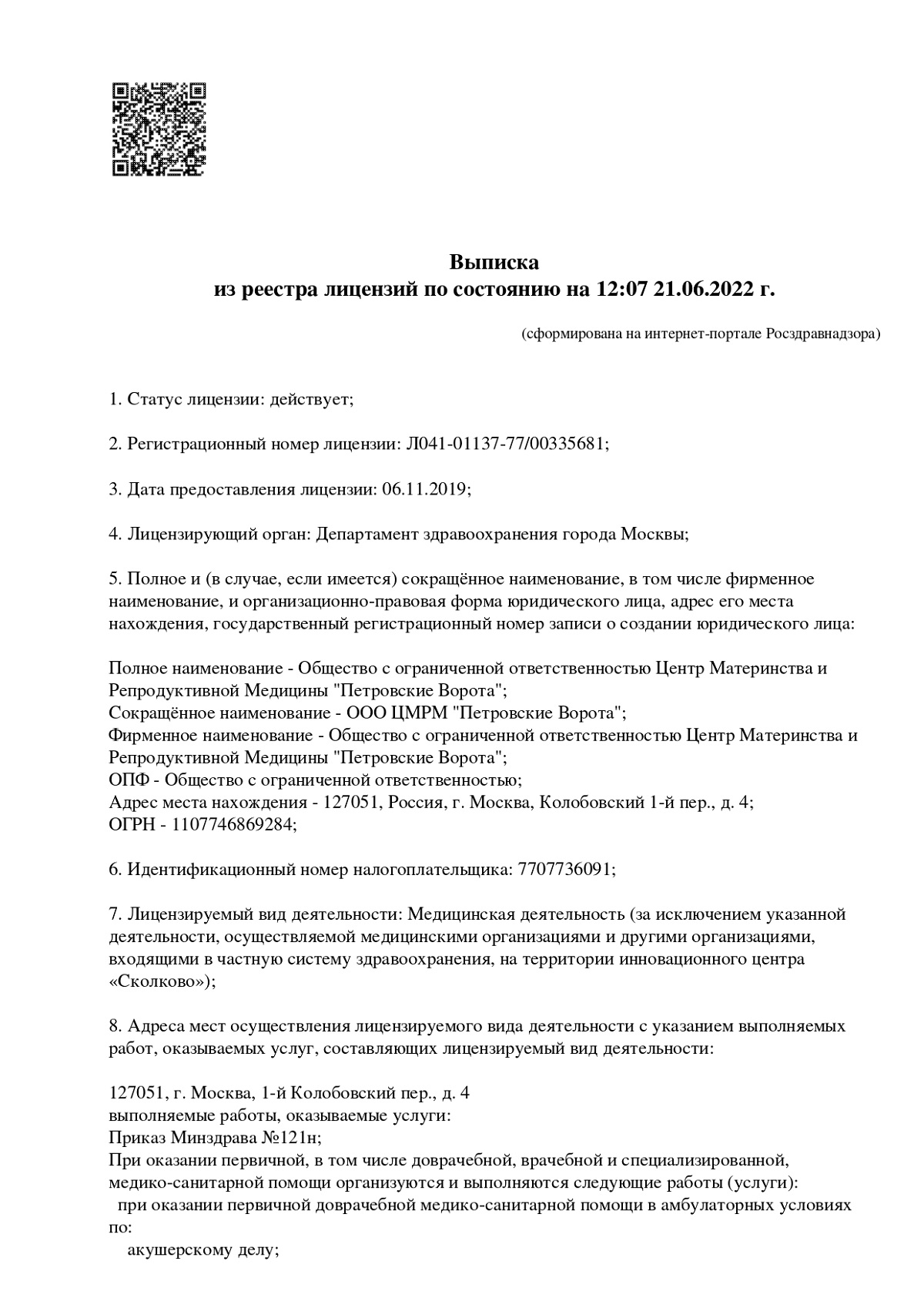



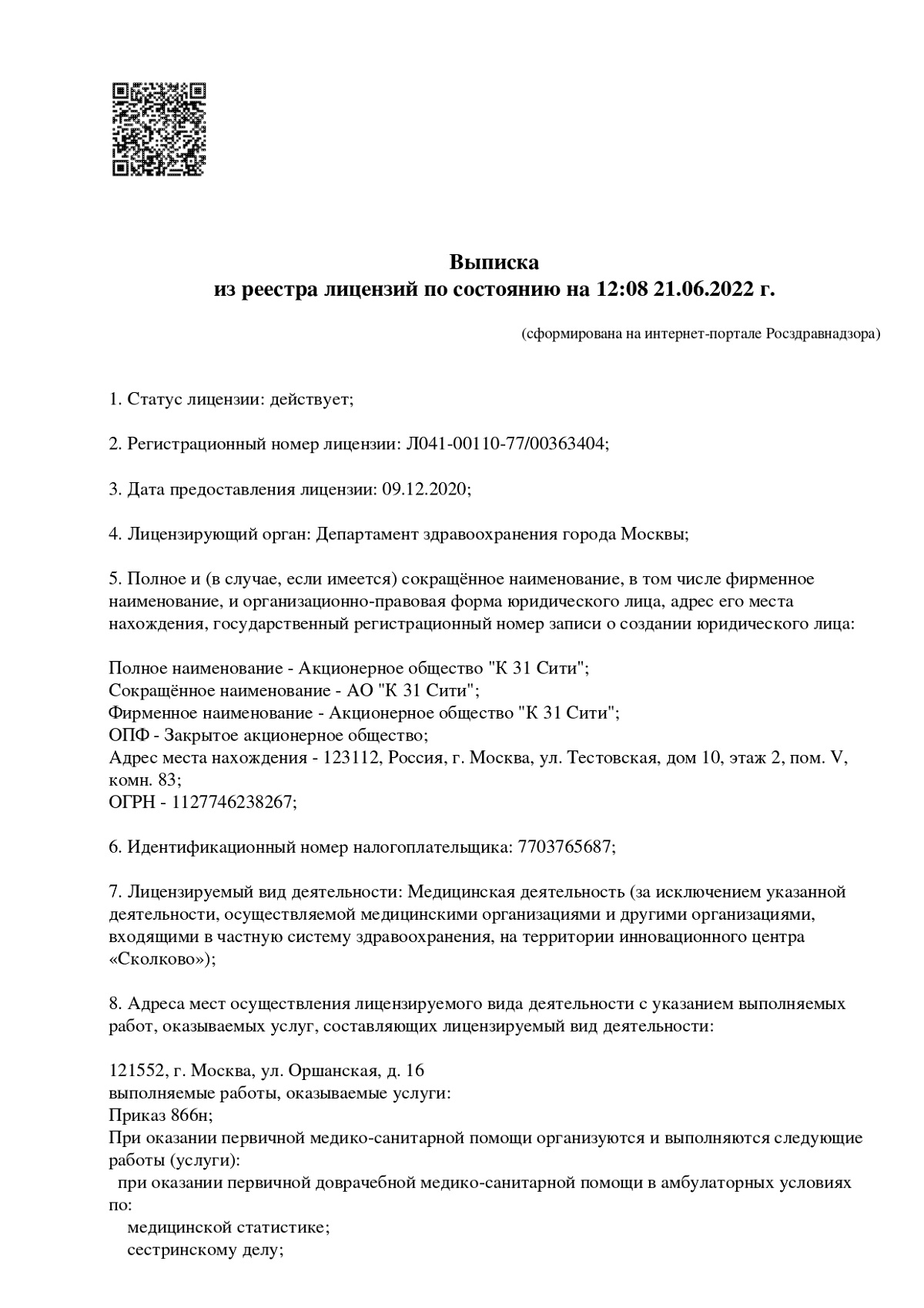




Our clinics


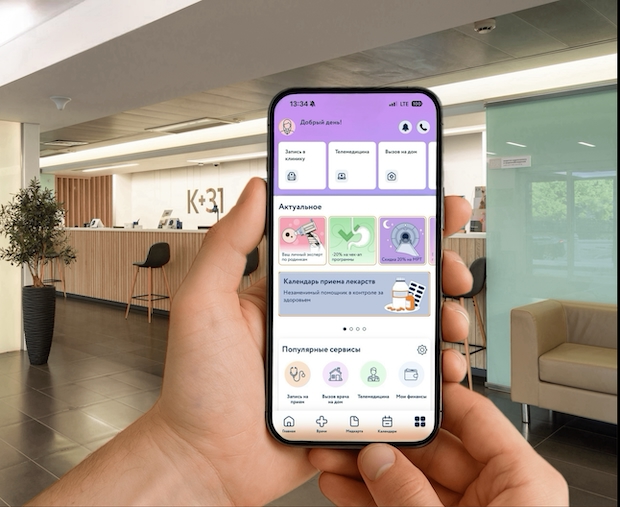
Application “Personal Account K+31”