
Bone Tumors: Diagnosis and Treatment
Aching pain in the leg, swelling, a fracture almost without a blow—these are the complaints people bring to the doctor. An oncologist at K+31 can help you understand what's wrong with your bone tissue: bone tumors come in different forms, and not every tumor is malignant.

specialists

equipment

treatment






What types of bone tumors are there?
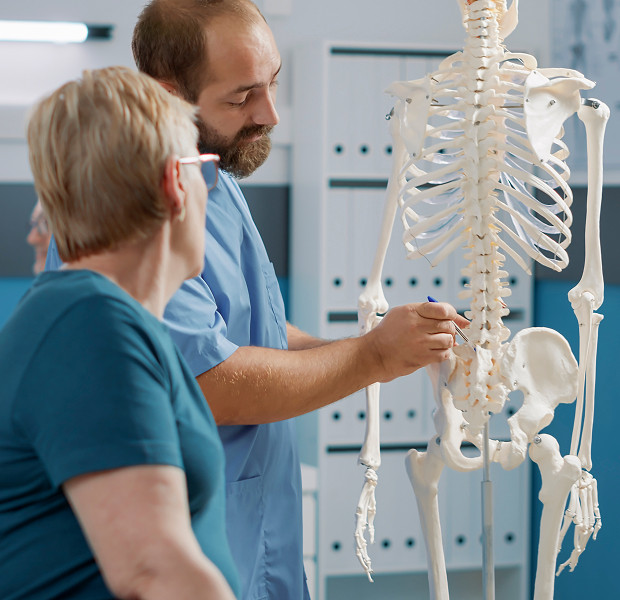
There are many types: any bone tumor is evaluated by a specialist, and bone cancer is less common than benign tumors.
Benign bone tumors
These tumors are rarely life-threatening. These include several types:
- Osteoma - a dense, slow-growing lesion
- Osteochondroma - a growth of cartilaginous tissue
- Enchondroma - a nodule within a tubular bone
- Osteoid osteoma - a small, painful growth
They are often discovered incidentally on X-rays, and such bone tumors rarely return.
Malignant Bone Tumors
Sarcomas are at the forefront: osteosarcoma is more common in adolescents, chondrosarcoma grows from cartilage, and Ewing's sarcoma is aggressive. Primary bone sarcoma is dangerous, and the earlier it is detected, the wider the treatment options.
Metastatic Bone Lesions
These are secondary lesions from another tumor, and bone metastases are often found before the primary tumor.
Symptoms of bone tumors

Bone cancer is often hidden in its early stages, but the symptoms of bone tumors usually don't go away on their own.
Bone Pain
This is often what brings a doctor to the doctor: deep bone pain, worsens at night and at rest, and isn't easily relieved by medication.
Swelling and Deformity
A dense swelling appears over the lesion, and the growing sarcoma enlarges the area in a matter of weeks.
Limited Mobility
When the node is near a joint, movement is difficult, and the person begins to spare the limb.
Pathological Fractures
The affected area loses strength, and a pathological fracture is sometimes the first sign of trouble where healthy bone would otherwise have withstood the load.

The exact cause is not always easy to pinpoint: we are talking about risk factors, not predetermination.
Genetic factors
The risk of sarcomas, including osteosarcoma, is increased by hereditary syndromes such as retinoblastoma, Li-Fraumeni syndrome, and exostoses.
Trauma and exposure to external factors
The role of a contusion is overestimated—it does not in itself develop into a sarcoma, but previous radiation therapy can increase the risk.
Oncological diseases of other organs
Tumors of the breast, lung, kidney, and prostate are more likely than others to metastasize to bone, so the skeletal health of these patients is monitored separately.
General information
When should you see an oncologist?
You should make an appointment with a specialist if you have the following symptoms:
- Constant pain in one area of the skeleton
- Increased pain at night and at rest
- Dense swelling that does not subside
- Limited movement in an arm or leg
- Fractures from minor impacts or without trauma
- Unexplained weakness and weight loss
Similar complaints can also occur with joint diseases, so you need an oncologist who specializes in bone tumors and related doctors.


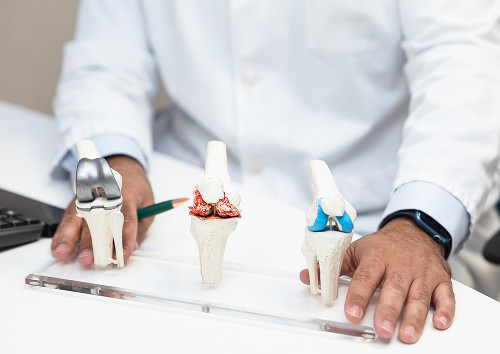

How to schedule a consultation
Scheduling an appointment is easy—it only takes a few steps:
- Submit a request by phone or through the form on the website
- Prepare your medical records and existing imaging
- Attend your oncologist appointment for an examination
- Receive an examination plan and follow-up care
The sooner you begin your consultation with a specialist, the more options you have for care; the doctor will determine an accurate diagnosis and treatment plan after an in-person examination, as bone cancer requires immediate attention.
Doctor's quote:
"Early diagnosis of bone tumors is crucial in our practice. The sooner a patient is examined, the greater the opportunity for organ-preserving treatment and maintaining quality of life. We develop an individualized treatment plan for each case based on diagnostic results and a consultation of specialists."

Frequently Asked Questions
Frequently asked questions from patients:
Is a bone tumor always cancer?
What symptoms may indicate a skeletal tumor?
What tests are needed if a bone tumor is suspected?
Can a limb be saved during bone tumor treatment?
References
- https://cr.minzdrav.gov.ru
- https://oncology-association.ru
- https://www.russcpa.ru
- https://cyberleninka.ru
- https://www.elibrary.ru
- https://www.mediasphera.ru
- https://www.rosoncoweb.ru
- https://www.femb.ru
- https://pubmed.ncbi.nlm.nih.gov
- https://www.rmj.ru
- https://umedp.ru
- https://www.lvrach.ru
- https://www.rosmedlib.ru
- https://oncovestnik.ru
- https://www.oncology.ru
Our doctors













































This award is given to clinics with the highest ratings according to user ratings, a large number of requests from this site, and in the absence of critical violations.

This award is given to clinics with the highest ratings according to user ratings. It means that the place is known, loved, and definitely worth visiting.

The ProDoctors portal collected 500 thousand reviews, compiled a rating of doctors based on them and awarded the best. We are proud that our doctors are among those awarded.
Make an appointment at a convenient time on the nearest date
Price
Other services

Appointment to the doctor
Reviews




















Our clinics


Application “Personal Account K+31”












What are bone tumors?
This is a proliferation of cells in the skeleton. This bone neoplasm originates from bone, cartilage, blood vessels, or bone marrow.
The lesions are divided into primary and secondary: the former grow in the skeleton, while the latter are metastases from other organs. Bone cancer can be either.
There is also a second division: benign tumors grow slowly, while malignant bone tumors behave more aggressively.
One symptom doesn't solve anything: the doctor makes a conclusion after imaging and a biopsy.