Cancer of the Paranasal Sinuses and Nasal Cavity
The nasal cavity and paranasal sinuses are hidden deep within the body, so tumors there can go undetected for a long time. Cancer of the paranasal sinuses and nasal cavity is often mistaken for a lingering runny nose or sinusitis. Persistent, one-sided symptoms should raise concern, and an oncologist can help resolve them. The earlier the examination, the greater the chances of treatment.

specialists

equipment

treatment





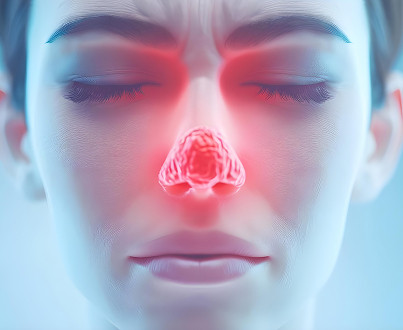
Why does the disease develop?

There is no single cause for the disease. Only factors that irritate the mucous membrane over the years and increase the risk of cell degeneration are known.
Risk Factors
Smoking and regular exposure to tobacco smoke are the most common. Human papillomavirus and age over fifty also play a role.
Occupational Hazards
Wood and leather dust, as well as nickel and chromium fumes, significantly increase the risk with prolonged exposure at work.
Chronic Diseases and Associated Conditions
Long-standing processes are also significant:
- Chronic sinusitis
- Polyps
- Long-term inflammation of the mucous membrane
Types of malignant tumors of the nasal cavity and paranasal sinuses
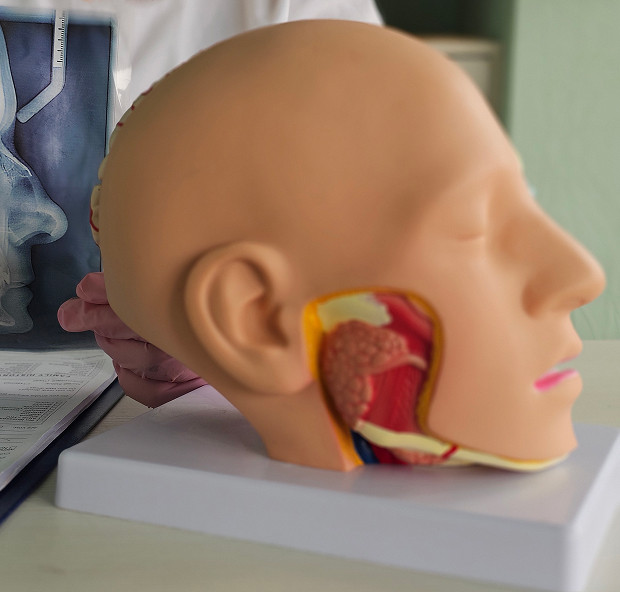
Neoplasms in this area are heterogeneous. The histological type determines growth rate, propensity for metastasis, and treatment strategy. Below are the main variants.
Squamous cell carcinoma
The most common variant. It grows from the surface epithelium and is the most common appearance of malignant tumors of the nasal cavity.
Adenocarcinoma
This form develops from glandular cells. It is often associated with occupational exposure to wood dust, and it grows like a tumor of the paranasal sinuses of the ethmoid labyrinth.
Undifferentiated tumors
Aggressive, poorly differentiated forms constitute a separate group. This type of nasal tumor grows rapidly and requires early systemic treatment.
Rare Types of Neoplasms
Mucosa melanoma, esthesioneuroblastoma, and sarcomas are common. This type of nasal tumor requires a special approach and an experienced team.
Symptoms of cancer of the paranasal sinuses and nasal cavity
At first, the disease disguises itself as a common runny nose. Symptoms of nasal and sinus cancer become noticeable when the lesion grows and interferes with breathing.
Early Signs
Persistent congestion on one side and scant bloody discharge are alarming. Early symptoms of nasal cancer are easily dismissed as a cold, and that's where they can be insidious.
Symptoms of a widespread process
Later, facial pain, cheek swelling, double vision, decreased sense of smell, and loose teeth may develop. These symptoms of nasal and sinus cancer indicate tumor growth.
When should you see an oncologist?
Unilateral complaints that persist for more than two to three weeks require attention. Late symptoms of nasal cancer are especially worrisome. You should make an appointment with a specialist if the following symptoms appear:
- Persistent nasal congestion on one side of the nose
- Bloody discharge and frequent bleeding
- Pain in the face or sinuses
- Decreased sense of smell
- Swelling of facial soft tissues
- Double vision or decreased vision
- Swollen lymph nodes in the neck
Similar complaints can occur with common sinusitis, so self-diagnosis is not recommended.
General information
Diagnosis of the disease
The examination confirms the diagnosis and shows how far the disease has progressed. Diagnosis of nasal cavity and sinus cancer follows a clear path:
- Oncologist consultation and examination
- Endoscopic examination of the nasal passages
- Computer tomography of bone structures
- Magnetic resonance imaging of soft tissues
- Tumor biopsy with histological examination
The capabilities of the methods are conveniently compared in the table.
| Method | For what | What it shows | When it is prescribed | Limitations |
|---|---|---|---|---|
| Endoscopy nose | Cavity examination | Mucosa and visible lesion | If suspected | Can't see depth |
| CT scan | Bone assessment | Bone size and destruction | Staging | Radiation load |
| MRI | Tissue assessment | Communication with the brain and orbit | A widespread process | Longer Time |
| Biopsy | Verification | Tumor Type and Grade | Before Treatment | Risk of Bleeding |
No method replaces another. The final diagnosis of the tumor process is based on a combination of data, and morphological verification is the final diagnosis.
"In our practice, we pay special attention to the early diagnosis of tumors of the nasal cavity and paranasal sinuses. A comprehensive examination and discussion of each case at an oncology board allow us to select the most effective treatment strategy, taking into account the characteristics of the individual patient."
Specialist Consultation
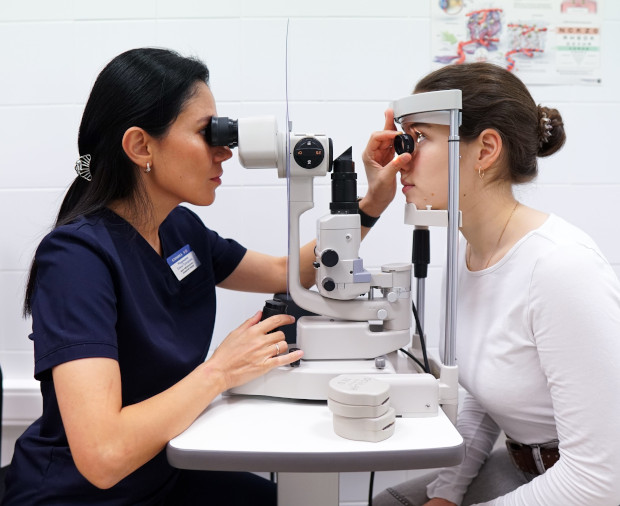
The appointment begins with a discussion. The doctor clarifies the patient's complaints, their duration, and examines the face and neck. This is where the diagnosis of cancer of the nasal cavity and paranasal sinuses begins.
Endoscopic examination
A thin instrument allows one to look into the nasal passages. Nasal endoscopy shows the mucous membrane up close and helps locate the source of bleeding.
Computed tomography
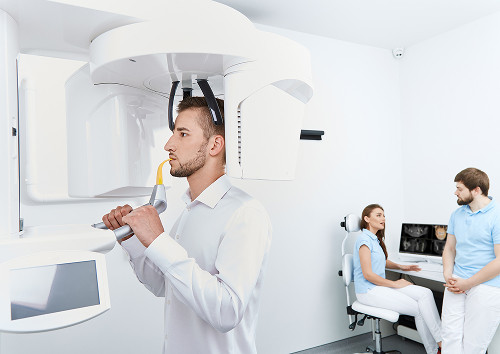
CT scans are good at visualizing bone. They show the size of the lesion and the destruction of the paranasal sinus walls, which is important for surgery.
Magnetic resonance imaging
MRI complements the soft tissue picture. This method evaluates the tumor's relationship to the orbit, blood vessels, and meninges.
Biopsy and histological examination
The diagnosis is confirmed by tissue analysis. A tumor biopsy with histology determines the cell type and grade of malignancy. Treatment is not started without it.

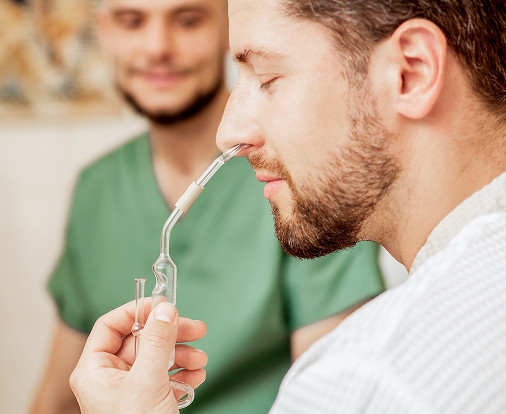
After treatment for nasal cancer, recovery begins. This restores nasal breathing, sense of smell, and quality of life.
Restoration of respiratory function
Special care and irrigation help the mucous membrane return to normal.
Post-therapy monitoring
The patient is under close monitoring during the first few years. Regular checkups help detect relapses early and maintain remission.
Prevention of complications
Some of the consequences can be mitigated. Smoking cessation, nasal care, and timely treatment are helpful.
Prognosis and Factors Affecting Treatment Outcomes
The outcome depends primarily on the stage and type of tumor. Early treatment significantly improves the prognosis, while the outcome of treatment for paranasal sinus and nasal cavity cancer is largely determined by the patient's age, condition, and adherence to treatment instructions.

Benefits of contacting our specialists
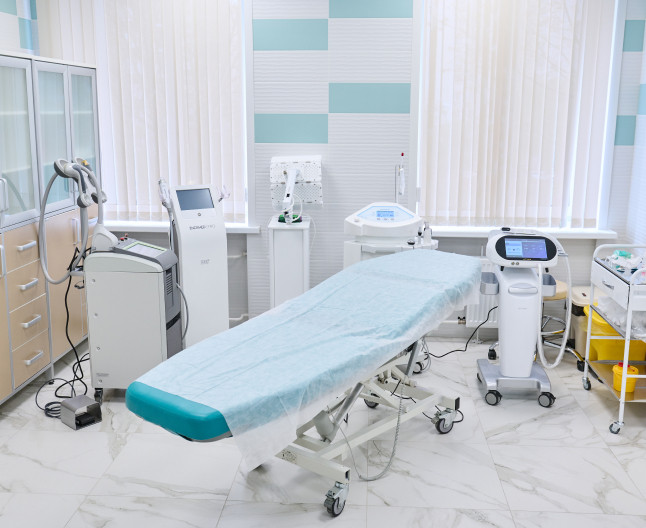
Tumors in this area require a well-coordinated team, and our center provides care in this manner. What the patient receives:
- A multidisciplinary approach to each case
- Modern diagnostic methods
- A personalized treatment plan
- Organ-preserving techniques when indicated
- Comprehensive patient care
- Treatment effectiveness monitoring and follow-up
This format saves time and improves the accuracy of decisions at every stage, which is especially important in oncology care.

Answers to frequently asked questions
We've collected what patients ask most frequently.
What symptoms may indicate cancer of the paranasal sinuses and nasal cavity?
How is the diagnosis confirmed?
Can paranasal sinus cancer be cured?
What treatments are most commonly used?
References
- Clinical recommendations of the Ministry of Health of the Russian Federation. Malignant neoplasms of the nasal cavity and paranasal sinuses: https://cr.minzdrav.gov.ru
- Rubricator of clinical recommendations of the Ministry of Health of the Russian Federation: https://cr.minzdrav.gov.ru
- Portal of the All-Russian National Union “Association of Oncologists of Russia”: https://oncology-association.ru
- Russian Society of Clinical Oncology (RUSSCO): https://www.russco.org
- Scientific electronic library eLIBRARY: https://elibrary.ru
- CyberLeninka (scientific publications on oncology): https://cyberleninka.ru
- Federal Electronic Medical Library: https://femb.ru
- Russian Journal of Oncology (archive of publications): https://www.mediasphera.ru
- PubMed (Russian-language publications and translations of materials): https://pubmed.ncbi.nlm.nih.gov
- Radar Encyclopedia - medical materials and reference data: https://www.rlsnet.ru
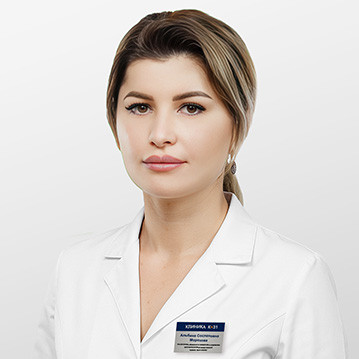
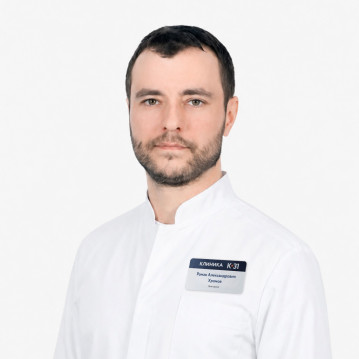
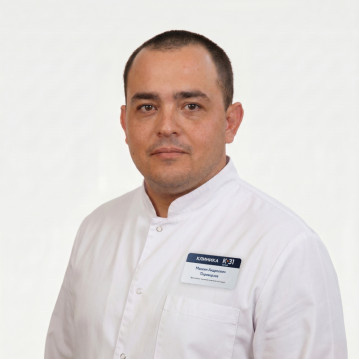
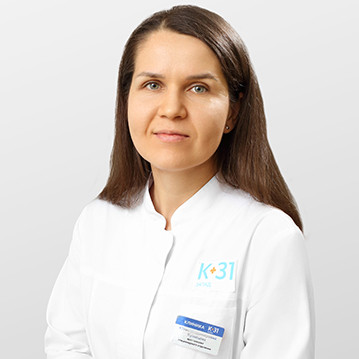
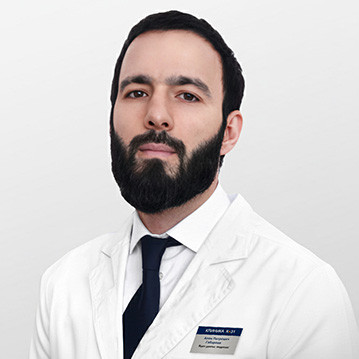
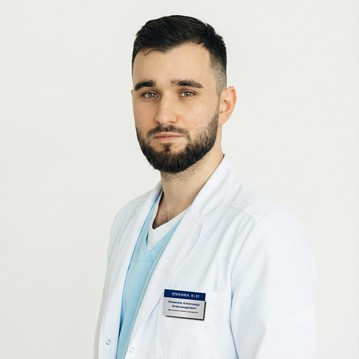
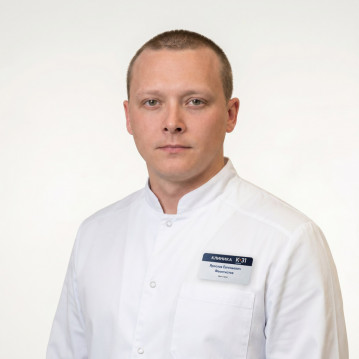
Our doctors





















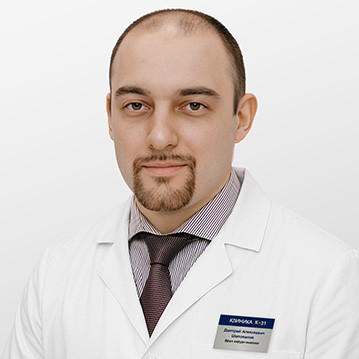


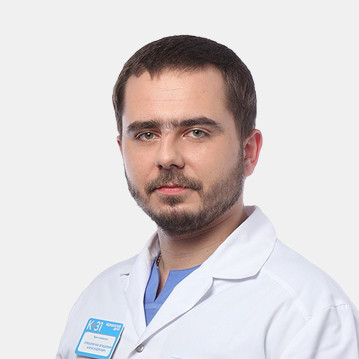





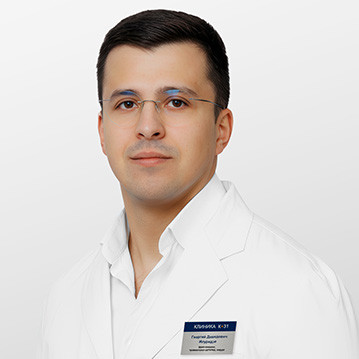
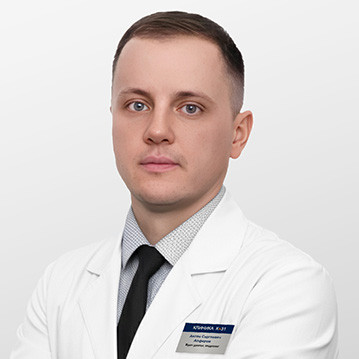








This award is given to clinics with the highest ratings according to user ratings, a large number of requests from this site, and in the absence of critical violations.

This award is given to clinics with the highest ratings according to user ratings. It means that the place is known, loved, and definitely worth visiting.

The ProDoctors portal collected 500 thousand reviews, compiled a rating of doctors based on them and awarded the best. We are proud that our doctors are among those awarded.
Make an appointment at a convenient time on the nearest date
Price
Other services

Appointment to the doctor
Reviews








Our clinics


Application “Personal Account K+31”