Salivary Gland Cancer
Salivary glands rarely come to the attention of the public until a hard lump appears near the ear or under the jaw. Salivary gland cancer is uncommon, but it requires an experienced medical team and accurate diagnosis. The tumor grows painlessly for a long time, and this is its danger.
Below, we'll discuss the causes, symptoms, and modern treatment approaches at K+31.

specialists

equipment

treatment







Causes and risk factors for the development of the disease

The exact cause of the disease cannot be determined. Only factors that increase the likelihood of tumor development are known, and knowing them is useful for alertness.
Hereditary factors
Heredity plays a role. The risk is higher in people whose close relatives have had cancer, especially head and neck tumors.
Influence of external factors
Prior exposure to radiation to the head is significant, including radiation therapy for another reason. Smoking and certain occupational hazards also contribute.
Precancerous conditions
Some tumors develop from previously benign growths. A long-standing adenoma sometimes degenerates, so it is monitored.
Symptoms of salivary gland cancer

In the early stages, there are almost no complaints. Symptoms of salivary gland cancer become noticeable when the nodule grows and affects adjacent structures.
Early Signs
At first, it's simply a painless lump near the ear or under the lower jaw. People often attribute these early signs of salivary gland cancer to inflammation and put off visiting.
Late Symptoms
Later, pain, numbness, or weakness of the facial muscles, along with altered facial expressions, develop. The nodule becomes dense and immobile, and enlarged lymph nodes can be felt nearby. Late symptoms of salivary gland cancer require an urgent visit to the doctor.

When to See a Doctor
The warning signs of salivary gland cancer do not resolve on their own. Any persistent lump in this area is a reason to see a specialist. You should make an appointment with an oncologist if you experience any of the following symptoms:
- A lump in the salivary gland
- An increase in the size of the lump
- Pain in the face or neck
- Numbness of the facial skin
- Weakness of facial muscles
- Difficulty swallowing or chewing
- Enlarged lymph nodes
Similar symptoms can also occur with common inflammations, so you shouldn't self-diagnose. Only a doctor can determine the situation after an examination.

Tumors in this area are heterogeneous, and treatment strategies depend on the cell type and extent. Salivary gland cancer stages are assessed based on the size of the lesion, the condition of the lymph nodes, and the presence of metastases.
Main Histological Types
Malignant salivary gland tumors come in several types, with the parotid gland being the most commonly affected. Mucoepidermoid, adenoid cystic, and acinar cell forms are common. They differ in growth rate and tendency to metastasize, which directly impacts the treatment plan.
Staging Classification
From stage I, when the lesion is small and confined to the gland, to stage IV, with invasion and distant metastases. The earlier the disease is detected, the greater the treatment options.
General information
Diagnosis of Salivary Gland Cancer
Examination confirms the diagnosis and determines the extent of the disease. Diagnosis of salivary gland cancer combines examination, imaging, and tissue testing, and typically follows a step-by-step process:
- Oncologist consultation and examination
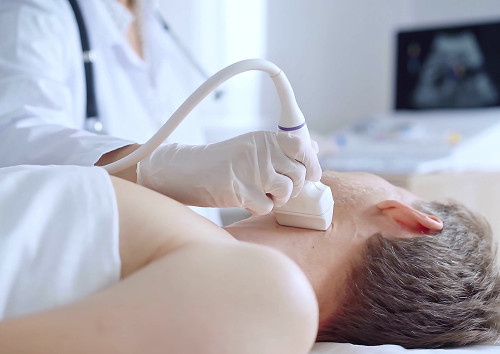
- Ultrasound of the area
- CT or MRI to assess the extent of the disease
- Node biopsy
- Morphological verification of the diagnosis
The doctor tailors the order of steps to the specific case. Visualization methods can be conveniently compared in the table.
| Examination method | What it allows to evaluate | When it is used |
|---|---|---|
| Ultrasound | Size and structure of the formation | Primary diagnosis |
| CT | Extent of the process | Treatment planning |
| MRI | Soft tissues and nerve structures | Clarifying Diagnosis |
| Biopsy | Tumor type and its malignancy | Diagnosis confirmation |
No method replaces another. The doctor makes the final decision based on a combination of data.
"In our practice, we often encounter situations where patients ignore a small lump in the salivary gland for a long time. Early diagnosis allows us to quickly determine the nature of the lesion and choose the most effective treatment strategy. To achieve this, we use a comprehensive approach and conduct all necessary examinations in accordance with current clinical guidelines."
Oncologist Consultation
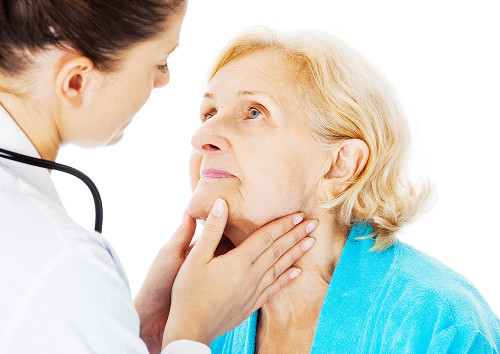
The appointment begins with a discussion and examination. The doctor evaluates the nodule, its density and mobility, clarifies the patient's complaints, and outlines an examination plan.
Instrumental Examination Methods
Next, equipment is used. Ultrasound, CT, and MRI scans show the size of the lesion, its connection to nerves, and the condition of the lymph nodes.
Biopsy and Morphological Verification
The tissue determines the diagnosis. A salivary gland biopsy with morphological examination determines the tumor type and degree of malignancy. Treatment is not started without this step.

Answers to frequently asked questions
We've collected what patients ask most frequently.
What symptoms may indicate salivary gland cancer?
How is salivary gland cancer diagnosed?
Can salivary gland cancer be cured?
What treatments are used for salivary gland cancer?

References
- Clinical recommendations of the Ministry of Health of the Russian Federation. Malignant neoplasms of the major salivary glands
- Rubricator of clinical recommendations of the Ministry of Health of the Russian Federation
- Portal of the All-Russian National Union "Association of Oncologists of Russia"
- Russian Society of Clinical Oncology (RUSSCO)
- FSBI "National Medical Research Center of Oncology named after. N.N. Blokhin" of the Ministry of Health of Russia
- FSBI "National Medical Research Center of Radiology" of the Ministry of Health of Russia
- CyberLeninka (scientific publications on salivary gland oncology)
- Scientific electronic library eLIBRARY
- MSD Manual, Russian version
- Cancer Prevention Foundation (educational materials)
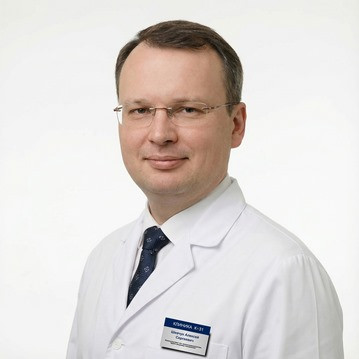
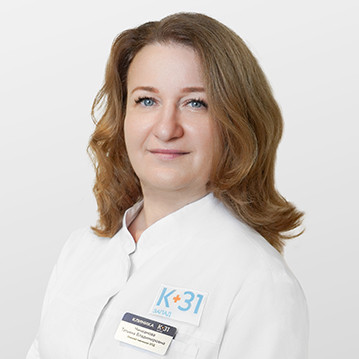
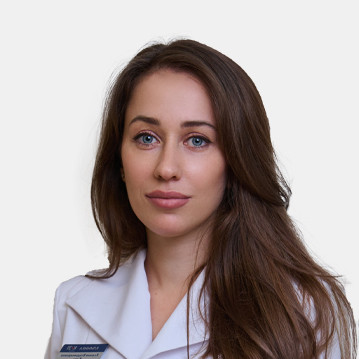
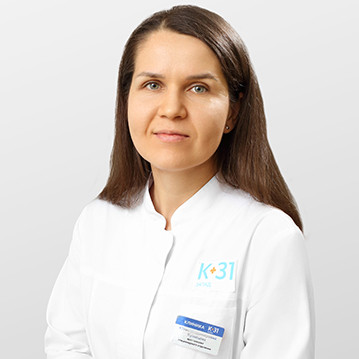
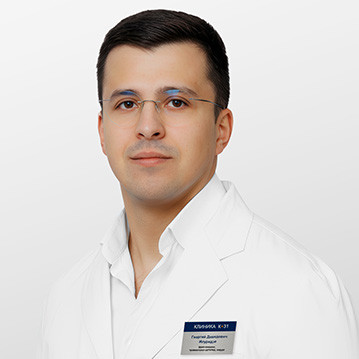
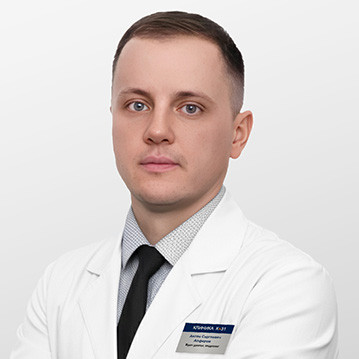
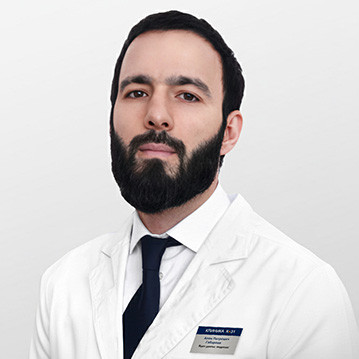
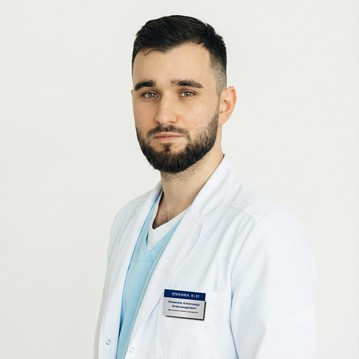
Our doctors


























This award is given to clinics with the highest ratings according to user ratings, a large number of requests from this site, and in the absence of critical violations.

This award is given to clinics with the highest ratings according to user ratings. It means that the place is known, loved, and definitely worth visiting.

The ProDoctors portal collected 500 thousand reviews, compiled a rating of doctors based on them and awarded the best. We are proud that our doctors are among those awarded.
Make an appointment at a convenient time on the nearest date
Price
Other services

Appointment to the doctor
Reviews










Our clinics


Application “Personal Account K+31”