
Vulvar Cancer: Symptoms, Diagnosis, and Treatment
Tumors of the external genitalia are rare, most often occurring after age 60. Vulvar cancer develops slowly and for a long time presents only with itching, often mistaken for irritation. With early treatment, the disease is highly treatable. The patient is managed by an oncologist in conjunction with a gynecologic oncologist.

specialists

equipment

treatment






Causes and risk factors for development
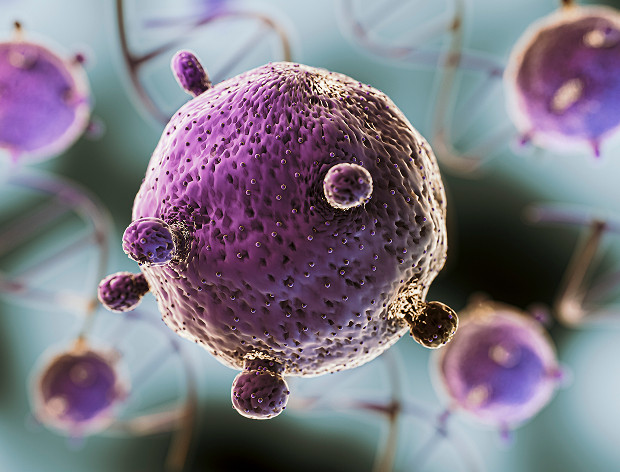
The exact cause is unknown; the causes are usually infection-related and age-related.
Age-Related Changes
The disease most often occurs after menopause, when the skin thins.
Human Papillomavirus (HPV)
In some patients, the disease is associated with infection. HPV increases the risk, and a link between HPV and vulvar cancer has been proven in young women.
Precancerous Diseases
Cancer is preceded by precancerous changes. These include dysplasia and lichen sclerosus, which can be treated promptly.
Chronic Inflammatory Processes
Chronic itching and scratching damage the skin and increase the risk.
Symptoms

The early stages are subtle. Symptoms of vulvar cancer appear gradually and do not cause symptoms for a long time.
Early Signs
The first sign is usually persistent itching; the first symptoms of vulvar cancer include burning, discomfort, and a small lump or spot.
Late Symptoms
Later symptoms include a non-healing ulcer, bleeding, pain, and metastases to the inguinal lymph nodes—these signs of vulvar cancer should not be ignored.
When to see a doctor
Any persistent change in the skin of the vulva is a reason to get examined. You should make an appointment with an oncologist if you experience:
- Long-term itching and burning
- Lumps
- Skin color changes
- Ulcers that don't heal
- Bleeding
- Pain and discomfort
Don't delay your appointment if the change lasts longer than two to three weeks.

The stage is determined by tumor size and lymph node involvement; vulvar cancer stages influence the extent of treatment and prognosis.
Disease Classification
Precancerous changes and invasive cancer are distinguished based on the depth of invasion and lymph node involvement.
Characteristics of the course at different stages
Initially, the tumor is limited to the skin, then the tumor process spreads to adjacent tissues and lymph nodes.
General information
Diagnosis
The examination is based on physical examination, vulvoscopy, and biopsy; the diagnosis of vulvar cancer is carried out in stages:
- Initial examination by an oncologist
- Vulvoscopy
- Vulvar biopsy of the affected area
- MRI or CT scan to assess the extent
The diagnosis is confirmed by tissue sampling; The methods are conveniently compared in the table.
Initial examination by an oncologist
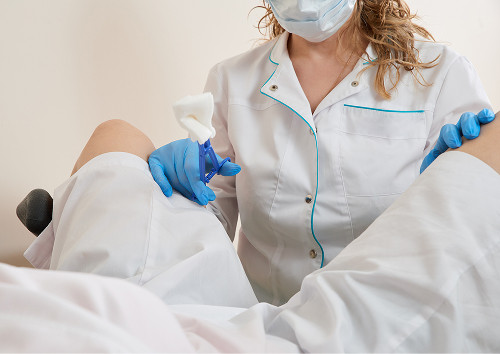
The doctor evaluates skin changes, inguinal lymph nodes, and general condition.
Instrumental diagnostics
Vulvoscopy examines tissue under magnification, and MRI shows the depth of invasion.
Biopsy and morphological examination
A vulvar biopsy with morphological examination determines the tumor type. Histology clarifies the form.
Determining the stage of the disease
The choice between organ-preserving surgery and more extensive intervention depends on the stage.
| Method | Purpose of the study | When used | What it allows to detect |
|---|---|---|---|
| Vulvoscopy | Detailed examination of tissues | If changes are suspected | Lesions |
| Biopsy | Morphological verification | If changes are suspected Tumor | Tumor type, grade of differentiation |
| Pelvic MRI | Prevalence assessment | Before treatment planning | Depth of invasion and lymph nodes |
Our specialists emphasize the value of early treatment.
"In our practice, we regularly encounter situations where patients seek medical attention after symptoms have persisted for a long time. Early diagnosis significantly expands treatment options. Our approach is based on a comprehensive assessment of the patient's condition, a consultation, and the selection of an individualized approach."





Prevention
The disease cannot be completely eliminated. However, it is possible to reduce the risk. Screening and monitoring by a gynecologist are especially important after menopause.
Risk Factor Control
HPV vaccination, smoking cessation, and treatment of precancerous changes help reduce the risk.
Benefits of Visiting a Specialized Cancer Center
This tumor requires experience and a well-coordinated team, and our center provides that approach. What the patient receives:
- An interdisciplinary approach to treatment
- Modern diagnostic methods
- An individualized plan and specialist consultation
- Organ-preserving techniques when indicated
- Comprehensive support and rehabilitation
- Monitoring according to clinical guidelines
This format increases the chances of preserving tissue and quality of life.
Answers to frequently asked questions
Below are frequently asked questions from patients.
What symptoms may indicate vulvar cancer?
Can vulvar cancer be detected early?
What methods are used to treat vulvar cancer?
Is follow-up necessary after treatment?
Yes. Regular follow-up helps monitor the condition and detect changes early.
Vulvar cancer is curable, especially when caught early. If you are concerned about persistent itching, a lump, or other signs of vulvar cancer, schedule a consultation with an oncologist at K+31.
References
- Clinical Guidelines of the Ministry of Health of the Russian Federation "Vulvar Cancer" — https://cr.minzdrav.gov.ru
- Category of Clinical Guidelines of the Ministry of Health of the Russian Federation — https://cr.minzdrav.gov.ru
- Portal "Oncology of Russia" — https://oncology-association.ru
- Russian Society of Clinical Oncology (RUSSCO) — https://rosoncoweb.ru
- RLS Encyclopedia — https://www.rlsnet.ru
- CyberLeninka (scientific publications on gynecological oncology) — https://cyberleninka.ru
- eLIBRARY — https://elibrary.ru
- MSD Manual, Russian version — https://www.msdmanuals.com/ru
- Federal Electronic Medical Library — https://femb.ru
- National Medical Library (Russian-language materials and translations) — https://www.medline.ru
Our doctors











































This award is given to clinics with the highest ratings according to user ratings, a large number of requests from this site, and in the absence of critical violations.

This award is given to clinics with the highest ratings according to user ratings. It means that the place is known, loved, and definitely worth visiting.

The ProDoctors portal collected 500 thousand reviews, compiled a rating of doctors based on them and awarded the best. We are proud that our doctors are among those awarded.
Make an appointment at a convenient time on the nearest date
Price
Other services

Appointment to the doctor
Reviews



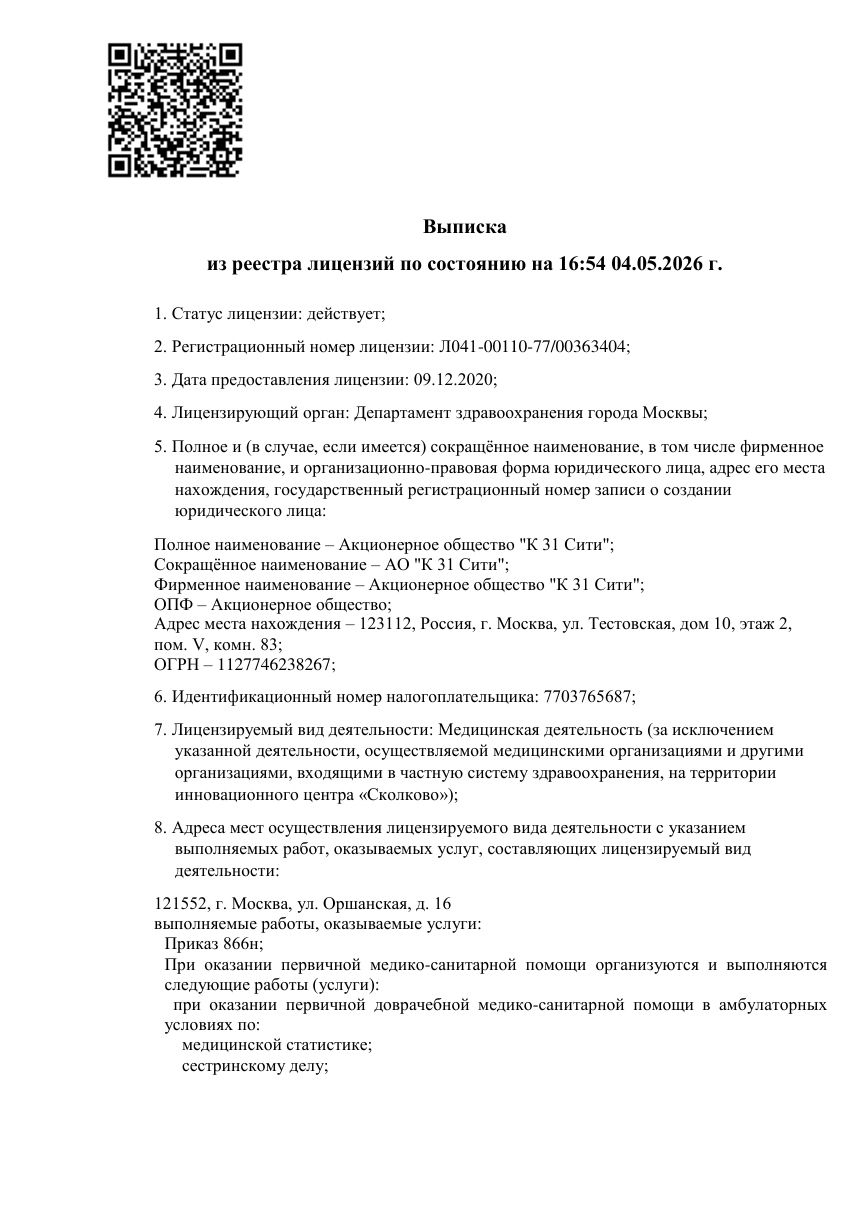
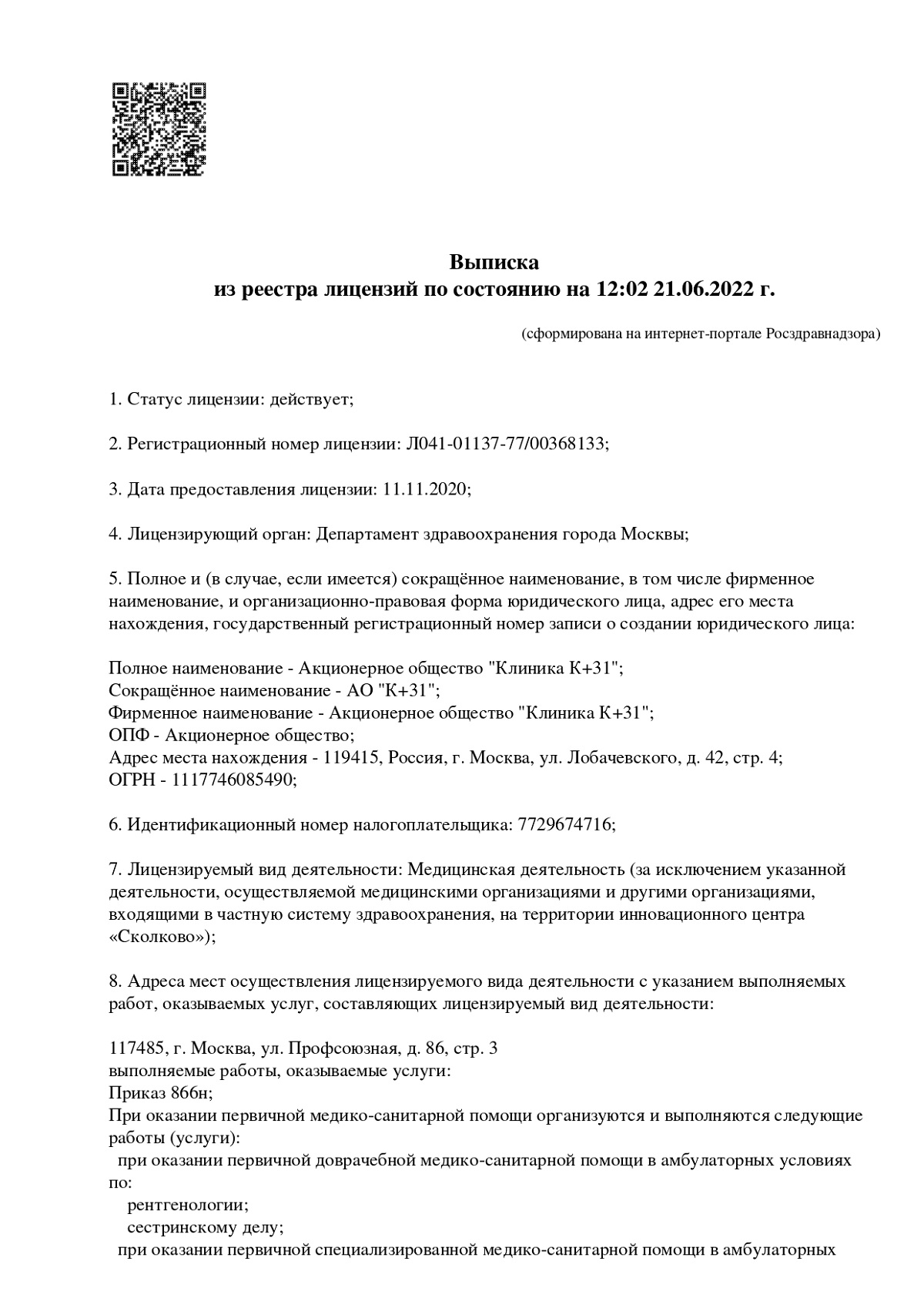
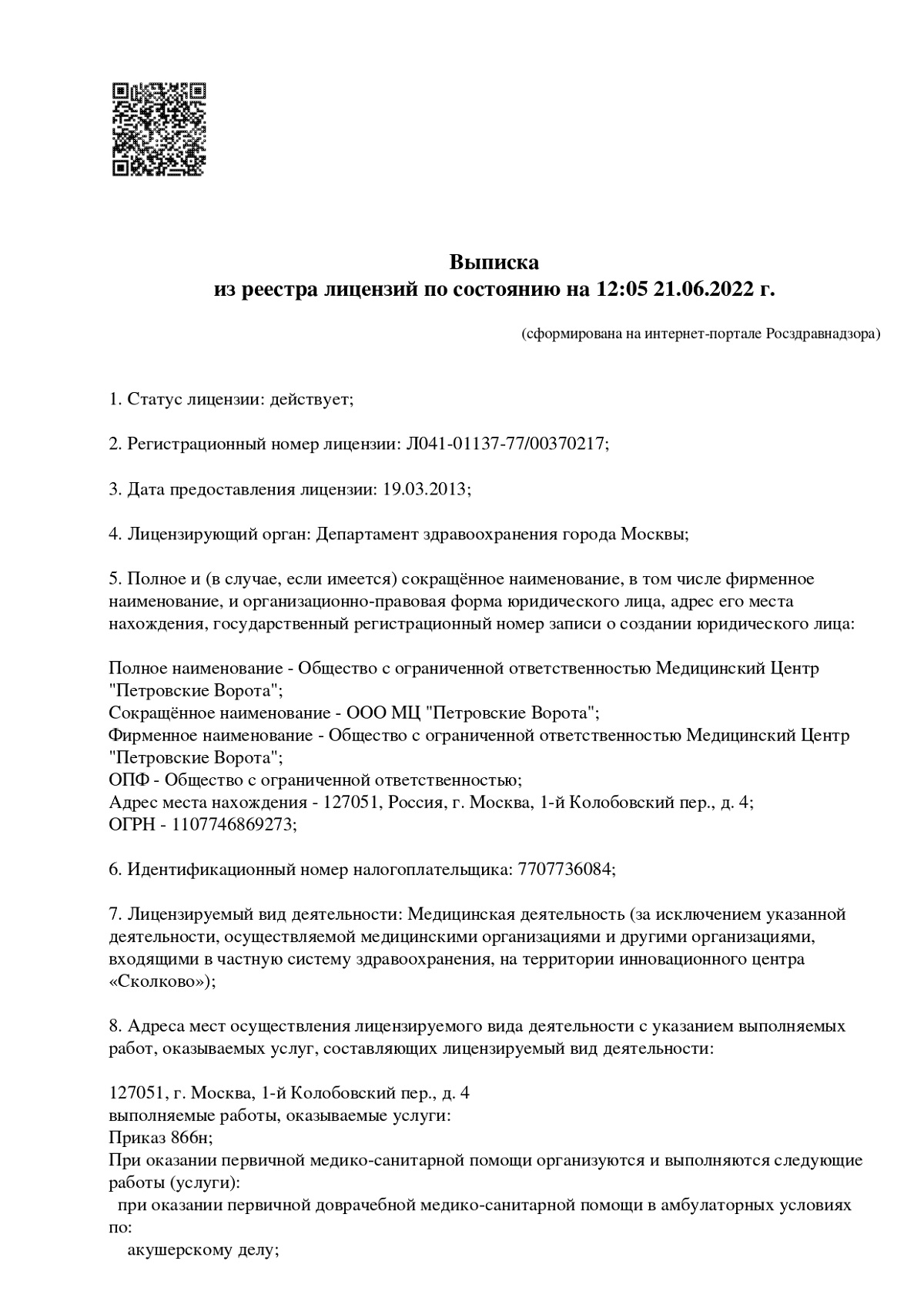
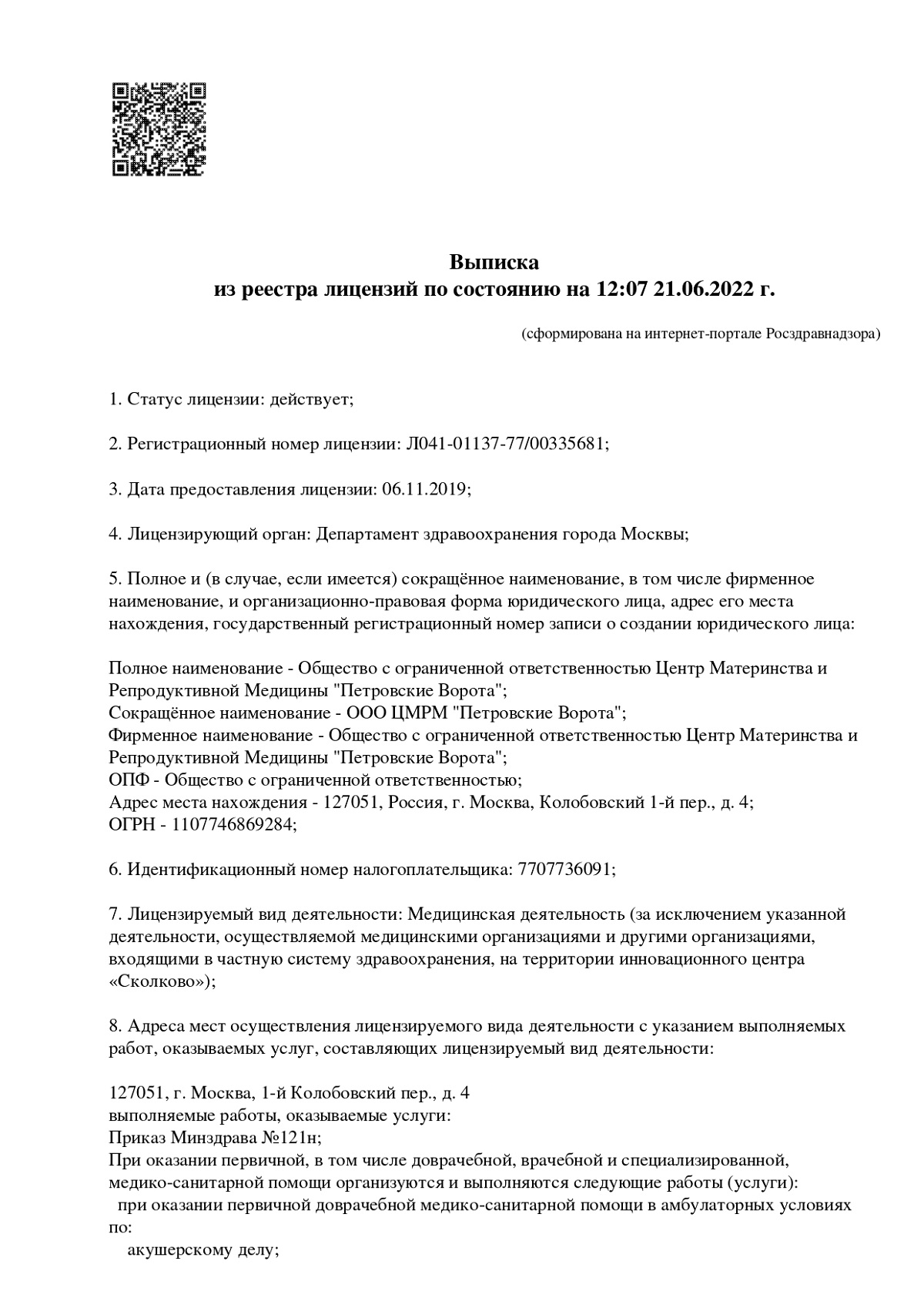
Our clinics


Application “Personal Account K+31”












What is this?
This is a malignant tumor of the vulva—the area around the vaginal opening—most often squamous cell carcinoma associated with HPV or skin changes. This malignancy causes ulcers and lumps.
Characteristics of the disease
The main difference is accessibility for examination. Changes are visible, so vulvar tumors can be detected early.
How is it different from other tumors of the external genitalia?
Tumors in this area vary in origin. Cancer of the external genitalia includes lesions of the vulva, vagina, and perineum.