Small Intestine Cancer
The small intestine occupies a large part of the digestive tract, but tumors rarely occur there. Small intestinal cancer often masquerades as common digestive disorders, so it is often detected late. However, early diagnosis of small intestinal cancer significantly improves outcomes. An oncologist at K+31 can help you understand your symptoms.

specialists

equipment

treatment




Symptoms of small intestine cancer

The symptoms are nonspecific and easily attributed to gastritis or irritable bowel syndrome. Symptoms of small bowel cancer develop gradually, and this is the main difficulty.
Early Signs of the Disease
Initially, the complaints are subtle: intermittent abdominal pain, bloating, mild nausea, and loss of appetite. These early signs of bowel cancer are easy to miss.
Symptoms in Later Stages
Later, the picture becomes more pronounced: noticeable weight loss, vomiting, signs of intestinal obstruction, hidden bleeding, and anemia. Sometimes, bowel cancer, the symptoms of which were mistaken for an ulcer, is discovered only after complications have developed.
Causes and risk factors

The exact cause cannot be determined, but certain conditions are known to increase the risk of developing the disease. Knowing these factors helps ensure timely screening.
Hereditary predisposition
Some cases are linked to genetics: the risk is higher in familial adenomatous polyposis, Lynch syndrome, and Peutz-Jeghers disease; these patients require regular screening.
Chronic bowel diseases
Long-term illnesses also play a role: small intestinal tumors often develop in the context of Crohn's disease and celiac disease, which damage the mucosa over years in these intestinal pathologies.
Lifestyle and external factors
Smoking, alcohol abuse, and a diet high in red meat and low in fiber are also significant.
General information
Types of Small Intestinal Cancer
This general term covers several different tumors. The course and treatment depend on the type of small intestinal cancer.
Adenocarcinoma
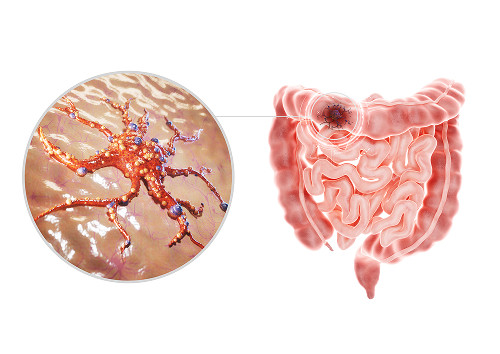
This is the most common type. Adenocarcinoma of the small intestine grows from glandular cells of the mucosa, most often in the duodenum.
Neuroendocrine Tumors
The second most common type develops from hormone-producing cells. Neuroendocrine tumors grow more slowly and are more common in the ileum.
Small Intestinal Lymphoma
Sometimes the tumor originates from lymphoid tissue. Small intestinal lymphoma requires specialized treatment, closer to hematological treatment.
Sarcomas and other rare forms
Rare forms include sarcomas, including gastrointestinal stromal tumors, which are treated separately.



Post-Treatment Rehabilitation and Monitoring
After treatment, the patient remains under observation for several years, which helps detect relapses early and includes:
- Regular oncologist visits
- Blood tests and tumor markers
- Scheduled CT or MRI
- Endoscopy if needed
- Monitoring of nutrition and general health
Regular visits are especially important in the first years after treatment; they help maintain remission.

The benefits of contacting our specialists
Small bowel cancer is a rare and complex diagnosis, where experience is crucial. Our oncology center manages these cases as a team. What the patient receives:
- A comprehensive approach to diagnosis and treatment
- An interdisciplinary consultation of specialists
- Modern instrumental diagnostic methods
- A personalized treatment plan
- A second opinion from an oncologist
- Monitoring of treatment effectiveness over time
This format saves time and improves the accuracy of small bowel cancer treatment at every stage.
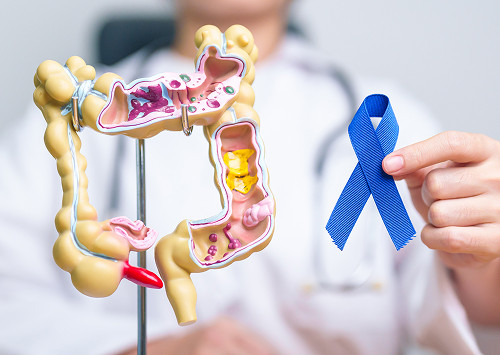
When to schedule an oncologist consultation
Some complaints do not indicate cancer, but they do require testing. You should schedule an oncologist consultation if you are concerned about:
- Abdominal pain of unknown origin
- Unexplained weight loss
- Loss of appetite and persistent weakness
- Nausea and vomiting
- Anemia without an obvious cause
- Signs of intestinal obstruction or blood in the stool
It is especially important not to delay if symptoms persist or worsen; self-diagnosis is not recommended.

Answers to frequently asked questions
Below are the questions patients most frequently ask.
What symptoms may indicate small intestine cancer?
Can small intestine cancer be detected early?
What methods are used to treat small intestine cancer?
What determines the prognosis?
It depends on the stage, type of tumor, extent, general condition, and timeliness of treatment.
Small intestine cancer is difficult to recognize. However, modern oncology can treat it. And early treatment is crucial. If small intestine cancer symptoms persist, don't delay your appointment—schedule a consultation with an oncologist at K+31.
References
- Clinical Guidelines of the Ministry of Health of the Russian Federation "Malignant Neoplasms of the Small Intestine" — https://cr.minzdrav.gov.ru
- Directory of Clinical Guidelines of the Ministry of Health of the Russian Federation — https://cr.minzdrav.gov.ru
- Portal of the All-Russian National Union "Association of Oncologists of Russia" — https://oncology-association.ru
- Scientific Electronic Library eLIBRARY — https://elibrary.ru
- CyberLeninka (scientific publications on oncology) — https://cyberleninka.ru
- Russian Society of Clinical Oncology (RUSSCO) — https://rosoncoweb.ru
- RLS Encyclopedia: Oncological Diseases — https://www.rlsnet.ru
- Directory of Diseases on The "Doctor's Consultant" portal — https://www.rosmedlib.ru
- Russian Oncology Journal (publication archive) — https://www.mediasphera.ru
- The "Tak Zdorov" portal of the Russian Ministry of Health — https://www.takzdorovo.ru
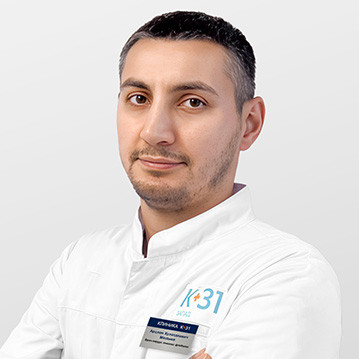
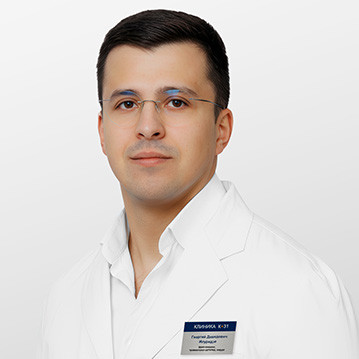
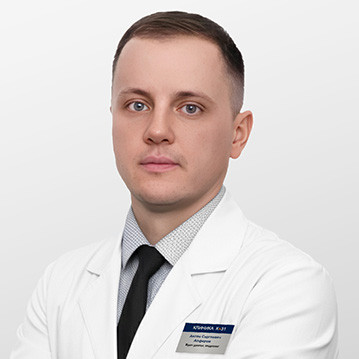
Our doctors










































This award is given to clinics with the highest ratings according to user ratings, a large number of requests from this site, and in the absence of critical violations.

This award is given to clinics with the highest ratings according to user ratings. It means that the place is known, loved, and definitely worth visiting.

The ProDoctors portal collected 500 thousand reviews, compiled a rating of doctors based on them and awarded the best. We are proud that our doctors are among those awarded.
Make an appointment at a convenient time on the nearest date
Price
Other services

Appointment to the doctor
Reviews









Our clinics


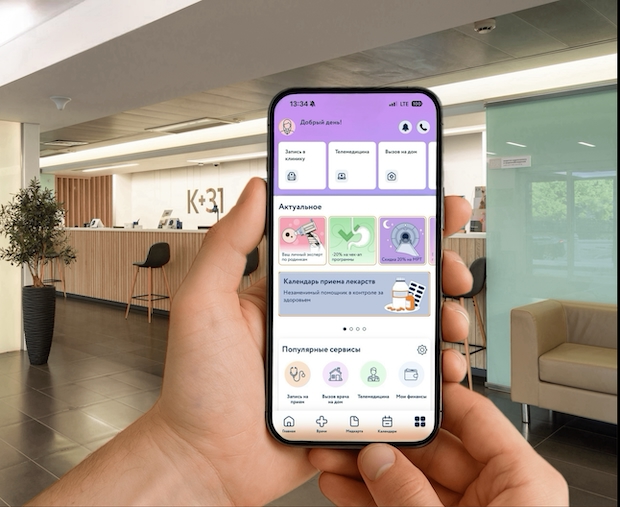
Application “Personal Account K+31”